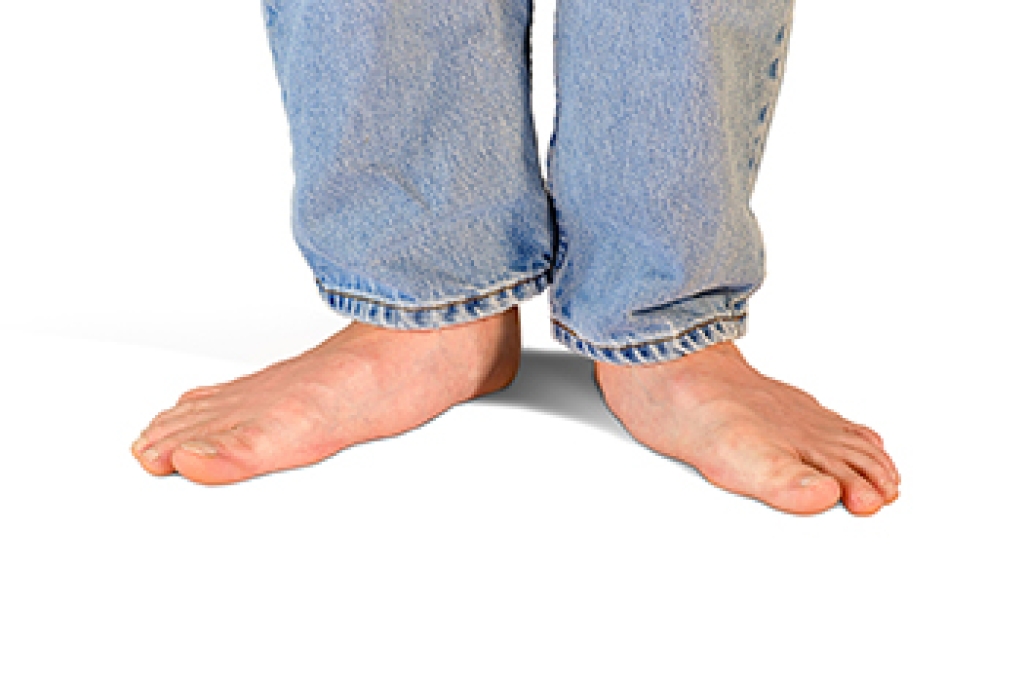
The Many Causes Behind Flat Feet

Flat feet refer to feet that have no visible arch in the middle of the sole of the foot while bearing weight. In other words, while standing, the foot lies flat on the ground. Flat feet can be genetically inherited. They can also be acquired during your lifespan for various reasons. These may include damaged, inflamed, overstretched or torn tendons in the foot, damage to the foot or ankle bones, arthritis, stiffening and weakening of the foot muscles due to nerve damage, obesity, and pregnancy. Acquired flat feet are also associated with aging, as wear and tear on the ligaments that support the arch can cause it to collapse. If you have flat feet that are causing you pain, it is suggested that you seek the care of a podiatrist. 

Flatfoot is a condition many people suffer from. If you have flat feet, contact Howard Kimmel, DPM from Buckeye Foot Care. Our doctor will treat your foot and ankle needs.

What Are Flat Feet?

Flatfoot is a condition in which the arch of the foot is depressed and the sole of the foot is almost completely in contact with the ground. About 20-30% of the population generally has flat feet because their arches never formed during growth.

Conditions & Problems:

Having flat feet makes it difficult to run or walk because of the stress placed on the ankles.

Alignment – The general alignment of your legs can be disrupted, because the ankles move inward which can cause major discomfort.

Knees – If you have complications with your knees, flat feet can be a contributor to arthritis in that area.  

Symptoms

  • Pain around the heel or arch area
  • Trouble standing on the tip toe
  • Swelling around the inside of the ankle
  • Flat look to one or both feet
  • Having your shoes feel uneven when worn

Treatment

If you are experiencing pain and stress on the foot you may weaken the posterior tibial tendon, which runs around the inside of the ankle. 

If you have any questions, please feel free to contact one of our offices located in Brook Park and Willoughby Hills, OH . We offer the newest diagnostic and treatment technologies for all your foot care needs.


Read more about Flatfoot

How to Tell if You’ve Broken a Foot Bone

The three main signs of a broken bone, or fracture, are pain, swelling, and deformity around the bone involved. At the time of injury, you may feel or hear a snapping or grinding in the foot. The area will likely be tender, swollen, and bruised. Putting weight or pressure on the injured area will cause pain. You may also be able to see where the bone is broken or displaced, particularly if it is an open fracture, where the bone pokes through the skin. Sometimes the signs of a foot fracture are not obvious. Stress fractures, which are tiny cracks that develop in a bone over time, are very common in the foot bones and often produce only mild symptoms. If you suspect that you have broken a foot bone, please seek the care of a podiatrist.

A broken foot requires immediate medical attention and treatment. If you need your feet checked, contact Howard Kimmel, DPM from Buckeye Foot Care. Our doctor can provide the care you need to keep you pain-free and on your feet.

Broken Foot Causes, Symptoms, and Treatment

A broken foot is caused by one of the bones in the foot typically breaking when bended, crushed, or stretched beyond its natural capabilities. Usually the location of the fracture indicates how the break occurred, whether it was through an object, fall, or any other type of injury. 

Common Symptoms of Broken Feet:

  • Bruising
  • Pain
  • Redness
  • Swelling
  • Blue in color
  • Numbness
  • Cold
  • Misshapen
  • Cuts
  • Deformities

Those that suspect they have a broken foot shoot seek urgent medical attention where a medical professional could diagnose the severity.

Treatment for broken bones varies depending on the cause, severity and location. Some will require the use of splints, casts or crutches while others could even involve surgery to repair the broken bones. Personal care includes the use of ice and keeping the foot stabilized and elevated.

If you have any questions, please feel free to contact one of our offices located in Brook Park and Willoughby Hills, OH . We offer the newest diagnostic and treatment technologies for all your foot care needs.
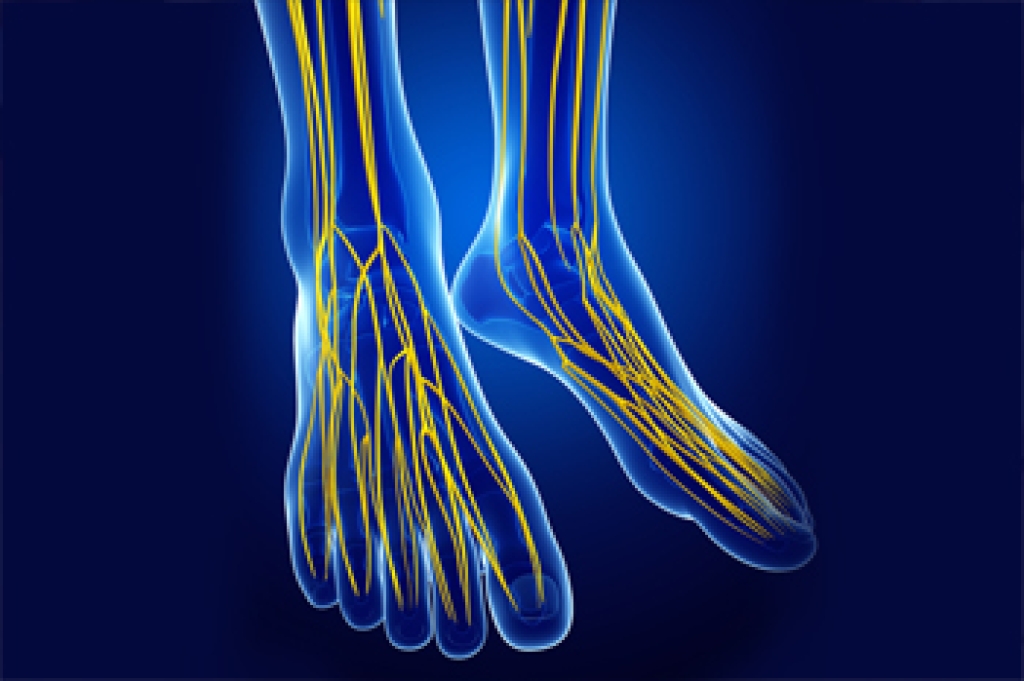
Read more about Causes, Symptoms, and Treatment for a Broken Foot

Gout Pain Can Be Managed

Gout is a painful, inflammatory form of arthritis. Those affected will typically feel an intense stiffness in the joints of their feet, particularly in the big toe. Schedule a visit to learn about how gout can be managed and treated.

Posterior Tibial Nerve Neuralgia

Posterior tibial nerve neuralgia, also known as tarsal tunnel syndrome, is a nerve disorder that is caused by compression of the posterior tibial nerve. This nerve runs through the tarsal tunnel, an area along the inside of the ankle that houses nerves, blood vessels, and tendons. When the posterior tibial nerve is compressed, it causes symptoms such as foot, ankle, and toe pain, a pins and needles sensation in the foot, and numbness. Conservative treatments such as resting and icing the foot, wearing orthotics, and taking pain medications can help relieve symptoms. For more information about tarsal tunnel syndrome and to discover the best course of treatment for you, please consult with a podiatrist. 

Tarsal tunnel syndrome can be very uncomfortable to live with. If you are experiencing tarsal tunnel syndrome, contact Howard Kimmel, DPM of Buckeye Foot Care. Our doctor can provide the care you need to keep you pain-free and on your feet.

Tarsal Tunnel Syndrome

Tarsal tunnel syndrome, which can also be called tibial nerve dysfunction, is an uncommon condition of misfiring peripheral nerves in the foot. The tibial nerve is the peripheral nerve in the leg responsible for sensation and movement of the foot and calf muscles. In tarsal tunnel syndrome, the tibial nerve is damaged, causing problems with movement and feeling in the foot of the affected leg.

Common Cause of Tarsal Tunnel Syndrome

  • Involves pressure or an injury, direct pressure on the tibial nerve for an extended period of time, sometimes caused by other body structures close by or near the knee.
  • Diseases that damage nerves, including diabetes, may cause tarsal tunnel syndrome.
  • At times, tarsal tunnel syndrome can appear without an obvious cause in some cases.

The Effects of Tarsal Tunnel Syndrome

  • Different sensations, an afflicted person may experience pain, tingling, burning or other unusual sensations in the foot of the affected leg.
  • The foot muscles, toes and ankle become weaker, and curling your toes or flexing your foot can become difficult.
  • If condition worsens, infections and ulcers may develop on the foot that is experiencing the syndrome.

A physical exam of the leg can help identify the presence of tarsal tunnel syndrome. Medical tests, such as a nerve biopsy, are also used to diagnose the condition. Patients may receive physical therapy and prescriptive medication. In extreme cases, some may require surgery.

If you have any questions please contact one of our offices located in Brook Park and Willoughby Hills, OH . We offer the newest diagnostic and treatment technologies for all your foot and ankle needs.

Read more about Treating Tarsal Tunnel Syndrome

What Is Causing a Burning Sensation in the Ball of My Foot?

Morton’s Neuroma is a non-cancerous enlargement commonly found in the nerve between the 3rd and 4th toes, however it may also occur between the 2nd and 3rd toes. Morton’s Neuroma is a leading cause of burning pain and inflammation in the ball of the foot (metatarsalgia). People with Morton’s neuroma often feel like they are walking on a pebble and can even experience shooting pain or tingling in the affected toes. Wearing high heels/tight shoes is often associated with Morton’s neuroma, as well as participating in high-impact sports which can stress the nerves between toes repeatedly. Having certain foot deformities such as bunions, hammertoes, flat feet, or high arches may also put you at risk for developing Morton’s neuroma as these conditions may pressurize and compress nerves between toes. If you have any pain in the ball of your foot, make an appointment with a podiatrist who will be able to make a proper diagnosis and offer appropriate treatment methods.

Morton’s neuroma is a very uncomfortable condition to live with. If you think you have Morton’s neuroma, contact Howard Kimmel, DPM of Buckeye Foot Care. Our doctor will attend to all of your foot care needs and answer any of your related questions.  

Morton’s Neuroma

Morton's neuroma is a painful foot condition that commonly affects the areas between the second and third or third and fourth toe, although other areas of the foot are also susceptible. Morton’s neuroma is caused by an inflamed nerve in the foot that is being squeezed and aggravated by surrounding bones.

What Increases the Chances of Having Morton’s Neuroma?

  • Ill-fitting high heels or shoes that add pressure to the toe or foot
  • Jogging, running or any sport that involves constant impact to the foot
  • Flat feet, bunions, and any other foot deformities

Morton’s neuroma is a very treatable condition. Orthotics and shoe inserts can often be used to alleviate the pain on the forefront of the feet. In more severe cases, corticosteroids can also be prescribed. In order to figure out the best treatment for your neuroma, it’s recommended to seek the care of a podiatrist who can diagnose your condition and provide different treatment options.

If you have any questions, please feel free to contact one of our offices located in Brook Park and Willoughby Hills, OH . We offer the newest diagnostic and treatment technologies for all your foot care needs.
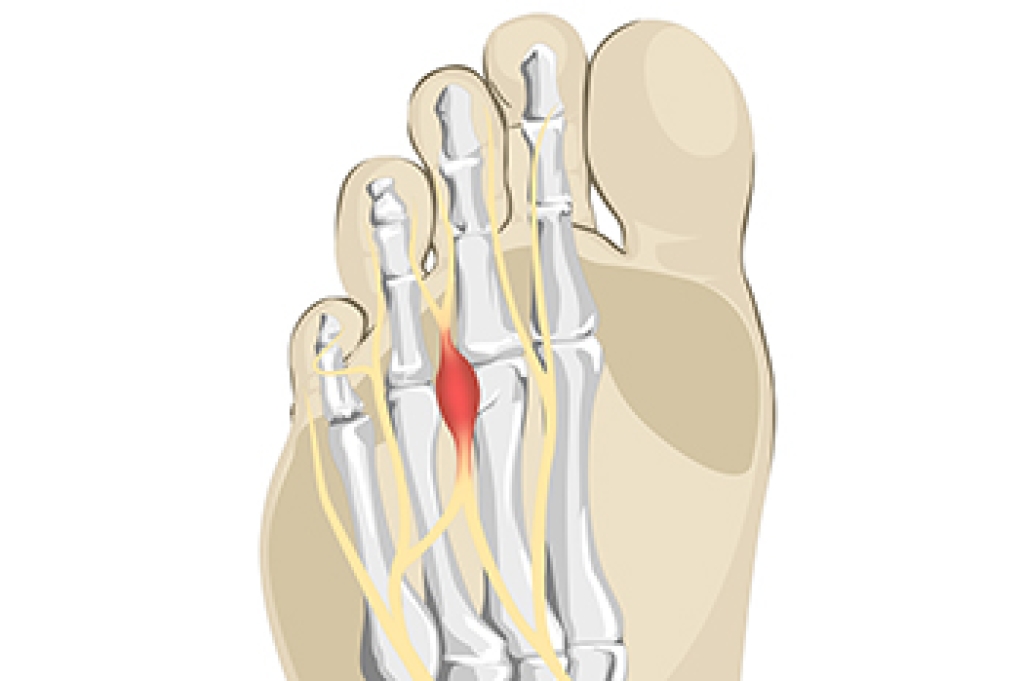
Read more about What is Morton's Neuroma?

Connect With Us

scroll to top