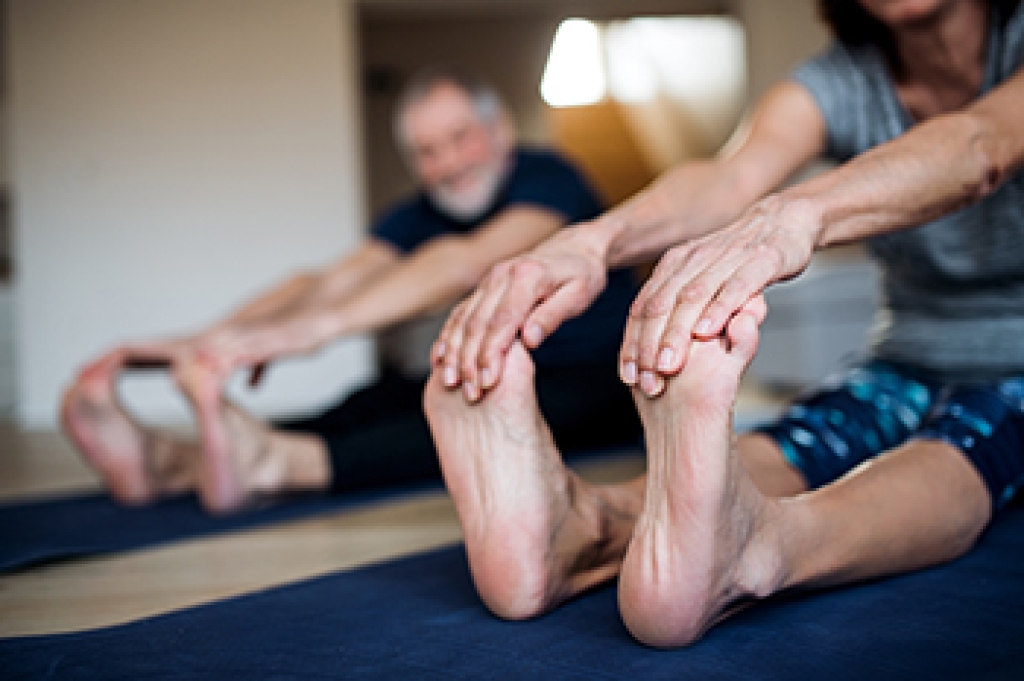
Stretching The Arch May Help Certain Foot Conditions

Many patients who have certain foot conditions can experience arch pain on a regular basis. This can affect the ability to accomplish daily activities and can cause frustration. There are specific stretches and exercises that can help to ease the discomfort from plantar fasciitis, which is characterized by heel and arch pain. An effective stretch consists of stretching the toes and heels away from each other while sitting in a chair with one leg crossed over the other. It is beneficial to hold this position for several seconds, then repeat on the other foot. Additionally, the calf can be stretched by standing on a step, and gently lowering one heel at a time. The whole foot may become stronger when towel scrunches are performed. If you would like more information on techniques that can help to stretch the feet, please consult with a podiatrist.

Stretching the feet is a great way to prevent injuries. If you have any concerns with your feet consult with Howard Kimmel, DPM from Buckeye Foot Care. Our doctor will assess your condition and provide you with quality foot and ankle treatment.

Stretching the Feet

Being the backbone of the body, the feet carry your entire weight and can easily become overexerted, causing cramps and pain. As with any body part, stretching your feet can serve many benefits. From increasing flexibility to even providing some pain relief, be sure to give your feet a stretch from time to time. This is especially important for athletes or anyone performing aerobic exercises, but anyone experiencing foot pain or is on their feet constantly should also engage in this practice.

Great ways to stretch your feet:

  • Crossing one leg over the others and carefully pull your toes back. Do 10-20 repetitions and repeat the process for each foot
  • Face a wall with your arms out and hands flat against the wall. Step back with one foot and keep it flat on the floor while moving the other leg forward. Lean towards the wall until you feel a stretch. Hold for 30 seconds and perform 10 repetitions for each foot
  • Be sure not to overextend or push your limbs too hard or you could risk pulling or straining your muscle

Individuals who tend to their feet by regular stretching every day should be able to minimize foot pain and prevent new problems from arising.

If you have any questions please contact one of our offices located in Brook Park and Willoughby Hills, OH . We offer the newest diagnostic and treatment technologies for all your foot and ankle needs.

Read more about How to Stretch Your Feet

Stretches That Can Help You to Feel Better While Standing

The most common side effects from standing for the majority of the work day can be swollen feet and tight calves. It is helpful to wear shoes and socks that fit correctly, as this may help to alleviate potential foot conditions.There are specific stretches that can be performed which may help to strengthen the legs. One effective stretch is referred to as Standing Half Moon, which is a simple yoga pose to perform. This is practiced by raising your arms above your head while standing normally, and slowly bending to one side. You can switch sides after a gentle stretch is felt in the calf muscles. The back and legs can be stretched by folding forward. Simply bend forward while your arms are hanging in front of you, and the stretch can be felt throughout the body. If you would like additional information about effective stretches that can protect your body while working on your feet, please consult with a podiatrist.

While working on the feet, it is important to take the proper care of them. For more information about working on your feet, contact Howard Kimmel, DPM from Buckeye Foot Care. Our doctor will treat your foot and ankle needs.

Working on Your Feet

Standing on your feet for long periods of time can cause stress and pain in your feet. Your whole body may experience change in terms of posture, back pain, bunions, callouses and or plantar warts. There are ways to avoid these conditions with proper foot care, smart choices and correct posture.

Positive Changes

Negative heeled shoe – Choosing this shoe type places the heel slightly lower than the ball of the foot. These are great for overall foot health. Find shoes that fit you correctly.

Go barefoot – Our feet were not designed to be enclosed for all hours of the day. Try to periodically expose your feet to air.

Eliminate Pain

Foot Exercises – Performing simple exercises, incorporating yoga and doing stretches are beneficial. This will allow increased blood flow to the area and muscles of the foot.

Achilles tendon – Stretching the foot out flat on the floor will relax the calf muscles and tendon. These exercises can be performed almost anywhere. Make sure you add these exercises to your daily regimen. 

With a little bit of this information and knowing more about foot health, you will notice changes. Foot stretches and proper footwear will help with pain and prevent further issues.

If you have any questions please contact one of our offices located in Brook Park and Willoughby Hills, OH . We offer the newest diagnostic and treatment technologies for all your foot and ankle needs.
Read more about Working on Your Feet

How Do Achilles Tendon Injuries Occur?

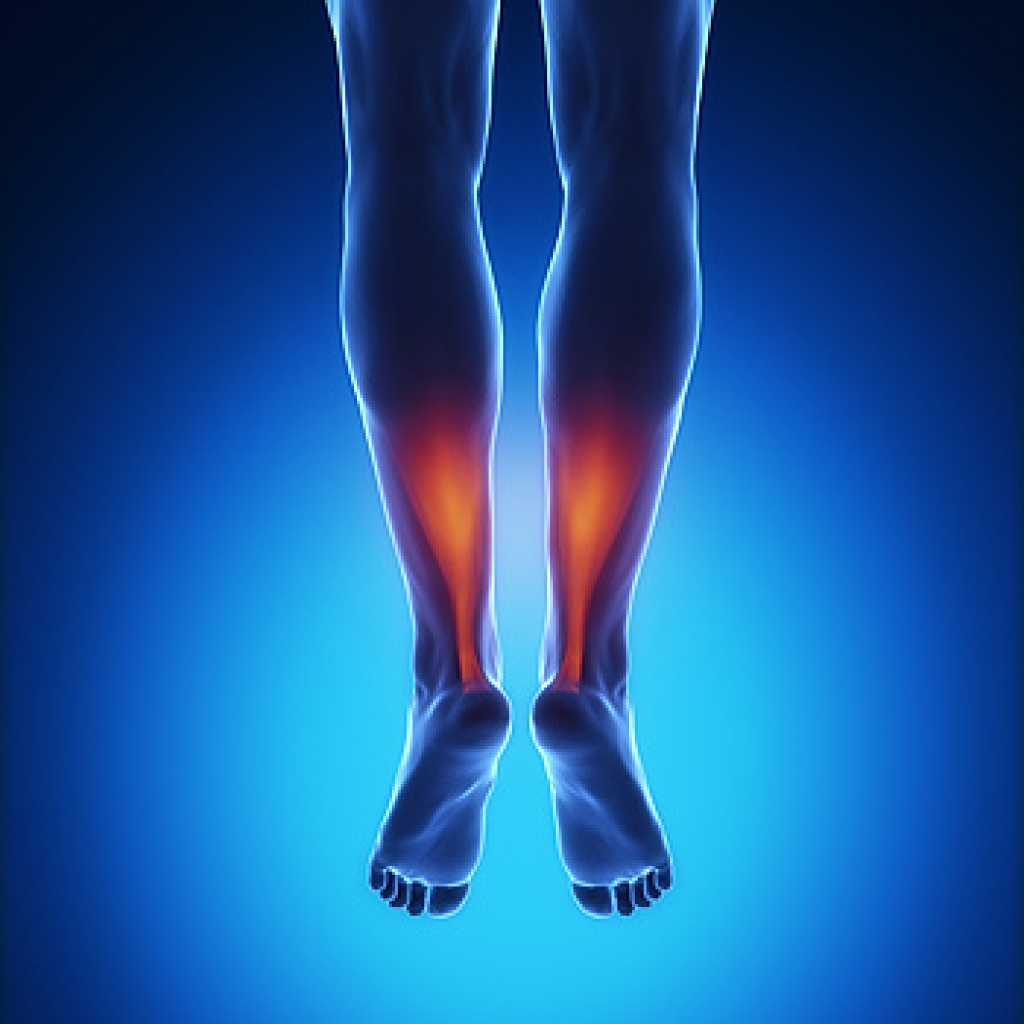
There are two muscles in the calf that make up the Achilles tendon. It is considered to be the strongest tendon in the body, and it connects the heel to calf. An Achilles tendon injury can gradually occur from repetitive motion, or from suddenly twisting the leg while participating in running and jumping activities. This condition is generally accompanied by severe pain and discomfort, and it is often difficult to walk. Patients who have this type of injury may find mild relief when simple stretches are performed. These can include standing on a step while lowering the heel until a gentle stretch is felt. Strengthening the foot may be a solution in preventing Achilles tendon injuries from occurring. If you have this type of pain, please consult with a podiatrist who can effectively treat this condition.

Achilles tendon injuries need immediate attention to avoid future complications. If you have any concerns, contact Howard Kimmel, DPM of Buckeye Foot Care. Our doctor can provide the care you need to keep you pain-free and on your feet.

What Is the Achilles Tendon?

The Achilles tendon is a tendon that connects the lower leg muscles and calf to the heel of the foot. It is the strongest tendon in the human body and is essential for making movement possible. Because this tendon is such an integral part of the body, any injuries to it can create immense difficulties and should immediately be presented to a doctor.

What Are the Symptoms of an Achilles Tendon Injury?

There are various types of injuries that can affect the Achilles tendon. The two most common injuries are Achilles tendinitis and ruptures of the tendon.

Achilles Tendinitis Symptoms

  • Inflammation
  • Dull to severe pain
  • Increased blood flow to the tendon
  • Thickening of the tendon

Rupture Symptoms

  • Extreme pain and swelling in the foot
  • Total immobility

Treatment and Prevention

Achilles tendon injuries are diagnosed by a thorough physical evaluation, which can include an MRI. Treatment involves rest, physical therapy, and in some cases, surgery. However, various preventative measures can be taken to avoid these injuries, such as:

  • Thorough stretching of the tendon before and after exercise
  • Strengthening exercises like calf raises, squats, leg curls, leg extensions, leg raises, lunges, and leg presses

If you have any questions please feel free to contact one of our offices located in Brook Park and Willoughby Hills, OH . We offer the newest diagnostic tools and technology to treat your foot and ankle needs.

Read more about What are Achilles Tendon Injuries

Why Do Plantar Warts Grow Inward?

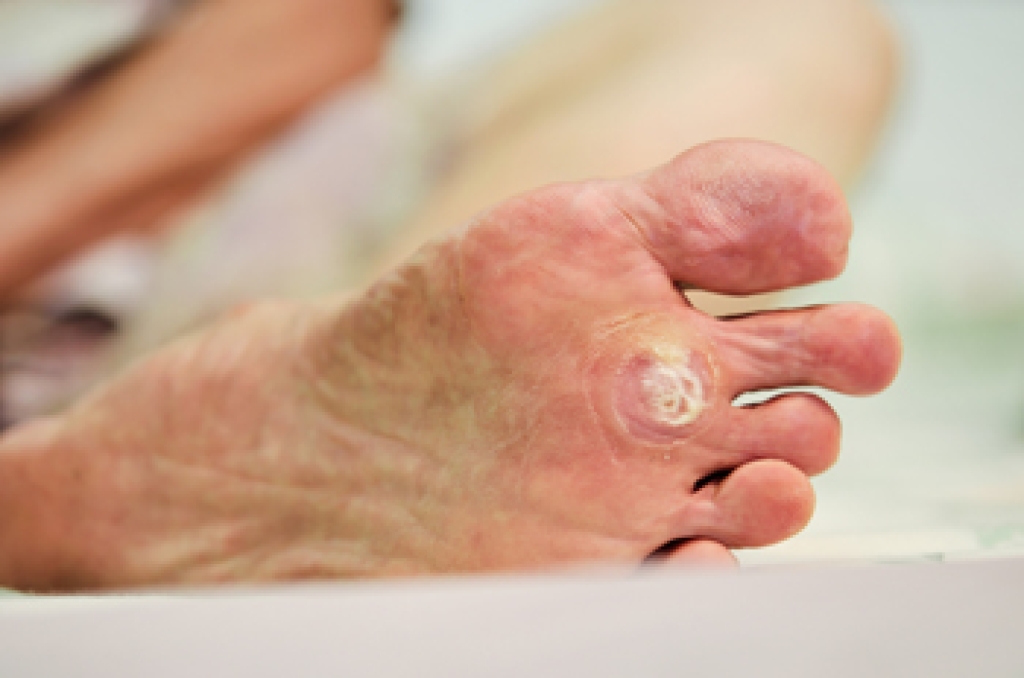
The human papilloma virus (HPV) is responsible for the development of warts on the body. Warts can form in various places and may cause pain and discomfort when they are on the bottom of the feet. These are referred to as plantar warts and are considered to be contagious. They grow inward as a result from the pressure the feet endure for the majority of the day. Plantar warts appear as small, hardened areas that are often filled with tiny black dots, which are actually blood. There are several forms of treatment that can be prescribed for plantar warts. If you have developed these types of warts, please consult with a podiatrist who can determine what the best form of treatment is for you.

Plantar warts can be very uncomfortable. If you need your feet checked, contact Howard Kimmel, DPM from Buckeye Foot Care. Our doctor will assist you with all of your foot and ankle needs.

About Plantar Warts

Plantar warts are the result of HPV, or human papillomavirus, getting into open wounds on the feet. They are mostly found on the heels or balls of the feet.

While plantar warts are generally harmless, those experiencing excessive pain or those suffering from diabetes or a compromised immune system require immediate medical care. Plantar warts are easily diagnosed, usually through scraping off a bit of rough skin or by getting a biopsy.

Symptoms

  • Lesions on the bottom of your feet, usually rough and grainy
  • Hard or thick callused spots
  • Wart seeds, which are small clotted blood vessels that look like little black spots
  • Pain, discomfort, or tenderness of your feet when walking or standing

Treatment

  • Freezing
  • Electric tool removal
  • Laser Treatment
  • Topical Creams (prescription only)
  • Over-the-counter medications

To help prevent developing plantar warts, avoid walking barefoot over abrasive surfaces that can cause cuts or wounds for HPV to get into. Avoiding direct contact with other warts, as well as not picking or rubbing existing warts, can help prevent the further spread of plantar warts. However, if you think you have developed plantar warts, speak to your podiatrist. He or she can diagnose the warts on your feet and recommend the appropriate treatment options.

If you have any questions, please feel free to contact one of our offices located in Brook Park and Willoughby Hills, OH . We offer the newest diagnostic and treatment technologies for all your foot care needs.

Read more about All About Plantar Warts

Can Orthotics Help Plantar Fasciitis Pain?

Plantar fasciitis, an inflammation of the plantar fascia ligament that runs along the bottom of the foot, can often be the culprit for foot pain. Common treatments for this condition may include lifestyle changes, stretching the feet, and taking nonsteroidal anti-inflammatory drugs to relieve pain. However, sometimes these treatments prove ineffective. In these cases, wearing orthotics in the shoes may help. Whether they are mass produced or custom made, used alone or in conjunction with the previously mentioned treatments, orthotics can be effective for reducing plantar fasciitis pain. For more information on orthotics and plantar fasciitis, consult with a podiatrist today.

Plantar fasciitis can be very painful and inconvenient. If you are experiencing heel pain or symptoms of plantar fasciitis, contact Howard Kimmel, DPM  from Buckeye Foot Care. Our doctor can provide the care you need to keep you pain-free and on your feet.

What Is Plantar Fasciitis?

Plantar fasciitis is the inflammation of the thick band of tissue that runs along the bottom of your foot, known as the plantar fascia, and causes mild to severe heel pain.

What Causes Plantar Fasciitis?

  • Excessive running
  • Non-supportive shoes
  • Overpronation
  • Repeated stretching and tearing of the plantar fascia

How Can It Be Treated?

  • Conservative measures – anti-inflammatories, ice packs, stretching exercises, physical therapy, orthotic devices
  • Shockwave therapy – sound waves are sent to the affected area to facilitate healing and are usually used for chronic cases of plantar fasciitis
  • Surgery – usually only used as a last resort when all else fails. The plantar fascia can be surgically detached from the heel

While very treatable, plantar fasciitis is definitely not something that should be ignored. Especially in severe cases, speaking to your doctor right away is highly recommended to avoid complications and severe heel pain. Your podiatrist can work with you to provide the appropriate treatment options tailored to your condition.

If you have any questions, please feel free to contact one of our offices located in Brook Park and Willoughby Hills, OH . We offer the newest diagnostic and treatment technologies for all your foot care needs.

Read more about Plantar Fasciitis

Connect With Us

scroll to top