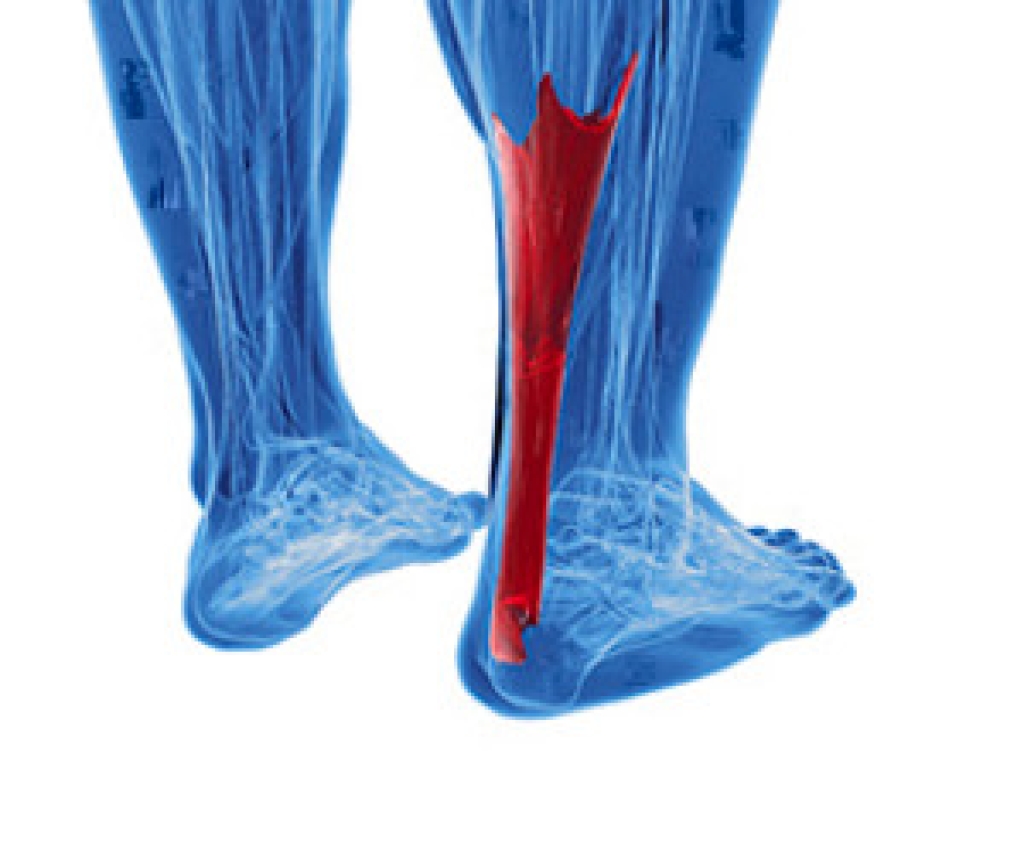
What Is Sever’s Disease?

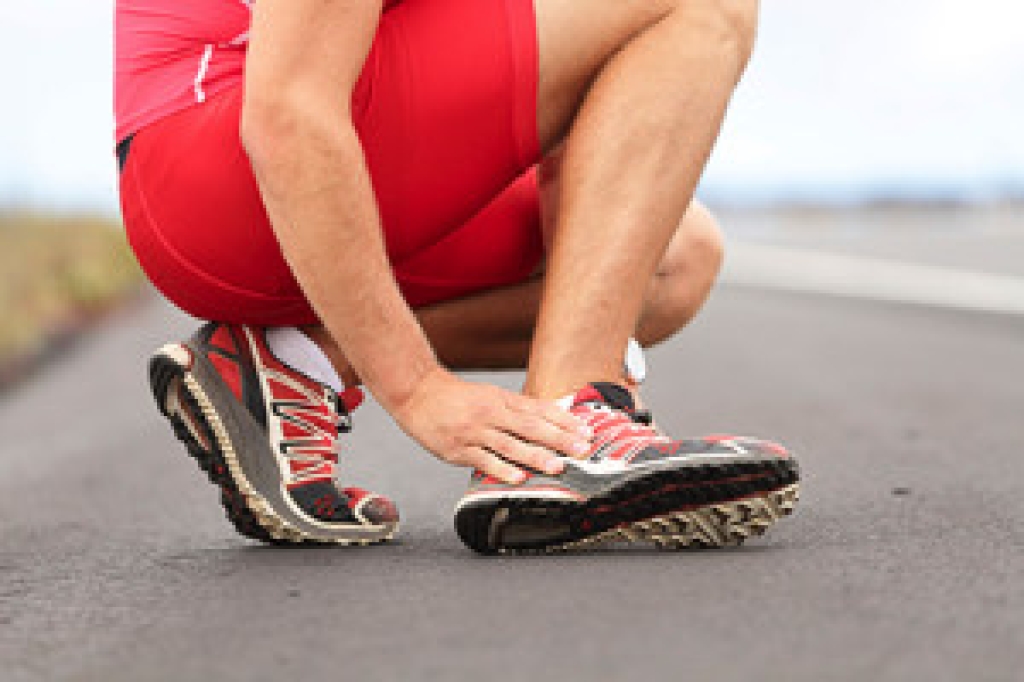
Children who are growing and physically active can put excessive wear on the growth plate of their heel bone, which attaches to the Achilles tendon. Repetitive pulling on the growth plate causes inflammation and pain in the heel and is known as Sever’s disease. Although this condition is painful and can reoccur, it is not dangerous, and should go away once the growth plate closes and your child stops growing. There are several things you can do at home to help reduce the pain of Sever’s disease. Have your child stretch their calf muscles several times a day and make sure your child sits out activities rather than playing through the pain. You can also ice the area, give your child over-the-counter painkillers, and have them wear supportive shoes. If pain persists, severe swelling occurs, or your child develops a fever, contact a podiatrist right away. The podiatrist will first rule out a heel fracture, and then may suggest custom orthotics and specific stretching exercises to heal the pain and avoid permanent damage.

Sever's disease often occurs in children and teens. If your child is experiencing foot or ankle pain, see Howard Kimmel, DPM from Buckeye Foot Care. Our doctor can treat your child’s foot and ankle needs.

Sever’s Disease

Sever’s disease is also known as calcaneal apophysitis, which is a medical condition that causes heel pain I none or both feet. The disease is known to affect children between the ages of 8 and 14.

Sever’s disease occurs when part of the child’s heel known as the growth plate (calcaneal epiphysis) is attached to the Achilles tendon. This area can suffer injury when the muscles and tendons of the growing foot do not keep pace with bone growth. Therefore, the constant pain which one experiences at the back of the heel will make the child unable to put any weight on the heel. The child is then forced to walk on their toes.

Symptoms

Acute pain – Pain associated with Sever’s disease is usually felt in the heel when the child engages in physical activity such as walking, jumping and or running.

Highly active – Children who are very active are among the most susceptible in experiencing Sever’s disease, because of the stress and tension placed on their feet.

If you have any questions, please feel free to contact one of our offices located in Brook Park and Willoughby Hills, OH . We offer the newest diagnostic and treatment technologies for all your foot care needs.
Read more about Sever's Disease

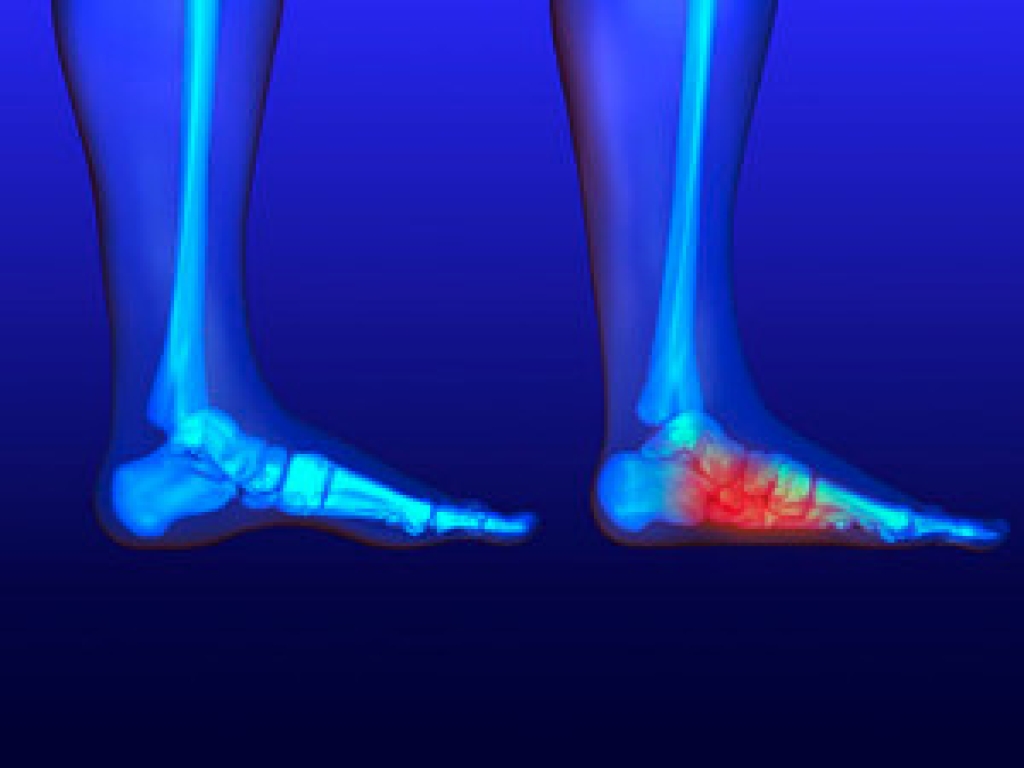
Living With Flat Feet

Having flat feet, defined as feet that do not have a visible arch in the sole while standing, can sometimes cause foot problems to arise. While many people have flat feet and do not experience any negative effects, others may find that they have foot pain, fatigue easily, or have an abnormal walking pattern. Fortunately, there are steps you can take to make living with flat feet more comfortable. Over the counter and custom orthotic inserts can be worn in the shoes to provide more cushioning and support to your flat feet as you go about your daily activities. Stretching and strengthening the feet with simple foot exercises can also help to reduce pain and discomfort. For more information about flat feet, please consult with a podiatrist.

Flatfoot is a condition many people suffer from. If you have flat feet, contact Howard Kimmel, DPM from Buckeye Foot Care. Our doctor will treat your foot and ankle needs.

What Are Flat Feet?

Flatfoot is a condition in which the arch of the foot is depressed and the sole of the foot is almost completely in contact with the ground. About 20-30% of the population generally has flat feet because their arches never formed during growth.

Conditions & Problems:

Having flat feet makes it difficult to run or walk because of the stress placed on the ankles.

Alignment – The general alignment of your legs can be disrupted, because the ankles move inward which can cause major discomfort.

Knees – If you have complications with your knees, flat feet can be a contributor to arthritis in that area.  

Symptoms

  • Pain around the heel or arch area
  • Trouble standing on the tip toe
  • Swelling around the inside of the ankle
  • Flat look to one or both feet
  • Having your shoes feel uneven when worn

Treatment

If you are experiencing pain and stress on the foot you may weaken the posterior tibial tendon, which runs around the inside of the ankle. 

If you have any questions, please feel free to contact one of our offices located in Brook Park and Willoughby Hills, OH . We offer the newest diagnostic and treatment technologies for all your foot care needs.
Read more about Flat Feet

Reminder: When Was the Last Time...?

Custom orthotics, or shoe inserts, should be periodically replaced. Orthotics must fit properly to give you the best results. Protect your feet and ankles!

Causes and Symptoms of Cuboid Syndrome

The cuboid bone is located on the outer side of your foot with a joint and ligaments nearby. These ligaments can tear or become otherwise damaged due to either an ankle sprain or other injury, or from the repetitive strain of certain sports and other activities. These conditions are known as cuboid syndrome, or cuboid subluxation. Cuboid syndrome can also develop in people with flat feet, or when a bone within the joint becomes slightly dislocated. Symptoms of cuboid syndrome usually present themselves on the lateral side of your foot where the ligaments are located, and can include swelling, tenderness, and redness. Additionally, you may experience diminishment in mobility of your ankle and even weakness in the toes nearest to the damaged ligament. While conditions such as arthritis and osteoporosis make you more prone to develop cuboid syndrome, you can reduce your risk by maintaining a healthy body weight, stretching before exercise, and wearing shoes that fit and offer adequate support. If you believe you are experiencing cuboid syndrome or have any pain in your foot, make an appointment with a podiatrist right away for proper diagnosis and treatment.

Cuboid syndrome, also known as cuboid subluxation, occurs when the joints and ligaments near the cuboid bone in the foot become torn. If you have cuboid syndrome, consult with Howard Kimmel, DPM from Buckeye Foot Care. Our doctor will assess your condition and provide you with quality foot and ankle treatment.

Cuboid syndrome is a common cause of lateral foot pain, which is pain on the outside of the foot. The condition may happen suddenly due to an ankle sprain, or it may develop slowly overtime from repetitive tension through the bone and surrounding structures.

Causes

The most common causes of cuboid syndrome include:

  • Injury – The most common cause of this ailment is an ankle sprain.
  • Repetitive Strain – Tension placed through the peroneus longus muscle from repetitive activities such as jumping and running may cause excessive traction on the bone causing it to sublux.
  • Altered Foot Biomechanics – Most people suffering from cuboid subluxation have flat feet.

Symptoms

A common symptom of cuboid syndrome is pain along the outside of the foot which can be felt in the ankle and toes. This pain may create walking difficulties and may cause those with the condition to walk with a limp.

Diagnosis

Diagnosis of cuboid syndrome is often difficult, and it is often misdiagnosed. X-rays, MRIs and CT scans often fail to properly show the cuboid subluxation. Although there isn’t a specific test used to diagnose cuboid syndrome, your podiatrist will usually check if pain is felt while pressing firmly on the cuboid bone of your foot.

Treatment

Just as the range of causes varies widely, so do treatments. Some more common treatments are ice therapy, rest, exercise, taping, and orthotics.

If you have any questions, please feel free to contact one of our offices located in Brook Park and Willoughby Hills, OH . We offer the newest diagnostic and treatment technologies for all your foot care needs.
Read more about Cuboid Syndrome

What Can Cause Poor Circulation in Feet?

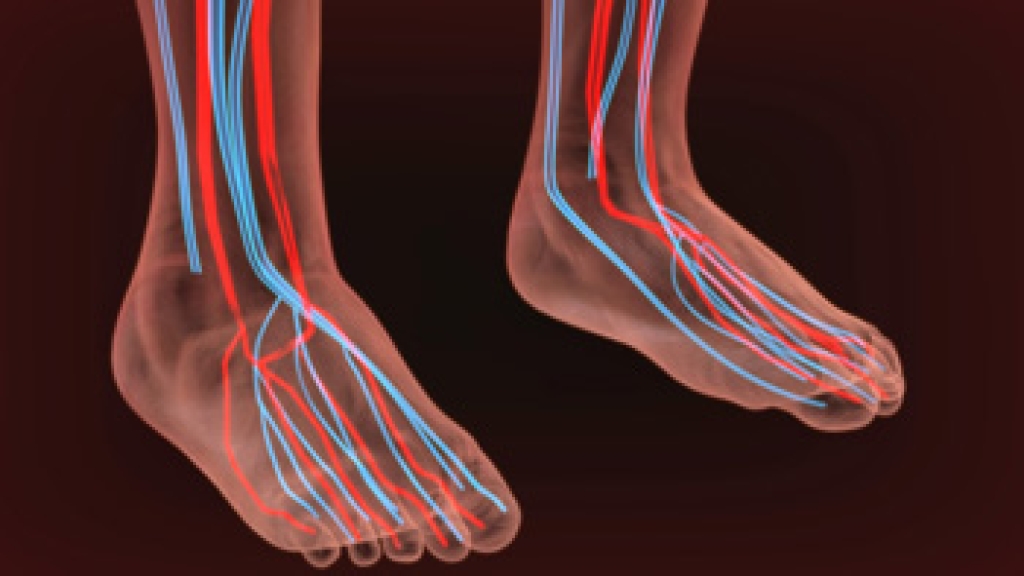
When poor circulation, or reduced blood flow affects your lower limbs, you may notice your feet feeling cold or numb and your skin turning red, blue, purple, or white. You may also notice dry skin, hair loss on the legs or feet, weakened toenails, and slow wound healing. There are many possible causes for poor circulation in the feet. Both Raynaud’s disease and acrocyanosis cause blood vessels in the extremities to constrict, leading to reduced blood flow and the affected area becoming cold, numb, and discolored. Diabetes damages the blood vessels, affecting circulation. Arteriosclerosis, in which the arteries harden due to plaque buildup, and peripheral artery disease, which occurs when arteriosclerosis progresses without treatment, are also very common culprits of impaired blood flow to the feet. If you have the symptoms of poor circulation in your feet, it is suggested that you seek the care of a podiatrist.

Poor circulation is a serious condition and needs immediate medical attention. If you have any concerns with poor circulation in your feet contact Howard Kimmel, DPM of Buckeye Foot Care. Our doctor will treat your foot and ankle needs.

Poor Circulation in the Feet

Poor blood circulation in the feet and legs is can be caused by peripheral artery disease (PAD), which is the result of a buildup of plaque in the arteries.

Plaque buildup or atherosclerosis results from excess calcium and cholesterol in the bloodstream. This can restrict the amount of blood which can flow through the arteries. Poor blood circulation in the feet and legs are sometimes caused by inflammation in the blood vessels, known as vasculitis.

Causes

Lack of oxygen and oxygen from poor blood circulation restricts muscle growth and development. It can also cause:

  • Muscle pain, stiffness, or weakness 
  • Numbness or cramping in the legs
  • Skin discoloration
  • Slower nail & hair growth
  • Erectile dysfunction

Those who have diabetes or smoke are at greatest risk for poor circulation, as are those who are over 50. If you have poor circulation in the feet and legs it may be caused by PAD and is important to make changes to your lifestyle in order to reduce risk of getting a heart attack or stroke. Exercise and maintaining a healthy lifestyle will dramatically improve conditions.

As always, see a podiatrist as he or she will assist in finding a regimen that suits you. A podiatrist can also prescribe you any needed medication. 

If you have any questions, please feel free to contact one of our offices located in Brook Park and Willoughby Hills, OH . We offer the newest diagnostic and treatment technologies for all your foot care needs.

Read more about Causes Symptoms and Treatment for Poor Circulation in the Feet

Connect With Us

scroll to top