When to Call a Podiatrist for Ankle Pain

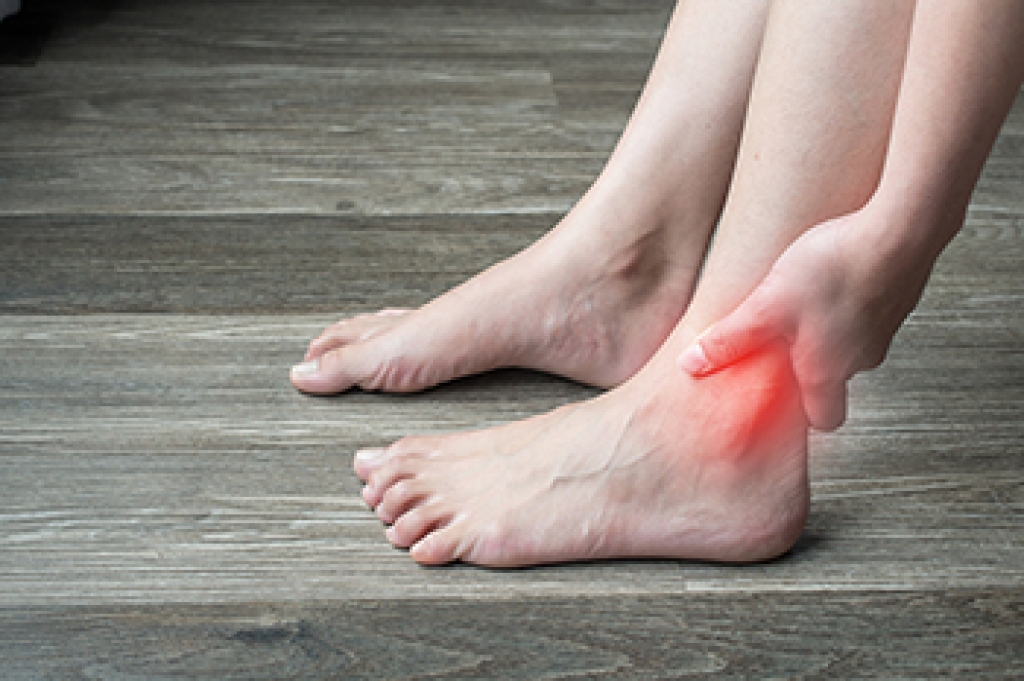
Ankle pain may be due to a sprain or strain, a blunt force injury, muscle weakness or chronic joint instability, nerve compression in the tarsal tunnel, arthritis, gout, tendonitis, a fracture, or another condition. If you are experiencing pain or inflammation in your ankle, you may try to rest the ankle, elevate it, ice it, and compress it. It is suggested that you call a podiatrist if your pain does not improve, you notice a visible deformity, your calf or ankle feels tender, hot or swollen, you cannot put weight on the affected foot, or if you are limping. Your podiatrist will be able to examine you and run tests, along with any necessary imaging in order to diagnose your condition properly. A treatment plan will be created based on their findings and the cause and severity of your ankle pain.

Ankle pain can have many different causes and the pain may potentially be serious. If you have ankle pain, consult with Howard Kimmel, DPM from Buckeye Foot Care. Our doctor will assess your condition and provide you with quality foot and ankle treatment.

Ankle pain is any condition that causes pain in the ankle. Due to the fact that the ankle consists of tendons, muscles, bones, and ligaments, ankle pain can come from a number of different conditions.

Causes

The most common causes of ankle pain include:

  • Types of arthritis (rheumatoid, osteoarthritis, and gout)
  • Ankle sprains
  • Broken ankles
  • Achilles tendinitis
  • Achilles tendon rupture
  • Stress fractures
  • Tarsal tunnel syndrome
  • Plantar fasciitis

Symptoms

Symptoms of ankle injury vary based upon the condition. Pain may include general pain and discomfort, swelling, aching, redness, bruising, burning or stabbing sensations, and/or loss of sensation.

Diagnosis

Due to the wide variety of potential causes of ankle pain, podiatrists will utilize a number of different methods to properly diagnose ankle pain. This can include asking for personal and family medical histories and of any recent injuries. Further diagnosis may include sensation tests, a physical examination, and potentially x-rays or other imaging tests.

Treatment

Just as the range of causes varies widely, so do treatments. Some more common treatments are rest, ice packs, keeping pressure off the foot, orthotics and braces, medication for inflammation and pain, and surgery.

If you have any questions please feel free to contact one of our offices located in Brook Park and Willoughby Hills, OH . We offer the newest diagnostic tools and technology to treat your foot and ankle needs.
Read more about Ankle Pain

What Might Cause Pain in the Middle, Outside Part of the Foot?

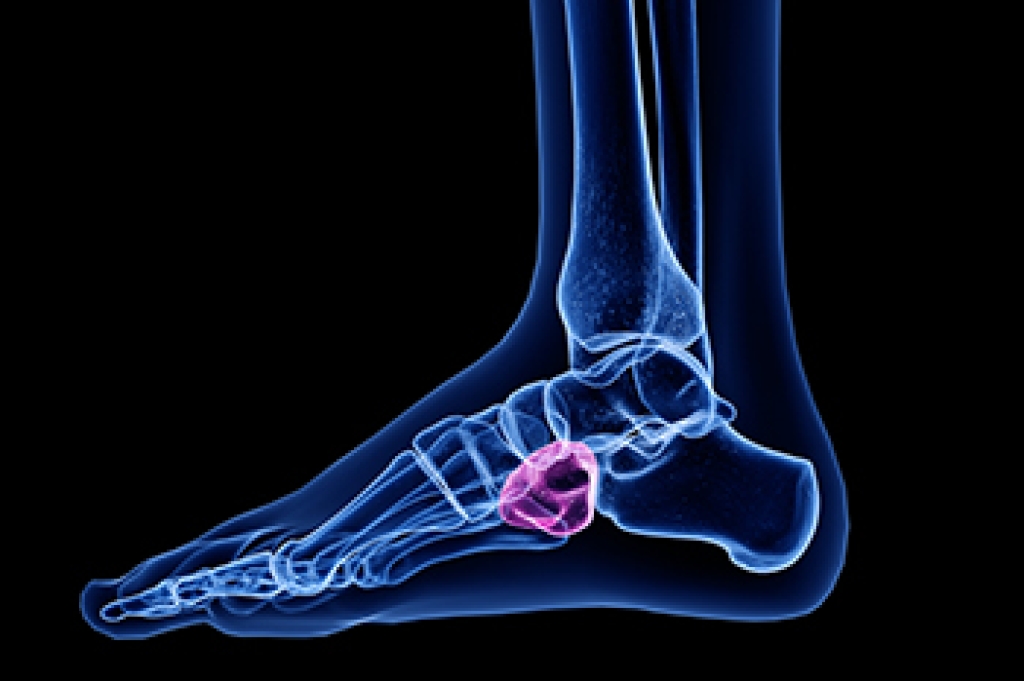
Cuboid syndrome occurs when the cuboid bone—located on the outer side of the foot, between the heel and the pinky toe—shifts out of its normal position. This typically occurs abruptly, sometimes along with an ankle sprain, or by landing on a hard surface. Sometimes wearing high heels or shoes that do not fit correctly or failing to stretch the feet properly before physical activity can cause cuboid syndrome, as well as certain conditions such as having flat feet or tendon problems. Cuboid syndrome can cause pain, tenderness, swelling, and weakness on the outside of the middle of the foot and may even prevent normal movement of the foot. If you are experiencing these types of symptoms, see a podiatrist for an examination and diagnosis. If you do have cuboid syndrome, your podiatrist can treat it through physical therapy, taping, bracing, or in some cases—after swelling and pain have lessened—a maneuver called the cuboid whip to help guide your cuboid bone back into position.

Cuboid syndrome, also known as cuboid subluxation, occurs when the joints and ligaments near the cuboid bone in the foot become torn. If you have cuboid syndrome, consult with Howard Kimmel, DPM from Buckeye Foot Care. Our doctor will assess your condition and provide you with quality foot and ankle treatment.

Cuboid syndrome is a common cause of lateral foot pain, which is pain on the outside of the foot. The condition may happen suddenly due to an ankle sprain, or it may develop slowly overtime from repetitive tension through the bone and surrounding structures.

Causes

The most common causes of cuboid syndrome include:

  • Injury – The most common cause of this ailment is an ankle sprain.
  • Repetitive Strain – Tension placed through the peroneus longus muscle from repetitive activities such as jumping and running may cause excessive traction on the bone causing it to sublux.
  • Altered Foot Biomechanics – Most people suffering from cuboid subluxation have flat feet.

Symptoms

A common symptom of cuboid syndrome is pain along the outside of the foot which can be felt in the ankle and toes. This pain may create walking difficulties and may cause those with the condition to walk with a limp.

Diagnosis

Diagnosis of cuboid syndrome is often difficult, and it is often misdiagnosed. X-rays, MRIs and CT scans often fail to properly show the cuboid subluxation. Although there isn’t a specific test used to diagnose cuboid syndrome, your podiatrist will usually check if pain is felt while pressing firmly on the cuboid bone of your foot.

Treatment

Just as the range of causes varies widely, so do treatments. Some more common treatments are ice therapy, rest, exercise, taping, and orthotics.

If you have any questions, please feel free to contact one of our offices located in Brook Park and Willoughby Hills, OH . We offer the newest diagnostic and treatment technologies for all your foot care needs.

Read more about Cuboid Syndrome

Dealing With Blisters on the Feet

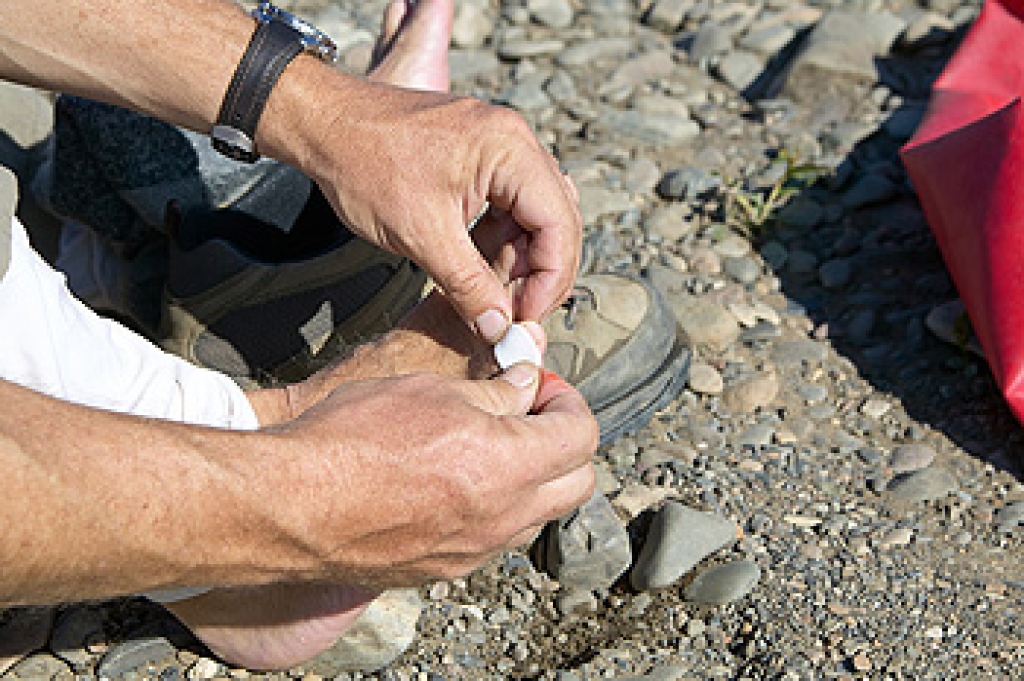
A blister is a sac of fluid that develops in the upper layer of your skin when a body part, typically a toe, rubs against a hard surface like the side or top of a shoe. This is the body’s way of protecting the toe from injury. While most blisters are clear, if one becomes infected it may fill with blood or a yellowish-green pus. Generally, a blister will heal itself in a few days, especially if the activity that caused it is stopped. For instance, if you are walking for long periods in hard leather shoes, and a blister develops, it’s a good idea to change to a more open type of shoe. It's never wise to pop a blister, as that can leave you open to serious infection. If it bursts on its own, avoid removing the dead skin, but gently wrap the area in sterile gauze until it heals. Any time a blister becomes extremely painful or appears to be infected, it is important to consult a podiatrist as soon as possible for appropriate treatment options.

Blisters are prone to making everyday activities extremely uncomfortable. If your feet are hurting, contact Howard Kimmel, DPM of Buckeye Foot Care. Our doctor can provide the care you need to keep you pain-free and on your feet.

Foot Blisters

Foot blisters develop as a result of constantly wearing tight or ill-fitting footwear. This happens due to the constant rubbing from the shoe, which can often lead to pain.

What Are Foot Blisters?

A foot blister is a small fluid-filled pocket that forms on the upper-most layer of the skin. Blisters are filled with clear fluid and can lead to blood drainage or pus if the area becomes infected.

How Do Blisters Form?

Blisters on the feet are often the result of constant friction of skin and material, usually by shoe rubbing. Walking in sandals, boots, or shoes that don’t fit properly for long periods of time can result in a blister. Having consistent foot moisture and humidity can easily lead to blister formation.

Prevention & Treatment

It is important to properly care for the affected area in order to prevent infection and ease the pain. Do not lance the blister and use a Band-Aid to provide pain relief. Also, be sure to keep your feet dry and wear proper fitting shoes. If you see blood or pus in a blister, seek assistance from a podiatrist.

If you have any questions, please feel free to contact one of our offices located in Brook Park and Willoughby Hills, OH . We offer the newest diagnostic and treatment technologies for all your foot care needs.

Read more about Blisters on the Feet

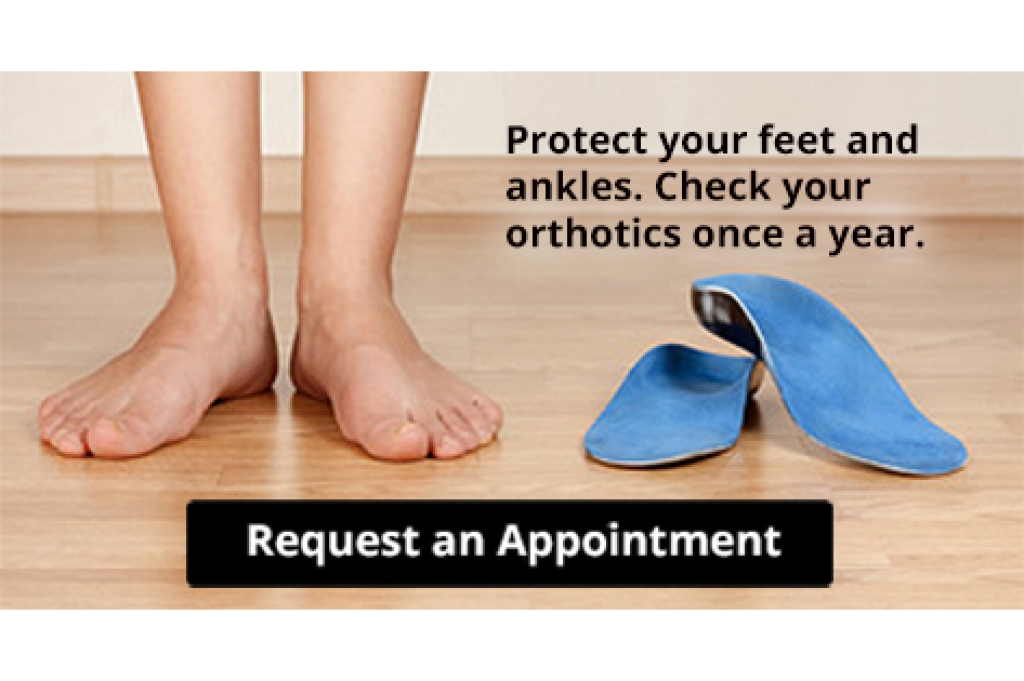
Reminder: When Was the Last Time...?

Custom orthotics, or shoe inserts, should be periodically replaced. Orthotics must fit properly to give you the best results. Protect your feet and ankles!

Why Falls Are a Problem for Older Adults

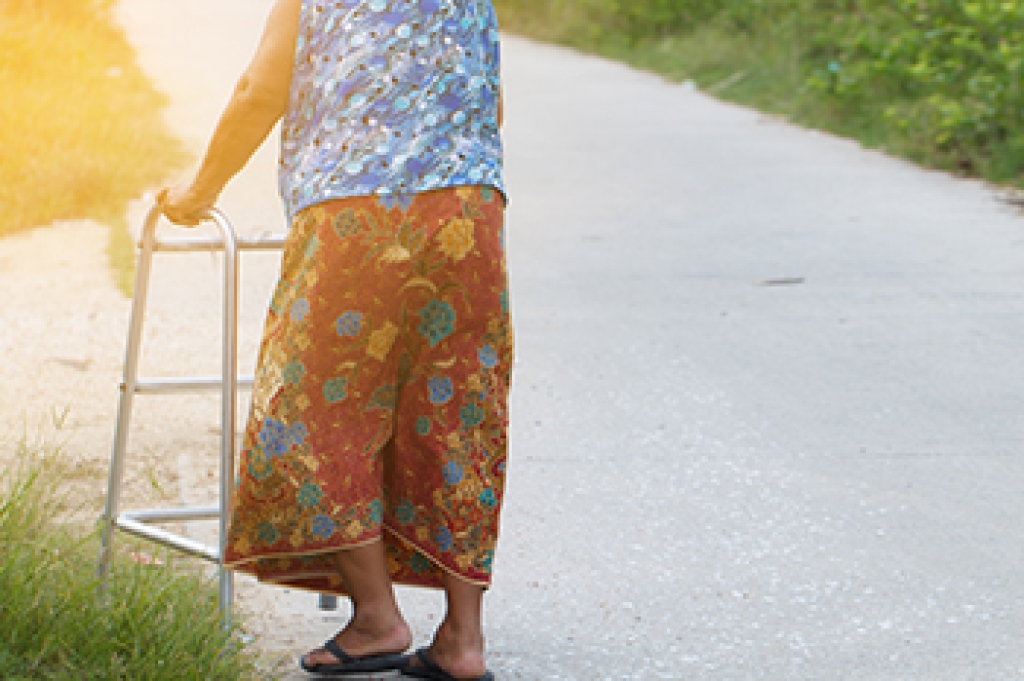
As we age, several factors combine to make the threat of a fall more prevalent. Balance problems, weaker muscles and poorer eyesight may all contribute to the likelihood of a fall. Most falls happen in the home, and can be caused by inadequate lighting, unsafe footwear, slippery floors, loose rugs and electrical cords, and uneven surfaces. Certain physical conditions, such as low blood pressure, incontinence, and diabetes also may increase the chances of a fall. Many of these issues can be controlled with a few simple lifestyle changes. However, if an elderly person falls more and more often, certain complications may ensue. Among them are hip and thigh fractures, head injuries, wrist fractures, and even a tendency to become more sedentary, which further weakens the muscles. If falling has become a problem for you, it’s a good idea to make an appointment with a podiatrist who can help you find ways to prevent injury and reduce any greater risk to your health.

Preventing falls among the elderly is very important. If you are older and have fallen or fear that you are prone to falling, consult with Howard Kimmel, DPM from Buckeye Foot Care. Our doctor will assess your condition and provide you with quality advice and care.

Every 11 seconds, an elderly American is being treated in an emergency room for a fall related injury. Falls are the leading cause of head and hip injuries for those 65 and older. Due to decreases in strength, balance, senses, and lack of awareness, elderly persons are very susceptible to falling. Thankfully, there are a number of things older persons can do to prevent falls.

How to Prevent Falls

Some effective methods that older persons can do to prevent falls include:

  • Enrolling in strength and balance exercise program to increase balance and strength
  • Periodically having your sight and hearing checked
  • Discuss any medications you have with a doctor to see if it increases the risk of falling
  • Clearing the house of falling hazards and installing devices like grab bars and railings
  • Utilizing a walker or cane
  • Wearing shoes that provide good support and cushioning
  • Talking to family members about falling and increasing awareness

Falling can be a traumatic and embarrassing experience for elderly persons; this can make them less willing to leave the house, and less willing to talk to someone about their fears of falling. Doing such things, however, will increase the likelihood of tripping or losing one’s balance. Knowing the causes of falling and how to prevent them is the best way to mitigate the risk of serious injury.  

If you have any questions, please feel free to contact one of our offices located in Brook Park and Willoughby Hills, OH . We offer the newest diagnostic and treatment technologies for all your foot care needs.

Read more about Falls Prevention

Connect With Us

scroll to top