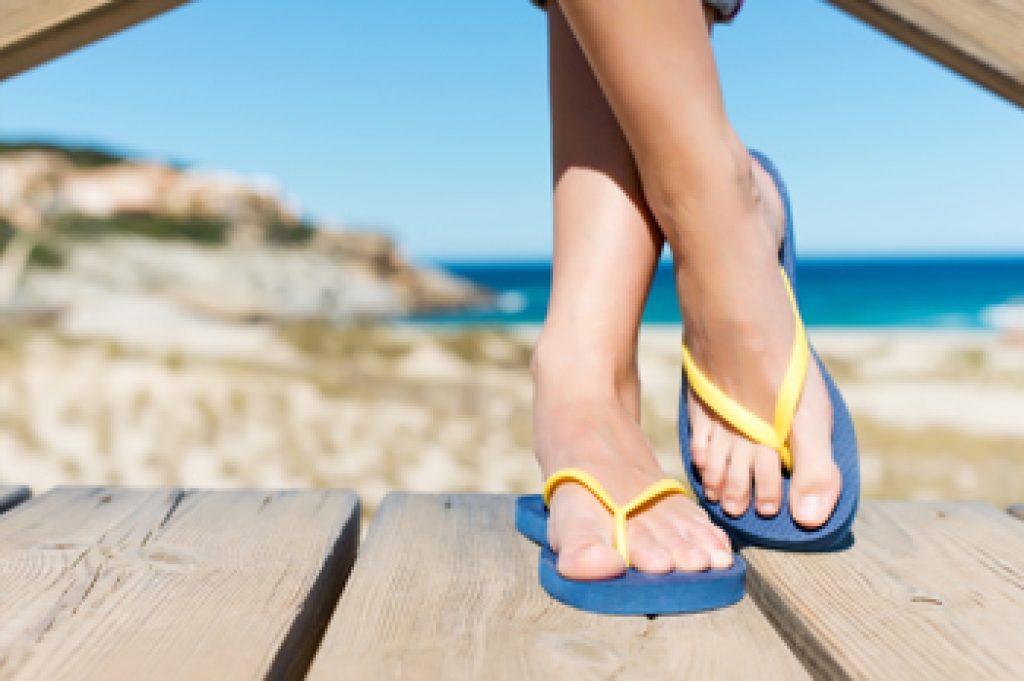
How Flip-Flops Affect Foot Health

Flip-flops are a popular choice during warm weather, but wearing them for long periods may affect foot comfort and movement. Unlike supportive shoes, many flip-flops have thin, flexible soles with little cushioning or arch support. They also lack straps around the heel to hold the foot securely in place. As a result, people may change the way they walk to keep the footwear from slipping off. The toes grip the sole with each step, while the stride can become shorter. These changes may place additional stress on the muscles and other structures of the feet, especially when flip-flops are worn for extended periods.


The effects of flip-flops can depend on the design of the footwear and how they are used. Thin soles may provide limited protection from hard or uneven surfaces. Lack of support may also be uncomfortable for people who already have certain foot problems. However, not every pair of flip-flops affects the feet in the same way. Some designs have thicker soles and greater arch support, which may provide more stability than basic styles. Flip-flops can be practical for short periods, but they are generally not designed for long walks or activities that require greater foot support. Persistent foot pain after wearing them may indicate an underlying problem that needs evaluation.


A podiatrist can examine the feet and determine whether footwear may be contributing to the problem. An evaluation can include assessing the arches, walking pattern, and areas of discomfort. A podiatrist can also identify foot conditions that may require more supportive footwear and provide professional guidance based on the individual’s foot structure. Choosing footwear that fits properly and supports normal movement is an important part of maintaining foot health. If wearing flip-flops is contributing to ongoing foot pain or making walking uncomfortable, it is suggested that you consult a podiatrist for an evaluation and appropriate treatment options.

Flip-flops can cause a lot of problems for your feet. If you have any concerns about your feet or ankles, contact Howard Kimmel, DPM from Buckeye Foot Care. Our doctor will assist you with all of your foot and ankle needs.

Flip-Flops and Feet

Flip-flops have managed to become a summer essential for a lot of people. While the shoes may be stylish and easy to slip on and off, they can be dangerous to those who wear them too often. These shoes might protect you from fungal infections such as athlete’s foot, but they can also give you foot pain and sprained ankles if you trip while wearing them.

When Are They Okay to Wear?

Flip-flops should only be worn for very short periods of time. They can help protect your feet in places that are crawling with fungi, such as gym locker rooms. Athlete’s foot and plantar warts are two common fungi that flip-flops may help protect your feet against.

Why Are They Bad for My Feet?

These shoes do not offer any arch support, so they are not ideal for everyday use. They also do not provide shock absorption or heel cushioning which can be problematic for your feet. Additionally, you may suffer from glass cuts, puncture wounds, and stubbed toes since they offer little protection for your feet.

More Reasons Why They Are Bad for Your Feet

  • They Slow You Down
  • May Cause Blisters and Calluses
  • Expose Your Feet to Bacteria

If you have any questions, please feel free to contact one of our offices located in Brook Park and Willoughby Hills, OH . We offer the newest diagnostic and treatment technologies for all your foot care needs.


Read more about Flip Flops and Your Feet

Is Foot Pain From Cycling Preventable?

Foot pain while cycling is common, but persistent discomfort should not be ignored. Cycling places repeated pressure on the feet, especially during long rides. Common symptoms include burning, aching, or tenderness, and pain may develop in the toes, ball of the foot, or heel. Common causes include wearing poorly fitting cycling shoes, excessive pressure, and foot alignment problems. A podiatrist can identify the source and recommend appropriate care.

Cyclists can experience a number of foot problems. Blisters often develop from friction, moisture, or shoes that fit too tightly. They may cause tenderness, redness, and a fluid-filled area. Hot foot, also called burning feet, can cause burning, tingling, or numbness in the forefoot. It may occur when cycling shoes compress nerves or restrict normal foot expansion. Arch or heel discomfort can also develop when footwear lacks support. Risk factors include longer rides, improper shoe size, and increased cycling intensity.

The right cycling shoes can improve comfort. Shoes should provide enough room for the toes without allowing excessive movement. Cycling socks can also improve comfort. Moisture-wicking socks help reduce dampness and friction, while padded socks can provide additional cushioning. Avoid socks that are excessively thick if they make your cycling shoes feel tight. If symptoms continue, a podiatrist may examine your feet, assess your footwear, and evaluate alignment. Treatment may include blister care, shoe recommendations, or orthotics, when appropriate.

Reduce foot pain by adjusting riding habits and noticing early symptoms. Give irritated areas time to recover instead of pushing through worsening pain. A podiatrist can help determine whether your symptoms are caused by footwear, pressure, or another foot condition. Early care can help prevent problems from disrupting rides. If you have foot pain from cycling, it is suggested that you consult a podiatrist for an accurate diagnosis and appropriate treatment.

Sports related foot and ankle injuries require proper treatment before players can go back to their regular routines. For more information, contact Howard Kimmel, DPM of Buckeye Foot Care. Our doctor can provide the care you need to keep you pain-free and on your feet.

Sports Related Foot and Ankle Injuries

Foot and ankle injuries are a common occurrence when it comes to athletes of any sport. While many athletes dismiss the initial aches and pains, the truth is that ignoring potential foot and ankle injuries can lead to serious problems. As athletes continue to place pressure and strain the area further, a mild injury can turn into something as serious as a rupture and may lead to a permanent disability. There are many factors that contribute to sports related foot and ankle injuries, which include failure to warm up properly, not providing support or wearing bad footwear. Common injuries and conditions athletes face, including:

  • Plantar Fasciitis
  • Achilles Tendinitis
  • Achilles Tendon Rupture
  • Ankle Sprains

Sports related injuries are commonly treated using the RICE method. This includes rest, applying ice to the injured area, compression and elevating the ankle. More serious sprains and injuries may require surgery, which could include arthroscopic and reconstructive surgery. Rehabilitation and therapy may also be required in order to get any recovering athlete to become fully functional again. Any unusual aches and pains an athlete sustains must be evaluated by a licensed, reputable medical professional.

If you have any questions please contact one of our offices located in Brook Park and Willoughby Hills, OH . We offer the newest diagnostic and treatment technologies for all your foot and ankle needs.

Read more about Sports Related Foot and Ankle Injuries

Podiatric Care for Ankle Pain and Limited Mobility

Ankle pain can make standing, walking, and running uncomfortable because the ankle supports the body’s weight during movement. Pain can result from an injury or a condition affecting the joint. Sprains and strains can damage the soft tissues that support the ankle. A fracture can cause intense pain, swelling, and difficulty putting weight on the foot. Arthritis can also contribute to ankle pain. Osteoarthritis develops when joint cartilage breaks down, while gout causes painful crystals to collect in a joint. Previous ankle injuries can increase the risk of arthritis later.

Pain at the back of the ankle or heel can involve the Achilles tendon, which connects the calf muscle to the heel bone. Achilles tendinitis can develop after overuse or intense strain. Symptoms include stiffness, tenderness, and pain behind the ankle or in the calf. A torn Achilles tendon can cause swelling near the heel and make it difficult to bear weight on the toes. Heel bursitis is another possible source of discomfort. It affects a small, fluid-filled cushion near the back of the heel that helps reduce friction around the joint.

A podiatrist can evaluate ankle pain by examining joint movement, muscle function, and areas of tenderness. The evaluation can also consider how the foot, knee, and lower leg affect ankle mechanics. Podiatric care can focus on restoring comfortable joint movement and addressing mechanical strain. Treatment can include gentle joint mobilization, guided stretching, and strengthening exercises based on the examination findings. A podiatrist can also assess walking patterns that place added stress on the ankle. Severe pain or an inability to bear weight deserves prompt evaluation because a serious injury could be present. If you have ankle pain, it is suggested that you schedule an appointment with a podiatrist for a diagnosis and appropriate treatment.

Ankle pain can have many different causes and the pain may potentially be serious. If you have ankle pain, consult with Howard Kimmel, DPM from Buckeye Foot Care. Our doctor will assess your condition and provide you with quality foot and ankle treatment.

Ankle pain is any condition that causes pain in the ankle. Due to the fact that the ankle consists of tendons, muscles, bones, and ligaments, ankle pain can come from a number of different conditions.

Causes

The most common causes of ankle pain include:

  • Types of arthritis (rheumatoid, osteoarthritis, and gout)
  • Ankle sprains
  • Broken ankles
  • Achilles tendinitis
  • Achilles tendon rupture
  • Stress fractures
  • Tarsal tunnel syndrome
  • Plantar fasciitis

Symptoms

Symptoms of ankle injury vary based upon the condition. Pain may include general pain and discomfort, swelling, aching, redness, bruising, burning or stabbing sensations, and/or loss of sensation.

Diagnosis

Due to the wide variety of potential causes of ankle pain, podiatrists will utilize a number of different methods to properly diagnose ankle pain. This can include asking for personal and family medical histories and of any recent injuries. Further diagnosis may include sensation tests, a physical examination, and potentially x-rays or other imaging tests.

Treatment

Just as the range of causes varies widely, so do treatments. Some more common treatments are rest, ice packs, keeping pressure off the foot, orthotics and braces, medication for inflammation and pain, and surgery.

If you have any questions please feel free to contact one of our offices located in Brook Park and Willoughby Hills, OH . We offer the newest diagnostic tools and technology to treat your foot and ankle needs.

Read more about Ankle Pain

Connect With Us

scroll to top