Metatarsal Stress Fractures

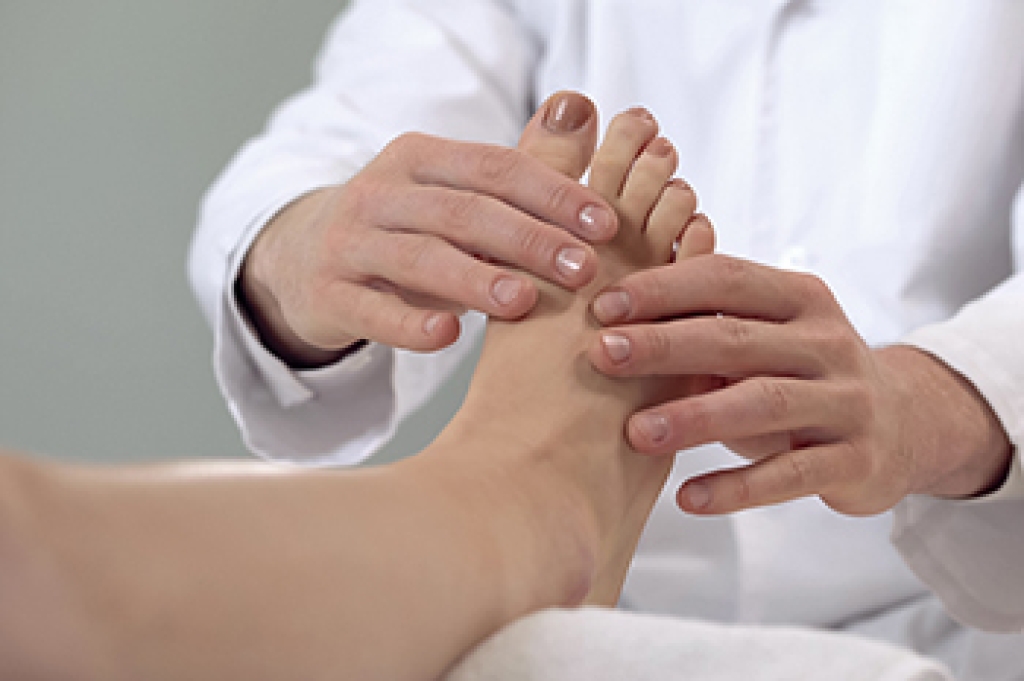
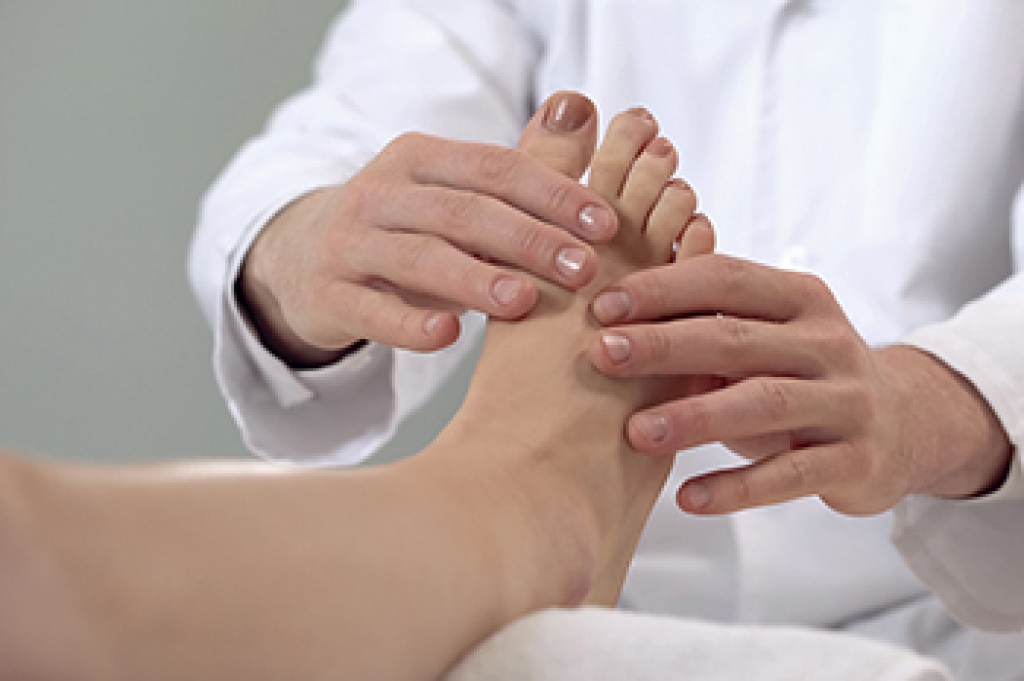
The foot is made up of tiny bones, called metatarsals. A metatarsal stress fracture is an acute fracture of one of these little bones. This usually occurs from overuse or poor foot mechanics. When bodies break down, they generally break down at the weakest point. In sports, stress fractures are caused by repetitive force over a long period of time. Metatarsal fractures can happen from wearing the wrong shoes, training on hard pavement and poor nutrition. These factors puts one at higher risk for developing stress fractures. Symptoms of metatarsal stress fractures are dull, underlying pain, that can be intermittent. One should not ignore pain of any sort. In fact, catching and treating pain early can help metatarsal stress fractures heal quicker than if ignored. If you feel you have sustained a stress fracture or have any other pain in your feet, it is suggested that you consult with a podiatrist who can diagnose the problem and get you back to full functioning as soon as possible.

Activities where too much pressure is put on the feet can cause stress fractures. To learn more, contact Howard Kimmel, DPM from Buckeye Foot Care. Our doctor can provide the care you need to keep your pain free and on your feet.

Dealing with Stress Fractures of the Foot and Ankle

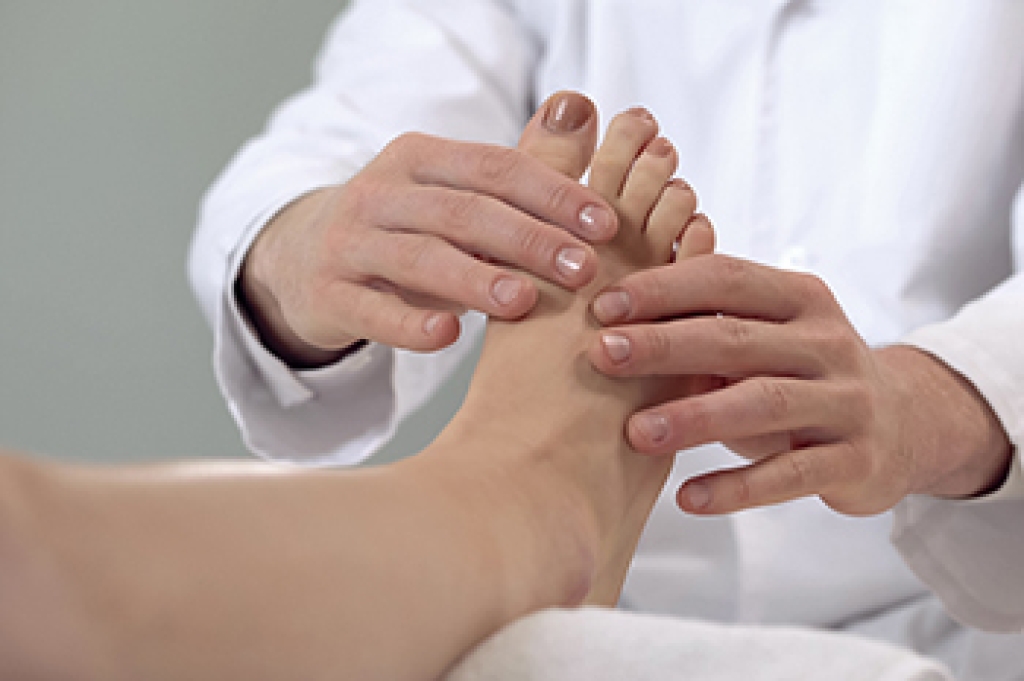
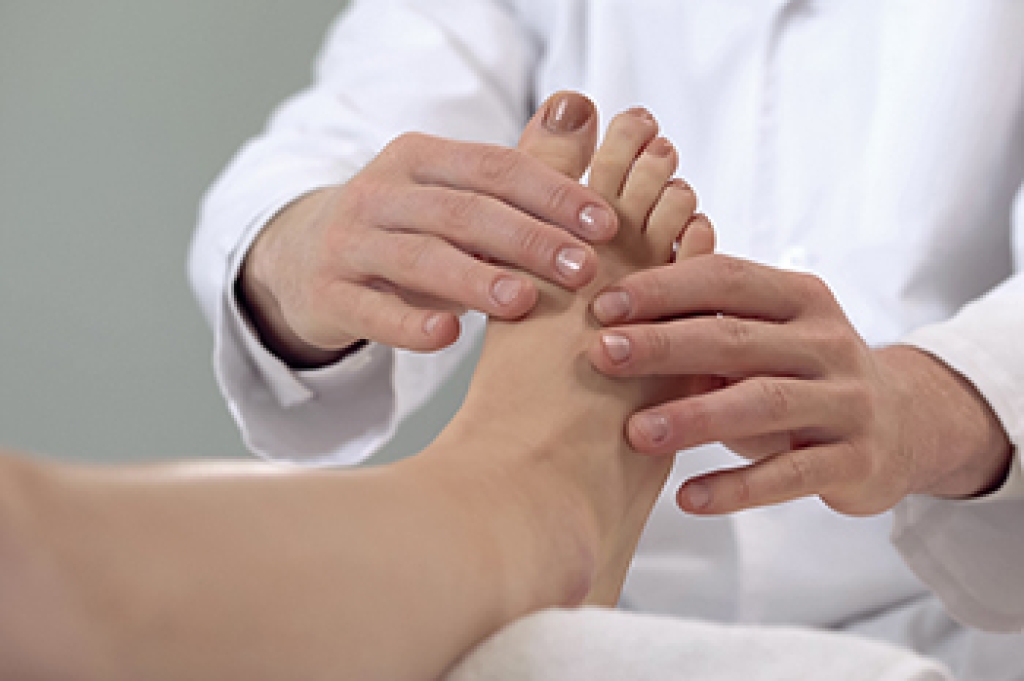
Stress fractures occur in the foot and ankle when muscles in these areas weaken from too much or too little use.  The feet and ankles then lose support when walking or running from the impact of the ground. Since there is no protection, the bones receive the full impact of each step. Stress on the feet can cause cracks to form in the bones, thus creating stress fractures.

What Are Stress Fractures?

Stress fractures occur frequently in individuals whose daily activities cause great impact on the feet and ankles. Stress factors are most common among:

  • Runners                                
  • People affected with Osteoporosis
  • Tennis or basketball players
  • Gymnasts
  • High impact workouts

Symptoms

Pain from the fractures occur in the area of the fractures and can be constant or intermittent. It will often cause sharp or dull pain with swelling and tenderness. Engaging in any kind of activity which involves high impact will aggravate pain.

If you have any questions please contact one of our offices located in Brook Park and Willoughby Hills, OH . We offer the newest diagnostic and treatment technologies for all your foot and ankle needs.
Read more about Stress Fractures of the Foot and Ankle

Why People May Hide Their Feet

Many people often neglect the care of their feet during the winter months. This may lead to reluctance in purchasing summer shoes, and having exposed feet at the beach or at the pool. There are simple everyday foot care practices that can alleviate the need to hide the feet. These include washing and drying the feet daily, followed by using a good moisturizer. Additionally, it is beneficial to properly have the nails trimmed regularly by cutting them at an angle. This may help to reduce the risk of developing an ingrown toenail. The feet will generally feel good when the correct size shoes are worn, which is determined by properly measuring the feet. It is suggested to keep the feet as dry as possible, which may help to prevent a fungal infection from starting. If you would like more information about the importance of and how to practice an effective foot care routine, it is suggested that you consult with a podiatrist who can answer any questions you may have.

Everyday foot care is very important to prevent infection and other foot ailments. If you need your feet checked, contact Howard Kimmel, DPM from Buckeye Foot Care. Our doctor can provide the care you need to keep you pain-free and on your feet.

Everyday Foot Care

Often, people take care of their bodies, face and hair more so than they do for their feet. But the feet are a very important aspect of our bodies, and one that we should pay more attention to. Without our feet, we would not be able to perform most daily tasks.

It is best to check your feet regularly to make sure there are no new bruises or cuts that you may not have noticed before. For dry feet, moisturizer can easily be a remedy and can be applied as often as necessary to the affected areas. Wearing shoes that fit well can also help you maintain good foot health, as well as making it easier to walk and do daily activities without the stress or pain of ill-fitting shoes, high heels, or even flip flops. Wearing clean socks with closed shoes is important to ensure that sweat and bacteria do not accumulate within the shoe. Clean socks help to prevent Athlete’s foot, fungi problems, bad odors, and can absorb sweat.

If you have any questions, please feel free to contact one of our offices located in Brook Park and Willoughby Hills, OH . We offer the newest diagnostic and treatment technologies for all your foot care needs.

Read more about Every Day Foot Care

Psoriatic Arthritis and Foot Conditions

Many individuals that suffer from psoriatic arthritis can develop three different kinds of common foot afflictions. Sometimes, before a diagnosis of psoriatic arthritis, an individual might even notice the onset of one of the following conditions. First, those with psoriatic arthritis can develop plantar fasciitis. This affliction occurs when the long band of tissue that runs along the arch of your foot (the plantar fascia) becomes strained and inflamed. This affliction is a common source of heel pain, particularly first thing in the morning. Second, those with psoriatic arthritis commonly develop Achilles tendonitis, which occurs when the tendon that runs between the heel and the calf muscle becomes inflamed. Heel pain is a typical symptom of this condition. Third, individuals living with psoriatic arthritis can commonly develop dactylitis, which can occur when a person’s toes become significantly and severely swollen. If you are living with psoriatic arthritis, take extra care of your feet. Leaving foot conditions like these unaddressed can create long term damage. Ensure that you are properly managing your psoriatic arthritis, and speak to a podiatrist. This foot specialist will be able to meet with you to assist you in maintaining the health of your feet.

Arthritis can be a difficult condition to live with. If you are seeking treatment, contact Howard Kimmel, DPM from Buckeye Foot Care. Our doctor can provide the care you need to keep you pain-free and on your feet.

Arthritic Foot Care  

Arthritis is a joint disorder that involves the inflammation of different joints in your body, such as those in your feet. Arthritis is often caused by a degenerative joint disease and causes mild to severe pain in all affected areas. In addition to this, swelling and stiffness in the affected joints can also be a common symptom of arthritis.

In many cases, wearing ill-fitting shoes can worsen the effects and pain of arthritis. Wearing shoes that have a lower heel and extra room can help your feet feel more comfortable. In cases of rheumatoid arthritis, the arch in your foot may become problematic. Buying shoes with proper arch support that contour to your feet can help immensely.

Alleviating Arthritic Pain

  • Exercises that stretch the foot can prevent further pain and injury and increase mobility
  • Most of the pain can be alleviated with anti-inflammatory drugs, heat, and topical medications
  • Massages can help temporarily alleviate pain.

It is best to see your doctor for the treatment that is right for your needs and symptoms. Conditions vary, and a podiatrist can help you determine the right method of care for your feet.

If you have any questions please feel free to contact one of our offices located in Brook Park and Willoughby Hills, OH . We offer the newest diagnostic tools and technology to treat your foot and ankle needs.

Read more about How to Care for Your Arthritic Foot

Are You Suffering From Ingrown Toenails?

If left untreated, an ingrown toenail can lead to more serious concerns, such as an infection. Knowing proper nail care can help in the prevention of an ingrown toenail. Give us a call, and get treated!

Facts About Charcot-Marie-Tooth Disease

A neurological disorder that causes weakness and loss of feeling in the feet, Charcot-Marie-Tooth disease, is named after the three doctors who first identified the condition in 1886. It is an inherited disease for which there is no cure and is believed to affect one in every 2,500 people. Symptoms include weakness and lack of sensation in the feet that can progress into a deformity in the arch of the foot. It also may cause curled toes, pain, cramps, and difficulty walking. Charcot-Marie-Tooth disease also can spread to other areas of the body including the legs, hands, and arms. Treatment options include therapy, orthotics, surgery, and medication. Sometimes ankle braces and foot orthotics are prescribed as well as strengthening and stretching exercises. If you have symptoms of Charcot-Marie-Tooth disease it is suggested that you consult with a podiatrist for an exam, diagnosis, and treatment plan best suited for you. 

Neuropathy

Neuropathy can be a potentially serious condition, especially if it is left undiagnosed. If you have any concerns that you may be experiencing nerve loss in your feet, consult with Howard Kimmel, DPM from Buckeye Foot Care. Our doctor will assess your condition and provide you with quality foot and ankle treatment for neuropathy.

What Is Neuropathy?

Neuropathy is a condition that leads to damage to the nerves in the body. Peripheral neuropathy, or neuropathy that affects your peripheral nervous system, usually occurs in the feet. Neuropathy can be triggered by a number of different causes. Such causes include diabetes, infections, cancers, disorders, and toxic substances.

Symptoms of Neuropathy Include:

  • Numbness
  • Sensation loss
  • Prickling and tingling sensations
  • Throbbing, freezing, burning pains
  • Muscle weakness

Those with diabetes are at serious risk due to being unable to feel an ulcer on their feet. Diabetics usually also suffer from poor blood circulation. This can lead to the wound not healing, infections occurring, and the limb may have to be amputated.

Treatment

To treat neuropathy in the foot, podiatrists will first diagnose the cause of the neuropathy. Figuring out the underlying cause of the neuropathy will allow the podiatrist to prescribe the best treatment, whether it be caused by diabetes, toxic substance exposure, infection, etc. If the nerve has not died, then it’s possible that sensation may be able to return to the foot.

Pain medication may be issued for pain. Electrical nerve stimulation can be used to stimulate nerves. If the neuropathy is caused from pressure on the nerves, then surgery may be necessary.

If you have any questions, please feel free to contact one of our offices located in Brook Park and Willoughby Hills, OH . We offer the newest diagnostic and treatment technologies for all your foot care needs.

Read more about Neuropathy

Connect With Us

scroll to top