Why Does the Bottom of My Foot Hurt?

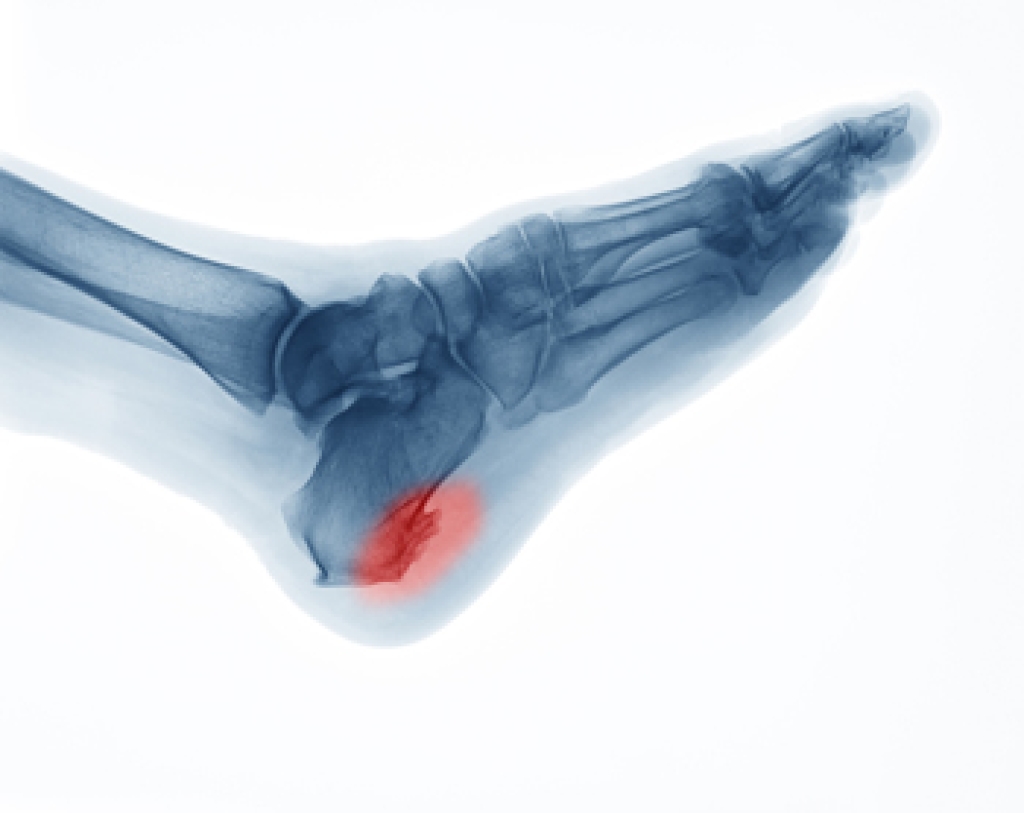
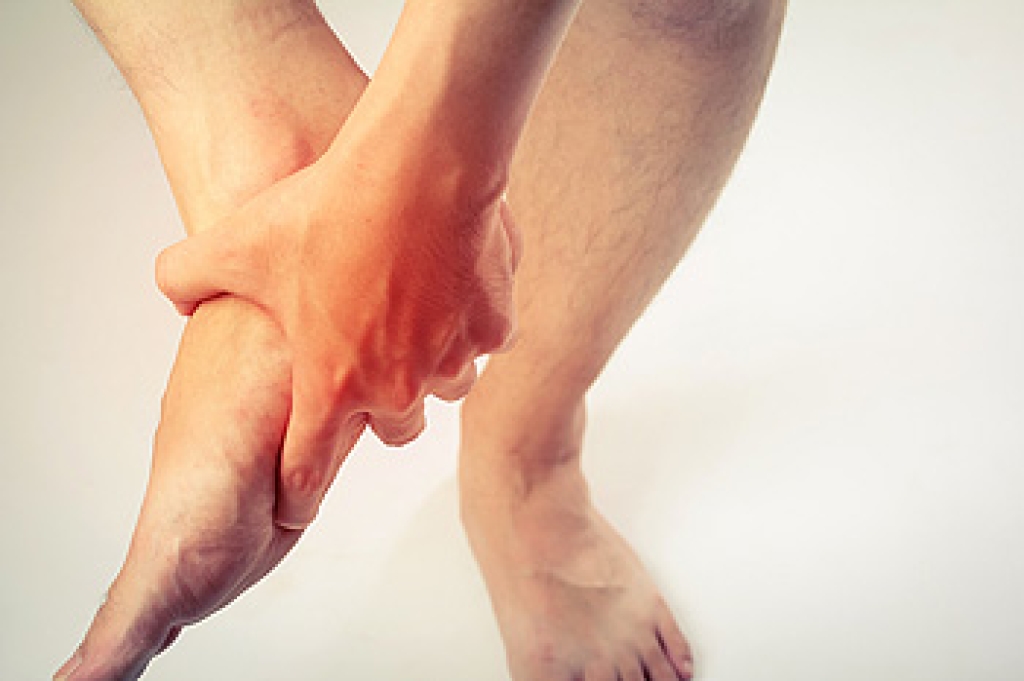
Pain in the bottom of the foot can have a variety of causes. Wearing ill-fitting shoes or putting excessive strain on the foot may be responsible for your foot pain. If you feel pain in the bottom of your foot immediately after exercising or see swelling and bruising, you may have sprained your foot. Sharp burning or shooting pains in the foot and the sensation that you are walking on a pebble may be indicative of Morton’s neuroma. A sharp pain between your arch and heel or a stabbing pain in the heel are characteristic of plantar fasciitis. You may also have foot pain if you have flat feet or fallen arches. To determine the cause of your foot pain, and to find relief, please seek the care of a podiatrist. 

Foot Pain

Foot pain can be extremely painful and debilitating. If you have a foot pain, consult with Howard Kimmel, DPM from Buckeye Foot Care. Our doctor will assess your condition and provide you with quality foot and ankle treatment.

Causes

Foot pain is a very broad condition that could be caused by one or more ailments. The most common include:

  • Bunions
  • Hammertoes
  • Plantar Fasciitis
  • Bone Spurs
  • Corns
  • Tarsal Tunnel Syndrome
  • Ingrown Toenails
  • Arthritis (such as Gout, Rheumatoid, and Osteoarthritis)
  • Flat Feet
  • Injury (from stress fractures, broken toe, foot, ankle, Achilles tendon ruptures, and sprains)
  • And more

Diagnosis

To figure out the cause of foot pain, podiatrists utilize several different methods. This can range from simple visual inspections and sensation tests to X-rays and MRI scans. Prior medical history, family medical history, and any recent physical traumatic events will all be taken into consideration for a proper diagnosis.

Treatment

Treatment depends upon the cause of the foot pain. Whether it is resting, staying off the foot, or having surgery; podiatrists have a number of treatment options available for foot pain.

If you have any questions, please feel free to contact one of our offices located in Brook Park and Willoughby Hills, OH . We offer the newest diagnostic and treatment technologies for all your foot care needs.
Read more about Foot Pain

When to Visit the Doctor for Flat Feet

Flat feet, also known as “fallen arches,” describe the feet pressing flat against the ground. To check to see if you have flat feet, check the inner sides of the feet while standing. If part of the foot is raised into an arch, then you don’t have flat feet.  It is also important to know that most children under the age of 6 have flat feet and will develop an arch as they grow. While flat feet aren’t usually a big problem, there are some scenarios where consulting with a podiatrist can be beneficial. A podiatrist should check flat feet if they have become painful, stiff or numb, if the feet and ankles are frequently injured, if there are issues with balance and walking, if only one foot is flat, or if your feet have become flat in adulthood. A podiatrist can offer help finding the right footwear, exercises, and medications to treat your foot pain, and can determine if surgery may be needed.

Flatfoot is a condition many people suffer from. If you have flat feet, contact Howard Kimmel, DPM from Buckeye Foot Care. Our doctor will treat your foot and ankle needs.

What Are Flat Feet?

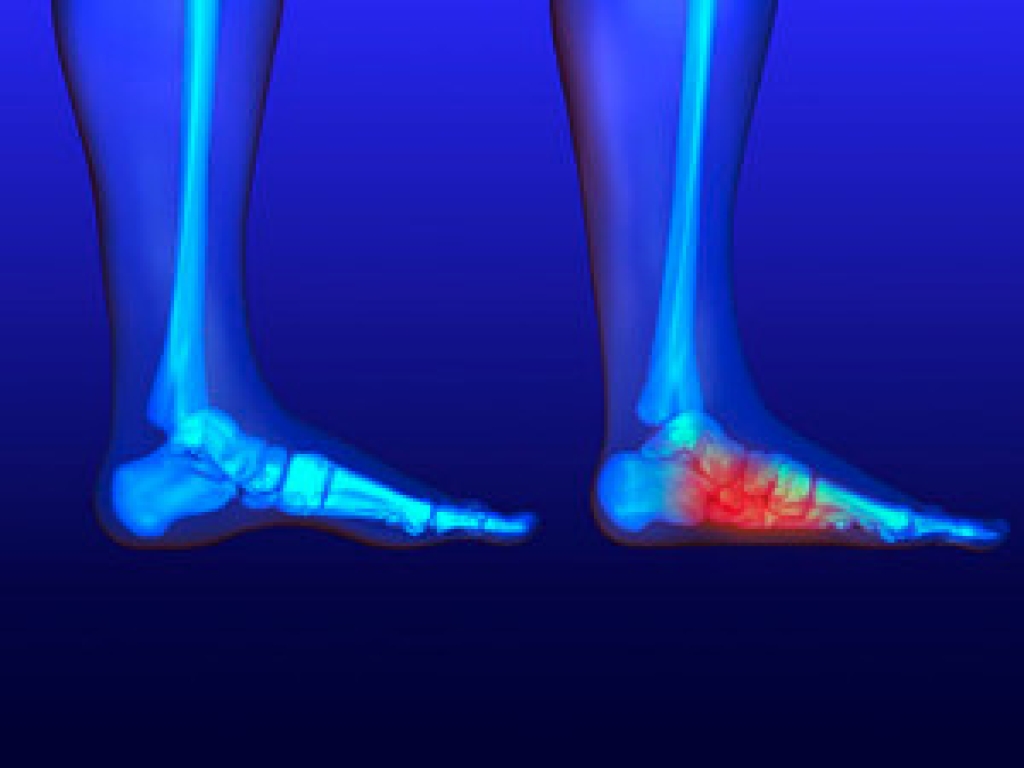
Flatfoot is a condition in which the arch of the foot is depressed and the sole of the foot is almost completely in contact with the ground. About 20-30% of the population generally has flat feet because their arches never formed during growth.

Conditions & Problems:

Having flat feet makes it difficult to run or walk because of the stress placed on the ankles.

Alignment – The general alignment of your legs can be disrupted, because the ankles move inward which can cause major discomfort.

Knees – If you have complications with your knees, flat feet can be a contributor to arthritis in that area.  

Symptoms

  • Pain around the heel or arch area
  • Trouble standing on the tip toe
  • Swelling around the inside of the ankle
  • Flat look to one or both feet
  • Having your shoes feel uneven when worn

Treatment

If you are experiencing pain and stress on the foot you may weaken the posterior tibial tendon, which runs around the inside of the ankle. 

If you have any questions, please feel free to contact one of our offices located in Brook Park and Willoughby Hills, OH . We offer the newest diagnostic and treatment technologies for all your foot care needs.

Read more about Flat Feet

It's Time for Beautiful Feet

You don't need an excuse to have beautiful nails. Step outside without worrying about the appearance of your feet.

Conditions Associated with Heel Spurs

Painful conditions such as plantar fasciitis and Achilles tendonitis occur when connective tissue repeatedly pulls on the calcaneus (heel) bone. Because of the stress these conditions place on ligaments and muscles around the heel bone, hard calcium deposits may develop over time on the bottom or back of the calcaneus. Pain from a heel spur may be hard to differentiate from the associated plantar fasciitis or Achilles tendonitis. People with flat feet, high arches, gait issues, or who spend a lot of time on their feet, or are obese, can be more prone to developing heel spurs. Also, middle-aged people who participate in athletic activities that put a good amount of stress on the feet may have an increased risk. If you are experiencing any pain on the bottom or back of your heel, contact a podiatrist for a full examination.

Heel spurs can be incredibly painful and sometimes may make you unable to participate in physical activities. To get medical care for your heel spurs, contact Howard Kimmel, DPM from Buckeye Foot Care. Our doctor will do everything possible to treat your condition.

Heels Spurs

Heel spurs are formed by calcium deposits on the back of the foot where the heel is. This can also be caused by small fragments of bone breaking off one section of the foot, attaching onto the back of the foot. Heel spurs can also be bone growth on the back of the foot and may grow in the direction of the arch of the foot.

Older individuals usually suffer from heel spurs and pain sometimes intensifies with age. One of the main condition's spurs are related to is plantar fasciitis.

Pain

The pain associated with spurs is often because of weight placed on the feet. When someone is walking, their entire weight is concentrated on the feet. Bone spurs then have the tendency to affect other bones and tissues around the foot. As the pain continues, the feet will become tender and sensitive over time.

Treatments

There are many ways to treat heel spurs. If one is suffering from heel spurs in conjunction with pain, there are several methods for healing. Medication, surgery, and herbal care are some options.

If you have any questions, please feel free to contact one of our offices located in Brook Park and Willoughby Hills, OH . We offer the newest diagnostic and treatment technologies for all your foot care needs.

Read more about Heel Spurs

Common Running Injuries to the Feet

Running is a sport that can be great exercise and improve your overall physical fitness, but unfortunately, runners can be prone to foot and ankle injuries. Between 9% and 32% of running injuries affect the lower legs, 4-16% of running injuries affect the ankles, and 5-39% of running injuries affect the feet. Some of the most common lower limb injuries among people who run are Achilles tendonitis, shin splints, plantar fasciitis, stress fractures, and ankle sprains. Furthermore, runners may be prone to ingrown toenails, anterior compartment syndrome, and calf strain. If you are a runner, consult with a podiatrist who can advise you on how to prevent running injuries. 

Exercising your feet regularly with the proper foot wear is a great way to prevent injuries. If you have any concerns about your feet, contact Howard Kimmel, DPM of Buckeye Foot Care. Our doctor will treat your foot and ankle needs.

How to Prevent Running Injuries

Many common running injuries are caused by overuse and overtraining. When the back of the kneecap starts wearing out and starts causing pain in your knee, this is commonly referred to as runner’s knee. Runner’s knee is a decrease in strength in your quadriceps and can occur if you’re not wearing properly fitted or supporting shoes. To prevent runner’s knee, focusing on hip strengthening is a good idea, as well as strengthening your quads to keep the kneecaps aligned.

What Are Some Causes of Running Injuries? 
- One cause of a common running injury is called iliotibial band syndrome.
- Plantar fasciitis is also another common injury.
- Stress fractures can occur from overtraining, lack of calcium, or even your running style.

Best Ways to Prevent Running Injuries
- Wear footwear that fits properly and suits your running needs.
- Running shoes are the only protective gear that runners have to safeguard them from injury.
- Make a training schedule. Adding strengthening exercises as well as regular stretching can help keep you strong and limber and can lessen the possibility of injuries.
- Stretching keeps muscles limber; this will help you gain better flexibility.

If you have any questions, please feel free to contact one of our offices located in Brook Park and Willoughby Hills, OH . We offer the newest diagnostic and treatment technologies for all your foot care needs.

Read more about Preventing Running Injuries

Connect With Us

scroll to top