
Have you noticed a bony protrusion on the side of your big toe? If so, you may have developed the foot condition known as a bunion. Don't let bunions interfere with your daily activities.
Have you noticed a bony protrusion on the side of your big toe? If so, you may have developed the foot condition known as a bunion. Don't let bunions interfere with your daily activities.
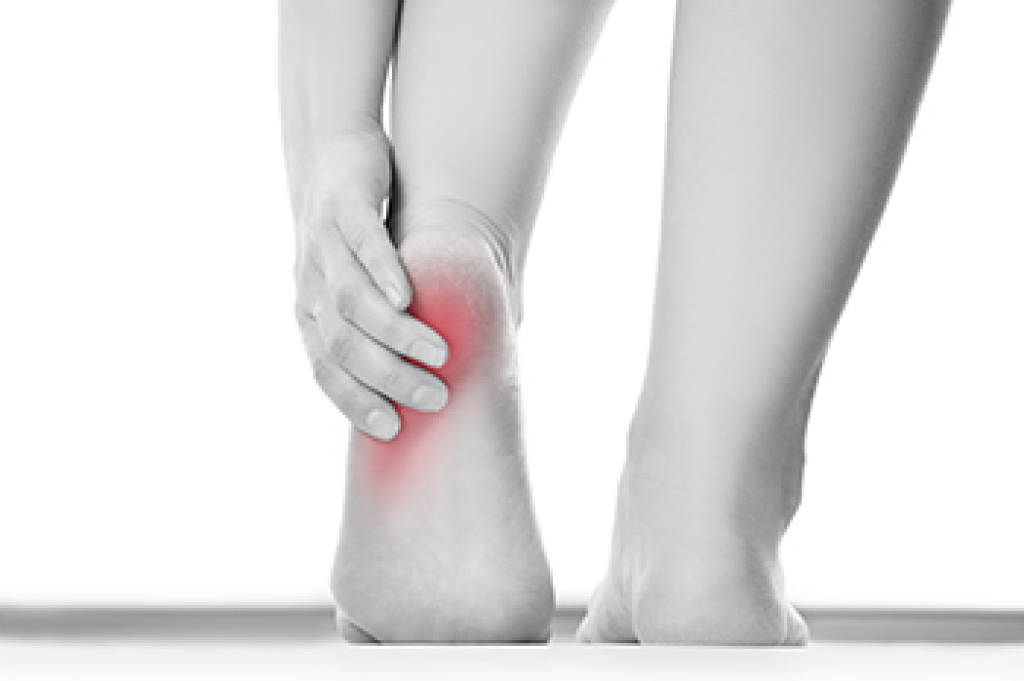
Heel pain can make standing and walking uncomfortable, especially when symptoms continue throughout the day. Pain may begin deep in the foot, directly around the heel bone, or in the connective tissue that supports the bottom of the foot. One frequent cause is plantar fasciitis, which involves inflammation of the strong tissue extending from the heel toward the toes. This type of heel pain is especially common in adults. Being overweight and wearing improper footwear may contribute to the problem. Discomfort is often noticeable right after getting out of bed and may return as more time is spent on the feet.
Plantar fasciitis is not the only possible source of heel pain. Problems involving the Achilles tendon, arthritis, or gout may also cause discomfort around the heel. Other causes include stress fractures or irritation of nearby nerves. Since heel pain can develop from several different problems, identifying the source is important before deciding on treatment. A medical evaluation may include questions about when the pain occurs and whether there has been recent trauma. The physician may also consider frequently worn footwear and typical activity levels to better understand what may be contributing to the symptoms.
A podiatrist can evaluate persistent heel pain and determine whether plantar fasciitis or another foot problem may be responsible. Treatment depends on the underlying cause and severity of the symptoms. Non-surgical care is often used for plantar fasciitis, while persistent cases may require further evaluation and more specialized treatment. Surgery may be considered when non-surgical treatment does not provide enough improvement. A podiatrist can help determine which treatment options are appropriate and whether additional care is necessary. Heel pain does not have to be accepted as a normal result of aging, injury, or physical activity. If persistent heel pain is making it difficult to stand or walk comfortably, it is suggested that you consult a podiatrist for an evaluation and appropriate treatment options.
Many people suffer from bouts of heel pain. For more information, contact Howard Kimmel, DPM of Buckeye Foot Care. Our doctor can provide the care you need to keep you pain-free and on your feet.
Causes of Heel Pain
Heel pain is often associated with plantar fasciitis. The plantar fascia is a band of tissues that extends along the bottom of the foot. A rip or tear in this ligament can cause inflammation of the tissue.
Achilles tendonitis is another cause of heel pain. Inflammation of the Achilles tendon will cause pain from fractures and muscle tearing. Lack of flexibility is also another symptom.
Heel spurs are another cause of pain. When the tissues of the plantar fascia undergo a great deal of stress, it can lead to ligament separation from the heel bone, causing heel spurs.
Why Might Heel Pain Occur?
Treatments
Heel pain should be treated as soon as possible for immediate results. Keeping your feet in a stress-free environment will help. If you suffer from Achilles tendonitis or plantar fasciitis, applying ice will reduce the swelling. Stretching before an exercise like running will help the muscles. Using all these tips will help make heel pain a condition of the past.
If you have any questions, please feel free to contact one of our offices located in Brook Park and Willoughby Hills, OH . We offer the newest diagnostic and treatment technologies for all your foot care needs.
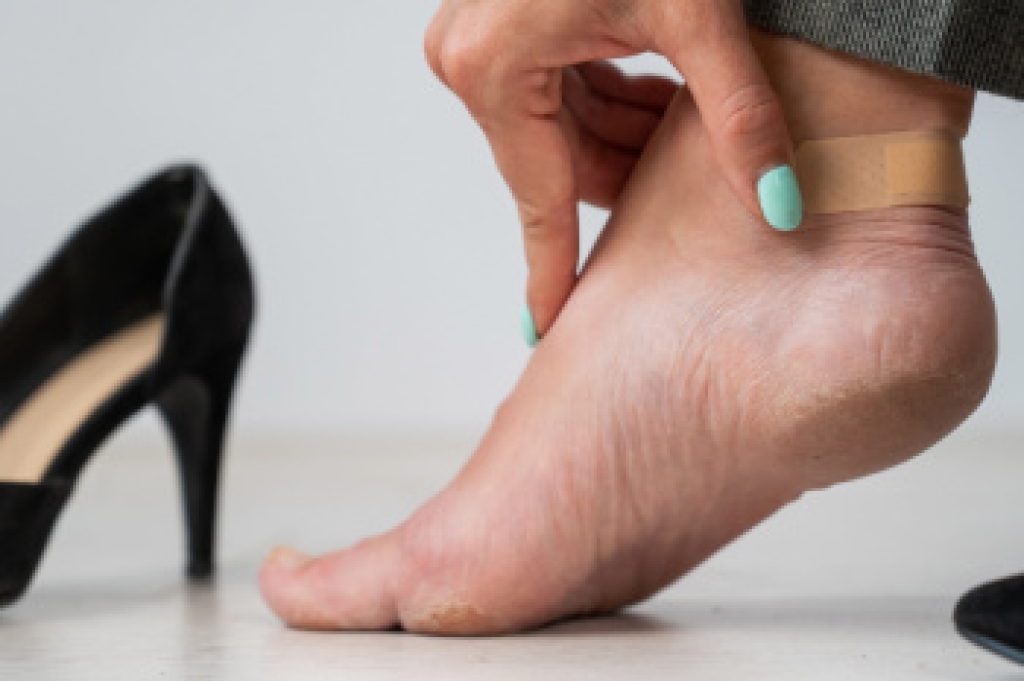
Blisters are small pockets of fluid that form under the skin. On the feet, they can develop when repeated friction causes the skin to become irritated. Shoes that rub against the heel, toes, or other areas of the foot can create this friction. Blisters can also result from burns, skin reactions, or other conditions. A typical blister contains clear fluid and can cause pain or tenderness. Blood blisters can appear red or dark because small blood vessels under the skin have also been damaged. The location and appearance of a blister can provide clues about what caused it. Some blisters heal without causing further problems, while others can become painful or infected.
A podiatrist can examine a foot blister to determine its cause and check for signs of infection or other skin problems. An infected blister can become hot, swollen, and painful. Yellow or green fluid can also develop inside the blister. Redness surrounding the area can be another sign of infection. A podiatrist can evaluate these changes and determine the appropriate treatment. Professional care can also be helpful when blisters are very painful, keep returning, or appear without an obvious cause. Repeated blisters can sometimes point to an issue with the way shoes fit or how pressure is placed on certain areas of the foot.
Treatment depends on the blister and what caused it. A podiatrist can protect the affected area, address pressure or friction that is contributing to the problem, and determine whether the blister requires drainage or other treatment. When an infection is present, a podiatrist can recommend appropriate care to address it. A podiatrist can also evaluate recurring blisters to identify factors that could be contributing to them. Early evaluation can help prevent a small blister from becoming a larger foot problem. If you have developed foot blisters, it is suggested that you schedule an appointment with a podiatrist for effective relief and prevention tips.
Blisters may appear as a single bubble or in a cluster. They can cause a lot of pain and may be filled with pus, blood, or watery serum. If your feet are hurting, contact Howard Kimmel, DPM of Buckeye Foot Care. Our doctor can provide the care you need to keep you pain-free and on your feet.
Foot Blisters
Foot blisters are often the result of friction. This happens due to the constant rubbing from shoes, which can lead to pain.
What Are Foot Blisters?
A foot blister is a small fluid-filled pocket that forms on the upper-most layer of the skin. Blisters are filled with clear fluid and can lead to blood drainage or pus if the area becomes infected.
Symptoms
(Blister symptoms may vary depending on what is causing them)
Prevention & Treatment
In order to prevent blisters, you should be sure to wear comfortable shoes with socks that cushion your feet and absorb sweat. Breaking a blister open may increase your chances of developing an infection. However, if your blister breaks, you should wash the area with soap and water immediately and then apply a bandage to the affected area. If your blisters cause severe pain it is important that you call your podiatrist right away.
If you have any questions, please feel free to contact one of our offices located in Brook Park and Willoughby Hills, OH . We offer the newest diagnostic and treatment technologies for all your foot care needs.

A lifetime of standing and walking can place stress on the feet. As people age, the feet can become wider, while the arches may become lower. Skin can grow thinner and drier, and toenails can become thicker. Reduced circulation or loss of feeling can make injuries harder to notice. Arthritis can also cause stiffness in the toes, feet, and ankles. These changes can affect balance and make walking less comfortable. Regular care from a podiatrist helps older adults address concerns before they limit mobility or lead to complications.
A podiatrist can examine the feet for corns, calluses, and skin damage. The examination can identify fungal nail infections, wounds, or signs of poor blood flow. Patients with diabetes need careful monitoring because even a small sore can become infected. A podiatrist can trim thick toenails and reduce painful areas of hardened skin. Treatment can also address heel pain, flat feet, and arthritis-related discomfort. Custom orthotics can support weakened arches and improve how pressure is spread across the feet. A podiatrist can also recommend shoes with the proper fit, cushioning, and support for a patient’s needs.
Foot changes should not be dismissed as a normal part of aging. Pain, swelling, or numbness deserve professional attention. Changes in skin color also require care. The same is true for cuts that do not heal and sudden changes in walking or balance. A podiatrist can assess joint movement and foot structure. The evaluation can also include circulation and nerve function. X-rays or other tests can help identify arthritis, fractures, or hidden damage. Based on the findings, the podiatrist can create a treatment plan designed to relieve discomfort, protect the feet, and support safer movement. Routine visits are especially valuable for patients with diabetes, poor circulation, or a history of foot wounds. If you have foot problems related to aging, it is suggested that you schedule an appointment with a podiatrist for a diagnosis and appropriate treatment.
If you need your feet checked, contact Howard Kimmel, DPM of Buckeye Foot Care. Our doctor will attend to all of your foot and ankle needs and provide you with quality treatment.
Geriatrics and Podiatry
When people age, some common issues that may occur are bone density loss, dry skin, poor circulation, and rough brittle nails. These issues may also affect your foot health if the necessary steps are not taken to alleviate the problems.
It is important to take care of your feet because feet that are injured or diseased can affect your overall health. Having painful feet hinders your ability to do daily activities or may decrease your willingness to do the things that you need to do.
Visiting Your Geriatrician
As we age, health problems become more likely, so it is essential to visit your doctor for check-ups to ensure that you are doing the best you can to take care of your health. It is recommended to check your feet frequently for any possible cuts, bruises, swelling, corns or any other irregularities.
Taking Care of Elderly Feet
Cracked or dry feet can be treated by applying moisturizer often. It is also important not to wear old socks because the older the sock is, the higher the possibility there will be that there is bacteria there. Wear fresh socks and make sure they fit properly.
Proper foot health means that you can have a more active lifestyle and you will not be bogged down by pain. Foot health also leads to good circulation, which is paramount for overall health.
If you have any questions, please feel free to contact one of our offices located in Brook Park and Willoughby Hills, OH . We offer the newest diagnostic and treatment technologies for all your foot care needs.

Arthritis can make every step difficult by affecting joints in the feet and ankles. It causes pain, swelling, and stiffness that can limit movement and disrupt daily activities. Some people notice morning symptoms, while others feel pain after standing. Types that affect the feet include osteoarthritis, rheumatoid arthritis, and gout. Osteoarthritis develops as joint cartilage wears down because of age or injury. Rheumatoid arthritis occurs when the immune system attacks healthy joint tissue. Gout develops when crystals collect inside a joint, causing sudden pain and swelling. A podiatrist can identify the type and explain how it affects the feet.
Arthritis can make walking and standing harder. Pain can affect the toes, the ball of the foot, the middle of the foot, or the ankles. Swelling can make shoes feel tight, while stiffness can reduce joint movement. Some patients develop bone spurs, which are extra areas of bone near damaged joints. Others notice changes in toe position or foot shape. These changes can place added pressure on nearby tissues. Arthritis can affect one foot or both feet, depending on the type. An early evaluation can identify joint damage and guide treatment before symptoms become more severe.
A podiatrist begins with an examination of the feet and ankles. The visit includes reviewing symptoms, checking joint movement, and watching how the patient walks. X-rays and other imaging scans can show joint damage, loss of joint space, and changes in bone structure. After making a diagnosis, the podiatrist can recommend custom orthotics, braces, or other medical treatments that reduce pressure and improve comfort. The podiatrist can also suggest shoes that provide proper support and enough room for swollen joints. Surgery is considered when joint damage is severe and other treatments do not provide enough relief. If you have symptoms of arthritis in the feet or ankles, it is suggested that you schedule an appointment with a podiatrist for effective relief, treatment, and management solutions.
Arthritis can be a difficult condition to live with. If you are seeking treatment, contact Howard Kimmel, DPM from Buckeye Foot Care. Our doctor can provide the care you need to keep you pain-free and on your feet.
Arthritic Foot Care
Arthritis is a term that is commonly used to describe joint pain. The condition itself can occur to anyone of any age, race, or gender, and there are over 100 types of it. Nevertheless, arthritis is more commonly found in women compared to men, and it is also more prevalent in those who are overweight. The causes of arthritis vary depending on which type of arthritis you have. Osteoarthritis for example, is often caused by injury, while rheumatoid arthritis is caused by a misdirected immune system.
Symptoms
Arthritic symptoms range in severity, and they may come and go. Some symptoms stay the same for several years but could potentially get worse with time. Severe cases of arthritis can prevent its sufferers from performing daily activities and make walking difficult.
Risk Factors
If you suspect your arthritis is affecting your feet, it is crucial that you see a podiatrist immediately. Your doctor will be able to address your specific case and help you decide which treatment method is best for you.
If you have any questions please feel free to contact one of our offices located in Brook Park and Willoughby Hills, OH . We offer the newest diagnostic tools and technology to treat your foot and ankle needs.
Connect With Us
