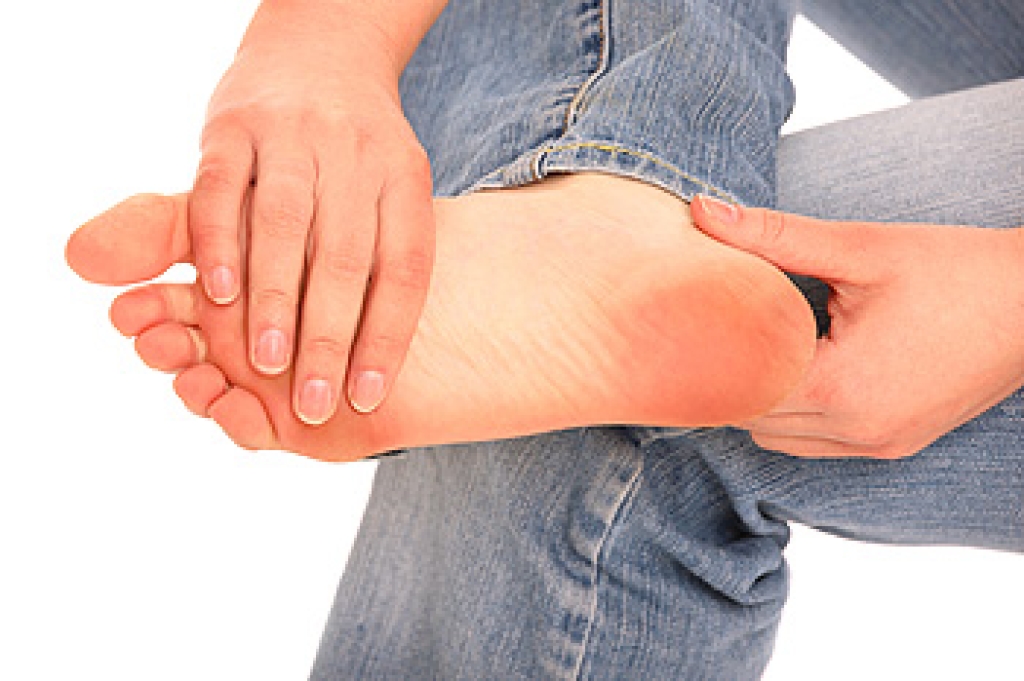
Location of Pain in Morton’s Neuroma

There are several nerves in the foot, and the foot condition that is known as Morton’s neuroma can indicate a nerve enlargement. A common place for this to occur is between the third and fourth toes, and nerves that have become swollen in this area may be irritated. Common symptoms patients experience with Morton’s Neuroma can include cramping, a tingling sensation in the toes, or a stabbing pain in the overall foot. This painful ailment may occur from wearing shoes that are too tight, or it may develop from other foot conditions such as flat feet or high arches. Morton’s neuroma can be managed when treated by a podiatrist and it is strongly suggested that you consult with this type of doctor if you have foot pain.

Morton’s neuroma is a very uncomfortable condition to live with. If you think you have Morton’s neuroma, contact Howard Kimmel, DPM of Buckeye Foot Care. Our doctor will attend to all of your foot care needs and answer any of your related questions.  

Morton’s Neuroma

Morton's neuroma is a painful foot condition that commonly affects the areas between the second and third or third and fourth toe, although other areas of the foot are also susceptible. Morton’s neuroma is caused by an inflamed nerve in the foot that is being squeezed and aggravated by surrounding bones.

What Increases the Chances of Having Morton’s Neuroma?

  • Ill-fitting high heels or shoes that add pressure to the toe or foot
  • Jogging, running or any sport that involves constant impact to the foot
  • Flat feet, bunions, and any other foot deformities

Morton’s neuroma is a very treatable condition. Orthotics and shoe inserts can often be used to alleviate the pain on the forefront of the feet. In more severe cases, corticosteroids can also be prescribed. In order to figure out the best treatment for your neuroma, it’s recommended to seek the care of a podiatrist who can diagnose your condition and provide different treatment options.

If you have any questions, please feel free to contact one of our offices located in Brook Park and Willoughby Hills, OH . We offer the newest diagnostic and treatment technologies for all your foot care needs.
Read more about Morton's Neuroma

What Can Cause Gout?

Patients with gout are often aware of the intense pain and discomfort this condition may cause. It is an arthritic ailment that generally affects the joints in the big toe, and can cause difficulty in walking. It quickly develops as a result of excess uric acid levels in the blood, which can be caused by high amounts of purines. These are found in the foods that are eaten, and can include red meat, shellfish, and drinks that have a large amount of sugar, including alcohol. Additionally, people who have elevated cholesterol levels, kidney disease, or are overweight may be prone to developing gout. It is strongly suggested that you are under the care of a podiatrist when gout attacks are experienced.

Gout is a painful condition that can be treated. If you are seeking treatment, contact Howard Kimmel, DPM from Buckeye Foot Care. Our doctor will treat your foot and ankle needs.

What Is Gout?

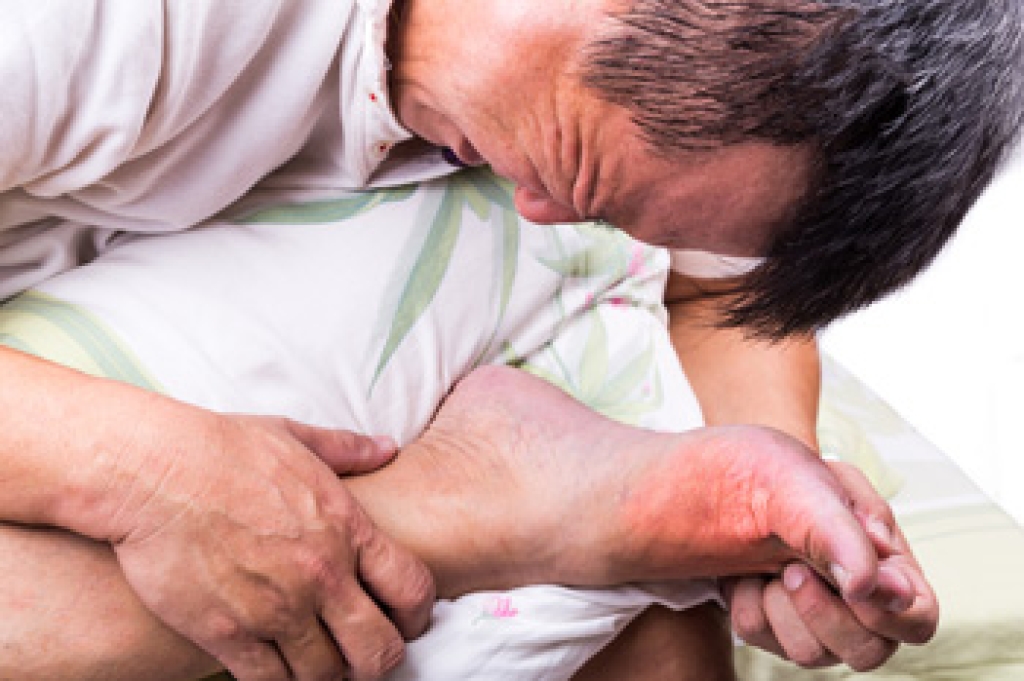
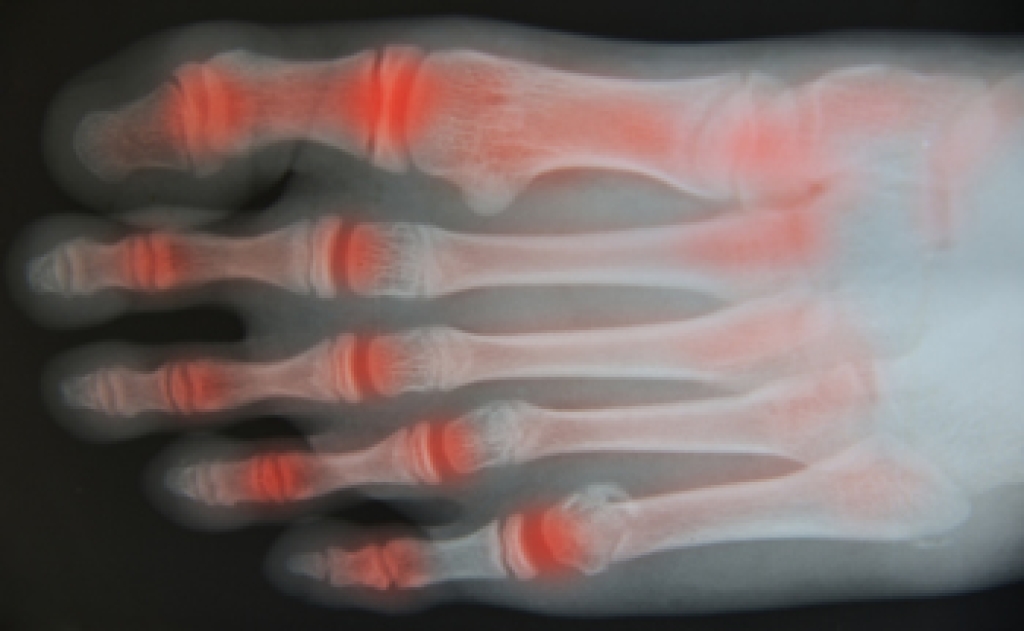
Gout is a form of arthritis that is characterized by sudden, severe attacks of pain, redness, and tenderness in the joints. The condition usually affects the joint at the base of the big toe. A gout attack can occur at any random time, such as the middle of the night while you are asleep.

Symptoms

  • Intense Joint Pain - Usually around the large joint of your big toe, and it most severe within the first four to twelve hours
  • Lingering Discomfort - Joint discomfort may last from a few days to a few weeks
  • Inflammation and Redness -Affected joints may become swollen, tender, warm and red
  • Limited Range of Motion - May experience a decrease in joint mobility

Risk Factors

  • Genetics - If family members have gout, you’re more likely to have it
  • Medications - Diuretic medications can raise uric acid levels
  • Gender/Age - Gout is more common in men until the age of 60. It is believed that estrogen protects women until that point
  • Diet - Eating red meat and shellfish increases your risk
  • Alcohol - Having more than two alcoholic drinks per day increases your risk
  • Obesity - Obese people are at a higher risk for gout

Prior to visiting your podiatrist to receive treatment for gout, there are a few things you should do beforehand. If you have gout you should write down your symptoms--including when they started and how often you experience them, important medical information you may have, and any questions you may have. Writing down these three things will help your podiatrist in assessing your specific situation so that he or she may provide the best route of treatment for you.

If you have any questions, please feel free to contact one of our offices located in Brook Park and Willoughby Hills, OH . We offer the newest diagnostic and treatment technologies for all your foot care needs.
Read more about Gout

Weight and the Joints of the Feet

Osteoarthritis is a condition that causes the lining of the joints to break down over time. This type of arthritis frequently affects the small joints of the feet and ankles. One of the factors that can increase your risk of developing osteoarthritis and joint pain is being overweight or obese. Because the joints of the lower limbs bear the weight of the entire body, they can become increasingly damaged from carrying excess weight. Losing weight may help prevent osteoarthritis in those who do not yet have it and can reduce the severity of arthritis symptoms and prevent further damage in those who do. If you have osteoarthritis in your feet or ankles, a podiatrist can help you manage this condition.

The more you weigh, the harder your feet must work to support your body. If you’re an obese individual and are concerned about your feet, contact Howard Kimmel, DPM from Buckeye Foot Care. Our doctor can provide the care you need to keep you pain-free and on your feet.

Obesity and Your Feet

People who are overweight are putting more pressure on their ankles, knees, and hips as well as their feet. This unfortunately can lead to variety of different issues.

Problems & Complications Stemming from Obesity

  • When the body is overweight, it tries to compensate by changing the way that it moves. An obese person may lean forward and put extra weight on the wrong part of the foot. This puts unnecessary stress on the feet.
  • Obese people are also more likely to develop type II diabetes which is a condition that causes a lot of foot problems. People with diabetes often don’t feel the cuts and sores that they may have on their feet, which can lead to more complicated and severe issues.
  • Plantar fasciitis is another foot condition that can be caused by obesity. Plantar fasciitis is an inflammation of the tissue along the bottom of the foot, which causes pain and stiffness while walking and climbing stairs.

If you have any questions please contact one of our offices located in Brook Park and Willoughby Hills, OH . We offer the newest diagnostic and treatment technologies for all your foot and ankle needs.

Read more about How Obesity Affects Your Feet

Why Foot Blisters Can Develop

Parents who notice an area on their children’s foot that resembles a bubble are often aware that it may be a blister. A blister is the body’s natural healing response to skin that has become damaged for various reasons. These can include excess friction that can happen from wearing shoes that do not fit correctly, or from medical conditions such as psoriasis and eczema. Additionally, blisters may form as an allergic reaction to an insect bite or from a severe sunburn. It is beneficial to cover the blister with an elastic bandage, as this can protect the blister from draining prematurely. If your child has developed blisters on their feet, it is suggested that you consult with a podiatrist who can guide you toward proper treatment techniques.

Blisters are prone to making everyday activities extremely uncomfortable. If your feet are hurting, contact Howard Kimmel, DPM of Buckeye Foot Care. Our doctor can provide the care you need to keep you pain-free and on your feet.

Foot Blisters

Foot blisters develop as a result of constantly wearing tight or ill-fitting footwear. This happens due to the constant rubbing from the shoe, which can often lead to pain.

What Are Foot Blisters?

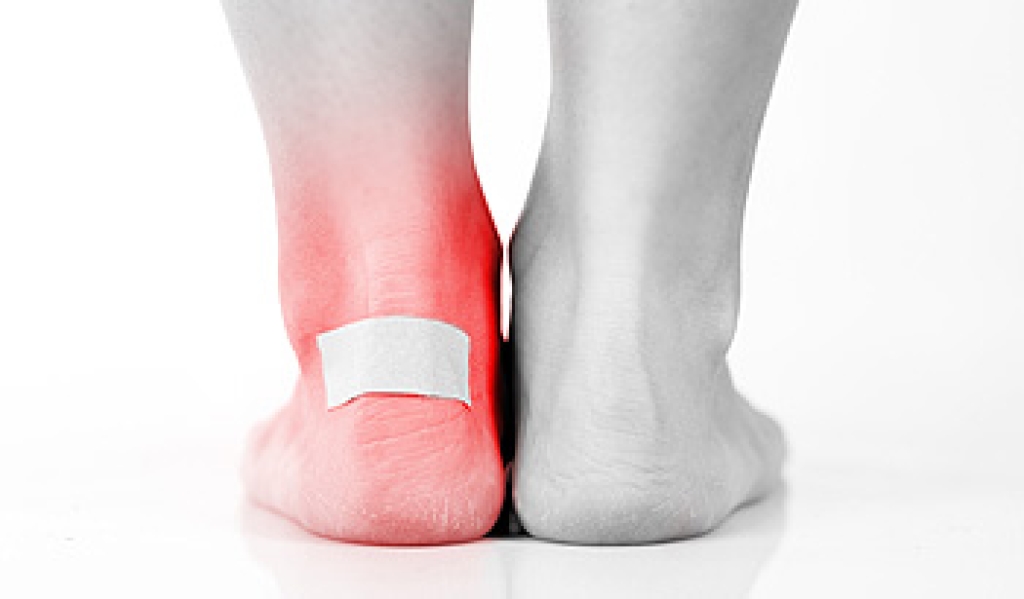
A foot blister is a small fluid-filled pocket that forms on the upper-most layer of the skin. Blisters are filled with clear fluid and can lead to blood drainage or pus if the area becomes infected.

How Do Blisters Form?

Blisters on the feet are often the result of constant friction of skin and material, usually by shoe rubbing. Walking in sandals, boots, or shoes that don’t fit properly for long periods of time can result in a blister. Having consistent foot moisture and humidity can easily lead to blister formation.

Prevention & Treatment

It is important to properly care for the affected area in order to prevent infection and ease the pain. Do not lance the blister and use a Band-Aid to provide pain relief. Also, be sure to keep your feet dry and wear proper fitting shoes. If you see blood or pus in a blister, seek assistance from a podiatrist.

If you have any questions, please feel free to contact one of our offices located in Brook Park and Willoughby Hills, OH . We offer the newest diagnostic and treatment technologies for all your foot care needs.

Read more about Blisters

Connect With Us

scroll to top