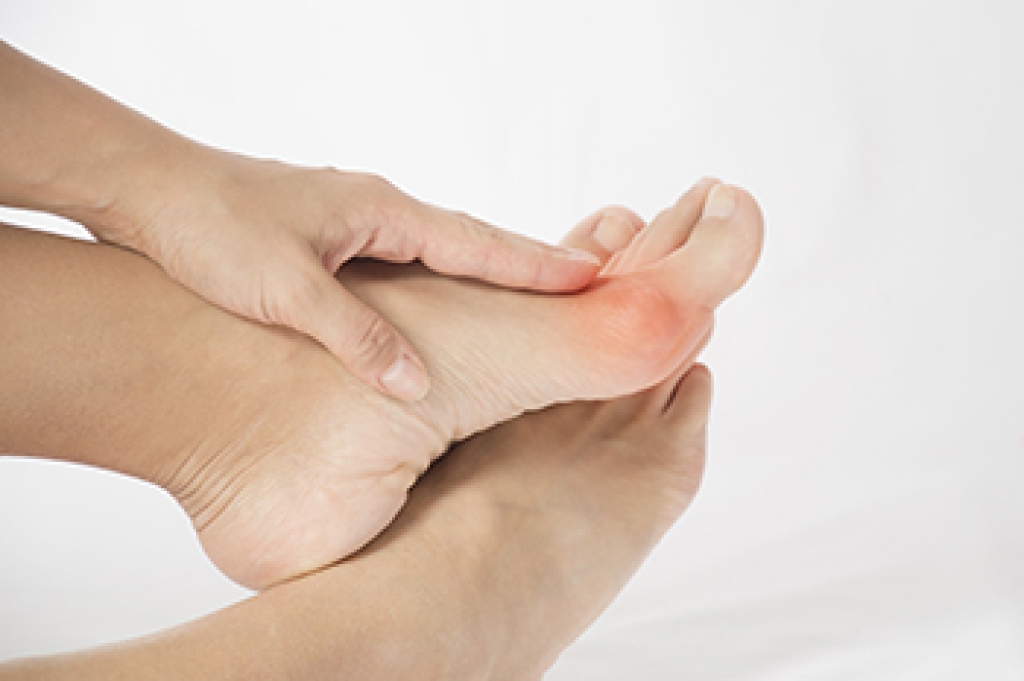
Bunions and Heredity

Bunions are essentially defined as bumps that can form on the side of the big toe or pinky toe that are bony in texture. Many patients with bunions are often interested in learning more about why they have developed this condition and what contributed to it. The answer may surprise many patients. Interestingly, heredity and genetics is one of the major contributing factors in bunions. Specifically, the shape of your foot that you inherit from your parents is a major factor that can determine your susceptibility to bunions. Unfortunately, individuals do not have control over their genetic disposition to bunions. It is estimated that more than 80 percent of individuals living with bunions have a history in their family tree of bunions. Although this may lead one to believe that they can do nothing to prevent the development of bunions, this is not technically true. There are a number of steps that an individual can take to mitigate their risk of developing bunions, such as wearing footwear that fits properly. Contact a podiatrist today for more information. 

If you are suffering from bunions, contact Howard Kimmel, DPM of Buckeye Foot Care. Our doctor can provide the care you need to keep you pain-free and on your feet.

What Is a Bunion?

A bunion is formed of swollen tissue or an enlargement of boney growth, usually located at the base joint of the toe that connects to the foot. The swelling occurs due to the bones in the big toe shifting inward, which impacts the other toes of the foot. This causes the area around the base of the big toe to become inflamed and painful.

Why Do Bunions Form?

Genetics – Susceptibility to bunions are often hereditary

Stress on the feet – Poorly fitted and uncomfortable footwear that places stress on feet, such as heels, can worsen existing bunions

How Are Bunions Diagnosed?

Podiatrists often perform two tests – blood tests and x-rays – when trying to diagnose bunions, especially in the early stages of development. Blood tests help determine if the foot pain is being caused by something else, such as arthritis, while x-rays provide a clear picture of your bone structure to your provider.

How Are Bunions Treated?

  • Refrain from wearing heels or similar shoes that cause discomfort
  • Select wider shoes that can provide more comfort and reduce pain
  • Anti-inflammatory and pain management drugs
  • Orthotics or foot inserts
  • Surgery

If you have any questions, please feel free to contact one of our offices located in Brook Park and Willoughby Hills, OH . We offer the newest diagnostic and treatment technologies for all your foot care needs.
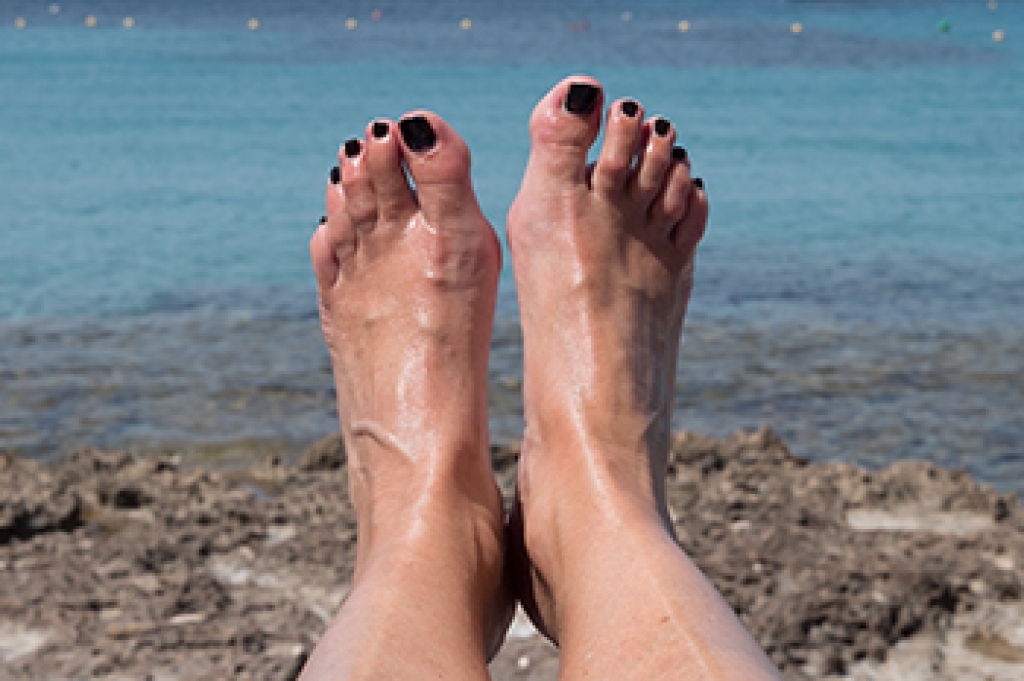
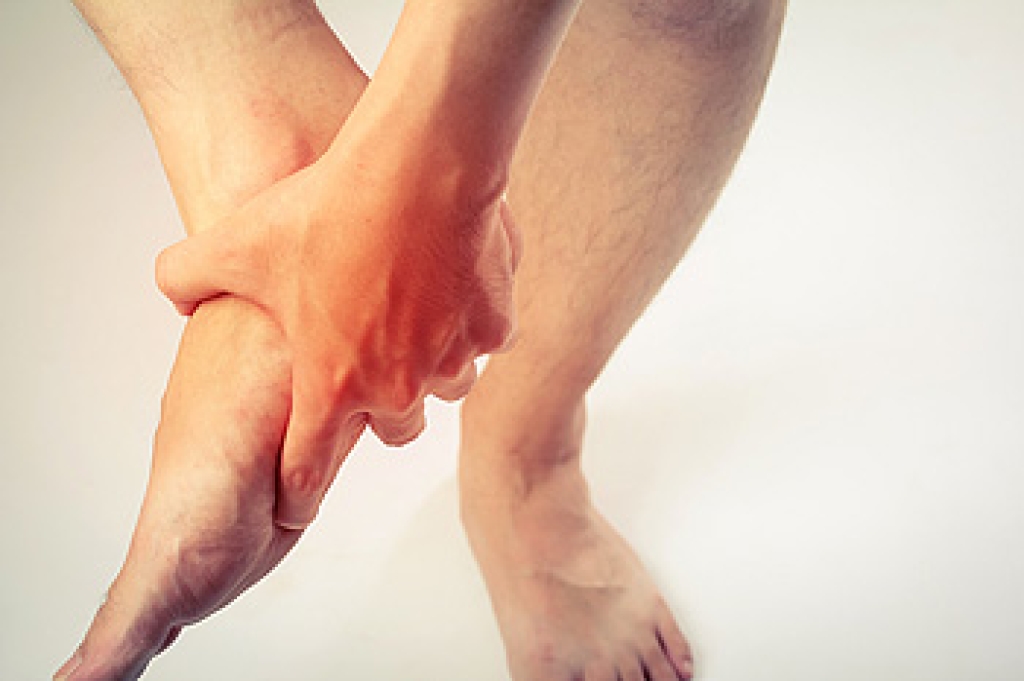
Read more about What Are Bunions?

Skin on the Feet

The more you know about the biomechanics of the feet, the more you become better equipped to understand how to care for the feet. One critical component of how the feet function concerns the skin on the feet. The skin on the feet can often become dry for several reasons, as opposed to other areas of the body. Most importantly, the feet tend to have a smaller total amount of oil glands. As a result, the skin on the feet might feel slightly more dry or cracked. Additionally, the skin on the feet may be especially dry or cracked because the feet are more susceptible to the usual wear and tear that comes with walking and running. Undoubtedly, the skin on the feet is unique and requires extra special care. If you are someone who wants to learn more about the feet, contact a podiatrist today.


If you have any concerns about your feet, contact Howard Kimmel, DPM from Buckeye Foot Care. Our doctor can provide the care you need to keep you pain-free and on your feet.

Biomechanics in Podiatry

Podiatric biomechanics is a particular sector of specialty podiatry with licensed practitioners who are trained to diagnose and treat conditions affecting the foot, ankle and lower leg. Biomechanics deals with the forces that act against the body, causing an interference with the biological structures. It focuses on the movement of the ankle, the foot and the forces that interact with them.

A History of Biomechanics

  • Biomechanics dates back to the BC era in Egypt where evidence of professional foot care has been recorded.
  • In 1974, biomechanics gained a higher profile from the studies of Merton Root, who claimed that by changing or controlling the forces between the ankle and the foot, corrections or conditions could be implemented to gain strength and coordination in the area.

Modern technological improvements are based on past theories and therapeutic processes that provide a better understanding of podiatric concepts for biomechanics. Computers can provide accurate information about the forces and patterns of the feet and lower legs.

Understanding biomechanics of the feet can help improve and eliminate pain, stopping further stress to the foot.

If you have any questions please feel free to contact one of our offices located in Brook Park and Willoughby Hills, OH . We offer the newest diagnostic and treatment technologies for all your foot and ankle needs.

Read more about Biomechanics in Podiatry

History of Plantar Fasciitis

Plantar fasciitis is one of the most widespread afflictions of the foot that primarily affects the plantar fascia. It occurs when this part of the foot becomes aggravated and inflamed. Plantar fasciitis has an interesting history which may be helpful in knowing to learn more about this ailment. The condition was first described in the year 1812 by a man named Wood. Wood attributed the condition to tuberculosis at the time. Over the years, plantar fasciitis has gone by different names. For example, it has sometimes been called painful heel syndrome or subcalcaneal pain. As time progressed and the field of podiatry developed, modern science learned more about plantar fasciitis. Today, it is one of the most common conditions that modern podiatrists are trained in identifying and treating. If you believe that you may have plantar fasciitis, contact a podiatrist today.

Plantar fasciitis can be very painful and inconvenient. If you are experiencing heel pain or symptoms of plantar fasciitis, contact Howard Kimmel, DPM  from Buckeye Foot Care. Our doctor can provide the care you need to keep you pain-free and on your feet.

What Is Plantar Fasciitis?

Plantar fasciitis is the inflammation of the thick band of tissue that runs along the bottom of your foot, known as the plantar fascia, and causes mild to severe heel pain.

What Causes Plantar Fasciitis?

  • Excessive running
  • Non-supportive shoes
  • Overpronation
  • Repeated stretching and tearing of the plantar fascia

How Can It Be Treated?

  • Conservative measures – anti-inflammatories, ice packs, stretching exercises, physical therapy, orthotic devices
  • Shockwave therapy – sound waves are sent to the affected area to facilitate healing and are usually used for chronic cases of plantar fasciitis
  • Surgery – usually only used as a last resort when all else fails. The plantar fascia can be surgically detached from the heel

While very treatable, plantar fasciitis is definitely not something that should be ignored. Especially in severe cases, speaking to your doctor right away is highly recommended to avoid complications and severe heel pain. Your podiatrist can work with you to provide the appropriate treatment options tailored to your condition.

If you have any questions, please feel free to contact one of our offices located in Brook Park and Willoughby Hills, OH . We offer the newest diagnostic and treatment technologies for all your foot care needs.
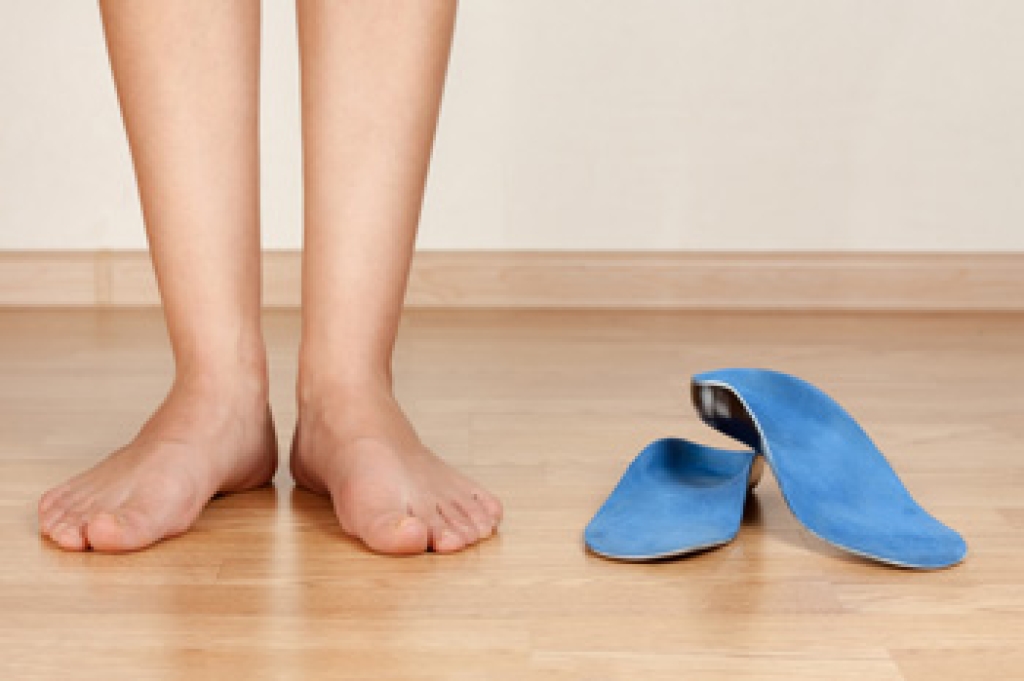
Read more about Plantar Fasciitis

Orthotics and Children

Orthotics are shoe inserts that serve a variety of purposes and can be either custom-made or over-the-counter. Some orthotics are simply meant to provide support and others are meant to correct certain foot deformities. While orthotics are used by adults sometimes children might also benefit from wearing orthotics. Many children are afflicted by a condition known as Sever’s disease, which causes heel pain. Heel pain is a common painful sensation among children. The use of certain orthotic devices can help combat the damaging effects of heel pain among children and young adults. Besides heel pain, there are also many other different common symptoms that children experience in the feet that can be addressed through the use of orthotics. For example, misaligned feet and knee pain are other common symptoms in children, and orthotics might be a good option. If you have a child that is experiencing any of these problems, contact a podiatrist today. 

If you are having discomfort in your feet and would like to try orthotics, contact Howard Kimmel, DPM from Buckeye Foot Care. Our doctor can provide the care you need to keep you pain-free and on your feet.

What Are Orthotics?

Orthotics are inserts you can place into your shoes to help with a variety of foot problems such as flat feet or foot pain. Orthotics provide relief and comfort for minor foot and heel pain but can’t correct serious biomechanical problems in your feet.

Over-the-Counter Inserts

Orthotics come in a wide variety of over-the-counter inserts that are used to treat foot pain, heel pain, and minor problems. For example, arch supports can be inserted into your shoes to help correct overarched or flat feet, while gel insoles are often used because they provide comfort and relief from foot and heel pain by alleviating pressure.

Prescription Orthotics

If over-the-counter inserts don’t work for you or if you have a more severe foot concern, it is possible to have your podiatrist prescribe custom orthotics. These high-quality inserts are designed to treat problems such as abnormal motion, plantar fasciitis, and severe forms of heel pain. They can even be used to help patients suffering from diabetes by treating foot ulcers and painful calluses and are usually molded to your feet individually, which allows them to provide full support and comfort.

If you are experiencing minor to severe foot or heel pain, it’s recommended to speak with your podiatrist about the possibilities of using orthotics. A podiatrist can determine which type of orthotic is right for you and allow you to take the first steps towards being pain-free.

If you have any questions, please feel free to contact one of our offices located in Brook Park and Willoughby Hills, OH . We offer the newest diagnostic and treatment technologies for all your foot care needs.

Read more about Ankle Foot Orthotics for Athletes

Plantar Warts Can Be Treated!

Plantar warts are small growths that develop on parts of the feet that bear weight. They're typically found on the bottom of the foot. Don't live with plantar warts, and call us today!

Connect With Us

scroll to top