Foot Pain From Skateboarding

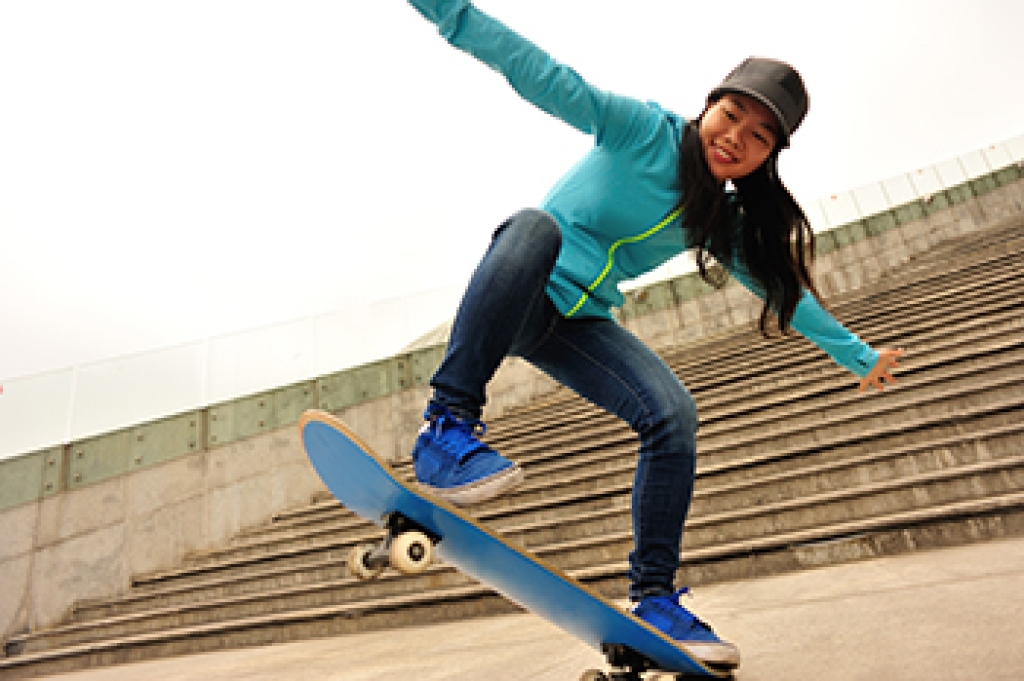
Skateboarding can be an exhilarating sport, but it often leads to foot pain due to several factors. One primary reason is the constant impact and stress on the feet while performing tricks and landing jumps. This repetitive strain can cause soreness and fatigue in the muscles and joints. Wearing improper footwear is another common contributor to foot pain. Skate shoes that lack adequate cushioning or support can be uncomfortable and may increase the risk of injuries like sprains and fractures. Additionally, poor foot positioning on the board can lead to uneven pressure distribution, resulting in pain in the arches or heels. Overuse injuries, such as tendinitis or plantar fasciitis, may also develop from excessive skateboarding without sufficient rest. If you or your child has sustained a foot injury from skateboarding, it is suggested that you consult a podiatrist who can provide an accurate diagnosis and treatment.

Sports related foot and ankle injuries require proper treatment before players can go back to their regular routines. For more information, contact Howard Kimmel, DPM of Buckeye Foot Care. Our doctor can provide the care you need to keep you pain-free and on your feet.

Sports Related Foot and Ankle Injuries

Foot and ankle injuries are a common occurrence when it comes to athletes of any sport. While many athletes dismiss the initial aches and pains, the truth is that ignoring potential foot and ankle injuries can lead to serious problems. As athletes continue to place pressure and strain the area further, a mild injury can turn into something as serious as a rupture and may lead to a permanent disability. There are many factors that contribute to sports related foot and ankle injuries, which include failure to warm up properly, not providing support or wearing bad footwear. Common injuries and conditions athletes face, including:

  • Plantar Fasciitis
  • Achilles Tendinitis
  • Achilles Tendon Rupture
  • Ankle Sprains

Sports related injuries are commonly treated using the RICE method. This includes rest, applying ice to the injured area, compression and elevating the ankle. More serious sprains and injuries may require surgery, which could include arthroscopic and reconstructive surgery. Rehabilitation and therapy may also be required in order to get any recovering athlete to become fully functional again. Any unusual aches and pains an athlete sustains must be evaluated by a licensed, reputable medical professional.

If you have any questions please contact one of our offices located in Brook Park and Willoughby Hills, OH . We offer the newest diagnostic and treatment technologies for all your foot and ankle needs.

Read more about Sports Related Foot and Ankle Injuries

Recognizing Athlete’s Foot

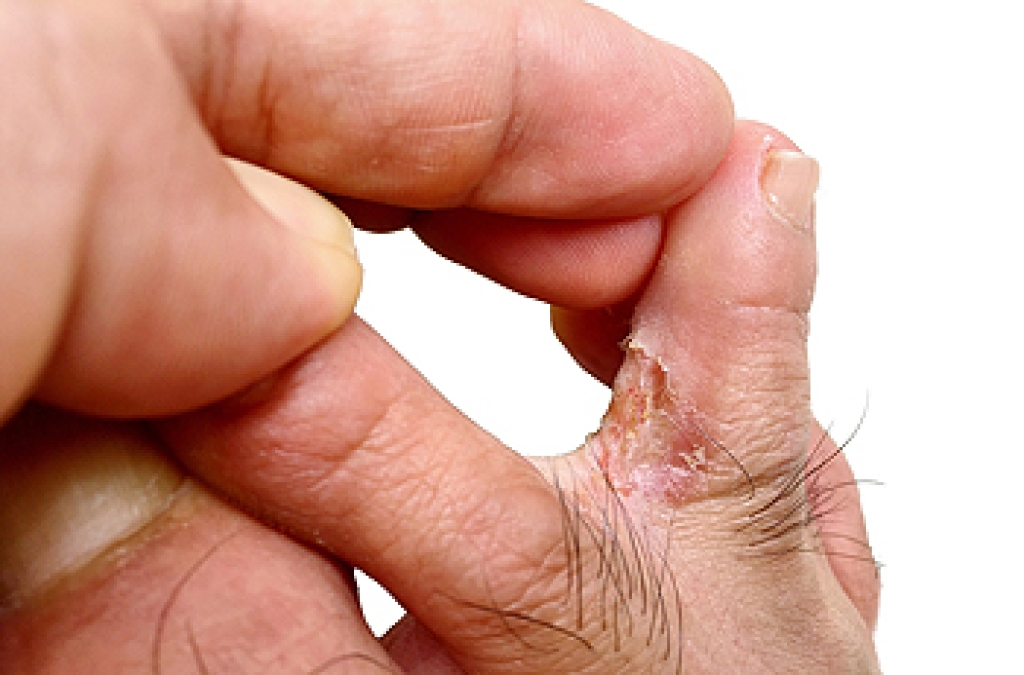
Athlete’s foot is a common fungal infection that affects the skin on the feet, particularly between the toes. Key signs include itching, burning, and redness, often accompanied by peeling or cracking skin. In more severe cases, blisters may develop, leading to further discomfort and possible secondary infections. The primary cause of athlete’s foot is the fungus known as trichophyton, which thrives in warm, damp environments, and tight-fitting shoes. Factors like excessive sweating, poor foot hygiene, and sharing personal items can increase the risk of infection. Understanding these signs and causes is essential for early identification and effective treatment. If you have symptoms of athlete’s  foot, it is suggested that you consult a podiatrist who can offer you effective relief and treatment solutions.

Athlete’s foot is an inconvenient condition that can be easily reduced with the proper treatment. If you have any concerns about your feet and ankles, contact Howard Kimmel, DPM from Buckeye Foot Care.  Our doctor will treat your foot and ankle needs.

Athlete’s Foot: The Sole Story

Athlete's foot, also known as tinea pedis, can be an extremely contagious foot infection. It is commonly contracted in public changing areas and bathrooms, dormitory style living quarters, around locker rooms and public swimming pools, or anywhere your feet often come into contact with other people.

Solutions to Combat Athlete’s Foot

  • Hydrate your feet by using lotion
  • Exfoliate
  • Buff off nails
  • Use of anti-fungal products
  • Examine your feet and visit your doctor if any suspicious blisters or cuts develop

Athlete’s foot can cause many irritating symptoms such as dry and flaking skin, itching, and redness. Some more severe symptoms can include bleeding and cracked skin, intense itching and burning, and even pain when walking. In the worst cases, Athlete’s foot can cause blistering as well. Speak to your podiatrist for a better understanding of the different causes of Athlete’s foot, as well as help in determining which treatment options are best for you.

If you have any questions please feel free to contact one of our offices located in Brook Park and Willoughby Hills, OH . We offer the newest diagnostic and treatment technologies for all your foot and ankle needs.
Read more about Athlete's Foot

Partial Rupture of the Achilles Tendon

A partial rupture of the Achilles tendon is a significant injury often seen in athletes and active individuals. This condition typically results from sudden, intense activity or repetitive strain on the tendon. Symptoms may include pain along the back of the heel, swelling, and difficulty walking or pushing off the foot. Patients often describe a sensation of tightness or discomfort during movement. To diagnose this injury, podiatrists frequently use Thompson's test, which assesses the integrity of the tendon. During this test, the patient lies face down and the doctor squeezes the calf muscle. If the foot does not move, it indicates a possible rupture. If you have endured an Achilles tendon injury, it is suggested that you promptly contact a podiatrist who can accurately diagnose and treat this condition.

Achilles tendon injuries need immediate attention to avoid future complications. If you have any concerns, contact Howard Kimmel, DPM of Buckeye Foot Care. Our doctor can provide the care you need to keep you pain-free and on your feet.

What Is the Achilles Tendon?

The Achilles tendon is a tendon that connects the lower leg muscles and calf to the heel of the foot. It is the strongest tendon in the human body and is essential for making movement possible. Because this tendon is such an integral part of the body, any injuries to it can create immense difficulties and should immediately be presented to a doctor.

What Are the Symptoms of an Achilles Tendon Injury?

There are various types of injuries that can affect the Achilles tendon. The two most common injuries are Achilles tendinitis and ruptures of the tendon.

Achilles Tendinitis Symptoms

  • Inflammation
  • Dull to severe pain
  • Increased blood flow to the tendon
  • Thickening of the tendon

Rupture Symptoms

  • Extreme pain and swelling in the foot
  • Total immobility

Treatment and Prevention

Achilles tendon injuries are diagnosed by a thorough physical evaluation, which can include an MRI. Treatment involves rest, physical therapy, and in some cases, surgery. However, various preventative measures can be taken to avoid these injuries, such as:

  • Thorough stretching of the tendon before and after exercise
  • Strengthening exercises like calf raises, squats, leg curls, leg extensions, leg raises, lunges, and leg presses

If you have any questions please feel free to contact one of our offices located in Brook Park and Willoughby Hills, OH . We offer the newest diagnostic tools and technology to treat your foot and ankle needs.

Read more about The Causes, Types, and Treatments of Achilles Tendon Injuries

Tips on Running More Comfortably With Flat Feet

Running with flat feet can present unique challenges, but with the right approach, it can still be an enjoyable and fulfilling activity. First, selecting appropriate footwear is vital. Look for shoes that offer excellent arch support and cushioning to help compensate for the lack of natural arch. Custom orthotics can provide added stability and comfort. It is also important to focus on proper running form, ensuring a midfoot strike rather than landing heavily on the heels. Gradually increasing mileage allows the body to adapt, reducing the risk of injury. Strengthening the muscles in the feet and lower legs through specific exercises can also improve support and function. Listening to the body and taking rest days when needed will help prevent discomfort. Some people experience pain and discomfort while running with flat feet. If this applies to you, it is suggested that you consult a podiatrist who can guide you on appropriate relief techniques.

Flatfoot is a condition many people suffer from. If you have flat feet, contact Howard Kimmel, DPM from Buckeye Foot Care. Our doctor will treat your foot and ankle needs.

What Are Flat Feet?

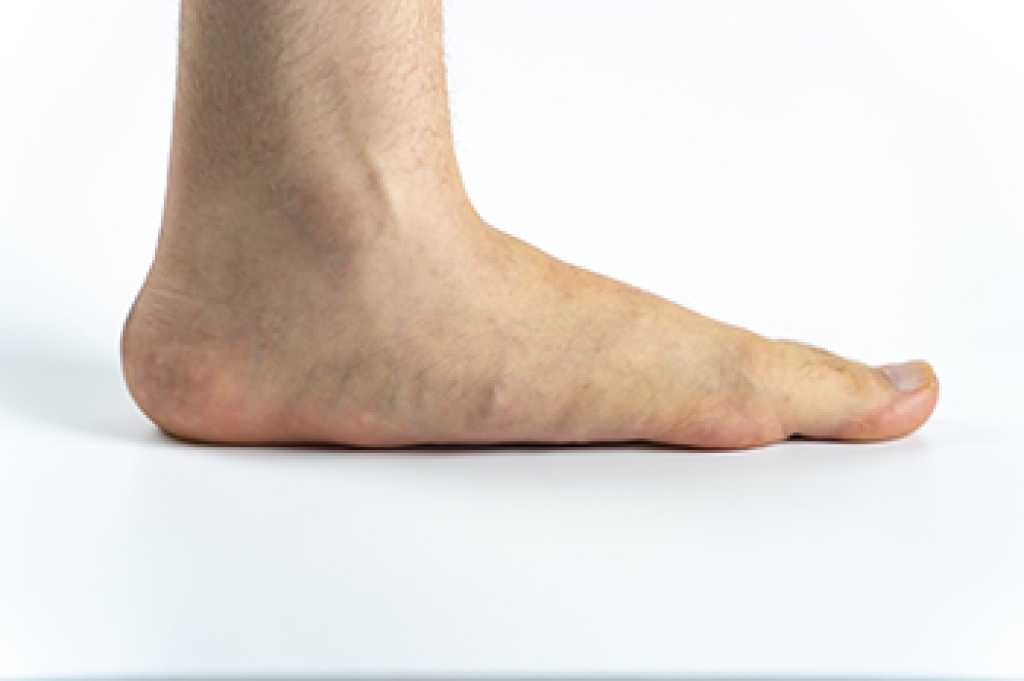
Flatfoot is a condition in which the arch of the foot is depressed and the sole of the foot is almost completely in contact with the ground. About 20-30% of the population generally has flat feet because their arches never formed during growth.

Conditions & Problems:

Having flat feet makes it difficult to run or walk because of the stress placed on the ankles.

Alignment – The general alignment of your legs can be disrupted, because the ankles move inward which can cause major discomfort.

Knees – If you have complications with your knees, flat feet can be a contributor to arthritis in that area.  

Symptoms

  • Pain around the heel or arch area
  • Trouble standing on the tip toe
  • Swelling around the inside of the ankle
  • Flat look to one or both feet
  • Having your shoes feel uneven when worn

Treatment

If you are experiencing pain and stress on the foot you may weaken the posterior tibial tendon, which runs around the inside of the ankle. 

If you have any questions, please feel free to contact one of our offices located in Brook Park and Willoughby Hills, OH . We offer the newest diagnostic and treatment technologies for all your foot care needs.

Read more about Flat Feet

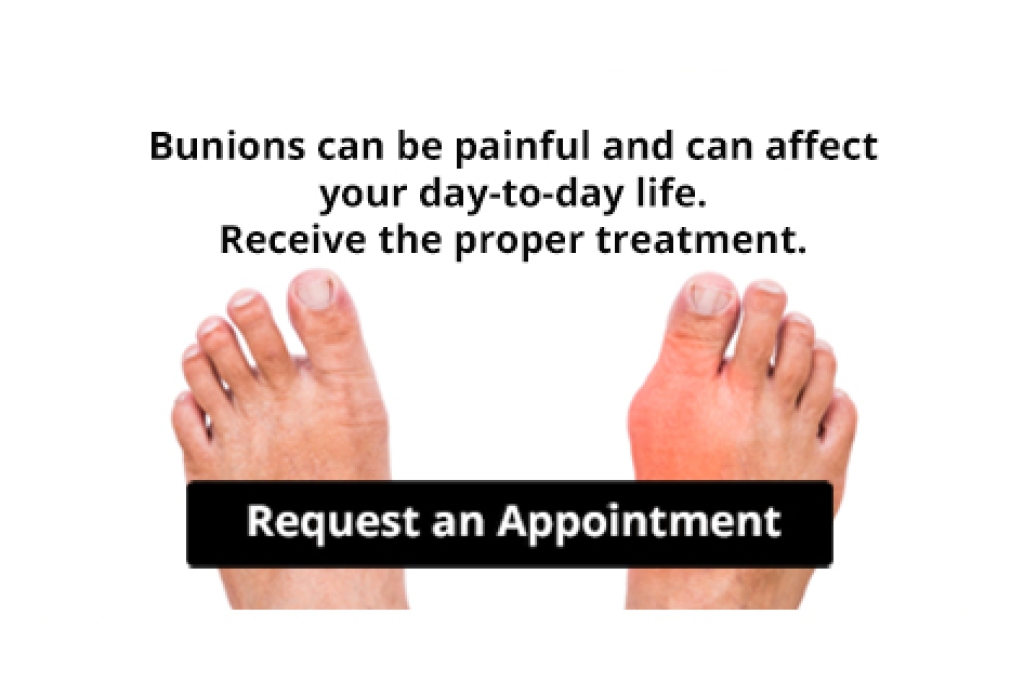
Are Bunions Affecting Your Everyday Life?

Have you noticed a bony protrusion on the side of your big toe? If so, you may have developed the foot condition known as a bunion. Don't let bunions interfere with your daily activities.

Connect With Us

scroll to top