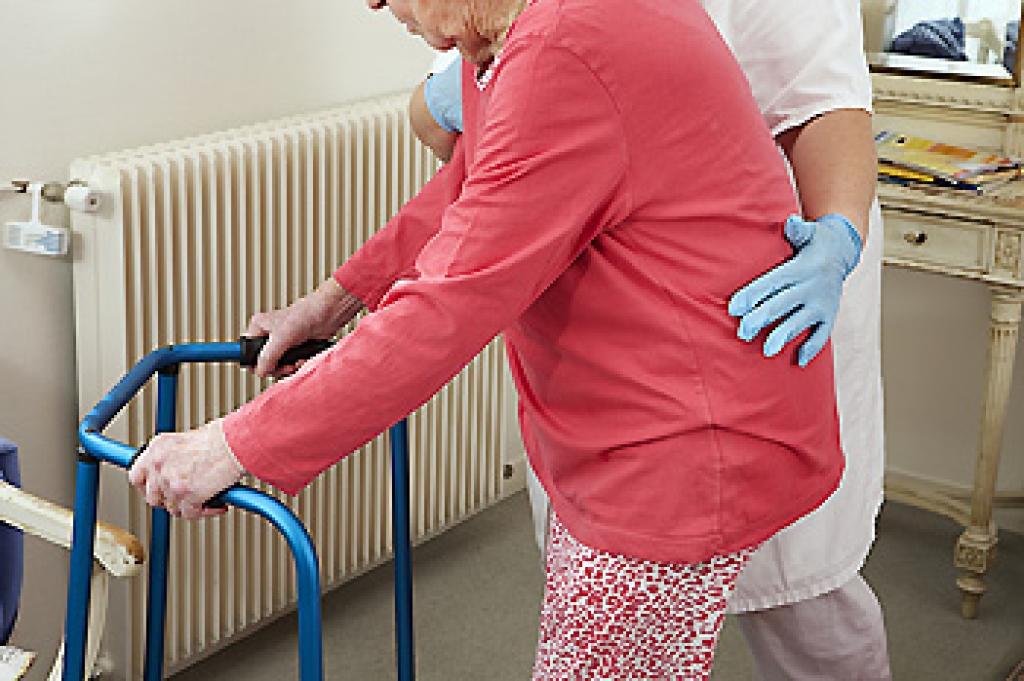
Exercise May Help to Prevent Falling

The act of falling is a threat to many seniors. It can cause harm to the feet and may hinder their lifestyles. Broken toes, ankles, and feet are common injuries that can occur as a result of falling. It can be helpful to practice a gentle exercise routine, which may help to maintain physical strength. Additionally, family members of elderly people can take measures to ensure their living environment is safe. This can include removing frayed rugs from common areas, improving lighting in darker hallways, and installing grab bars in the toilet and shower rooms. It may also be beneficial to have physical exams performed regularly and to monitor existing medications. If you would like more information about how falling can affect the feet, it is suggested that you speak with a podiatrist.

Preventing falls among the elderly is very important. If you are older and have fallen or fear that you are prone to falling, consult with Howard Kimmel, DPM from Buckeye Foot Care. Our doctor will assess your condition and provide you with quality advice and care.

Every 11 seconds, an elderly American is being treated in an emergency room for a fall related injury. Falls are the leading cause of head and hip injuries for those 65 and older. Due to decreases in strength, balance, senses, and lack of awareness, elderly persons are very susceptible to falling. Thankfully, there are a number of things older persons can do to prevent falls.

How to Prevent Falls

Some effective methods that older persons can do to prevent falls include:

  • Enrolling in strength and balance exercise program to increase balance and strength
  • Periodically having your sight and hearing checked
  • Discuss any medications you have with a doctor to see if it increases the risk of falling
  • Clearing the house of falling hazards and installing devices like grab bars and railings
  • Utilizing a walker or cane
  • Wearing shoes that provide good support and cushioning
  • Talking to family members about falling and increasing awareness

Falling can be a traumatic and embarrassing experience for elderly persons; this can make them less willing to leave the house, and less willing to talk to someone about their fears of falling. Doing such things, however, will increase the likelihood of tripping or losing one’s balance. Knowing the causes of falling and how to prevent them is the best way to mitigate the risk of serious injury.  

If you have any questions, please feel free to contact one of our offices located in Brook Park and Willoughby Hills, OH . We offer the newest diagnostic and treatment technologies for all your foot care needs.
Read more about Falls Prevention

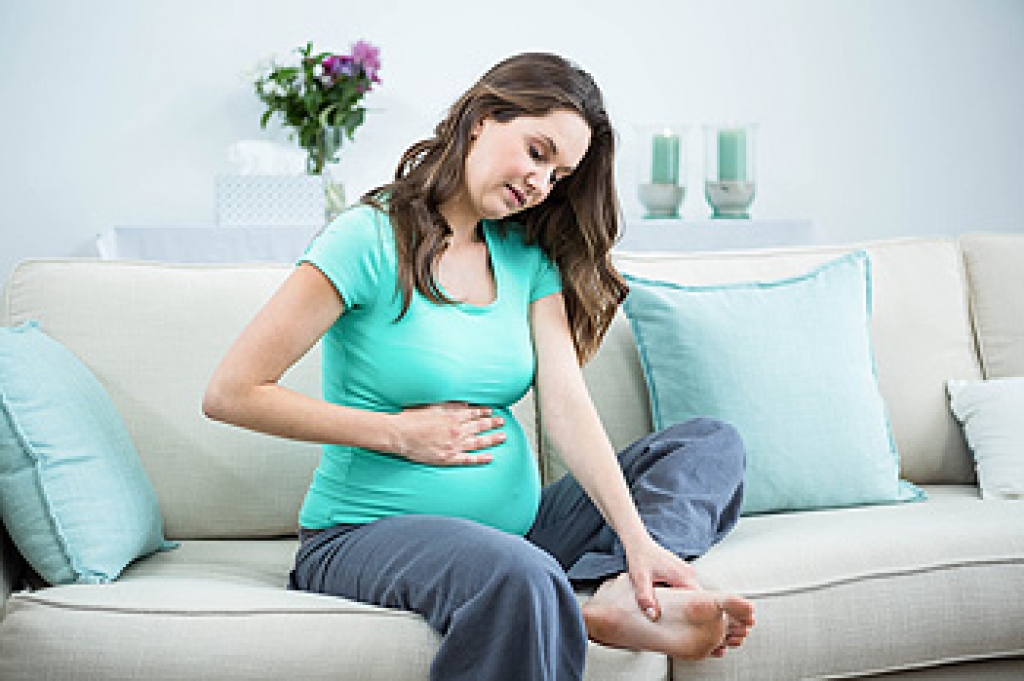
Swollen Feet Is a Common Pregnancy Ailment

Many pregnant women experience swollen feet. It often occurs in the later stages of pregnancy, and can be uncomfortable. This can be a result of the pressure the growing fetus can inflict on the veins in the feet and legs. Additionally, circulation in the body may become slower, and this may contribute to water retention. Research has indicated that swelling may be reduced when sodium intake is decreased, and plenty of fresh water is consumed daily. It is beneficial to avoid standing for extended periods of time throughout the day, and performing specific foot stretches may help to improve circulation. For more information about how to alleviate swollen feet during pregnancy, it is suggested that you consult with a podiatrist.

Pregnant women with swollen feet can be treated with a variety of different methods that are readily available. For more information about other cures for swollen feet during pregnancy, consult with Howard Kimmel, DPM from Buckeye Foot Care. Our doctor will attend to all of your foot and ankle needs.

What Foot Problems Can Arise During Pregnancy?

One problem that can occur is overpronation, which occurs when the arch of the foot flattens and tends to roll inward.  This can cause pain and discomfort in your heels while you’re walking or even just standing up, trying to support your baby.  

Another problem is edema, or swelling in the extremities. This often affects the feet during pregnancy but tends to occur in the later stages. 

How Can I Keep My Feet Healthy During Pregnancy?

  • Wearing orthotics can provide extra support for the feet and help distribute weight evenly
  • Minimize the amount of time spent walking barefoot
  • Wear shoes with good arch support
  • Wear shoes that allow for good circulation to the feet
  • Elevate feet if you experience swelling
  • Massage your feet
  • Get regular, light exercise, such as walking, to promote blood circulation to the feet

If you have any questions, please feel free to contact one of our offices located in Brook Park and Willoughby Hills, OH . We offer the newest diagnostic and treatment technologies for all your foot care needs.
Read more about Pregnancy and Foot Health

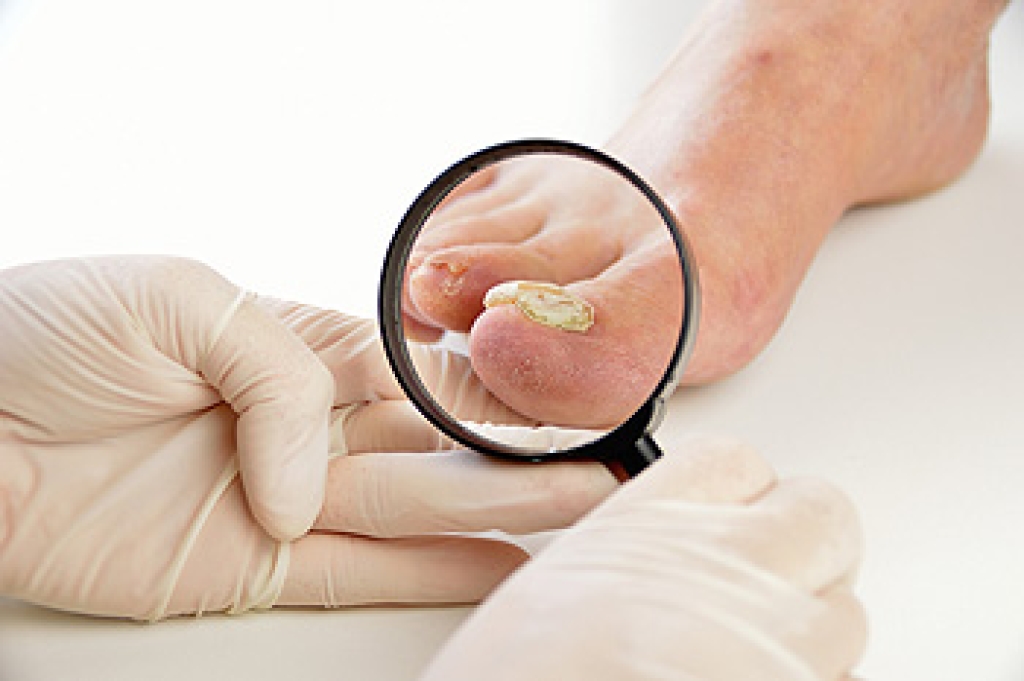
What Are Common Symptoms of Toenail Fungus?

Toenail fungus can cause a great deal of discomfort and foot pain. Some common symptoms of this condition may include discoloration, brittleness, and thickening of the affected toenail. In severe cases, the nail may lift from the toenail bed. If the nail is neglected and left untreated, it’s possible for the infection to spread to other toenails, which is why promptly treating this condition is so important. Keeping the feet clean, dry, and trauma-free are extremely important methods in toenail fungus prevention. Wearing moisture-wicking socks, and appropriate footwear in public areas such as swimming pools, locker rooms, and gyms can also help to prevent getting toenail fungus. For more information on how to care and treat an infected toenail, please consult with a podiatrist.

For more information about treatment, contact Howard Kimmel, DPM of Buckeye Foot Care. Our doctor can provide the care you need to keep you pain-free and on your feet.

Toenail Fungus Treatment

Toenail fungus is a condition that affects many people and can be especially hard to get rid of. Fortunately, there are several methods to go about treating and avoiding it.

Antifungals & Deterrence

Oral antifungal medicine has been shown to be effective in many cases. It is important to consult with a podiatrist to determine the proper regiment for you, or potentially explore other options.

Applying foot powder on the feet and shoes helps keep the feet free of moisture and sweat.

Sandals or open toed shoes – Wearing these will allow air movement and help keep feet dry. They also expose your feet to light, which fungus cannot tolerate. Socks with moisture wicking material also help as well.

If you have any questions please contact one of our offices located in Brook Park and Willoughby Hills, OH . We offer the newest diagnostic and treatment technologies for all your foot and ankle needs.

Read more about Toenail Fungus

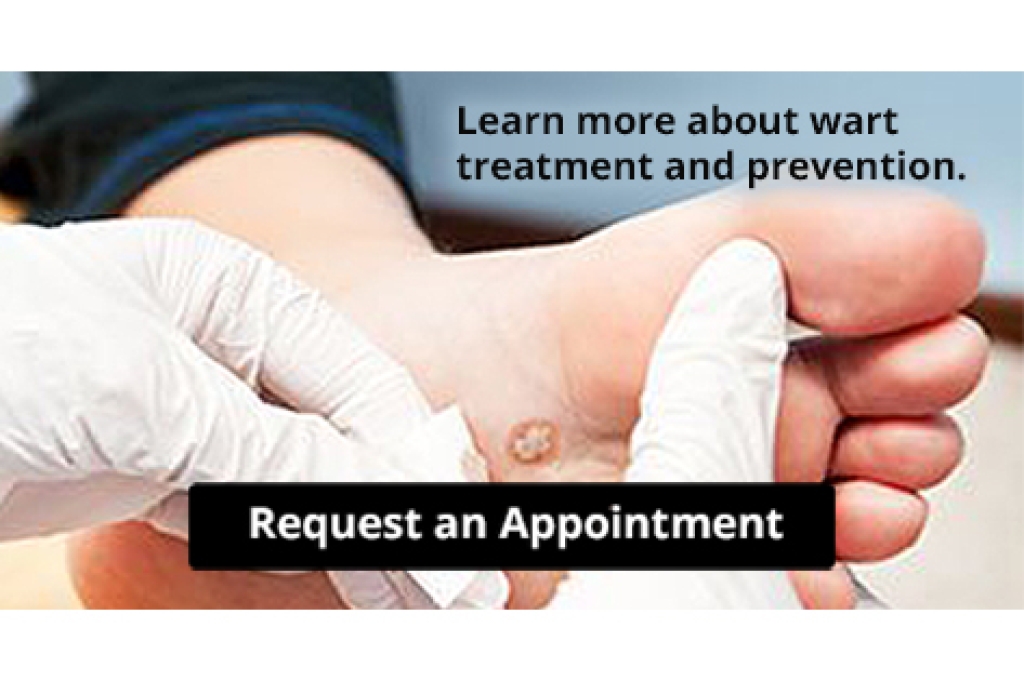
Plantar Warts Can Be Treated!

Plantar warts are small growths that develop on parts of the feet that bear weight. They're typically found on the bottom of the foot. Don't live with plantar warts, and call us today!

Possible Symptoms of Poor Circulation

One symptom that is associated with poor circulation is cold feet. This can be a result of limited blood flow, and it may be indicative of serious health issues. Additional signs of this condition can include a tingling or numbing sensation, increased blood pressure, and the feet may feel heavy. There are several reasons why poor circulation may develop. These can consist of being obese, leading a sedentary lifestyle, and having medical conditions such as diabetes. Research has indicated it is beneficial to perform low-impact exercises that can consist of yoga, swimming, and walking. Patients have found relief when compression stockings are worn which may help to increase circulation. If you have symptoms of poor circulation in your feet, it is strongly advised that you are under the care of a podiatrist who can help you to manage this condition.

Poor circulation is a serious condition and needs immediate medical attention. If you have any concerns with poor circulation in your feet contact Howard Kimmel, DPM of Buckeye Foot Care. Our doctor will treat your foot and ankle needs.

Poor Circulation in the Feet

Poor blood circulation in the feet and legs is can be caused by peripheral artery disease (PAD), which is the result of a buildup of plaque in the arteries.

Plaque buildup or atherosclerosis results from excess calcium and cholesterol in the bloodstream. This can restrict the amount of blood which can flow through the arteries. Poor blood circulation in the feet and legs are sometimes caused by inflammation in the blood vessels, known as vasculitis.

Causes

Lack of oxygen and oxygen from poor blood circulation restricts muscle growth and development. It can also cause:

  • Muscle pain, stiffness, or weakness 
  • Numbness or cramping in the legs
  • Skin discoloration
  • Slower nail & hair growth
  • Erectile dysfunction

Those who have diabetes or smoke are at greatest risk for poor circulation, as are those who are over 50. If you have poor circulation in the feet and legs it may be caused by PAD and is important to make changes to your lifestyle in order to reduce risk of getting a heart attack or stroke. Exercise and maintaining a healthy lifestyle will dramatically improve conditions.

As always, see a podiatrist as he or she will assist in finding a regimen that suits you. A podiatrist can also prescribe you any needed medication. 

If you have any questions, please feel free to contact one of our offices located in Brook Park and Willoughby Hills, OH . We offer the newest diagnostic and treatment technologies for all your foot care needs.
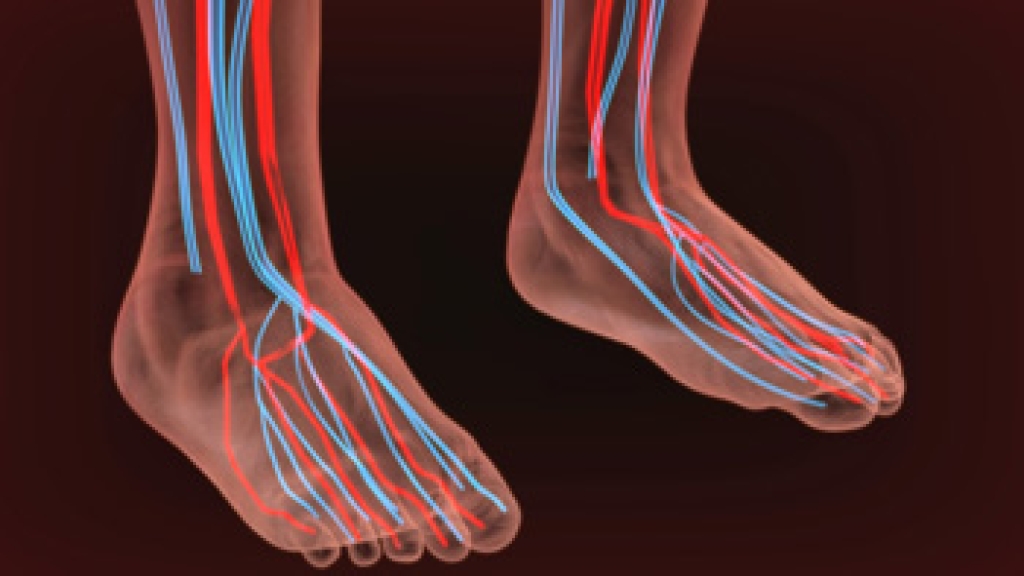
Read more about Causes, Symptoms, and Treatment of Poor Blood Circulation in the Feet

Connect With Us

scroll to top