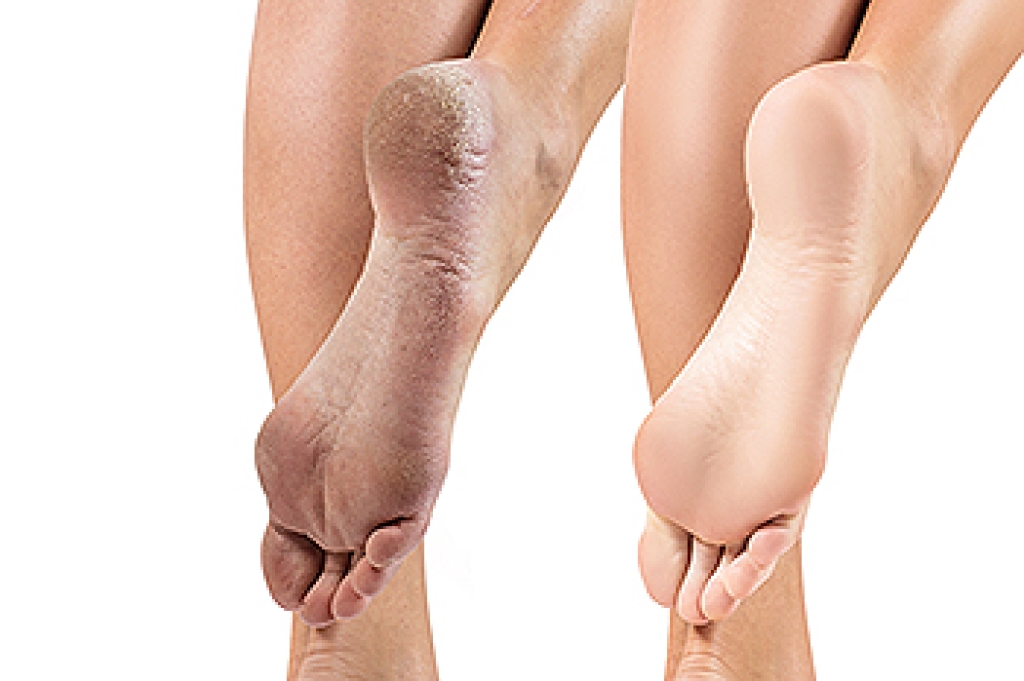
Reasons Cracked Heels Can Develop

Dry skin on the rim of the heels can cause cracked heels to develop. It can happen from standing on hard surfaces for most of the day and can be a result of the weight the feet endure. People who are overweight may have cracked heels, or it may come from wearing shoes that have an open back. Research has shown that vitamin deficiencies such as C, B-3, and E may contribute to getting cracked heels. Also, people who have medical conditions like athlete’s foot and eczema may be prone to getting cracked heels. Severely cracked heels are known as fissures and can become painful and infected. Relief may be found when the feet are soaked in warm water, followed by applying a good moisturizer on them. Wearing the proper shoes may help to prevent cracked heels, such as heels with a back or strap. If you have cracked heels, it is suggested that you schedule an appointment sooner rather than later with a podiatrist who can offer you the correct treatment options.

Cracked heels are unsightly and can cause further damage to your shoes and feet. If you have any concerns, contact Howard Kimmel, DPM from Buckeye Foot Care. Our doctor can provide the care you need to keep you pain-free and on your feet.

Cracked Heels

Cracked heels appear unappealing and can make it harder for you walk around in sandals. Aside from looking unpleasant, cracked heels can also tear stockings, socks, and wear out your shoes. There are several methods to help restore a cracked heel and prevent further damage.

How Do You Get Them?

Dry skin is the number one culprit in creating cracked heels. Many athletes, walkers, joggers, and even swimmers suffer from cracked heels. Age and skin oil production play a role to getting cracked heels as well.

Promote Healing

Over the counter medicines can help, especially for those that need instant relief or who suffer from chronic dry feet.

Wear Socks – Wearing socks with medicated creams helps lock in moisture.

Moisturizers – Applying both day and night will help alleviate dryness which causes cracking.

Pumice Stones – These exfoliate and remove dead skin, which allows for smoother moisturizer application and better absorption into the skin. 

Change in Diet

Eating healthy with a well-balanced diet will give the skin a fresh and radiant look. Your body responds to the kinds of food you ingest. Omega-3 fatty acids and zinc supplements can also revitalize skin tissue.

Most importantly, seek professional help if unsure how to proceed in treating cracked heels. A podiatrist will help you with any questions or information needed. 

If you have any questions, please feel free to contact one of our offices located in Brook Park and Willoughby Hills, OH . We offer the newest diagnostic and treatment technologies for all your foot care needs.

Read more about Solutions for Cracked Heels

Proper Shoes Can Prevent Foot Pain When Cycling

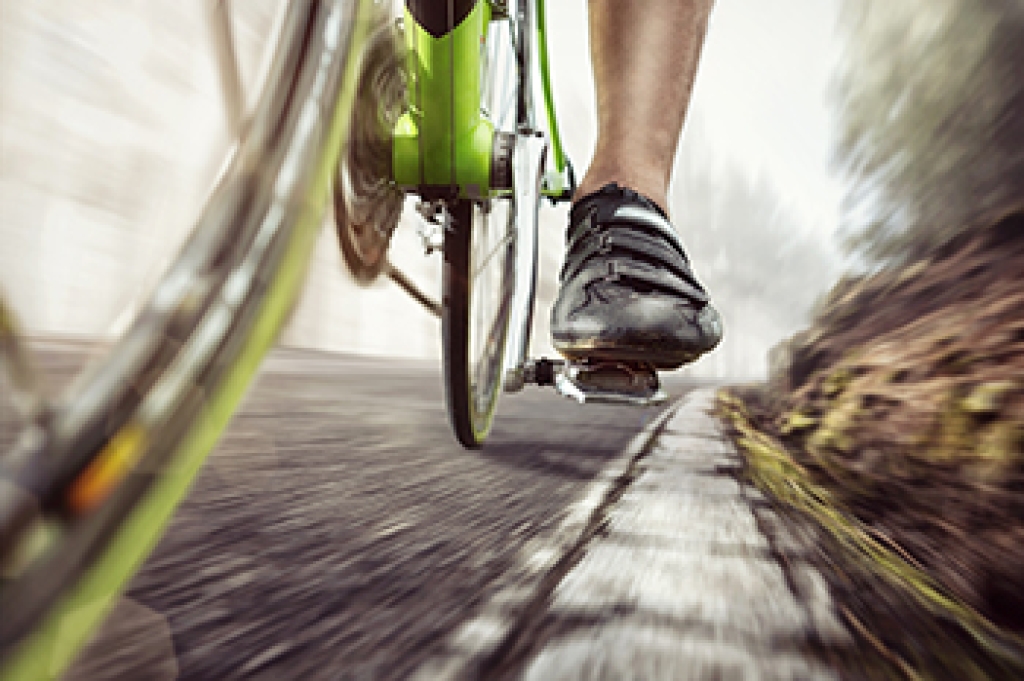
Studies show that a large majority of cyclists experience foot pain. While cycling, a great deal of force is generated through the legs, to the feet, and onto the pedals. This can cause burning pain, numbness, and sharp pain in the soles of the feet. The reason for these symptoms is thought to be a result of the nerves between the metatarsal bones coming into contact with the rider’s cleats. If the ride is long, the weather warm, and the shoe inflexible, the pain can become even worse. Experts recommend that one way to help alleviate this type of pain from cycling is to wear different shoes. Wider shoes with looser straps can increase the range of motion in the feet. In contrast, stiffer shoes, while thought to preserve energy, can also increase hot spots and swelling. For help with selecting the proper footwear for cycling or other options for foot pain that cycling may cause, please consult a podiatrist.

Ankle and foot injuries are common among athletes and in many sports. They can be caused by several problems and may be potentially serious. If you are feeling pain or think you were injured in a sporting event or when exercising, consult with Howard Kimmel, DPM from Buckeye Foot Care. Our doctor will assess your condition and provide you with quality foot and ankle treatment.

Common Injuries

The most common injuries that occur in sporting activities include:

  • Achilles Tendonitis
  • Achilles Tendon Rupture
  • Ankle Sprains
  • Broken Foot
  • Plantar Fasciitis
  • Stress Fractures
  • Turf Toe

Symptoms

Symptoms vary depending upon the injury and in some cases, there may be no symptoms at all. However, in most cases, some form of symptom is experienced. Pain, aching, burning, bruising, tenderness, tightness or stiffness, sensation loss, difficulty moving, and swelling are the most common symptoms.

Treatment

Just as symptoms vary depending upon the injury, so do treatment options. A common treatment method is known as the RICE method. This method involves rest, applying ice, compression and elevating the afflicted foot or ankle. If the injury appears to be more serious, surgery might be required, such as arthroscopic or reconstructive surgery. Lastly, rehabilitation or therapy might be needed to gain full functionality in the afflicted area. Any discomfort experienced by an athlete must be evaluated by a licensed, reputable medical professional.  

If you have any questions please contact one of our offices located in Brook Park and Willoughby Hills, OH . We offer the newest diagnostic and treatment technologies for all your foot and ankle needs.

Read more about Sports Related Foot And Ankle Injuries

Simple Methods to Prevent Running Injuries

There are people who enjoy many forms of running, ranging from recreational jogging to training for a marathon. Incurring a running injury can wreak havoc on the running routine, and it is often temporarily stopped until the injury has healed. Seasoned runners may know how to implement effective techniques to prevent running injuries. These can consist of warming up before running, performing foot and ankle stretches, and cooling down after the run. Additionally, it is beneficial to get adequate sleep and rest between runs, which can help the body to recover. Gradually increasing speed and distance can help the body to adjust to running, and it is important to be aware of the type of surfaces that are run on. When the right running shoes are worn, in addition to performing strength-training exercises, the risk of incurring a running injury may be reduced. If you would like more information about how running can affect the feet, and efficient methods to prevent running injuries, please contact a podiatrist.

Exercising your feet regularly with the proper foot wear is a great way to prevent injuries. If you have any concerns about your feet, contact Howard Kimmel, DPM of Buckeye Foot Care. Our doctor will treat your foot and ankle needs.

How to Prevent Running Injuries

Many common running injuries are caused by overuse and overtraining. When the back of the kneecap starts wearing out and starts causing pain in your knee, this is commonly referred to as runner’s knee. Runner’s knee is a decrease in strength in your quadriceps and can occur if you’re not wearing properly fitted or supporting shoes. To prevent runner’s knee, focusing on hip strengthening is a good idea, as well as strengthening your quads to keep the kneecaps aligned.

What Are Some Causes of Running Injuries? 
- One cause of a common running injury is called iliotibial band syndrome.
- Plantar fasciitis is also another common injury.
- Stress fractures can occur from overtraining, lack of calcium, or even your running style.

Best Ways to Prevent Running Injuries
- Wear footwear that fits properly and suits your running needs.
- Running shoes are the only protective gear that runners have to safeguard them from injury.
- Make a training schedule. Adding strengthening exercises as well as regular stretching can help keep you strong and limber and can lessen the possibility of injuries.
- Stretching keeps muscles limber; this will help you gain better flexibility.

If you have any questions, please feel free to contact one of our offices located in Brook Park and Willoughby Hills, OH . We offer the newest diagnostic and treatment technologies for all your foot care needs.
Read more about Preventing Running Injuries

Sesamoiditis and Cycling

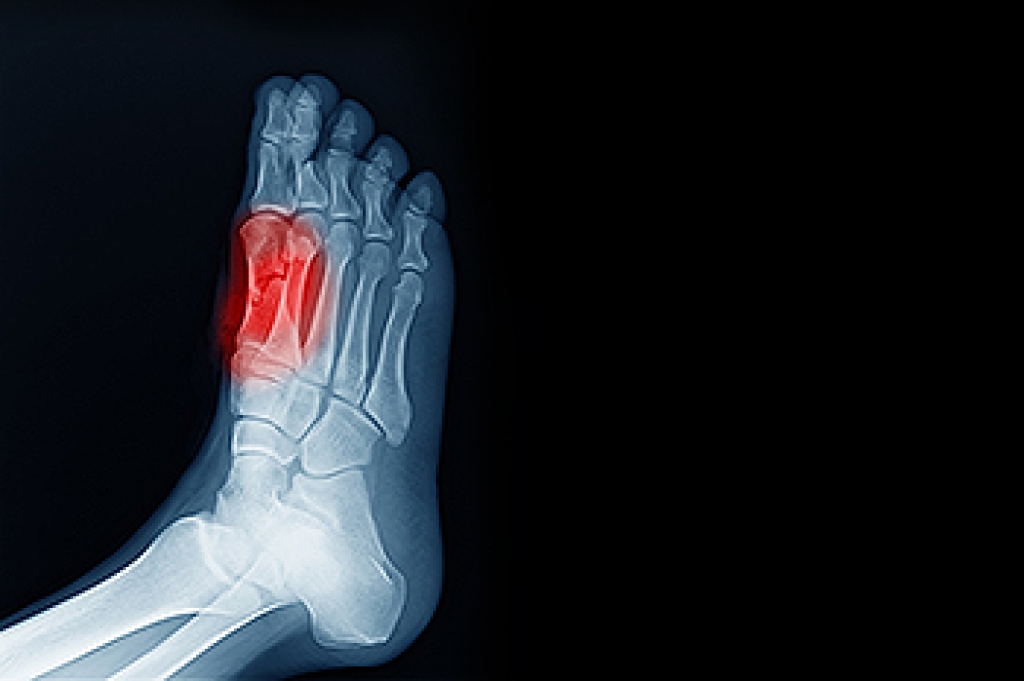
Sesamoiditis is a foot condition that develops when the sesamoid bones in the balls of the feet become inflamed and irritated. If you cycle a great deal during your exercise routine, you might be putting yourself at risk of developing sesamoiditis. Specifically, the sesamoid bones might rupture if the stress from cycling is too great on the feet. There are several ways in which you might work with a medical professional like a podiatrist to treat this problem. For example, you might treat this problem by simply cycling with more supportive footwear. Alternatively, your podiatrist might even recommend wearing orthotic devices of some kind to mitigate the effects of sesamoiditis during cycling. If you are a cyclist and are experiencing some kind of sesamoiditis, contact a podiatrist today for treatment.

Sesamoiditis is an unpleasant foot condition characterized by pain in the balls of the feet. If you think you’re struggling with sesamoiditis, contact Howard Kimmel, DPM of Buckeye Foot Care. Our doctor will treat your condition thoroughly and effectively.

Sesamoiditis

Sesamoiditis is a condition of the foot that affects the ball of the foot. It is more common in younger people than it is in older people. It can also occur with people who have begun a new exercise program, since their bodies are adjusting to the new physical regimen. Pain may also be caused by the inflammation of tendons surrounding the bones. It is important to seek treatment in its early stages because if you ignore the pain, this condition can lead to more serious problems such as severe irritation and bone fractures.

Causes of Sesamoiditis

  • Sudden increase in activity
  • Increase in physically strenuous movement without a proper warm up or build up
  • Foot structure: those who have smaller, bonier feet or those with a high arch may be more susceptible

Treatment for sesamoiditis is non-invasive and simple. Doctors may recommend a strict rest period where the patient forgoes most physical activity. This will help give the patient time to heal their feet through limited activity. For serious cases, it is best to speak with your doctor to determine a treatment option that will help your specific needs.

If you have any questions, please feel free to contact one of our offices located in Brook Park and Willoughby Hills, OH . We offer the newest diagnostic and treatment technologies for all your foot care needs.
Read more about Sesamoiditis

Do You Suffer From Painful Feet?

Painful deformities, such as hammertoes, can be treated. Stop living with foot pain, and have beautiful feet again!

Connect With Us

scroll to top