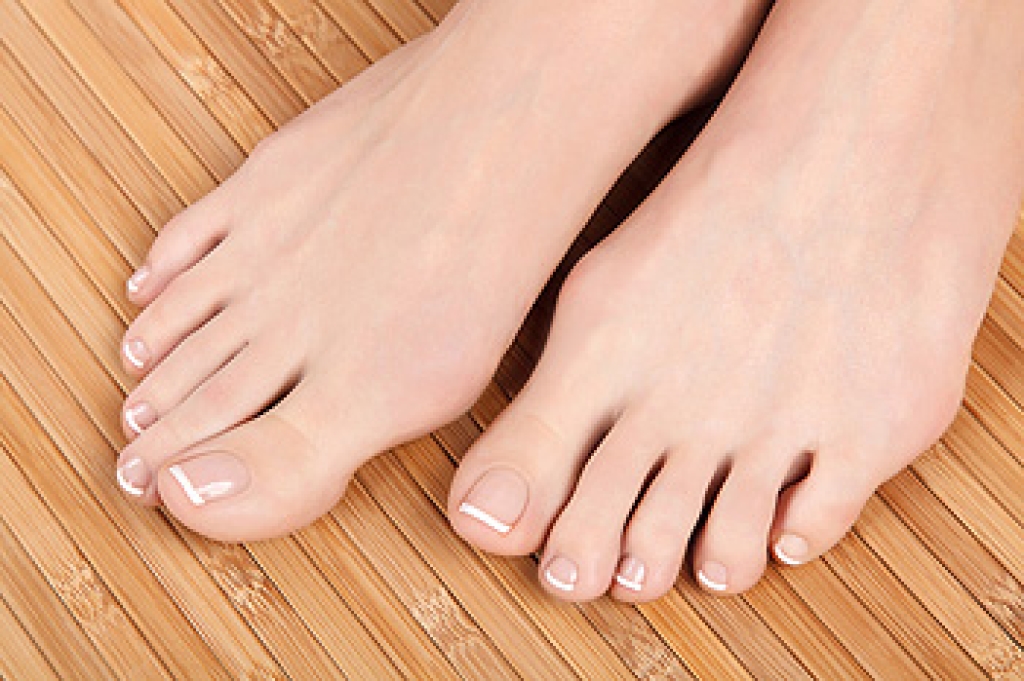
Reasons for Experiencing Pain in the Ball of the Foot

The ball of the foot is located between the arch of the foot and the toes, and it primarily contains metatarsal bones. While walking, weight is transferred from the heel to the ball of the foot, and an uneven weight transfer can cause pain and swelling in that area. As you get older, the fat pad at the bottom of the foot can wear away and cause shock to the ball of the foot. Pain in the ball of the foot can also be caused by high arches, obesity, arthritis, ill-fitting shoes, and wearing high heels too often. If you are looking to manage and limit this type of pain from becoming worse, please consult with a podiatrist for professional guidance.

Foot Pain

Foot pain can be extremely painful and debilitating. If you have a foot pain, consult with Howard Kimmel, DPM from Buckeye Foot Care. Our doctor will assess your condition and provide you with quality foot and ankle treatment.

Causes

Foot pain is a very broad condition that could be caused by one or more ailments. The most common include:

  • Bunions
  • Hammertoes
  • Plantar Fasciitis
  • Bone Spurs
  • Corns
  • Tarsal Tunnel Syndrome
  • Ingrown Toenails
  • Arthritis (such as Gout, Rheumatoid, and Osteoarthritis)
  • Flat Feet
  • Injury (from stress fractures, broken toe, foot, ankle, Achilles tendon ruptures, and sprains)
  • And more

Diagnosis

To figure out the cause of foot pain, podiatrists utilize several different methods. This can range from simple visual inspections and sensation tests to X-rays and MRI scans. Prior medical history, family medical history, and any recent physical traumatic events will all be taken into consideration for a proper diagnosis.

Treatment

Treatment depends upon the cause of the foot pain. Whether it is resting, staying off the foot, or having surgery; podiatrists have a number of treatment options available for foot pain.

If you have any questions, please feel free to contact one of our offices located in Brook Park and Willoughby Hills, OH . We offer the newest diagnostic and treatment technologies for all your foot care needs.

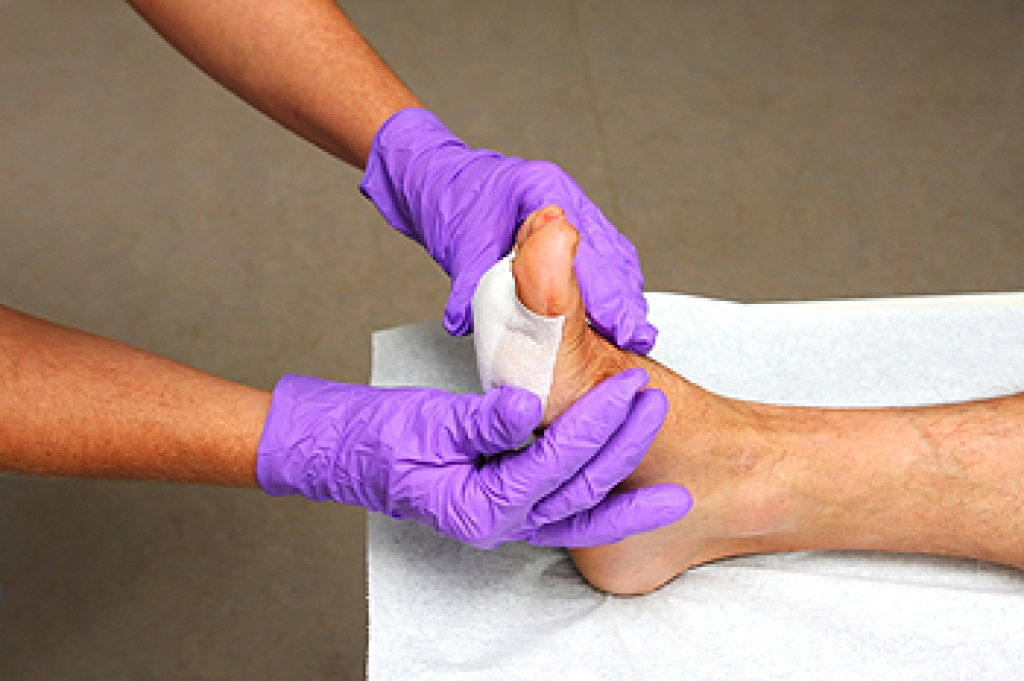
Read more about Foot Pain

What is Plantar Fasciitis?

Plantar Fasciitis is the inflammation of the tissue, known as the plantar fascia, that connects the heel bone to the toes. This tissue is responsible for supporting the bones on the arch of the foot, as well as absorbing the strain that is put on the feet during exercises. The most common symptom of plantar fasciitis is pain in the heel bone, particularly where the plantar fascia connects to the heel bone. Pain is most commonly felt when getting up in the morning or after a long time of remaining stationary. Causes may include tight calf muscles, being overweight, high arches, or high impact activities such as hiking or running. For pain relief, it is suggested to rest and ice the affected area, and custom orthotics may be beneficial as well.  If you are experiencing pain in your heel, it is recommended to see a podiatrist for a proper diagnosis and the best treatment options available. 

Plantar fasciitis can be very painful and inconvenient. If you are experiencing heel pain or symptoms of plantar fasciitis, contact Howard Kimmel, DPM  from Buckeye Foot Care. Our doctor can provide the care you need to keep you pain-free and on your feet.

What Is Plantar Fasciitis?

Plantar fasciitis is the inflammation of the thick band of tissue that runs along the bottom of your foot, known as the plantar fascia, and causes mild to severe heel pain.

What Causes Plantar Fasciitis?

  • Excessive running
  • Non-supportive shoes
  • Overpronation
  • Repeated stretching and tearing of the plantar fascia

How Can It Be Treated?

  • Conservative measures – anti-inflammatories, ice packs, stretching exercises, physical therapy, orthotic devices
  • Shockwave therapy – sound waves are sent to the affected area to facilitate healing and are usually used for chronic cases of plantar fasciitis
  • Surgery – usually only used as a last resort when all else fails. The plantar fascia can be surgically detached from the heel

While very treatable, plantar fasciitis is definitely not something that should be ignored. Especially in severe cases, speaking to your doctor right away is highly recommended to avoid complications and severe heel pain. Your podiatrist can work with you to provide the appropriate treatment options tailored to your condition.

If you have any questions, please feel free to contact one of our offices located in Brook Park and Willoughby Hills, OH . We offer the newest diagnostic and treatment technologies for all your foot care needs.

Read more about Plantar Fasciitis

What is a Corn?

Corns are formed by a buildup of hard and dead skin that usually forms around the toe joints. The most common cause of corns is poorly fitting shoes, but activities like running and climbing can lead to corns as well. They normally form in a cone-like shape and work as the foot’s method of protection from friction. Ultimately this extra skin can cause uncomfortable pressure on the feet. Corns are very common and are also treatable. The most common solutions are to wear properly fitting shoes and to take pressure off of the corn as often as possible. If you continue to experience issues with corns, or you have preexisting conditions like diabetes, poor blood flow, or fragile skin, please consult with a podiatrist.

Corns can make walking very painful and should be treated immediately. If you have questions regarding your feet and ankles, contact Howard Kimmel, DPM of Buckeye Foot Care. Our doctor will treat your foot and ankle needs.

Corns: What Are They? And How Do You Get Rid of Them?
Corns are thickened areas on the skin that can become painful. They are caused by excessive pressure and friction on the skin. Corns press into the deeper layers of the skin and are usually round in shape.

Ways to Prevent Corns
There are many ways to get rid of painful corns such as:

  • Wearing properly fitting shoes that have been measured by a professional
  • Wearing shoes that are not sharply pointed or have high heels
  • Wearing only shoes that offer support

Treating Corns

Although most corns slowly disappear when the friction or pressure stops, this isn’t always the case. Consult with your podiatrist to determine the best treatment option for your case of corns.

If you have any questions, please feel free to contact one of our offices located in Brook Park and Willoughby Hills, OH . We offer the newest diagnostic and treatment technologies for all your foot care needs.
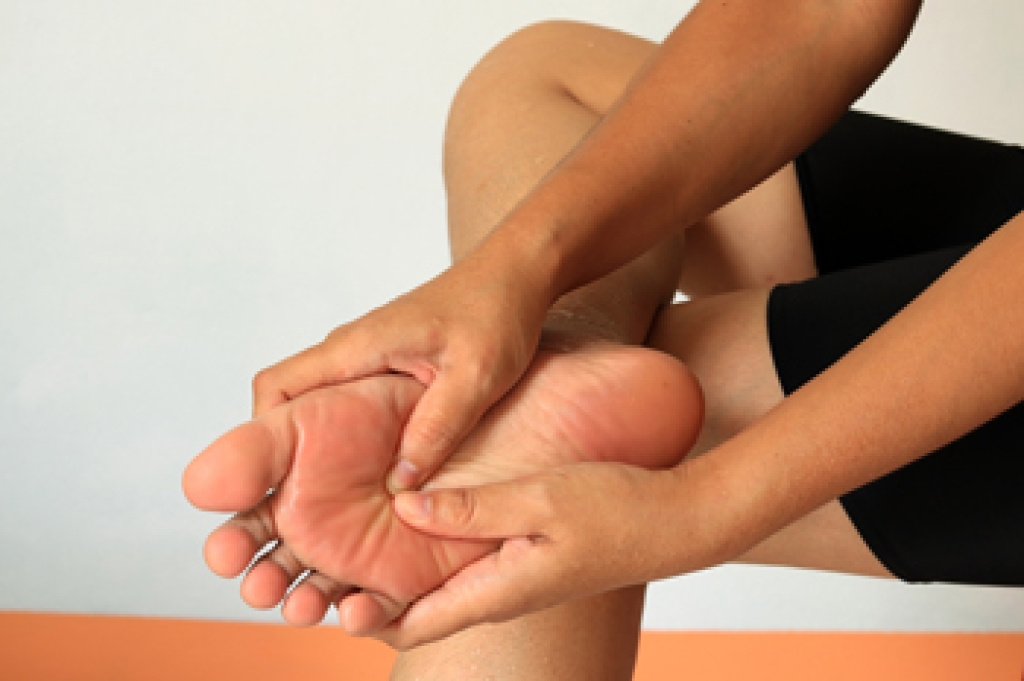
Read more about Corns: What Are They, and How Do You Get Rid of Them

What Does Morton’s Neuroma Feel Like?

Morton’s neuroma is a foot condition caused by an enlarged nerve or thickening of tissue surrounding a nerve, most commonly between the third and fourth toes. Those who have experienced this condition often relay feeling pain in the ball of their foot. Common symptoms that can accompany Morton’s neuroma include burning in the ball of your foot that can also be reached in the toes, a numbing or tingling sensation felt in the toes, and feeling as if a pebble is stuck inside your shoe. To help relieve the discomfort of Morton’s neuroma, patients have found custom orthotics and acupuncture to be beneficial. In order to properly diagnose this condition and to receive prompt treatment, it’s suggested that you speak with a podiatrist for professional care and attention.

Morton’s neuroma is a very uncomfortable condition to live with. If you think you have Morton’s neuroma, contact Howard Kimmel, DPM of Buckeye Foot Care. Our doctor will attend to all of your foot care needs and answer any of your related questions.  

Morton’s Neuroma

Morton's neuroma is a painful foot condition that commonly affects the areas between the second and third or third and fourth toe, although other areas of the foot are also susceptible. Morton’s neuroma is caused by an inflamed nerve in the foot that is being squeezed and aggravated by surrounding bones.

What Increases the Chances of Having Morton’s Neuroma?

  • Ill-fitting high heels or shoes that add pressure to the toe or foot
  • Jogging, running or any sport that involves constant impact to the foot
  • Flat feet, bunions, and any other foot deformities

Morton’s neuroma is a very treatable condition. Orthotics and shoe inserts can often be used to alleviate the pain on the forefront of the feet. In more severe cases, corticosteroids can also be prescribed. In order to figure out the best treatment for your neuroma, it’s recommended to seek the care of a podiatrist who can diagnose your condition and provide different treatment options.

If you have any questions, please feel free to contact one of our offices located in Brook Park and Willoughby Hills, OH . We offer the newest diagnostic and treatment technologies for all your foot care needs.

Read more about What is Morton's Neuroma?

Connect With Us

scroll to top