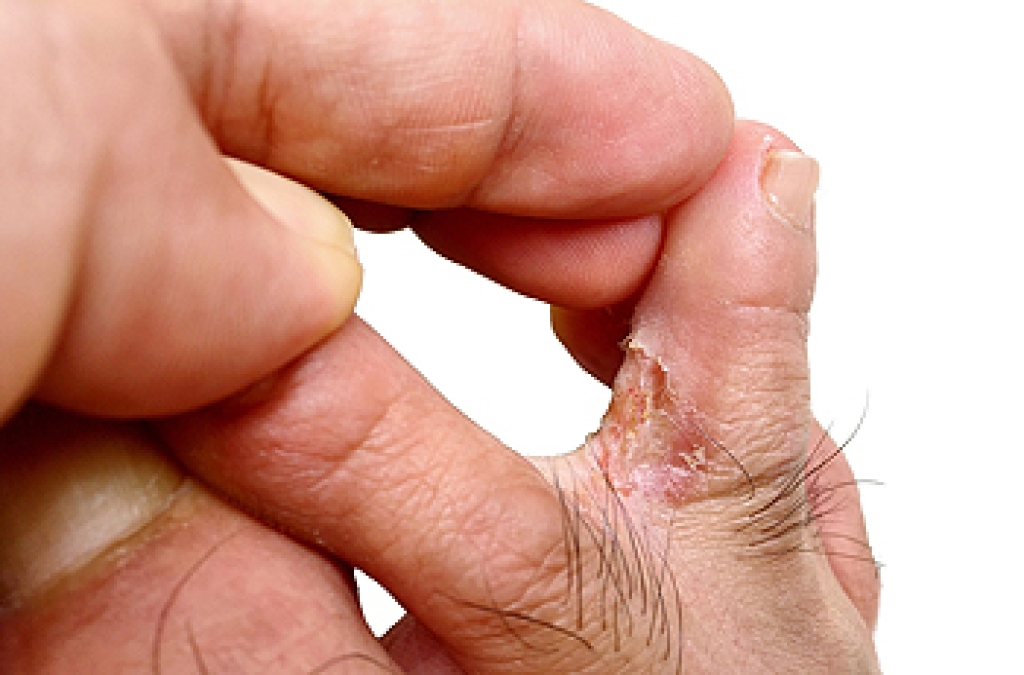
How Corns Develop

A corn on the foot may develop as a result of excess friction, and can be uncomfortable. It may develop between the toes, and appears to be a soft growth, often causing difficulty in walking. Additionally, many patients notice they form on top of the toes. This may be common in patients who have hammertoe. Mild relief may be found when the foot is soaked in warm water, as this generally helps to soften the corn. Corn pads can be worn while completing daily activities, and this is beneficial in protecting the affected area against additional friction. If you have corns, and would like advice about how to treat them, it is suggested that you consult with a podiatrist who can help you to manage this condition.

If you have any concerns regarding your feet and ankles, contact Howard Kimmel, DPM of Buckeye Foot Care. Our doctor will treat your foot and ankle needs.

Corns: What Are They? and How Do You Get Rid of Them?
Corns can be described as areas of the skin that have thickened to the point of becoming painful or irritating. They are often layers and layers of the skin that have become dry and rough, and are normally smaller than calluses.

Ways to Prevent Corns
There are many ways to get rid of painful corns such as wearing:

  • Well-fitting socks
  • Comfortable shoes that are not tight around your foot
  • Shoes that offer support

Treating Corns
Treatment of corns involves removing the dead skin that has built up in the specific area of the foot. Consult with Our doctor to determine the best treatment option for your case of corns.

If you have any questions, please feel free to contact one of our offices located in Brook Park and Willoughby Hills, OH . We offer the newest diagnostic and treatment technologies for all your foot care needs.
Read more about Corns: What Are They, and How Do You Get Rid of Them

Why Are My Feet Swollen?

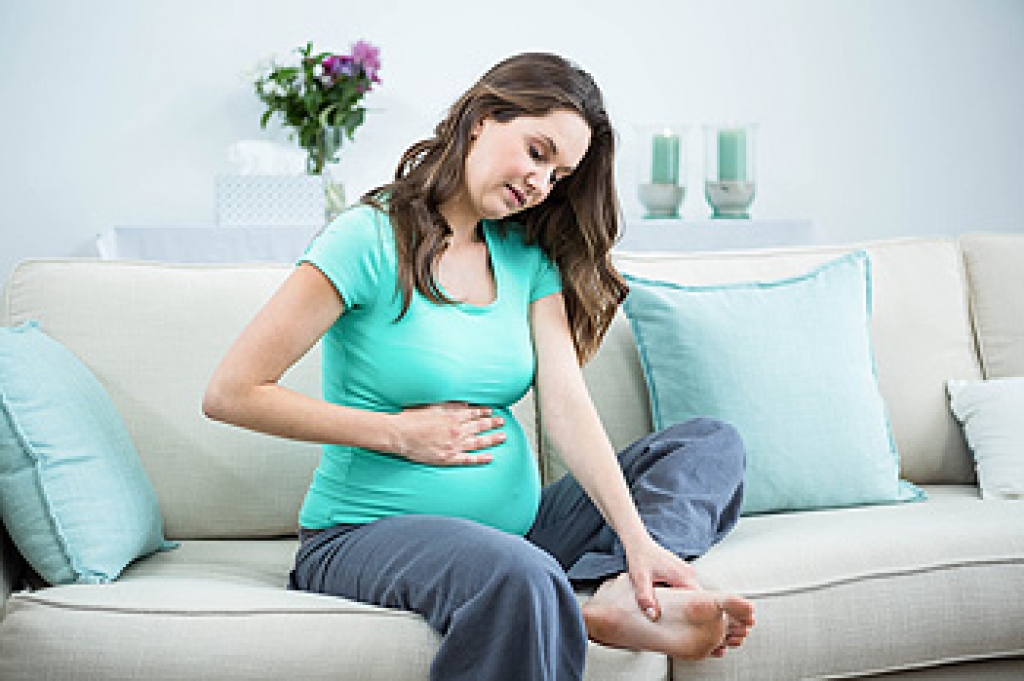
Many women are aware of the numerous aches and pains the body may experience throughout pregnancy. A common area for pain to occur is in the feet. This may be caused by the additional weight that builds during pregnancy, which may affect the arch, causing it to either disappear in the feet, or become extremely low. The feet may roll inward as a result of flat feet, and this may cause significant pain. Relief may be found when appropriate shoes are worn, and it may help to wear custom orthotics. Another common ailment that many pregnant women experience is swollen feet. This happens as a result of increased fluids and blood volume. To lessen the swelling, it may help to avoid foods that have elevated levels of salt, elevate the legs as often as possible, and wear shoes that fit correctly. If you have any questions about how pregnancy can affect the feet, it is suggested that you consult with a podiatrist.

Pregnant women with swollen feet can be treated with a variety of different methods that are readily available. For more information about other cures for swollen feet during pregnancy, consult with Howard Kimmel, DPM from Buckeye Foot Care. Our doctor will attend to all of your foot and ankle needs.

What Foot Problems Can Arise During Pregnancy?

One problem that can occur is overpronation, which occurs when the arch of the foot flattens and tends to roll inward.  This can cause pain and discomfort in your heels while you’re walking or even just standing up, trying to support your baby.  

Another problem is edema, or swelling in the extremities. This often affects the feet during pregnancy but tends to occur in the later stages. 

How Can I Keep My Feet Healthy During Pregnancy?

  • Wearing orthotics can provide extra support for the feet and help distribute weight evenly
  • Minimize the amount of time spent walking barefoot
  • Wear shoes with good arch support
  • Wear shoes that allow for good circulation to the feet
  • Elevate feet if you experience swelling
  • Massage your feet
  • Get regular, light exercise, such as walking, to promote blood circulation to the feet

If you have any questions, please feel free to contact one of our offices located in Brook Park and Willoughby Hills, OH . We offer the newest diagnostic and treatment technologies for all your foot care needs.

Read more about Foot Care for Pregnant Women

Treatment Options for a Broken Foot

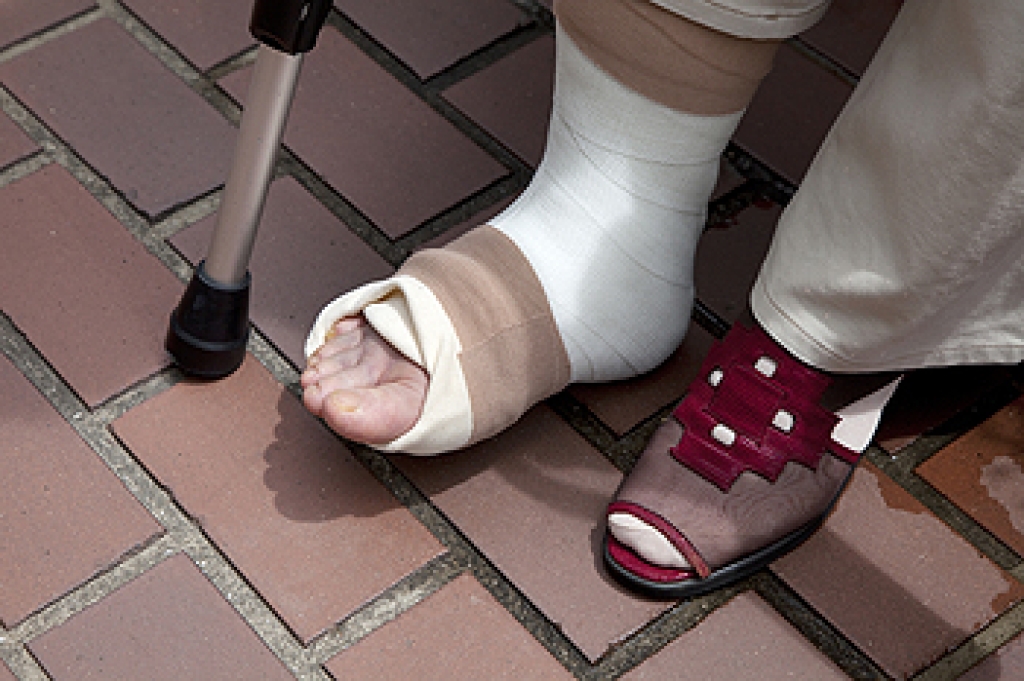
A common cause of a broken foot is a traumatic fall. Additionally, it can happen gradually from repeated stress that occurs in the same area of the foot. This can develop from frequently participating in sporting activities that involve running and jumping. The symptoms that many patients experience include severe pain and discomfort, an inability to walk, and the foot may become swollen or bruised. After a proper diagnosis is performed, which typically consists of having an X-ray taken, treatment can begin. The type of treatment may depend on the severity of the fracture. Effective methods can consist of wearing a boot or cast. If your foot is severely fractured, surgery may be necessary to repair the affected bones. If you have broken your foot, please consult with a podiatrist as quickly as possible to begin treatment.

A broken foot requires immediate medical attention and treatment. If you need your feet checked, contact Howard Kimmel, DPM from Buckeye Foot Care. Our doctor can provide the care you need to keep you pain-free and on your feet.

Broken Foot Causes, Symptoms, and Treatment

A broken foot is caused by one of the bones in the foot typically breaking when bended, crushed, or stretched beyond its natural capabilities. Usually the location of the fracture indicates how the break occurred, whether it was through an object, fall, or any other type of injury. 

Common Symptoms of Broken Feet:

  • Bruising
  • Pain
  • Redness
  • Swelling
  • Blue in color
  • Numbness
  • Cold
  • Misshapen
  • Cuts
  • Deformities

Those that suspect they have a broken foot shoot seek urgent medical attention where a medical professional could diagnose the severity.

Treatment for broken bones varies depending on the cause, severity and location. Some will require the use of splints, casts or crutches while others could even involve surgery to repair the broken bones. Personal care includes the use of ice and keeping the foot stabilized and elevated.

If you have any questions, please feel free to contact one of our offices located in Brook Park and Willoughby Hills, OH . We offer the newest diagnostic and treatment technologies for all your foot care needs.
Read more about Causes, Symptoms, and Treatment for a Broken Foot

What Can Cause Feet to Constantly Sweat?

If your feet sweat profusely, you may have a condition that is referred to as plantar hyperhidrosis. It is considered to be a rare medical ailment that typically affects approximately three percent of the population. Many patients who have this condition are aware of how their quality of life is affected. Common side effects of feet that sweat excessively can consist of soggy shoes and socks, and the feet may feel cold the majority of the time. Research has indicated this condition is generally caused by hyperactive sweat glands. The circumstances that may trigger sweating can include increased temperatures or stressful situations. If you are suffering from plantar hyperhidrosis, it is strongly advised that you consult with a podiatrist who can properly diagnosis and treat this condition.

If you are suffering from hyperhidrosis contact Howard Kimmel, DPM of Buckeye Foot Care. Our doctor can provide the care you need to attend to all of your foot and ankle needs.

Hyperhidrosis of the Feet

Hyperhidrosis is a rare disorder that can cause people to have excessive sweating of their feet. This can usually occur all on its own without rigorous activity involved. People who suffer from hyperhidrosis may also experience sweaty palms.

Although it is said that sweating is a healthy process meant to cool down the body temperature and to maintain a proper internal temperature, hyperhidrosis may prove to be a huge hindrance on a person’s everyday life.

Plantar hyperhidrosis is considered to be the main form of hyperhidrosis. Secondary hyperhidrosis can refer to sweating that occurs in areas other than the feet or hands and armpits. Often this may be a sign of it being related to another medical condition such as menopause, hyperthyroidism and even Parkinson’s disease.

In order to alleviate this condition, it is important to see your doctor so that they may prescribe the necessary medications so that you can begin to live a normal life again. If this is left untreated, it is said that it will persist throughout an individual’s life.

A last resort approach would be surgery, but it is best to speak with your doctor to find out what may be the best treatment for you.

If you have any questions, please feel free to contact one of our offices located in Brook Park and Willoughby Hills, OH . We offer the newest diagnostic and treatment technologies for all your foot care needs.

Read more about Hyperhidrosis of the Feet

Connect With Us

scroll to top