
Your feet are covered most of the day. If you're diabetic, periodic screening is important for good health. Numbness is often a sign of diabetic foot and can mask a sore or wound.
Your feet are covered most of the day. If you're diabetic, periodic screening is important for good health. Numbness is often a sign of diabetic foot and can mask a sore or wound.

Tarsal tunnel syndrome is caused by compression of the posterior tibial nerve as it passes through a narrow space inside the ankle. This pressure can lead to tingling, burning, numbness, or shooting pain in the foot and ankle. Common causes include flat feet, swelling, injury, or underlying conditions that place stress on the nerve. Risk factors include repetitive activity, improper footwear, and prolonged standing. A podiatrist can perform a thorough evaluation, identify the source of nerve compression, and develop a personalized treatment plan. Options include orthotics, footwear guidance, or targeted therapies. Early diagnosis can prevent worsening symptoms and improve mobility. If you have any of the above symptoms, it is suggested that you consult a podiatrist who can accurately diagnose and treat what may be going on.
Tarsal tunnel syndrome can be very uncomfortable to live with. If you are experiencing tarsal tunnel syndrome, contact Howard Kimmel, DPM of Buckeye Foot Care. Our doctor can provide the care you need to keep you pain-free and on your feet.
Tarsal Tunnel Syndrome
Tarsal tunnel syndrome, which can also be called tibial nerve dysfunction, is an uncommon condition of misfiring peripheral nerves in the foot. The tibial nerve is the peripheral nerve in the leg responsible for sensation and movement of the foot and calf muscles. In tarsal tunnel syndrome, the tibial nerve is damaged, causing problems with movement and feeling in the foot of the affected leg.
Common Cause of Tarsal Tunnel Syndrome
The Effects of Tarsal Tunnel Syndrome
A physical exam of the leg can help identify the presence of tarsal tunnel syndrome. Medical tests, such as a nerve biopsy, are also used to diagnose the condition. Patients may receive physical therapy and prescriptive medication. In extreme cases, some may require surgery.
If you have any questions please contact one of our offices located in Brook Park and Willoughby Hills, OH . We offer the newest diagnostic and treatment technologies for all your foot and ankle needs.
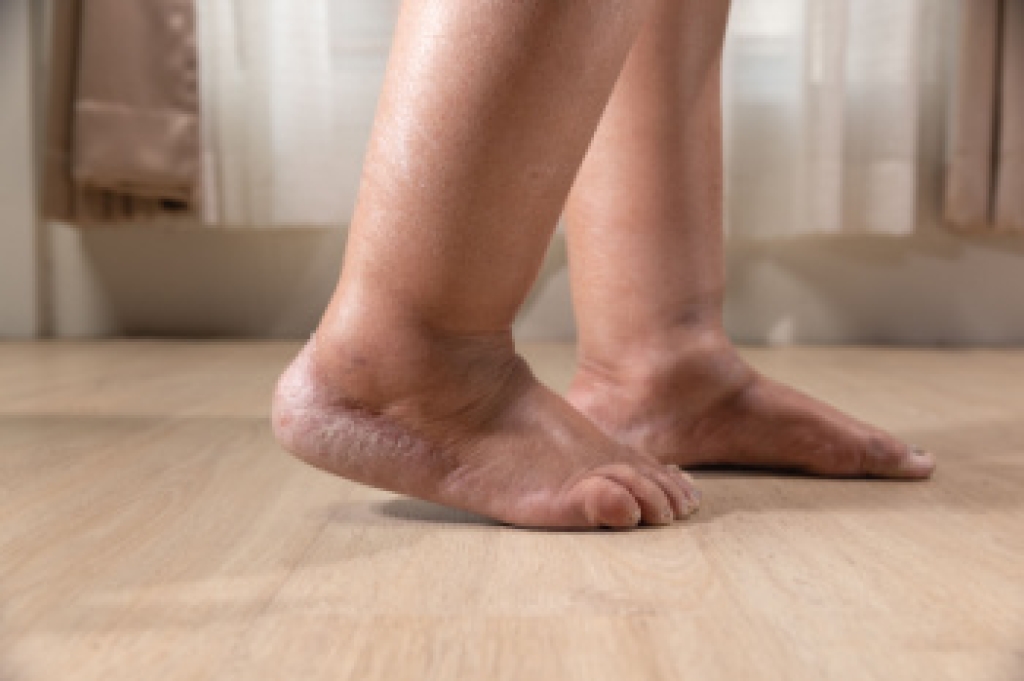
Swelling of the feet, also known as edema, can develop gradually or suddenly and may affect one or both feet. The skin may appear stretched, shiny, or puffy, and pressing on the area can leave a temporary indentation. Some people notice tightness, discomfort, or a heavy sensation that worsens throughout the day, especially after long periods of standing or sitting. Common causes include fluid retention, injury, poor circulation, certain medication, or underlying conditions like heart, kidney, or vein issues. Heat and prolonged inactivity can also contribute to swelling. A podiatrist can evaluate the pattern and severity of swelling and may recommend further testing if a systemic cause is suspected. Treatment often includes supportive footwear, compression, elevation, and targeted exercises to improve circulation. Early evaluation helps identify the cause and prevent complications. If you have persistent swelling of the feet, it is suggested that you make an appointment with a podiatrist.
Swollen feet can be a sign of an underlying condition. If you have any concerns, contact Howard Kimmel, DPM of Buckeye Foot Care. Our doctor can provide the care you need to keep you pain-free and on your feet.
Swollen feet are a common ailment among pregnant women and people who stand or sit for extended periods. Aging may increase the possibility of swollen feet and patients who are obese often notice when their feet are swelling too. There may be medical reasons why swollen feet occur:
Swollen feet can also be caused by bone and tendon conditions, including fractures, arthritis, and tendinitis. Additionally, there may be skin and toenail conditions and an infection may cause the feet to swell. Patients who take medicine to treat high blood pressure may be prone to getting swollen feet.
Many patients elevate their feet to help relieve the swelling and this is generally a temporary remedy. When a podiatrist is consulted the reason behind the swelling can be uncovered and subsequently treated.
If you have any questions please contact one of our offices located in Brook Park and Willoughby Hills, OH . We offer the newest diagnostic and treatment technologies for all your foot and ankle needs.

A heel spur is a bony growth that forms on the underside or back of the heel, often linked to strain on foot tissues. Symptoms include sharp heel pain, especially with the first steps in the morning or after rest. Risk factors include repetitive stress, poor footwear, and tight calf muscles. Gentle stretches can help relieve tension. A big toe stretch involves pulling the toe upward to stretch the arch, while a calf stretch against a wall is done by stepping one foot back and pressing the heel down. Additionally, a calf stretch on a step allows the heel to lower below the edge, and a seated calf stretch involves using a towel to pull the foot upward. Heel spurs can be painful. If this applies to you, it is suggested that you consult a podiatrist who can offer effective relief tips and discuss treatment options with you.
Stretching the feet is a great way to prevent injuries. If you have any concerns with your feet consult with Howard Kimmel, DPM from Buckeye Foot Care. Our doctor will assess your condition and provide you with quality foot and ankle treatment.
Stretching the Feet
Stretching the muscles in the foot is an important part in any physical activity. Feet that are tight can lead to less flexibility and make you more prone to injury. One of the most common forms of foot pain, plantar fasciitis, can be stretched out to help ease the pain. Stretching can not only ease pain from plantar fasciitis but also prevent it as well. However, it is important to see a podiatrist first if stretching is right for you. Podiatrists can also recommend other ways to stretch your feet. Once you know whether stretching is right for you, here are some excellent stretches you can do.
It is best to go easy when first stretching your foot and work your way up. If your foot starts hurting, stop exercising and ice and rest the foot. It is advised to then see a podiatrist for help.
If you have any questions please contact one of our offices located in Brook Park and Willoughby Hills, OH . We offer the newest diagnostic and treatment technologies for all your foot and ankle needs.
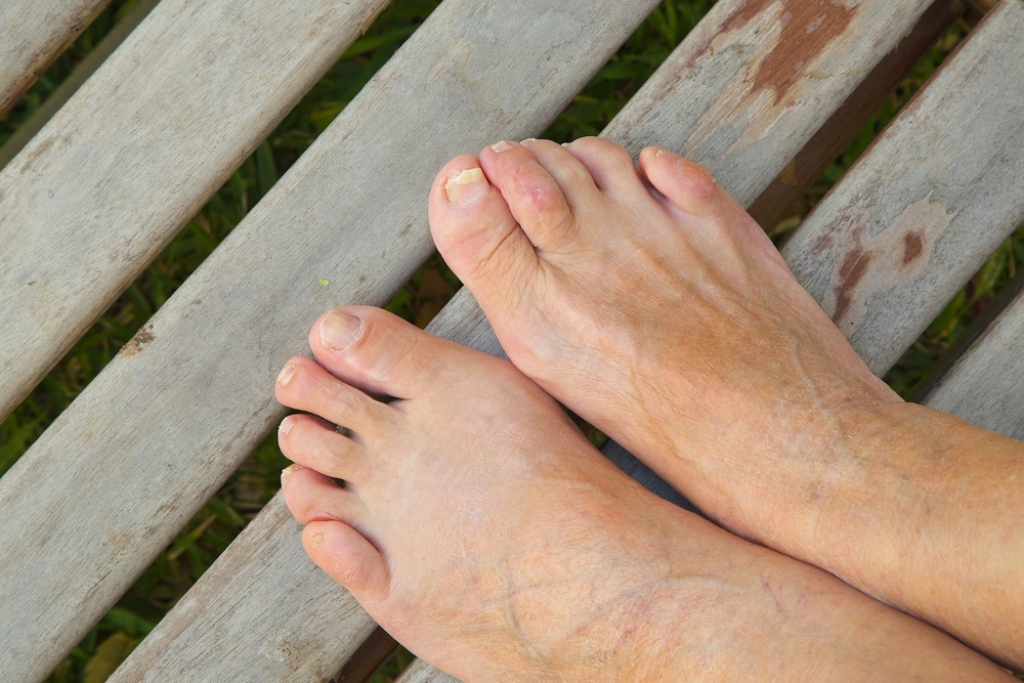
A hammertoe occurs when one of the smaller toes bends abnormally at the middle joint, creating a curled or claw-like shape. While it may begin as a mild change, it can gradually affect how the entire foot functions. As the toe loses its normal position, pressure shifts to the ball of the foot, altering weight distribution with each step. This can place extra demand on surrounding joints, tendons, and muscles, leading to compensation patterns in walking. Over time, these changes can increase tension along the sole of the foot, particularly in the plantar fascia, the band of tissue that supports the arch. As strain builds, discomfort may extend beyond the toes into the heel or ankle. Without proper management, the condition can worsen and impact overall mobility. If you have a hammertoe, it is suggested that you seek early care and guidance from a podiatrist who can help restore balance and reduce ongoing foot stress.
Hammertoes can be a painful condition to live with. For more information, contact Howard Kimmel, DPM of Buckeye Foot Care. Our doctor will answer any of your foot- and ankle-related questions.
Hammertoe
Hammertoe is a foot deformity that occurs due to an imbalance in the muscles, tendons, or ligaments that normally hold the toe straight. It can be caused by the type of shoes you wear, your foot structure, trauma, and certain disease processes.
Symptoms
Risk Factors
Treatment
If you have hammertoe, you should change into a more comfortable shoe that provides enough room for your toes. Exercises such as picking up marbles may strengthen and stretch your toe muscles. Nevertheless, it is important to seek assistance from a podiatrist in order to determine the severity of your hammertoe and see which treatment option will work best for you.
If you have any questions, please feel free to contact one of our offices located in Brook Park and Willoughby Hills, OH . We offer the newest diagnostic and treatment technologies for all your foot care needs.
Connect With Us
