Healing the Pain of Plantar Fasciitis

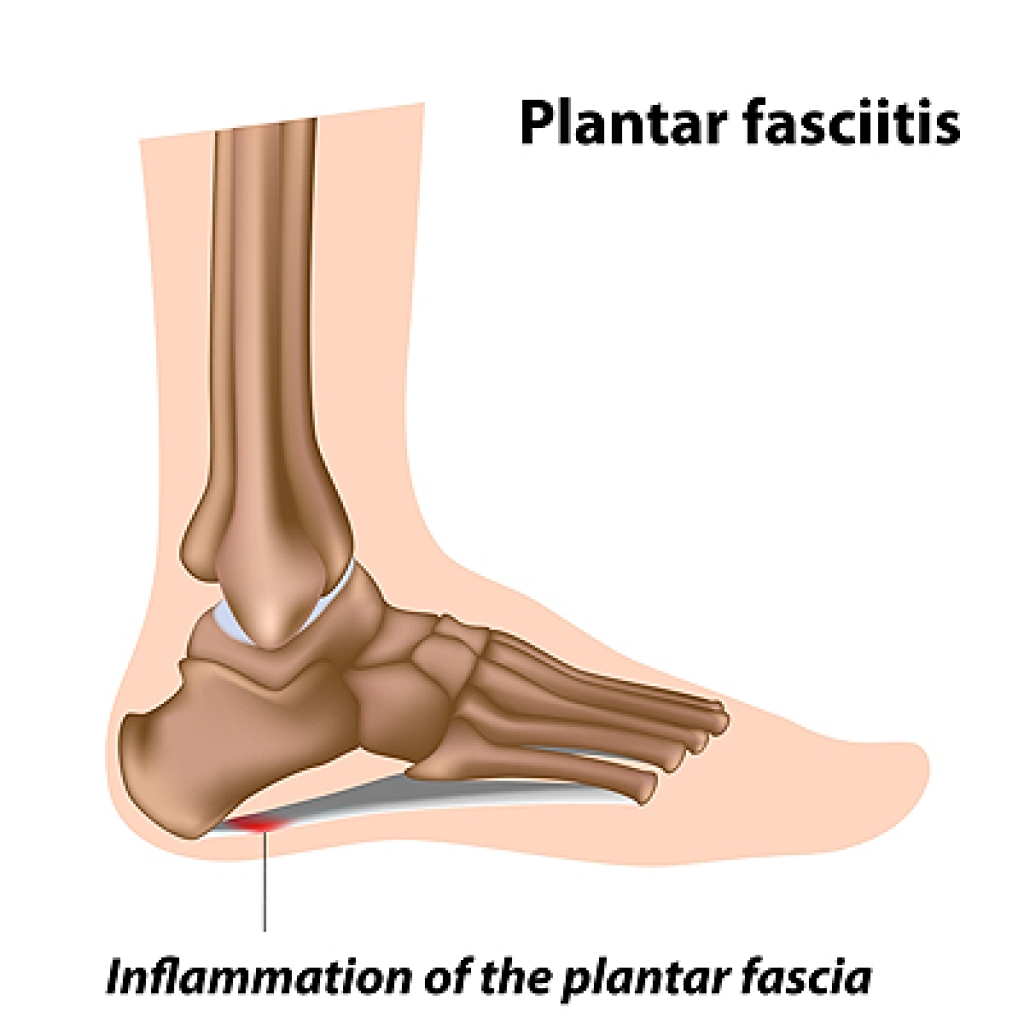
If you have a stabbing pain on the bottom of your foot near the heel that is worse first thing in the morning when you get up, you may have plantar fasciitis. Plantar fasciitis is a very common cause of heel pain, occurring when the plantar fascia—a fibrous band of tissue on the sole of the foot that links the heel bone with the toes and supports the arch—becomes irritated, swollen, hot, red and sore. This irritation may occur through overuse of the plantar fascia due to sports activities, obesity, spending a good deal of your day standing, or by having high arches or flat feet. If you are experiencing the pain of plantar fasciitis, which may be worse in the morning or after periods of rest, there are various proven methods and therapies to treat it successfully. Don’t put up with the pain of plantar fasciitis. Instead, it’s a good idea to make an appointment with a podiatrist today to begin your journey to recovery.

Plantar fasciitis is a common foot condition that is often caused by a strain injury. If you are experiencing heel pain or symptoms of plantar fasciitis, contact Howard Kimmel, DPM from Buckeye Foot Care. Our doctor can provide the care you need to keep you pain-free and on your feet.

What Is Plantar Fasciitis?

Plantar fasciitis is one of the most common causes of heel pain. The plantar fascia is a ligament that connects your heel to the front of your foot. When this ligament becomes inflamed, plantar fasciitis is the result. If you have plantar fasciitis you will have a stabbing pain that usually occurs with your first steps in the morning. As the day progresses and you walk around more, this pain will start to disappear, but it will return after long periods of standing or sitting.

What Causes Plantar Fasciitis?

  • Excessive running
  • Having high arches in your feet
  • Other foot issues such as flat feet
  • Pregnancy (due to the sudden weight gain)
  • Being on your feet very often

There are some risk factors that may make you more likely to develop plantar fasciitis compared to others. The condition most commonly affects adults between the ages of 40 and 60. It also tends to affect people who are obese because the extra pounds result in extra stress being placed on the plantar fascia.

Prevention

  • Take good care of your feet – Wear shoes that have good arch support and heel cushioning.
  • Maintain a healthy weight
  • If you are a runner, alternate running with other sports that won’t cause heel pain

There are a variety of treatment options available for plantar fasciitis along with the pain that accompanies it. Additionally, physical therapy is a very important component in the treatment process. It is important that you meet with your podiatrist to determine which treatment option is best for you.

If you have any questions, please feel free to contact one of our offices located in Brook Park and Willoughby Hills, OH . We offer the newest diagnostic and treatment technologies for all your foot care needs.
 

Read more about Plantar Fasciitis

What Can Make Your Heel Hurt?

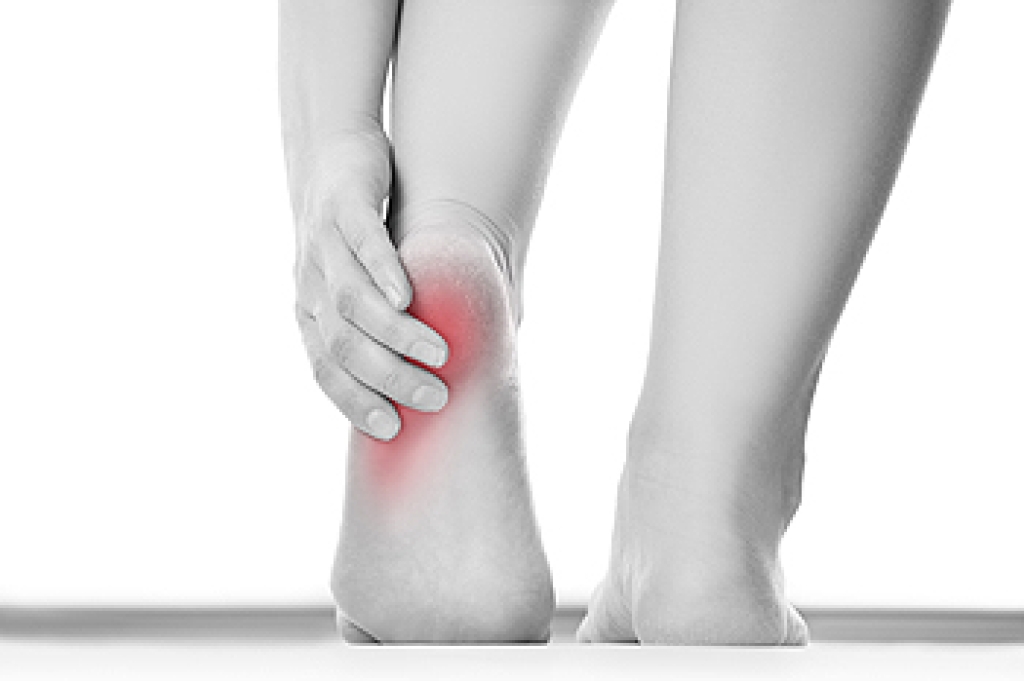
Heel pain is one of the most common reasons that people seek the care of a podiatrist. Because the heel is such a foundational part of the body, there are many potential reasons that your heel may hurt. Sometimes heel pain occurs as a natural consequence of aging. The fatty pad on the bottom of the heel, which provides cushioning and protection to the heels, slowly wears away with age, increasing the risk of heel pain. Various injuries, such as plantar fasciitis, Achilles tendonitis, fractures, sprains, and tarsal tunnel syndrome, can also make the heel hurt. Systemic conditions, including arthritis and peripheral neuropathy, may be to blame for your heel pain. Lifestyle factors, such as wearing ill-fitting shoes or standing or exercising excessively can contribute to heel pain as well. If you are suffering from heel pain, it is suggested that you see a podiatrist for treatment.

Many people suffer from bouts of heel pain. For more information, contact Howard Kimmel, DPM of Buckeye Foot Care. Our doctor can provide the care you need to keep you pain-free and on your feet.

Causes of Heel Pain

Heel pain is often associated with plantar fasciitis. The plantar fascia is a band of tissues that extends along the bottom of the foot. A rip or tear in this ligament can cause inflammation of the tissue.

Achilles tendonitis is another cause of heel pain. Inflammation of the Achilles tendon will cause pain from fractures and muscle tearing. Lack of flexibility is also another symptom.

Heel spurs are another cause of pain. When the tissues of the plantar fascia undergo a great deal of stress, it can lead to ligament separation from the heel bone, causing heel spurs.

Why Might Heel Pain Occur?

  • Wearing ill-fitting shoes                
  • Wearing non-supportive shoes
  • Weight change           
  • Excessive running

Treatments

Heel pain should be treated as soon as possible for immediate results. Keeping your feet in a stress-free environment will help. If you suffer from Achilles tendonitis or plantar fasciitis, applying ice will reduce the swelling. Stretching before an exercise like running will help the muscles. Using all these tips will help make heel pain a condition of the past.

If you have any questions, please feel free to contact one of our offices located in Brook Park and Willoughby Hills, OH . We offer the newest diagnostic and treatment technologies for all your foot care needs.

Read more about Heel Pain

Why Are My Toenails Ingrown?

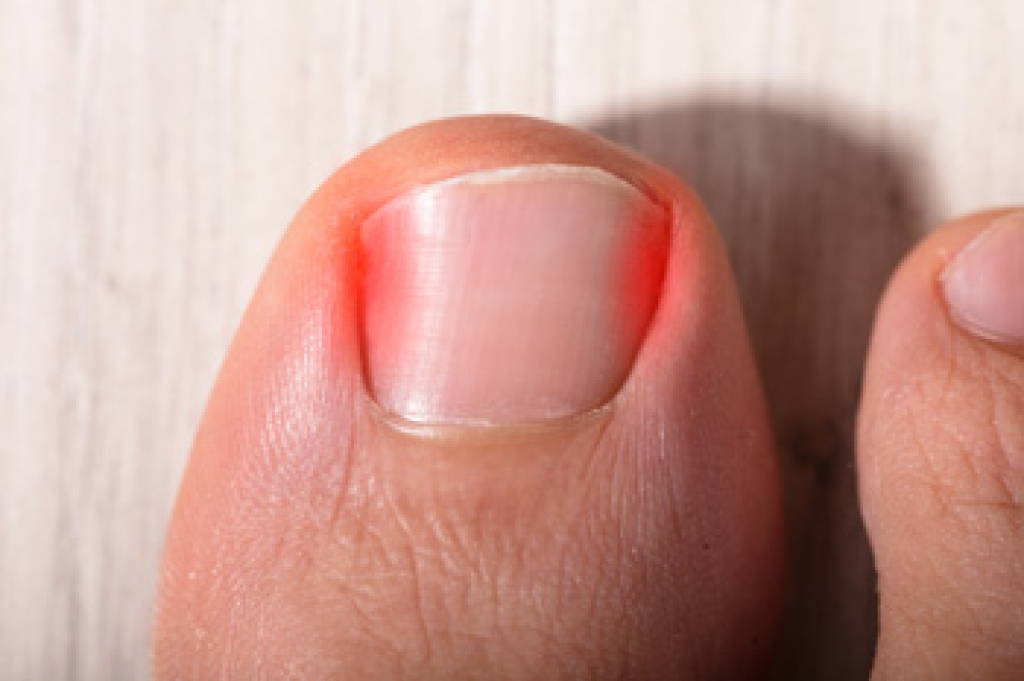
Ingrown toenails occur when the edges of a nail grow into the surrounding skin, causing pain, tenderness, redness, and swelling. The most common causes of ingrown toenails are trimming the nails improperly, wearing shoes that are too tight in the toe area, or having an abnormal gait or toe shape. Some people can also be prone to ingrown toenails due to genetic differences in the shape of their toenails. Mild ingrown toenails often heal with at-home treatments, such as putting cotton between the ingrown toenail and skin fold and wearing roomier or open-toed shoes. In cases where the ingrown toenail is severe or the surrounding area becomes infected, surgery may be needed to remove the ingrown nail. If you have painful ingrown toenails, please seek the care of a podiatrist. 

Ingrown toenails may initially present themselves as a minor discomfort, but they may progress into an infection in the skin without proper treatment. For more information about ingrown toenails, contact Howard Kimmel, DPM of Buckeye Foot Care. Our doctor can provide the care you need to keep you pain-free and on your feet.

Ingrown Toenails

Ingrown toenails are caused when the corner or side of a toenail grows into the soft flesh surrounding it. They often result in redness, swelling, pain, and in some cases, infection. This condition typically affects the big toe and may recur if it is not treated properly.

Causes

  • Improper toenail trimming
  • Genetics
  • Improper shoe fitting
  • Injury from pedicures or nail picking
  • Abnormal gait
  • Poor hygiene

You are more likely to develop an ingrown toenail if you are obese, have diabetes, arthritis, or have any fungal infection in your nails. Additionally, people who have foot or toe deformities are at a higher risk of developing an ingrown toenail.

Symptoms

Some symptoms of ingrown toenails are redness, swelling, and pain. In rare cases, there may be a yellowish drainage coming from the nail.

Treatment

Ignoring an ingrown toenail can have serious complications. Infections of the nail border can progress to a deeper soft-tissue infection, which can then turn into a bone infection. You should always speak with your podiatrist if you suspect you have an ingrown toenail, especially if you have diabetes or poor circulation.

If you have any questions, please feel free to contact one of our offices located in Brook Park and Willoughby Hills, OH . We offer the newest diagnostic and treatment technologies for all your foot care needs.
Read more about Ingrown Toenail Care

Plantar Warts Can Be Treated!

Plantar warts are small growths that develop on parts of the feet that bear weight. They're typically found on the bottom of the foot. Don't live with plantar warts, and call us today!

Cuboid Syndrome Can Cause Pain on the Outside of Your Feet

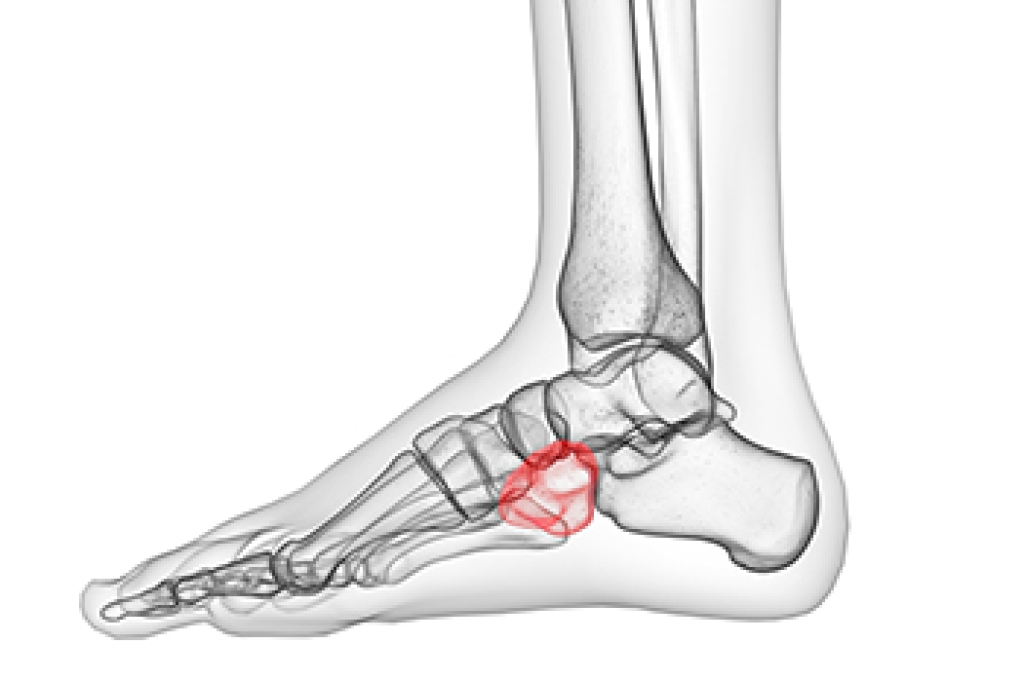
Cuboid syndrome occurs when the cuboid bone in the midfoot becomes partially dislocated (subluxes). This can occur during an acute injury such as an inversion sprain of the ankle, or over time from jumping, running, etc., which can place repetitive strain on the muscle which attaches to the lateral (outer) side of the foot. When the cuboid bone subluxes, this can prevent surrounding bones from moving properly. It is believed that having flat feet, or a gait where your foot rolls inward when you walk may put you at higher risk of developing cuboid syndrome. Symptoms of cuboid syndrome can include lateral foot pain which worsens in the morning or during activity, swelling and tenderness in the area, an overall feeling of weakness or difficulty when walking, running or jumping. If you believe you may have cuboid syndrome, make an appointment with a podiatrist as soon as possible. They will use a variety of imaging and physical tests to assess your condition and create a comprehensive treatment plan to guide the cuboid bone back into position and relieve pain and swelling.

Cuboid syndrome, also known as cuboid subluxation, occurs when the joints and ligaments near the cuboid bone in the foot become torn. If you have cuboid syndrome, consult with Howard Kimmel, DPM from Buckeye Foot Care. Our doctor will assess your condition and provide you with quality foot and ankle treatment.

Cuboid syndrome is a common cause of lateral foot pain, which is pain on the outside of the foot. The condition may happen suddenly due to an ankle sprain, or it may develop slowly overtime from repetitive tension through the bone and surrounding structures.

Causes

The most common causes of cuboid syndrome include:

  • Injury – The most common cause of this ailment is an ankle sprain.
  • Repetitive Strain – Tension placed through the peroneus longus muscle from repetitive activities such as jumping and running may cause excessive traction on the bone causing it to sublux.
  • Altered Foot Biomechanics – Most people suffering from cuboid subluxation have flat feet.

Symptoms

A common symptom of cuboid syndrome is pain along the outside of the foot which can be felt in the ankle and toes. This pain may create walking difficulties and may cause those with the condition to walk with a limp.

Diagnosis

Diagnosis of cuboid syndrome is often difficult, and it is often misdiagnosed. X-rays, MRIs and CT scans often fail to properly show the cuboid subluxation. Although there isn’t a specific test used to diagnose cuboid syndrome, your podiatrist will usually check if pain is felt while pressing firmly on the cuboid bone of your foot.

Treatment

Just as the range of causes varies widely, so do treatments. Some more common treatments are ice therapy, rest, exercise, taping, and orthotics.

If you have any questions, please feel free to contact one of our offices located in Brook Park and Willoughby Hills, OH . We offer the newest diagnostic and treatment technologies for all your foot care needs.

Read more about All About Cuboid Syndrome

Connect With Us

scroll to top