Symptoms of Ankle Sprains and Strains

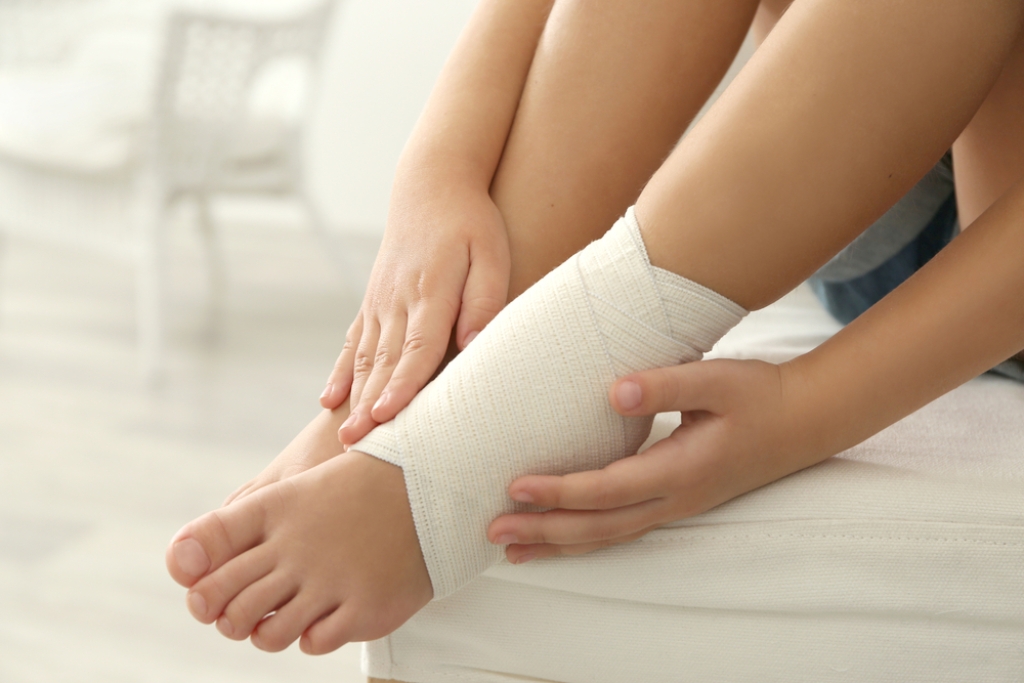
Sometimes an ankle sprain and an ankle strain can be difficult to differentiate. Ankle sprains occur when one or more ligaments in the affected ankle are overstretched or torn, usually during a single incident, like stepping off a curb and twisting your ankle. Ankle strains occur when the muscles or tendons of the affected ankle are repetitively damaged over time. Symptoms of an ankle sprain include localized pain, swelling, bruising, and limited mobility. At the time of the injury, you may also hear a popping sound or feel a popping sensation, and pain will usually be sudden and intense. Symptoms of an ankle strain include pain, swelling, redness, inflammation, muscle spasms, cramps, or weakness, and a limited range of motion. If you are suffering from ankle pain, please schedule an appointment with a podiatrist. 

Ankle sprains are common but need immediate attention. If you need your feet checked, contact Howard Kimmel, DPM from Buckeye Foot Care. Our doctor can provide the care you need to keep you pain-free and on your feet.

How Does an Ankle Sprain Occur?

Ankle sprains take place when the ligaments in your ankle are torn or stretched beyond their limits. There are multiple ways that the ankle can become injured, including twisting or rolling over onto your ankle, putting undue stress on it, or causing trauma to the ankle itself.

What Are the Symptoms?

  • Mild to moderate bruising
  • Limited mobility
  • Swelling
  • Discoloration of the skin (depending on severity)

Preventing a Sprain

  • Wearing appropriate shoes for the occasion
  • Stretching before exercises and sports
  • Knowing your limits

Treatment of a Sprain

Treatment of a sprain depends on the severity.  Many times, people are told to rest and remain off their feet completely, while others are given an air cast. If the sprain is very severe, surgery may be required.

If you have suffered an ankle sprain previously, you may want to consider additional support such as a brace and regular exercises to strengthen the ankle.

If you have any questions please feel free to contact one of our offices located in Brook Park and Willoughby Hills, OH . We offer the newest diagnostic tools and technology to treat your foot and ankle needs.
Read more about Ankle Sprains

Tips to Prevent Falls for Adults Over 65

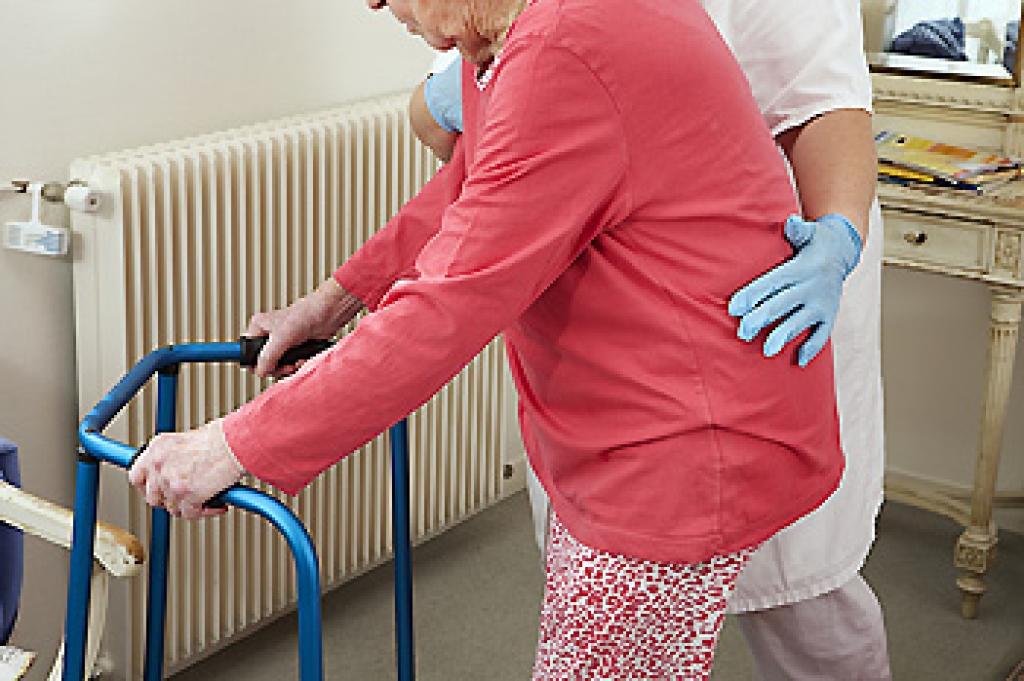
Roughly 1 in 4 older adults fall annually, which is why it is important for people over 65 to practice various safety measures to reduce risks of falling. Exercises can be done to strengthen muscles and improve balance. Pharmaceuticals should be reviewed to eliminate any medicine that causes drowsiness or dizziness. Vision should be checked annually to update eyewear as prescriptions change. Homes should be made as fall-proof as possible by installing grab bars near toilets and in showers and railings on both sides of stairs. Clutter should be eliminated from walkways, bright lighting should be installed, and small rugs should be eliminated or taped down to avoid slippage. A trip to the podiatrist is also recommended for a thorough examination to ensure that feet and ankles are healthy. A gait analysis may also be performed to see if custom orthotics may help improve balance and mobility.

Preventing falls among the elderly is very important. If you are older and have fallen or fear that you are prone to falling, consult with Howard Kimmel, DPM from Buckeye Foot Care. Our doctor will assess your condition and provide you with quality advice and care.

Every 11 seconds, an elderly American is being treated in an emergency room for a fall related injury. Falls are the leading cause of head and hip injuries for those 65 and older. Due to decreases in strength, balance, senses, and lack of awareness, elderly persons are very susceptible to falling. Thankfully, there are a number of things older persons can do to prevent falls.

How to Prevent Falls

Some effective methods that older persons can do to prevent falls include:

  • Enrolling in strength and balance exercise program to increase balance and strength
  • Periodically having your sight and hearing checked
  • Discuss any medications you have with a doctor to see if it increases the risk of falling
  • Clearing the house of falling hazards and installing devices like grab bars and railings
  • Utilizing a walker or cane
  • Wearing shoes that provide good support and cushioning
  • Talking to family members about falling and increasing awareness

Falling can be a traumatic and embarrassing experience for elderly persons; this can make them less willing to leave the house, and less willing to talk to someone about their fears of falling. Doing such things, however, will increase the likelihood of tripping or losing one’s balance. Knowing the causes of falling and how to prevent them is the best way to mitigate the risk of serious injury.  

If you have any questions, please feel free to contact one of our offices located in Brook Park and Willoughby Hills, OH . We offer the newest diagnostic and treatment technologies for all your foot care needs.

Read more about Falls Prevention

What is PAD (Peripheral Artery Disease)?

Millions of people in the United States suffer from peripheral artery disease (PAD), which is a narrowing of the arteries in the extremities and other areas of the body (excluding the heart and brain). PAD is most typically caused by an accumulation of fatty material in the arteries (atherosclerosis). PAD can restrict blood flow to the legs and feet where symptoms are often present, including: cold feet, a loss of hair on the legs and feet, skin that has a shiny appearance, toenails that are brittle or grow slowly, sores on the feet or legs that don’t heal, weakness in the legs, difficulty finding a pulse in the foot or leg, and more. It is important to be properly diagnosed and treated early to avoid more dangerous conditions from developing and to reduce the risk of stroke and heart attack. If you are exhibiting any of the symptoms described, it is suggested that you make an appointment with a podiatrist as soon as possible.

Peripheral artery disease can pose a serious risk to your health. It can increase the risk of stroke and heart attack. If you have symptoms of peripheral artery disease, consult with Howard Kimmel, DPM from Buckeye Foot Care. Our doctor will assess your condition and provide you with quality foot and ankle treatment.

Peripheral artery disease (PAD) is when arteries are constricted due to plaque (fatty deposits) build-up. This results in less blood flow to the legs and other extremities. The main cause of PAD is atherosclerosis, in which plaque builds up in the arteries.

Symptoms

Symptoms of PAD include:

  • Claudication (leg pain from walking)
  • Numbness in legs
  • Decrease in growth of leg hair and toenails
  • Paleness of the skin
  • Erectile dysfunction
  • Sores and wounds on legs and feet that won’t heal
  • Coldness in one leg

It is important to note that a majority of individuals never show any symptoms of PAD.

Diagnosis

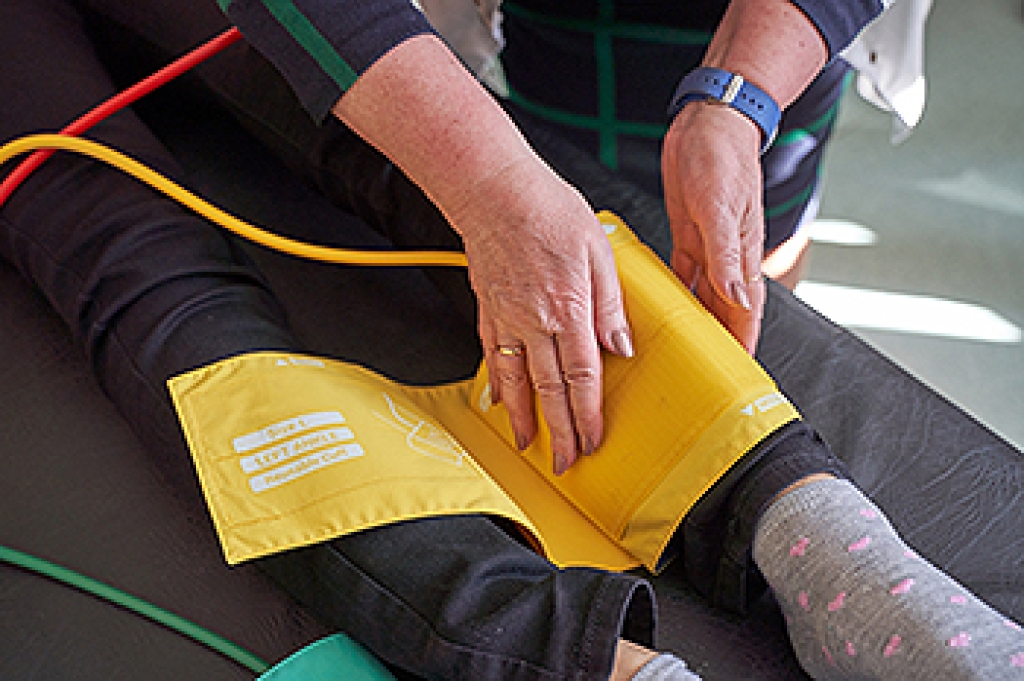
While PAD occurs in the legs and arteries, Podiatrists can diagnose PAD. Podiatrists utilize a test called an ankle-brachial index (ABI). An ABI test compares blood pressure in your arm to you ankle to see if any abnormality occurs. Ultrasound and imaging devices may also be used.

Treatment

Fortunately, lifestyle changes such as maintaining a healthy diet, exercising, managing cholesterol and blood sugar levels, and quitting smoking, can all treat PAD. Medications that prevent clots from occurring can be prescribed. Finally, in some cases, surgery may be recommended.

If you have any questions, please feel free to contact one of our offices located in Brook Park and Willoughby Hills, OH . We offer the newest diagnostic and treatment technologies for all your foot care needs.

Read more about Peripheral Artery Disease

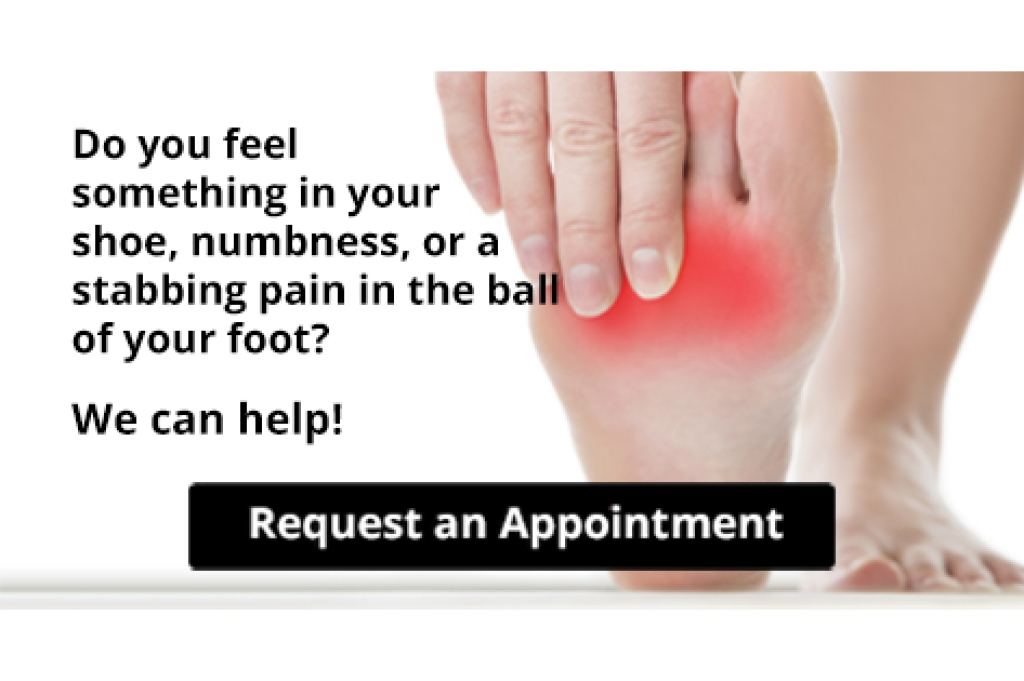
Why Live with Pain and Numbness in Your Feet?

Suffering from this type of pain? You may have the foot condition known as Morton's neuroma. Morton's neuroma may develop as a result of ill-fitting footwear and existing foot deformities. We can help.

Is Shockwave Therapy Painful?

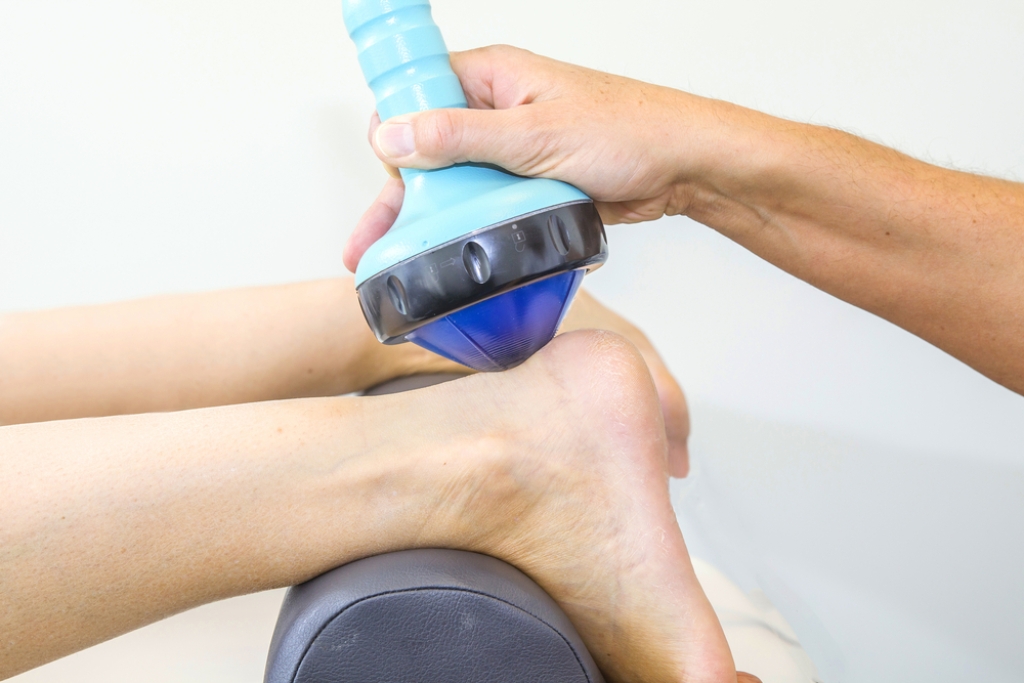
Shockwave therapy is a potential treatment option for various foot and ankle conditions, particularly chronic plantar fasciitis, which causes pain in the heel and arch. Shockwave therapy is a non-invasive treatment that uses pressurized air or electromagnetic pulses to stimulate the body’s natural healing processes in the affected area. There are two main types of shockwave treatments - low energy and high energy. Low energy shockwave treatments are typically painless or mildly painful. High energy shockwave treatments can be painful and sometimes require anesthesia. If you have chronic plantar fasciitis and conservative treatments have not helped, shockwave therapy may be another treatment option for you to consider. To learn more about this and other treatments for plantar fasciitis, please consult with a podiatrist. 

Shockwave therapy is a treatment commonly used to treat various injuries and conditions, particularly plantar fasciitis in the feet. To learn more, consult with Howard Kimmel, DPM from Buckeye Foot Care. Our doctor can provide the care you need to keep you pain-free and on your feet.

Shockwave Therapy

Shockwave therapy is a new treatment option designed to treat bone conditions such as tennis elbow, shoulder pain, and others. Shockwave therapy uses high intensity sound waves that are directed to the affected tissues of the body with pinpoint accuracy. The effects are very beneficial, leading to a production of collagen fibers, eliminating inflammation.

Who Benefits from Shockwave?

Shockwave is recommended for patients suffering from heel pain and associated problems. Heel pain is a common condition which can be caused by obesity, overexertion, and spending a substantial amount of time on hard floors with your feet exposed and unsupported.

Fast and Easy

The therapy is actually a simple process that can leave patients feeling better the very next day. Shockwave therapy is not as dramatic as it sounds. It enables more blood flow to effected areas, addressing the source of the problem and allowing treatment to last for a long time.

Treatment & Recovery Time

Shockwave treatment will enable your feet to recover quickly. This is especially important since surgery is not required. It is cost effective and does not require the use of anesthesia. This treatment is a better option to surgery, since it is proven safe.

If you have any questions, please feel free to contact one of our offices located in Brook Park and Willoughby Hills, OH . We offer the newest diagnostic and treatment technologies for all your foot care needs.

Read more about Treating Heel Pain with Shockwave Therapy

Connect With Us

scroll to top