
Are High Heels Good for Your Feet?

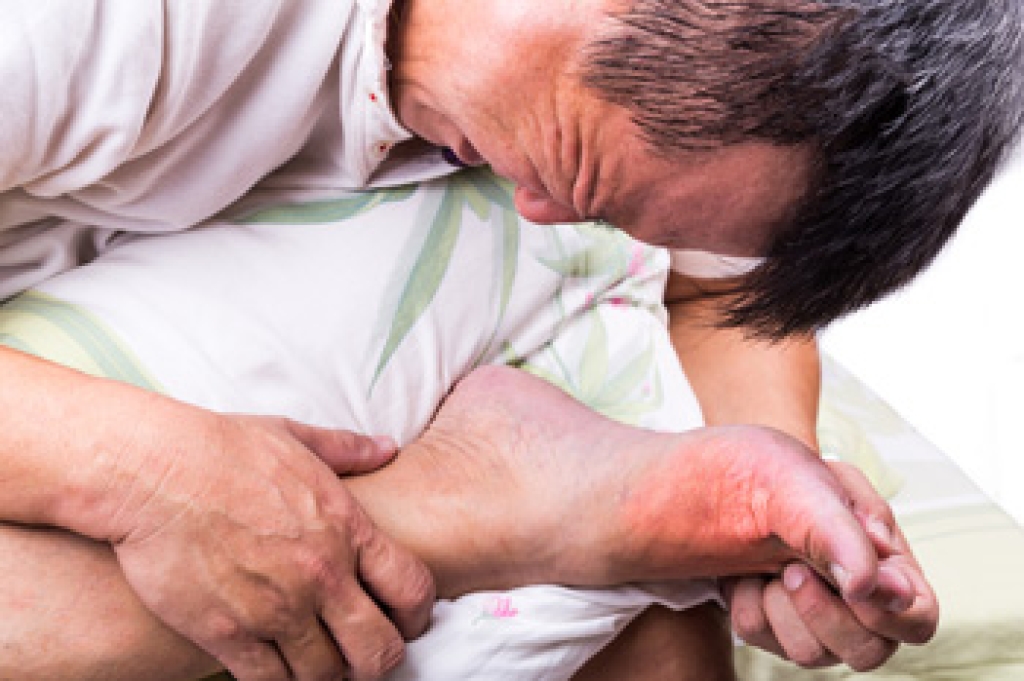
If you frequently wear high heels, you may be prone to having sore and aching feet. This may be a result of the unnatural position the feet are in while wearing these types of shoes. There may be specific foot conditions that can develop from wearing high heels. These can include ingrown toenails and hammertoes, which can happen if there is a limited amount of room for the toes to move freely in. Additionally, it may be easier to fall, which may cause an ankle injury. If you choose to wear high heels, it may be beneficial to alternate days by wearing shoes with a lower heel. Research has indicated it may be beneficial to perform gentle stretches, which may help to strengthen the calves and to keep the feet strong. If you would like additional information about the possible dangers high heels can have on the feet, please consult with a podiatrist.

High heels have a history of causing foot and ankle problems. If you have any concerns about your feet or ankles, contact Howard Kimmel, DPM from Buckeye Foot Care. Our doctor can provide the care you need to keep you pain-free and on your feet.

Effects of High Heels on the Feet

High heels are popular shoes among women because of their many styles and societal appeal.  Despite this, high heels can still cause many health problems if worn too frequently.

Which Parts of My Body Will Be Affected by High Heels?

  • Ankle Joints
  • Achilles Tendon – May shorten and stiffen with prolonged wear
  • Balls of the Feet
  • Knees – Heels cause the knees to bend constantly, creating stress on them
  • Back – They decrease the spine’s ability to absorb shock, which may lead to back pain.  The vertebrae of the lower back may compress.

What Kinds of Foot Problems Can Develop from Wearing High Heels?

  • Corns
  • Calluses
  • Hammertoe
  • Bunions
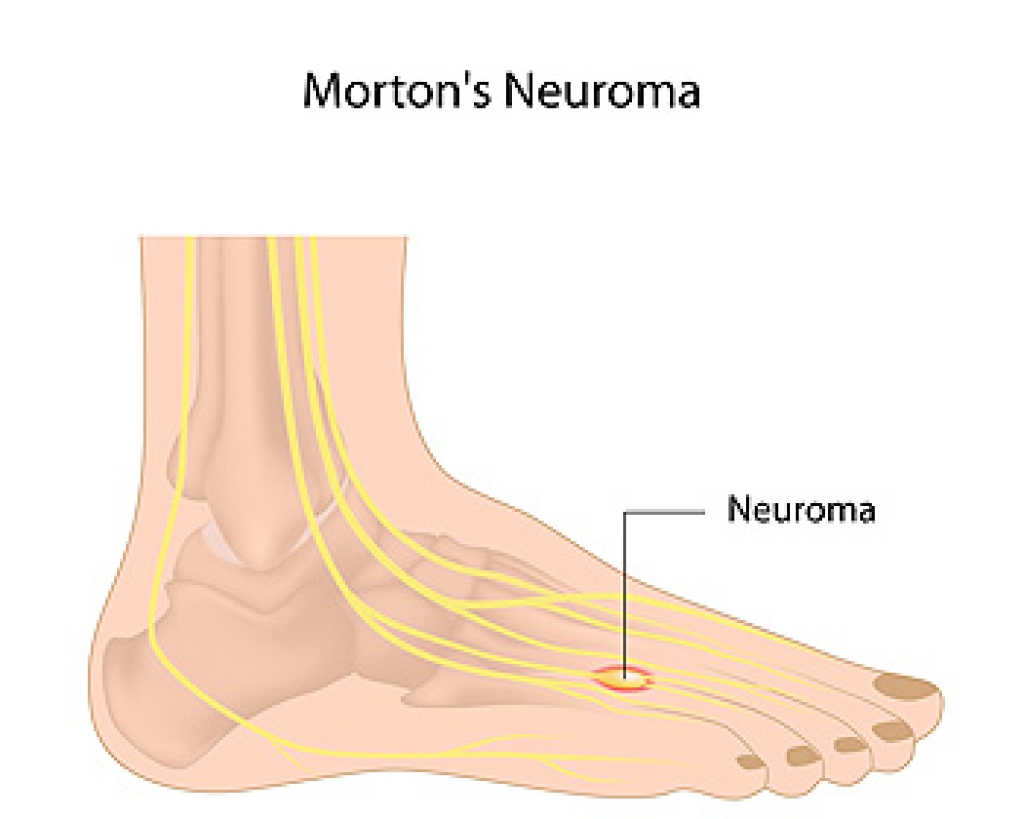
  • Morton’s Neuroma
  • Plantar Fasciitis

How Can I Still Wear High Heels and Maintain Foot Health?

If you want to wear high heeled shoes, make sure that you are not wearing them every day, as this will help prevent long term physical problems.  Try wearing thicker heels as opposed to stilettos to distribute weight more evenly across the feet.  Always make sure you are wearing the proper shoes for the right occasion, such as sneakers for exercising.  If you walk to work, try carrying your heels with you and changing into them once you arrive at work.  Adding inserts to your heels can help cushion your feet and absorb shock. Full foot inserts or metatarsal pads are available. 

If you have any questions, please feel free to contact one of our offices located in Brook Park and Willoughby Hills, OH . We offer the newest diagnostic and treatment technologies for all your foot care needs.
Read more about Effect of High Heels on the Feet

What Is Morton’s Neuroma?

Patients who have discomfort between the third and fourth toes may be experiencing a condition that is referred to as Morton’s neuroma. It occurs as a result of swollen nerve tissue that grows in this area, and is known to be non-cancerous and painful. Additionally, pain may be felt on the ball of the foot. Research has indicated that patients who frequently wear high heels and participate in sporting activities may be prone to developing this condition. Effective treatment may consist of wearing different shoes, using painkillers, and some patients may benefit from taking steroid injections. There are gentle stretches that can be performed which may provide mild relief. If you are afflicted with Morton’s neuroma, it is advised that you consult with a podiatrist who can offer proper treatment options which may include surgery.

Morton’s neuroma is a very uncomfortable condition to live with. If you think you have Morton’s neuroma, contact Howard Kimmel, DPM of Buckeye Foot Care. Our doctor will attend to all of your foot care needs and answer any of your related questions.  

Morton’s Neuroma

Morton's neuroma is a painful foot condition that commonly affects the areas between the second and third or third and fourth toe, although other areas of the foot are also susceptible. Morton’s neuroma is caused by an inflamed nerve in the foot that is being squeezed and aggravated by surrounding bones.

What Increases the Chances of Having Morton’s Neuroma?

  • Ill-fitting high heels or shoes that add pressure to the toe or foot
  • Jogging, running or any sport that involves constant impact to the foot
  • Flat feet, bunions, and any other foot deformities

Morton’s neuroma is a very treatable condition. Orthotics and shoe inserts can often be used to alleviate the pain on the forefront of the feet. In more severe cases, corticosteroids can also be prescribed. In order to figure out the best treatment for your neuroma, it’s recommended to seek the care of a podiatrist who can diagnose your condition and provide different treatment options.

If you have any questions, please feel free to contact one of our offices located in Brook Park and Willoughby Hills, OH . We offer the newest diagnostic and treatment technologies for all your foot care needs.

Read more about Morton's Neuroma

Why Does Gout Develop?

The pain and discomfort that often accompanies the medical condition that is known as gout can be described as severe and intense. It is considered to be a form of arthritis, and typically affects the joints surrounding the big toe. It is generally caused by elevated uric acid levels in the blood, and can develop from eating foods that have high purine levels. These types of food can consist of shellfish, red meat, and sugary drinks. Additionally, genetic factors may play a significant role in developing gout. Mild relief may be found when joint pain is controlled, and this may be accomplished by taking an anti-inflammatory medication. Painful gout attacks may be avoided when a healthy food plan is implemented. This can also include limiting alcoholic beverages and losing excess weight. If you suffer from gout, it is strongly suggested that you consult with a podiatrist who can help you to manage this condition.

Gout is a foot condition that requires certain treatment and care. If you are seeking treatment, contact Howard Kimmel, DPM from Buckeye Foot Care. Our doctor will treat your foot and ankle needs.

What Is Gout?

Gout is a type of arthritis caused by a buildup of uric acid in the bloodstream. It often develops in the foot, especially the big toe area, although it can manifest in other parts of the body as well. Gout can make walking and standing very painful and is especially common in diabetics and the obese.

People typically get gout because of a poor diet. Genetic predisposition is also a factor. The children of parents who have had gout frequently have a chance of developing it themselves.

Gout can easily be identified by redness and inflammation of the big toe and the surrounding areas of the foot. Other symptoms include extreme fatigue, joint pain, and running high fevers. Sometimes corticosteroid drugs can be prescribed to treat gout, but the best way to combat this disease is to get more exercise and eat a better diet.

If you have any questions, please feel free to contact one of our offices located in Brook Park and Willoughby Hills, OH . We offer the newest diagnostic and treatment technologies for all your foot care needs.
Read more about Everything You Need to Know About Gout

Heel Pain Can Be Treated!

Do you suffer from heel pain when you get up in the morning? If so, you should seek professional help and have a proper diagnosis performed. Heel pain can be caused by several different foot-related conditions.

How Does A Bunion Develop?

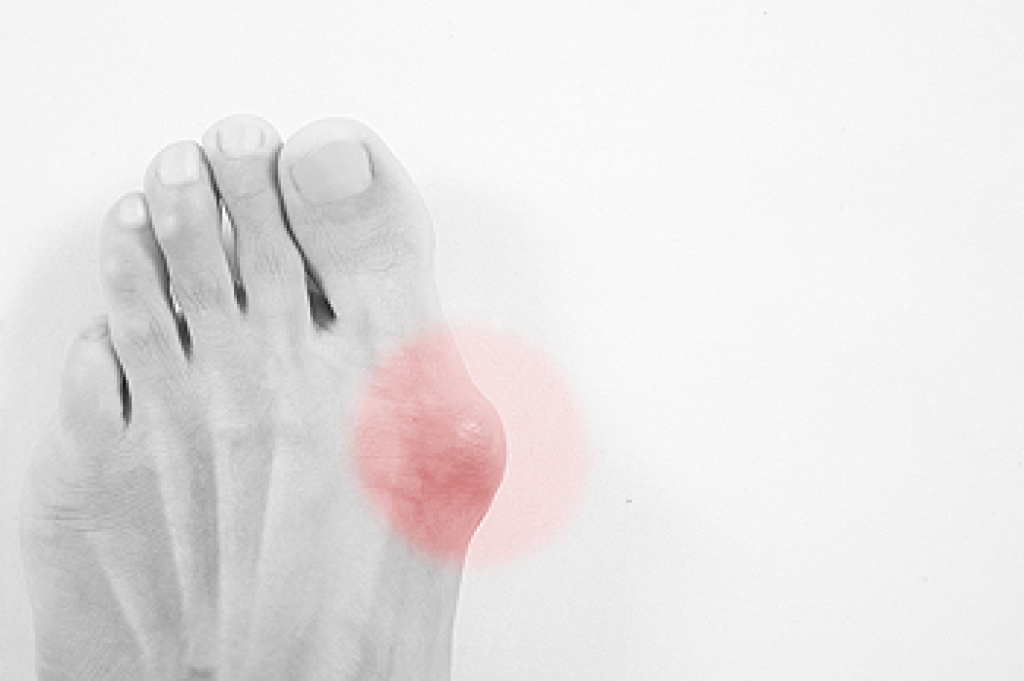
A large bump on the side of the big toe may be indicative of a bunion. It is considered to be a bone deformity, and can develop from wearing shoes that do not have adequate room for the toes to move freely in. The skin may appear red on and surrounding the bony protrusion, and a callus may develop over it. Some patients can experience pain and discomfort with bunions, and it may be difficult to wear shoes. Relief may be found if larger size shoes are worn, in addition to wearing protective pads over it that can provide cushioning. If you are afflicted with a bunion, it is suggested that you consult with a podiatrist who can provide correct treatment options, which may include surgery for permanent removal.

If you are suffering from bunions, contact Howard Kimmel, DPM of Buckeye Foot Care. Our doctor can provide the care you need to keep you pain-free and on your feet.

What Is a Bunion?

A bunion is formed of swollen tissue or an enlargement of boney growth, usually located at the base joint of the toe that connects to the foot. The swelling occurs due to the bones in the big toe shifting inward, which impacts the other toes of the foot. This causes the area around the base of the big toe to become inflamed and painful.

Why Do Bunions Form?

Genetics – Susceptibility to bunions are often hereditary

Stress on the feet – Poorly fitted and uncomfortable footwear that places stress on feet, such as heels, can worsen existing bunions

How Are Bunions Diagnosed?

Podiatrists often perform two tests – blood tests and x-rays – when trying to diagnose bunions, especially in the early stages of development. Blood tests help determine if the foot pain is being caused by something else, such as arthritis, while x-rays provide a clear picture of your bone structure to your provider.

How Are Bunions Treated?

  • Refrain from wearing heels or similar shoes that cause discomfort
  • Select wider shoes that can provide more comfort and reduce pain
  • Anti-inflammatory and pain management drugs
  • Orthotics or foot inserts
  • Surgery

If you have any questions, please feel free to contact one of our offices located in Brook Park and Willoughby Hills, OH . We offer the newest diagnostic and treatment technologies for all your foot care needs.

Read more about Bunions

Connect With Us

scroll to top