What Can a Doppler Ultrasound Detect?

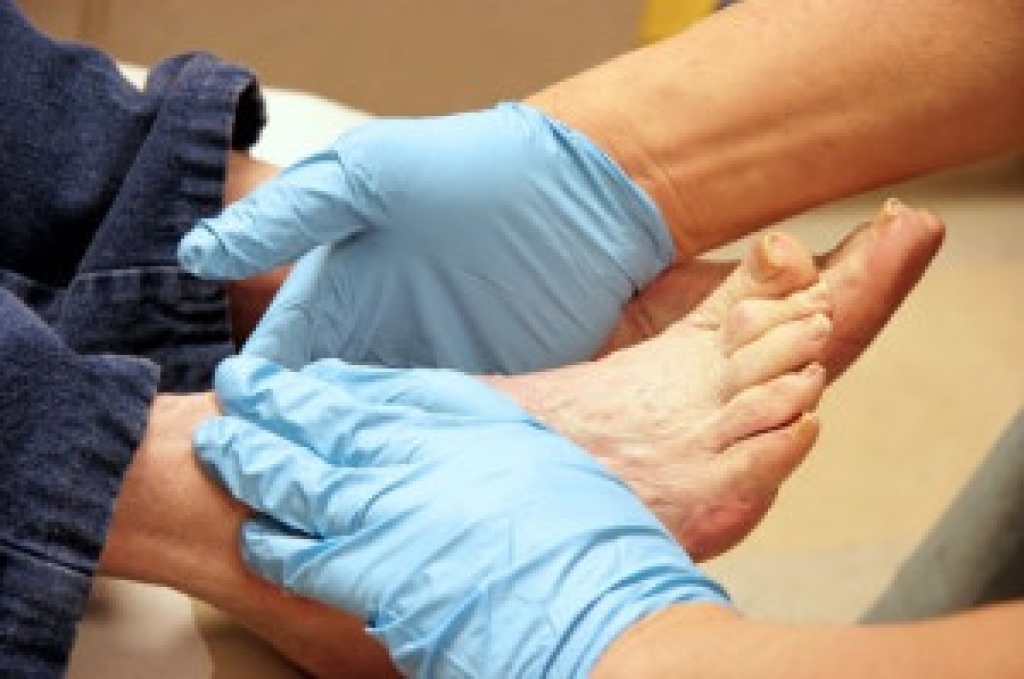
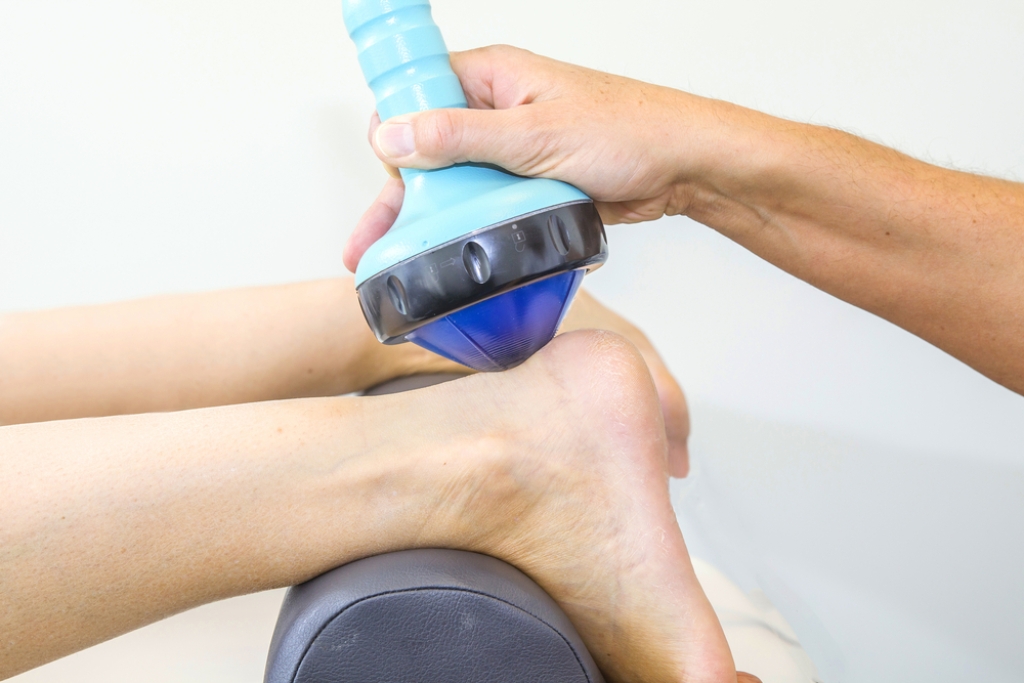
If your podiatrist suspects that you have poor circulation in your lower limbs they may suggest having a Doppler ultrasound exam performed. A Doppler ultrasound is an imaging study that uses sound waves to measure the amount of blood flow through your arteries and veins. This test can be used to detect conditions such as deep vein thrombosis, superficial thrombophlebitis, arteriosclerosis, thromboangiitis obliterans, and vascular tumors. A podiatrist may also use the Doppler ultrasound to check for blood vessel damage or narrowing or hardening of blood vessels, which can interrupt blood flow to the feet and legs. Once the cause of your poor circulation has been found, your doctor will be able to determine the next steps in treating and managing your condition. If you suffer from poor circulation in your feet or ankles, please seek the care of a podiatrist.

Vascular testing plays an important part in diagnosing disease like peripheral artery disease. If you have symptoms of peripheral artery disease, or diabetes, consult with Howard Kimmel, DPM from Buckeye Foot Care. Our doctor will assess your condition and provide you with quality foot and ankle treatment.

What Is Vascular Testing?

Vascular testing checks for how well blood circulation is in the veins and arteries. This is most often done to determine and treat a patient for peripheral artery disease (PAD), stroke, and aneurysms. Podiatrists utilize vascular testing when a patient has symptoms of PAD or if they believe they might. If a patient has diabetes, a podiatrist may determine a vascular test to be prudent to check for poor blood circulation.

How Is it Conducted?

Most forms of vascular testing are non-invasive. Podiatrists will first conduct a visual inspection for any wounds, discoloration, and any abnormal signs prior to a vascular test.

 The most common tests include:

  • Ankle-Brachial Index (ABI) examination
  • Doppler examination
  • Pedal pulses

These tests are safe, painless, and easy to do. Once finished, the podiatrist can then provide a diagnosis and the best course for treatment.

If you have any questions please contact one of our offices located in Brook Park and Willoughby Hills, OH . We offer the newest diagnostic and treatment technologies for all your foot and ankle needs.

Read more about Vascular Testing in Podiatry

What Does the Acronym PAD Stand For?

Peripheral Artery Disease (PAD) is a restriction of blood flow to the muscles and organs due to the build-up of plaque on artery walls. PAD starves muscles and organs of the oxygen and nutrients they need to function properly—especially during physical activities. This lack of oxygen-rich blood to the extremities can make it difficult to walk and can also cause pain in the feet and legs. This pain from PAD can go undetected in people who also suffer from diabetes and neuropathy, possibly leading to foot sores which—when caused by severe blood flow reduction—can increase the risk of amputation. Individuals who are afflicted with PAD and/or diabetes should be under the care of a podiatrist who can help to manage these conditions and improve overall health.

Peripheral artery disease can pose a serious risk to your health. It can increase the risk of stroke and heart attack. If you have symptoms of peripheral artery disease, consult with Howard Kimmel, DPM from Buckeye Foot Care. Our doctor will assess your condition and provide you with quality foot and ankle treatment.

Peripheral artery disease (PAD) is when arteries are constricted due to plaque (fatty deposits) build-up. This results in less blood flow to the legs and other extremities. The main cause of PAD is atherosclerosis, in which plaque builds up in the arteries.

Symptoms

Symptoms of PAD include:

  • Claudication (leg pain from walking)
  • Numbness in legs
  • Decrease in growth of leg hair and toenails
  • Paleness of the skin
  • Erectile dysfunction
  • Sores and wounds on legs and feet that won’t heal
  • Coldness in one leg

It is important to note that a majority of individuals never show any symptoms of PAD.

Diagnosis

While PAD occurs in the legs and arteries, Podiatrists can diagnose PAD. Podiatrists utilize a test called an ankle-brachial index (ABI). An ABI test compares blood pressure in your arm to you ankle to see if any abnormality occurs. Ultrasound and imaging devices may also be used.

Treatment

Fortunately, lifestyle changes such as maintaining a healthy diet, exercising, managing cholesterol and blood sugar levels, and quitting smoking, can all treat PAD. Medications that prevent clots from occurring can be prescribed. Finally, in some cases, surgery may be recommended.

If you have any questions, please feel free to contact one of our offices located in Brook Park and Willoughby Hills, OH . We offer the newest diagnostic and treatment technologies for all your foot care needs.

Read more about Peripheral Artery Disease

Heel Pain Can Be Treated!

Do you suffer from heel pain when you get up in the morning? If so, you should seek professional help and have a proper diagnosis performed. Heel pain can be caused by several different foot-related conditions.

Diabetes and Children

The summer months is a common time for diabetic families to inquire about proper foot health. Children with diabetes may walk barefoot outside, and a foot infection may occur as a result of a small cut in the skin of the feet. Research has indicated that diabetes may cause neuropathy. This is defined as a numbing sensation in the feet, and it is often difficult to feel cuts, bruises, and scrapes that may have occurred. It is important for parents to properly manage their children’s diabetes, and this may help children to lead more of a normal life. This can be accomplished by having your child receive a yearly foot exam, and it is beneficial to encourage participating in physical activities. If your child has diabetes, it is suggested that you visit a podiatrist who can help you to manage this condition.

Diabetic foot care is important in preventing foot ailments such as ulcers. If you are suffering from diabetes or have any other concerns about your feet, contact Howard Kimmel, DPM from Buckeye Foot Care. Our doctor can provide the care you need to keep you pain-free and on your feet.

Diabetic Foot Care

Diabetes affects millions of people every year. The condition can damage blood vessels in many parts of the body, especially the feet. Because of this, taking care of your feet is essential if you have diabetes, and having a podiatrist help monitor your foot health is highly recommended.

The Importance of Caring for Your Feet

  • Routinely inspect your feet for bruises or sores.
  • Wear socks that fit your feet comfortably.
  • Wear comfortable shoes that provide adequate support.

Patients with diabetes should have their doctor monitor their blood levels, as blood sugar levels play such a huge role in diabetic care. Monitoring these levels on a regular basis is highly advised.

It is always best to inform your healthcare professional of any concerns you may have regarding your feet, especially for diabetic patients. Early treatment and routine foot examinations are keys to maintaining proper health, especially because severe complications can arise if proper treatment is not applied.

If you have any questions, please feel free to contact one of our offices located in Brook Park and Willoughby Hills, OH . We offer the newest diagnostic and treatment technologies for all your foot care needs.

Read more about Diabetic Foot Care

What’s the Difference Between Corns and Calluses?

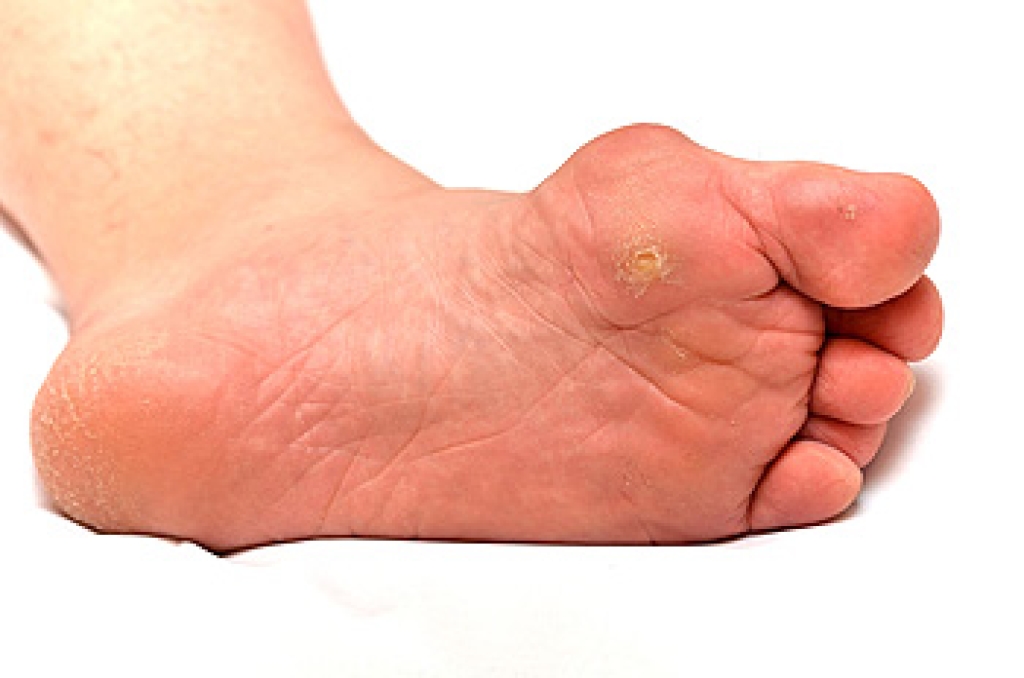
Corns and calluses are both hardened layers of dead skin that can develop on the feet to protect them from stress, irritation and rubbing that has occurred over a period of time—usually as a result of wearing ill-fitting shoes or friction between the toes. The difference between corns and calluses is where they are located: calluses are on the bottom of the toes, and corns are on a bony area on the top of the foot. Corns also have a thick “core” of skin at their base and are either hard (on the top of the toes), or soft (between the toes). Corns, like calluses, can be painful and cause difficulty walking. Occasionally, a little blood may collect where the skin of the foot and the corn meet and cause discoloration or even split the skin and allow an infection to possibly occur. You can help avoid getting a corn by wearing properly sized shoes with plenty of room for the toes to move. If the corn does not go away on its own over several months, or is causing pain or difficulty walking, a podiatrist may relieve discomfort or even remove pressure and pain from the area by safely shaving away some of the dead skin. They may also be able to correct any structural issue you might have using orthotics to distribute weight more evenly.

Corns can make walking very painful and should be treated immediately. If you have questions regarding your feet and ankles, contact Howard Kimmel, DPM of Buckeye Foot Care. Our doctor will treat your foot and ankle needs.

Corns: What Are They? And How Do You Get Rid of Them?
Corns are thickened areas on the skin that can become painful. They are caused by excessive pressure and friction on the skin. Corns press into the deeper layers of the skin and are usually round in shape.

Ways to Prevent Corns
There are many ways to get rid of painful corns such as:

  • Wearing properly fitting shoes that have been measured by a professional
  • Wearing shoes that are not sharply pointed or have high heels
  • Wearing only shoes that offer support

Treating Corns

Although most corns slowly disappear when the friction or pressure stops, this isn’t always the case. Consult with your podiatrist to determine the best treatment option for your case of corns.

If you have any questions, please feel free to contact one of our offices located in Brook Park and Willoughby Hills, OH . We offer the newest diagnostic and treatment technologies for all your foot care needs.

Read more about Everything You Need to Know About Corns

Connect With Us

scroll to top