Ultrasounds Can Help Spot Chronic Venous Insufficiency

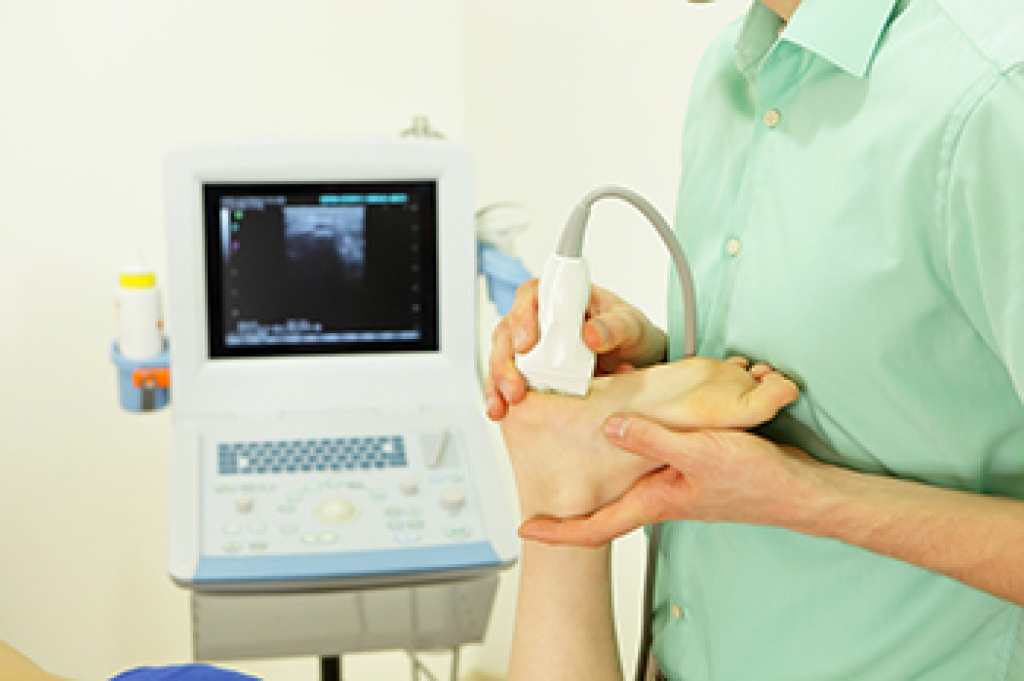
Chronic venous insufficiency is a condition in which the walls and valves of veins in the lower limbs do not function properly. This causes excessive pooling of blood in the lower limbs, resulting in heaviness, tension, swelling, aching, and cramping in the lower legs. One way to diagnose chronic venous insufficiency is through a venous Doppler ultrasound, which uses sound waves to show what the blood flow in the lower legs looks like. Ultrasounds are fast, safe, painless, and provide a great deal of data to help your doctor determine the correct diagnosis and monitor the health of your lower limbs. For more information about chronic venous insufficiency, please consult with a podiatrist. 

Vascular testing plays an important part in diagnosing disease like peripheral artery disease. If you have symptoms of peripheral artery disease, or diabetes, consult with Howard Kimmel, DPM from Buckeye Foot Care. Our doctor will assess your condition and provide you with quality foot and ankle treatment.

What Is Vascular Testing?

Vascular testing checks for how well blood circulation is in the veins and arteries. This is most often done to determine and treat a patient for peripheral artery disease (PAD), stroke, and aneurysms. Podiatrists utilize vascular testing when a patient has symptoms of PAD or if they believe they might. If a patient has diabetes, a podiatrist may determine a vascular test to be prudent to check for poor blood circulation.

How Is it Conducted?

Most forms of vascular testing are non-invasive. Podiatrists will first conduct a visual inspection for any wounds, discoloration, and any abnormal signs prior to a vascular test.

 The most common tests include:

  • Ankle-Brachial Index (ABI) examination
  • Doppler examination
  • Pedal pulses

These tests are safe, painless, and easy to do. Once finished, the podiatrist can then provide a diagnosis and the best course for treatment.

If you have any questions please contact one of our offices located in Brook Park and Willoughby Hills, OH . We offer the newest diagnostic and treatment technologies for all your foot and ankle needs.
Read more about Vascular Testing in Podiatry

How Corns and Calluses Form

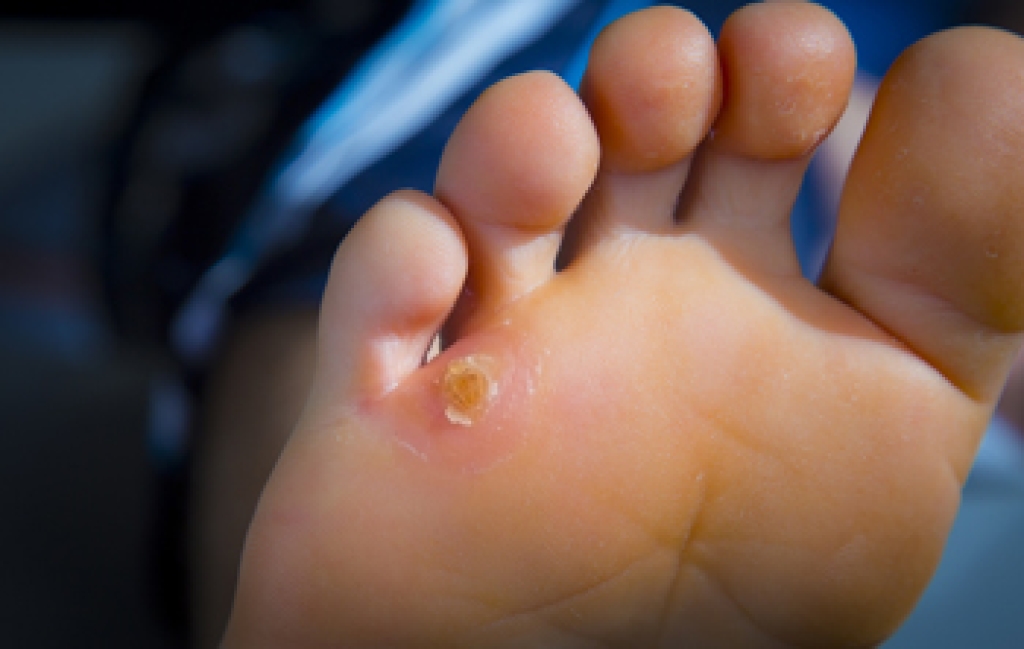
After standing or walking for a significant amount of time, areas of the feet’s skin begin to thicken as a protective measure that allows them to withstand pressure. These thicker areas of skin form corns or calluses, which specifically protect the skin when it rubs against the ground, a shoe, or a bone. Footwear that doesn’t fit correctly, a bone deformity, or a poor walking style can lead to calluses, which are larger hardened areas of skin that don’t have a regular shape. Corns, on the other hand, tend to be much smaller and have a central core. There are 5 types of corns that are likely to form. These include hard corns, seed corns, vascular corns, fibrous corns, and soft corns. Each of these corns can have a different effect on the feet. If corns or calluses are pestering your feet, it is a good idea to consult a podiatrist who can help uncover the reasons behind them and suggest treatment options.

If you have any concerns regarding your feet and ankles, contact Howard Kimmel, DPM of Buckeye Foot Care. Our doctor will treat your foot and ankle needs.

Corns: What Are They? and How Do You Get Rid of Them?
Corns can be described as areas of the skin that have thickened to the point of becoming painful or irritating. They are often layers and layers of the skin that have become dry and rough, and are normally smaller than calluses.

Ways to Prevent Corns
There are many ways to get rid of painful corns such as wearing:

  • Well-fitting socks
  • Comfortable shoes that are not tight around your foot
  • Shoes that offer support

Treating Corns
Treatment of corns involves removing the dead skin that has built up in the specific area of the foot. Consult with Our doctor to determine the best treatment option for your case of corns.

If you have any questions, please feel free to contact one of our offices located in Brook Park and Willoughby Hills, OH . We offer the newest diagnostic and treatment technologies for all your foot care needs.

Read more about Understanding Corns and Calluses

Do You Suffer From Painful Feet?

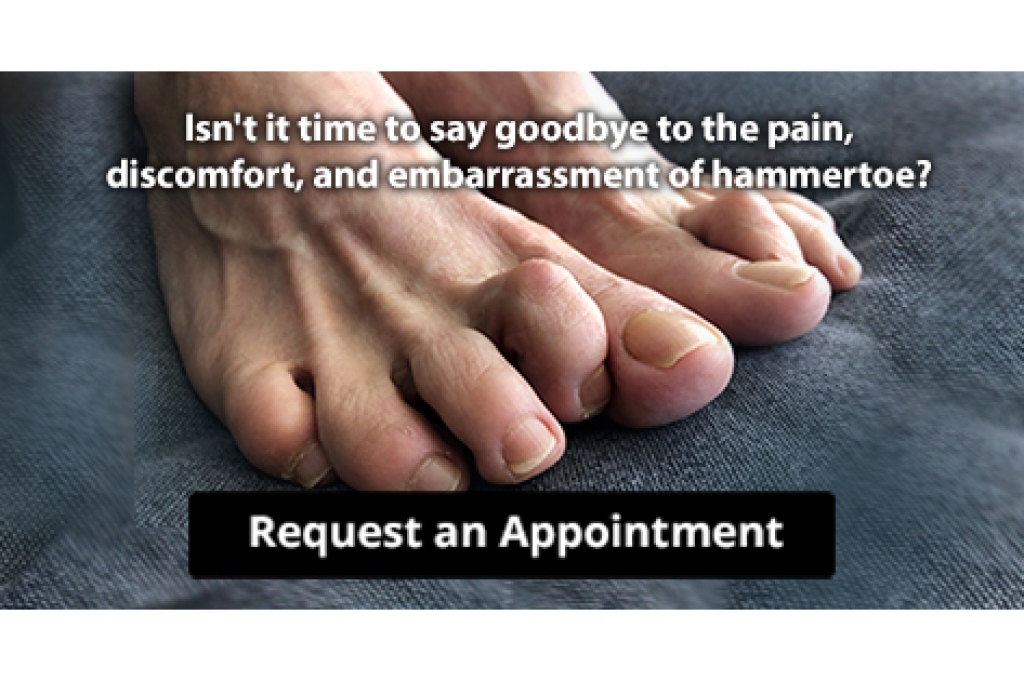
Painful deformities, such as hammertoes, can be treated. Stop living with foot pain, and have beautiful feet again!

Treating Your Feet to Proper Care

Even though we depend on our feet to get us around all day, it is easy to forget to give them the care they need. Selecting appropriate shoes to keep the feet healthy and safe is important. First and foremost is choosing shoes that fit well, give proper support, and will help to keep you from slipping and falling. Pay attention to the cushioning inside your shoes, especially if you spend a lot of time standing. Arch supports can help distribute the weight so the pressure is not all on the heel and ball of the foot. High heels can cause all kinds of problems, including hammertoes, bunions, calluses and corns, as well as negatively affecting your posture and alignment. It is particularly important to wear the proper shoe for each activity, paying attention to support, cushioning, width and stability. If your feet change in shape or color, begin to hurt, or feel sore on a regular basis, it is a good idea to visit a podiatrist for a complete examination to determine whether you may need custom orthotics or other treatment.

Everyday foot care is very important to prevent infection and other foot ailments. If you need your feet checked, contact Howard Kimmel, DPM from Buckeye Foot Care. Our doctor can provide the care you need to keep you pain-free and on your feet.

Everyday Foot Care

Often, people take care of their bodies, face and hair more so than they do for their feet. But the feet are a very important aspect of our bodies, and one that we should pay more attention to. Without our feet, we would not be able to perform most daily tasks.

It is best to check your feet regularly to make sure there are no new bruises or cuts that you may not have noticed before. For dry feet, moisturizer can easily be a remedy and can be applied as often as necessary to the affected areas. Wearing shoes that fit well can also help you maintain good foot health, as well as making it easier to walk and do daily activities without the stress or pain of ill-fitting shoes, high heels, or even flip flops. Wearing clean socks with closed shoes is important to ensure that sweat and bacteria do not accumulate within the shoe. Clean socks help to prevent Athlete’s foot, fungi problems, bad odors, and can absorb sweat.

If you have any questions, please feel free to contact one of our offices located in Brook Park and Willoughby Hills, OH . We offer the newest diagnostic and treatment technologies for all your foot care needs.

Read more about Every Day Foot Care

What Is Tarsal Tunnel Syndrome?

If the bottom of your foot starts hurting while performing an activity, especially later in the day, you may be afflicted with a condition known as tarsal tunnel syndrome. The discomfort, which generally begins in the heel and moves to the sole of the foot, presents itself as sharp, shooting, or burning pain that sometimes turns to numbness. It is caused by compression or repetitive stretching of the tibial nerve that branches off from the sciatic nerve and runs down the lower leg to the ankle and then the foot. In some cases, a bone spur or other growth may press on the nerve causing pain. People with flat feet are said to have an increased risk for developing tarsal tunnel syndrome due to flattened arches that can stretch the tibial nerve. Walking and gaining weight can also make the condition worse. Some ways to alleviate symptoms include wearing comfortable shoes, stopping activities that exacerbate the pain, stretching the calf muscles, and taking non-steroidal anti-inflammatory medication. Custom orthotics may ease the condition as well, and corticosteroid injections can reduce the inflammation. It is a good idea to schedule an appointment with a podiatrist who can direct your treatment and provide the expert care you need. 

Tarsal tunnel syndrome can be very uncomfortable to live with. If you are experiencing tarsal tunnel syndrome, contact Howard Kimmel, DPM of Buckeye Foot Care. Our doctor can provide the care you need to keep you pain-free and on your feet.

Tarsal Tunnel Syndrome

Tarsal tunnel syndrome, which can also be called tibial nerve dysfunction, is an uncommon condition of misfiring peripheral nerves in the foot. The tibial nerve is the peripheral nerve in the leg responsible for sensation and movement of the foot and calf muscles. In tarsal tunnel syndrome, the tibial nerve is damaged, causing problems with movement and feeling in the foot of the affected leg.

Common Cause of Tarsal Tunnel Syndrome

  • Involves pressure or an injury, direct pressure on the tibial nerve for an extended period of time, sometimes caused by other body structures close by or near the knee.
  • Diseases that damage nerves, including diabetes, may cause tarsal tunnel syndrome.
  • At times, tarsal tunnel syndrome can appear without an obvious cause in some cases.

The Effects of Tarsal Tunnel Syndrome

  • Different sensations, an afflicted person may experience pain, tingling, burning or other unusual sensations in the foot of the affected leg.
  • The foot muscles, toes and ankle become weaker, and curling your toes or flexing your foot can become difficult.
  • If condition worsens, infections and ulcers may develop on the foot that is experiencing the syndrome.

A physical exam of the leg can help identify the presence of tarsal tunnel syndrome. Medical tests, such as a nerve biopsy, are also used to diagnose the condition. Patients may receive physical therapy and prescriptive medication. In extreme cases, some may require surgery.

If you have any questions please contact one of our offices located in Brook Park and Willoughby Hills, OH . We offer the newest diagnostic and treatment technologies for all your foot and ankle needs.
Read more about Tarsal Tunnel Syndrome

Connect With Us

scroll to top