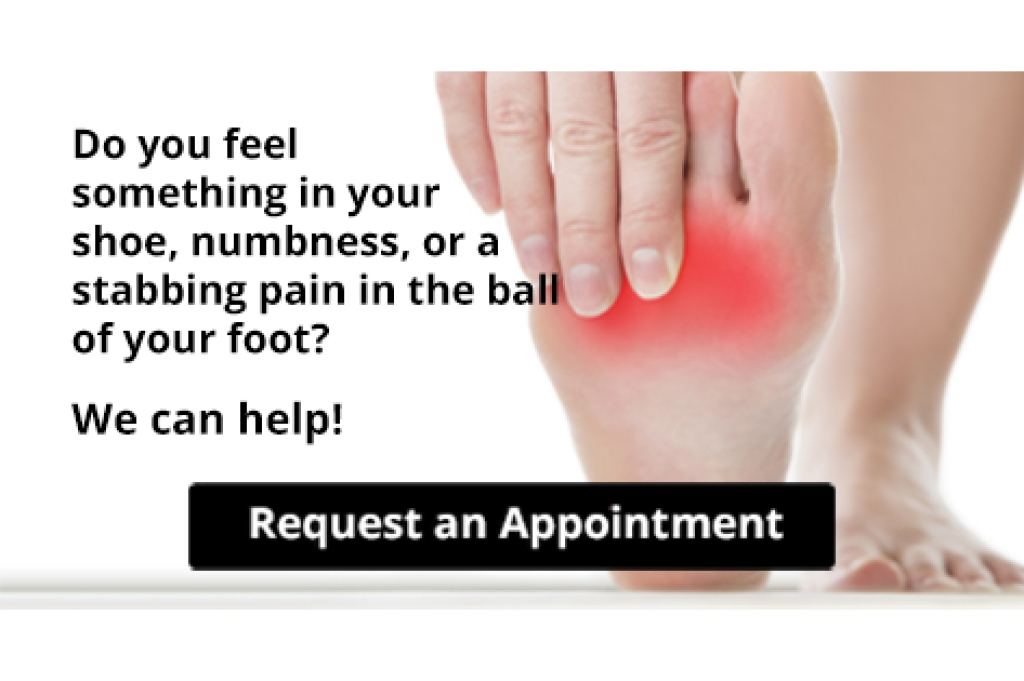
Suffering from this type of pain? You may have the foot condition known as Morton's neuroma. Morton's neuroma may develop as a result of ill-fitting footwear and existing foot deformities. We can help.
Suffering from this type of pain? You may have the foot condition known as Morton's neuroma. Morton's neuroma may develop as a result of ill-fitting footwear and existing foot deformities. We can help.
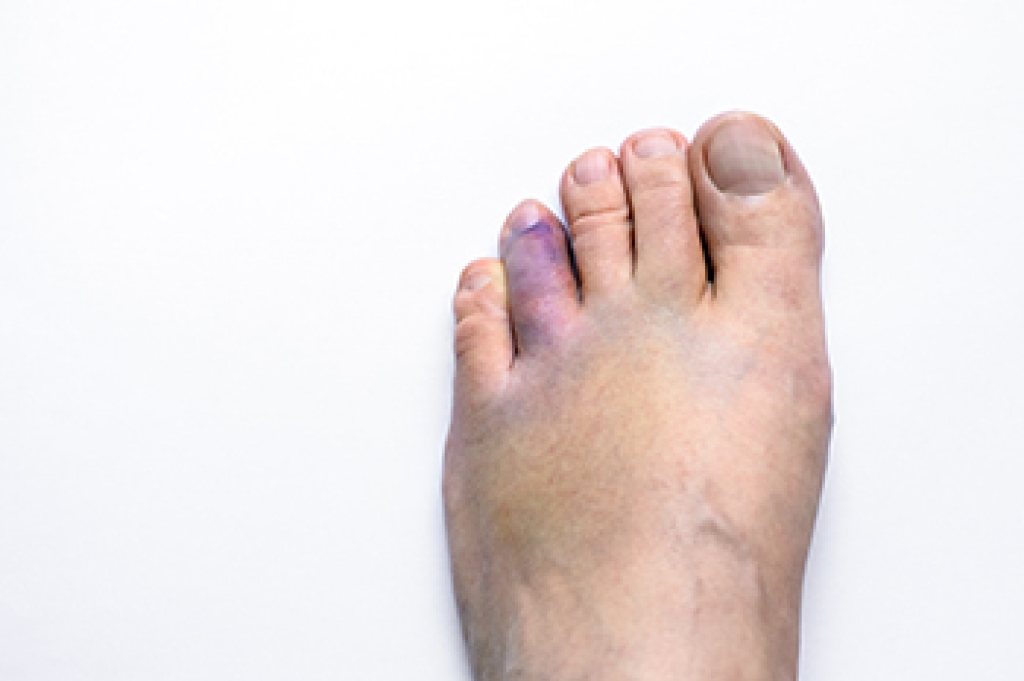
A broken toe can make even simple daily activities uncomfortable because every step places pressure on the injured bone. A toe fracture occurs when one or more of the small bones in a toe break after a direct impact or twisting injury. People frequently injure a toe by stubbing it against a hard object or dropping something heavy on the foot. Pain usually begins immediately and can become worse while walking or standing. Swelling and bruising are also common. Some patients notice that the injured toe appears crooked or is difficult to move. A podiatrist can examine the foot, determine the severity of the injury, and identify whether another condition is causing similar symptoms.
Broken toes vary in severity, and proper diagnosis is important for successful healing. Some fractures remain in normal alignment, while others shift out of position. A displaced fracture means the broken pieces of bone no longer line up correctly. This type of injury can affect the way the toe functions and sometimes changes the way a person walks. A podiatrist performs a thorough examination and usually recommends X-rays to confirm the fracture and determine its exact location. The evaluation also helps to identify injuries to nearby joints, ligaments, or other bones in the foot that can develop at the same time.
Treatment depends on the location of the fracture and whether the bone remains properly aligned. A podiatrist can monitor healing with follow-up examinations and recommend treatment based on the specific injury. Some fractures require realignment to place the bones in their proper position. More severe injuries sometimes require surgery to restore stability and improve healing. Patients also benefit from guidance about wearing shoes that provide proper support while recovering from the injury. Early diagnosis and podiatric care can improve comfort, protect foot function, and reduce the chance of long-term complications. If you have broken a toe, it is suggested that you schedule an appointment with a podiatrist for appropriate treatment and management solutions.
Broken toes may cause a lot of pain and should be treated as soon as possible. If you have any concerns about your feet, contact Howard Kimmel, DPM from Buckeye Foot Care. Our doctor will treat your foot and ankle needs.
What Is a Broken Toe?
A broken toe occurs when one or more of the toe bones of the foot are broken after an injury. Injuries such as stubbing your toe or dropping a heavy object on it may cause a toe fracture.
Symptoms of a Broken Toe
Although the injured toe should be monitored daily, it is especially important to have a podiatrist look at your toe if you have severe symptoms. Some of these symptoms include worsening or new pain that is not relieved with medication, sores, redness, or open wounds near the toe.
If you have any questions please feel free to contact one of our offices located in Brook Park and Willoughby Hills, OH . We offer the newest diagnostic tools and technology to treat your foot and ankle needs.
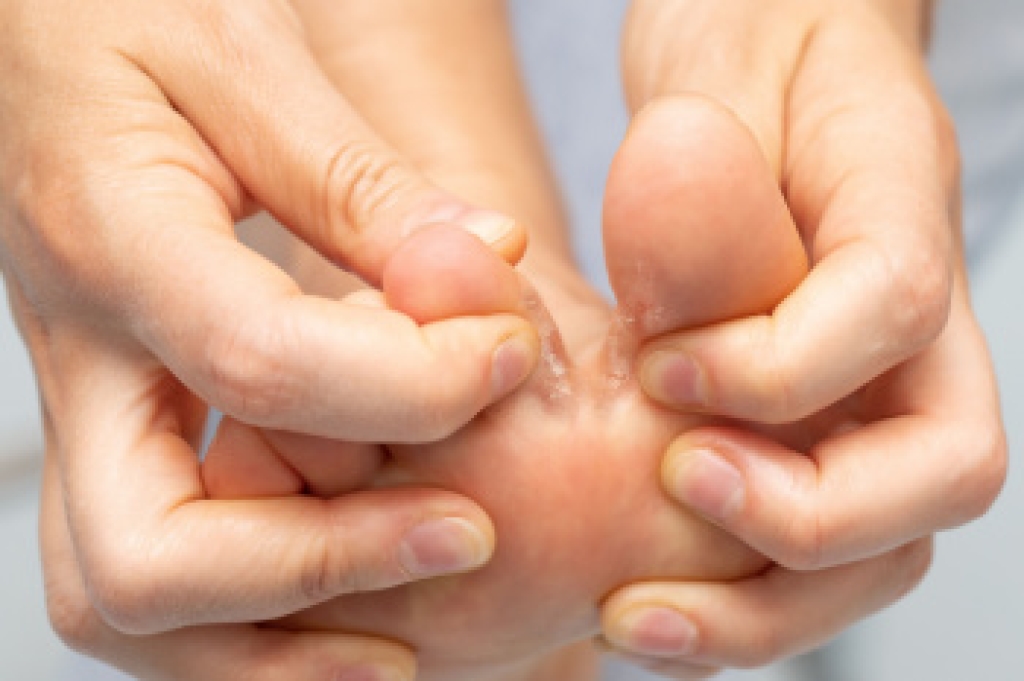
Athlete's foot is a fungal infection that primarily affects the outer layer of the skin on the feet. It develops when fungi grow in damp environments, making the feet an ideal location, especially when enclosed in shoes for long periods. This condition is not limited to athletes, despite its name, and can affect anyone who comes into contact with contaminated surfaces. Early awareness of symptoms and causes can help individuals take prompt action and reduce the risk of complications or spreading the infection.
The symptoms of athlete's foot can vary in severity, but most cases begin with an itchy rash that may feel worse after removing shoes and socks. The skin may appear red, scaly, or dry, particularly between the toes. As the infection progresses, cracks may form, sometimes leading to soreness and discomfort while walking. In certain cases, small sores or blisters develop, which may break open and increase the risk of secondary infection. A burning sensation or stinging feeling may also occur, making the condition difficult to ignore.
Risk factors for athlete's foot are closely linked to lifestyle and environmental exposure. Individuals who frequently use communal showers or locker rooms are at higher risk due to increased exposure to fungi. Wearing damp socks or shoes for extended periods contributes to the growth of microorganisms. People with a weakened immune system or chronic condition may be more susceptible. In addition, failing to properly clean and dry the feet after bathing can create the perfect conditions for infection to thrive and spread.
Treatment focuses on eliminating the fungal infection and restoring healthy skin. Antifungal creams and powders are commonly used and are effective when applied consistently as directed. In cases where the infection does not improve, a podiatrist may recommend stronger prescription medication. Maintaining proper foot hygiene, allowing shoes to air out, and avoiding barefoot exposure in public areas can help prevent recurrence. If symptoms such as persistent itching, cracked skin, or spreading rash develop, it is strongly suggested that you consult a podiatrist for effective treatment solutions, which often includes prescribed medication.
Athlete’s foot is an inconvenient condition that can be easily reduced with the proper treatment. If you have any concerns about your feet and ankles, contact Howard Kimmel, DPM from Buckeye Foot Care. Our doctor will treat your foot and ankle needs.
Athlete’s Foot: The Sole Story
Athlete's foot, also known as tinea pedis, can be an extremely contagious foot infection. It is commonly contracted in public changing areas and bathrooms, dormitory style living quarters, around locker rooms and public swimming pools, or anywhere your feet often come into contact with other people.
Solutions to Combat Athlete’s Foot
Athlete’s foot can cause many irritating symptoms such as dry and flaking skin, itching, and redness. Some more severe symptoms can include bleeding and cracked skin, intense itching and burning, and even pain when walking. In the worst cases, Athlete’s foot can cause blistering as well. Speak to your podiatrist for a better understanding of the different causes of Athlete’s foot, as well as help in determining which treatment options are best for you.
If you have any questions please feel free to contact one of our offices located in Brook Park and Willoughby Hills, OH . We offer the newest diagnostic and treatment technologies for all your foot and ankle needs.
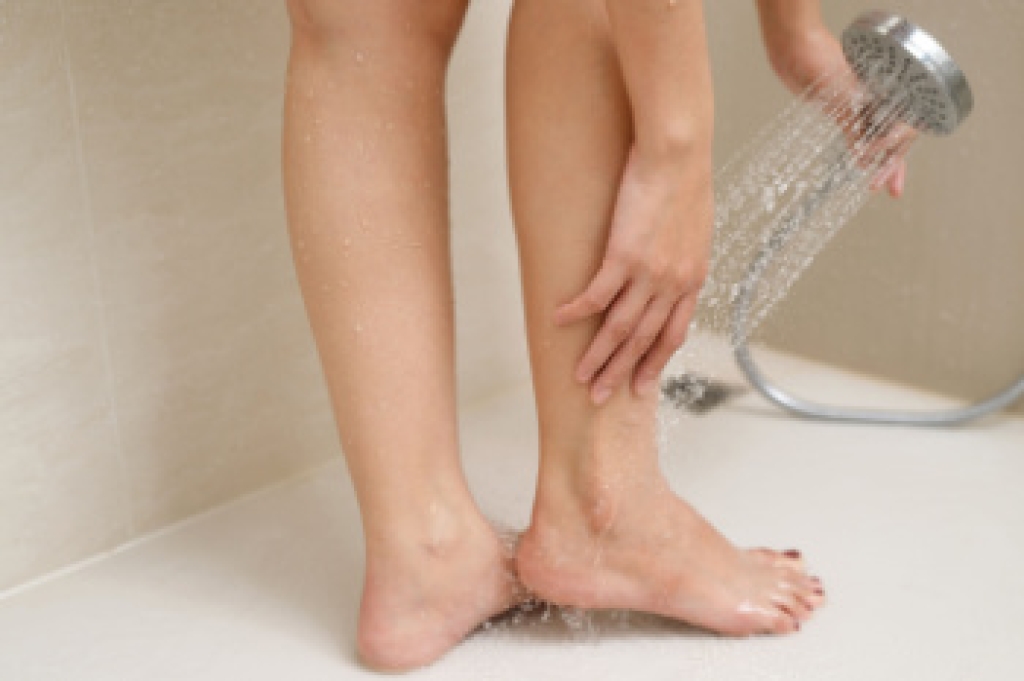
Foot care refers to the daily practices that protect skin integrity, maintain proper hygiene, and support healthy biomechanics. Many people overlook their feet until discomfort begins, yet consistent care can prevent common conditions such as dry skin, calluses, and arch strain. Healthy feet rely on clean skin, proper moisture balance, and wearing supportive footwear. Without these basics, minor issues can progress into chronic problems that affect mobility and quality of life. Establishing a routine creates a strong foundation for overall foot health.
Symptoms of poor foot care often begin subtly. Individuals may notice dry or cracked heels, mild redness, or a burning sensation after long periods of standing. Over time, neglected care may lead to thickened skin, painful fissures, or even infections. Risk factors include wearing improper footwear, skipping daily hygiene, and prolonged exposure to moisture. Walking barefoot indoors can also increase exposure to bacteria or lead to minor injuries that go unnoticed. These small habits can gradually weaken the skin barrier and lead to discomfort.
Daily care should include washing feet with mild soap and warm water, followed by thoroughly drying, especially between the toes. Gently scrubbing dry areas helps remove dead skin and prevent buildup. Wearing well-fitted shoes with proper arch support reduces strain and protects against injury. Breathable socks help control moisture and reduce friction. While walking barefoot indoors may feel comfortable, it is important to ensure floors are clean and free of hazards. Incorporating simple yoga based foot stretches can improve circulation and maintain flexibility.
Consistency is the key takeaway for maintaining healthy feet. Small daily actions create lasting benefits and reduce the risk of more serious conditions. Paying attention to early symptoms allows for timely intervention and better outcomes. If you have foot pain and everyday foot care tips are not enough to relieve discomfort, it is suggested that you consult a podiatrist for an accurate diagnosis and effective relief solutions.
Everyday foot care is very important to prevent infection and other foot ailments. If you need your feet checked, contact Howard Kimmel, DPM from Buckeye Foot Care. Our doctor can provide the care you need to keep you pain-free and on your feet.
Everyday Foot Care
Often, people take care of their bodies, face and hair more so than they do for their feet. But the feet are a very important aspect of our bodies, and one that we should pay more attention to. Without our feet, we would not be able to perform most daily tasks.
It is best to check your feet regularly to make sure there are no new bruises or cuts that you may not have noticed before. For dry feet, moisturizer can easily be a remedy and can be applied as often as necessary to the affected areas. Wearing shoes that fit well can also help you maintain good foot health, as well as making it easier to walk and do daily activities without the stress or pain of ill-fitting shoes, high heels, or even flip flops. Wearing clean socks with closed shoes is important to ensure that sweat and bacteria do not accumulate within the shoe. Clean socks help to prevent Athlete’s foot, fungi problems, bad odors, and can absorb sweat.
If you have any questions, please feel free to contact one of our offices located in Brook Park and Willoughby Hills, OH . We offer the newest diagnostic and treatment technologies for all your foot care needs.
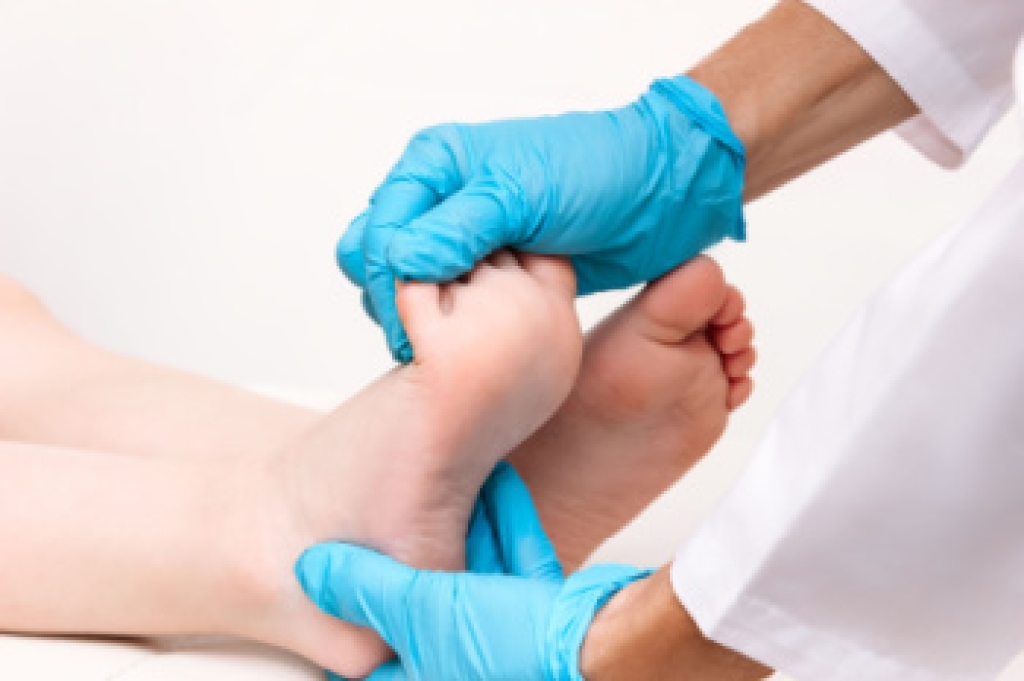
Children’s foot health is an important part of overall growth and development. Healthy feet provide the foundation for walking, running, jumping, and participating in sports and other activities. Because children’s feet are still developing, it is important to monitor how they move and whether they experience any discomfort. While some foot concerns are temporary and related to growth, others may require professional evaluation. Parents may notice signs such as frequent tripping, uneven shoe wear, complaints of foot pain, or changes in the way a child walks. Identifying potential problems early can help support healthy development and prevent future complications.
A variety of conditions can affect children’s feet. Flat feet, heel pain, ingrown toenails, and skin conditions such as plantar warts are among the more common concerns seen in young patients. Some children may also develop foot or ankle pain related to sports participation or increased physical activity. Because children are often active throughout the day, foot problems can affect their ability to participate comfortably in school, recreation, and sports. In some cases, discomfort may cause a child to change the way they walk, which can place additional stress on the feet and lower limbs. Regular assessment of foot health can help identify issues before they become more significant.
Podiatric care focuses on the diagnosis, treatment, and management of foot and ankle conditions. A podiatrist can evaluate a child’s foot structure, walking pattern, and overall foot function to identify concerns that may be affecting mobility or comfort. Early intervention may help address developing problems and support healthy movement as a child grows. Whether the issue involves foot pain, an abnormal gait, or a common pediatric foot condition, professional care can help improve function and comfort. If your child is experiencing foot pain or other foot-related concerns, it is suggested that you consult a podiatrist for an evaluation and appropriate treatment options.
Making sure that your children maintain good foot health is very important as they grow. If you have any questions, contact Howard Kimmel, DPM of Buckeye Foot Care. Our doctor can provide the care you need to keep you pain-free and on your feet.
Keeping Children's Feet Healthy
Having healthy feet during childhood can help prevent medical problems later in life, namely in the back and legs. As children grow, their feet require different types of care. Here are some things to consider...
Although babies do not walk yet, it is still very important to take care of their feet.
Avoid putting tight shoes or socks on his or her feet.
Allow the baby to stretch and kick his or her feet to feel comfortable.
As a toddler, kids are now on the move and begin to develop differently. At this age, toddlers are getting a feel for walking, so don’t be alarmed if your toddler is unsteady or ‘walks funny’.
As your child gets older, it is important to teach them how to take care of their feet.
Show them proper hygiene to prevent infections such as fungus.
Be watchful for any pain or injury.
Have all injuries checked by a doctor as soon as possible.
Comfortable, protective shoes should always be worn, especially at play.
If you have any questions, please feel free to contact one of our offices located in Brook Park and Willoughby Hills, OH . We offer the newest diagnostic and treatment technologies for all your foot care needs.
Connect With Us
