Effective Methods of Managing Swollen Feet During Pregnancy

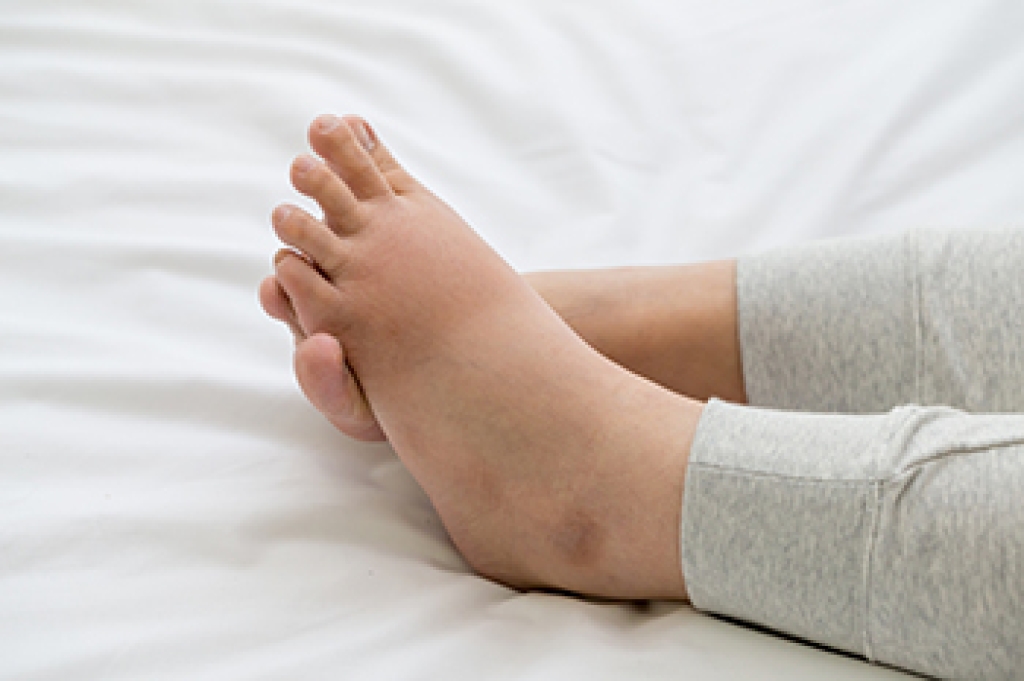
One of the most common side effects of pregnancy is swollen feet. It happens as a result of increased fluids that are necessary for the fetus’s development, and can be quite uncomfortable. It often becomes worse as the pregnancy progresses, which may happen from the pressure the growing baby puts on the veins. The majority of women cannot prevent swollen feet from occurring during their pregnancy, although there are methods that can be implemented which can reduce its severity. Walking during the day is instrumental in maintaining good circulation, and drinking plenty of water daily can help to shed excess sodium. Sleeping on the left side may take pressure off of the vein that causes the swelling, and wearing compression socks may lead the feet to feeling better. If you would like more information about how to reduce swollen feet, please ask a podiatrist who can offer you effective relief tips.

Swollen feet can be a sign of an underlying condition. If you have any concerns, contact Howard Kimmel, DPM of Buckeye Foot Care. Our doctor can provide the care you need to keep you pain-free and on your feet.

Swollen feet are a common ailment among pregnant women and people who stand or sit for extended periods. Aging may increase the possibility of swollen feet and patients who are obese often notice when their feet are swelling too. There may be medical reasons why swollen feet occur:

  • Phlebitis - A condition that causes the veins to become inflamed and can also cause leg pain.
  • Liver disease - This may lead to low blood levels of albumin which is a protein. This can cause fluid in the blood to pass into the tissues and several areas of the body can become swollen.
  • Heart failure - When the heart doesn’t pump properly the blood that is normally pumped back to the heart can pool in the veins of the legs causing swollen feet.
  • Kidney disease - One of the main functions of the kidneys is releasing excess fluid in the body. This type of condition can make it difficult for the kidneys to function properly, and as a result the feet may become swollen.
  • Deep-vein thrombosis (DVT)- This is a serious condition where blood clots form in the veins of the legs. They can block the return of blood from the legs to the heart which may cause the feet to swell. It is important to be treated by a podiatrist if this condition is present.

Swollen feet can also be caused by bone and tendon conditions, including fractures, arthritis, and tendinitis. Additionally, there may be skin and toenail conditions and an infection may cause the feet to swell. Patients who take medicine to treat high blood pressure may be prone to getting swollen feet. 

Many patients elevate their feet to help relieve the swelling and this is generally a temporary remedy. When a podiatrist is consulted the reason behind the swelling can be uncovered and subsequently treated.

If you have any questions please contact one of our offices located in Brook Park and Willoughby Hills, OH . We offer the newest diagnostic and treatment technologies for all your foot and ankle needs.


Read more about Swelling of the Feet

Can the Same Shoes Be Worn for Walking and Running?

People who enjoy walking and running may wonder if they can use either type of shoe for both activities. Research has shown that both types of shoes have similar qualities, which include laces that can provide a secure fit, and cushioned midsoles that can help to absorb shock. Additionally, most of these shoes are made of sturdy materials that can ensure the shoes will last for several miles. The difference between walking and running is the actual time that the feet are spent in the air. Runners can put more stress on their bodies from the extra time the feet spend in the air than walkers, who always have one foot on the ground.  It is beneficial to have shoes that fit correctly, regardless of which type is chosen. This is done by ensuring there is a thumb’s width of space between the front of the shoe and the big toe. If you would like additional information about what type of shoes are beneficial to wear for walking and running, please confer with a podiatrist.

For more information about walking shoes versus running shoes, consult with Howard Kimmel, DPM from Buckeye Foot Care. Our doctor can measure your feet to determine what your needs are and help you find an appropriate pair of footwear.

Foot Health: The Differences between Walking & Running Shoes

There are great ways to stay in shape: running and walking are two great exercises to a healthy lifestyle. It is important to know that running shoes and walking shoes are not interchangeable. There is a key difference on how the feet hit the ground when someone is running or walking. This is why one should be aware that a shoe is designed differently for each activity.

You may be asking yourself what the real differences are between walking and running shoes and the answers may shock you.

Differences

Walking doesn’t involve as much stress or impact on the feet as running does. However, this doesn’t mean that you should be any less prepared. When you’re walking, you land on your heels and have your foot roll forward. This rolling motion requires additional support to the feet.

Flexibility – Walking shoes are designed to have soft, flexible soles. This allows the walker to push off easily with each step.

If you have any questions, please feel free to contact one of our offices located in Brook Park and Willoughby Hills, OH . We offer the newest diagnostic and treatment technologies for all your foot care needs.

Read more about Walking Shoes vs. Running Shoes

Tips for Preventing Running Injuries

Preventing running injuries is very important to people who enjoy this type of activity. Studies suggest that approximately half of all runners incur at least one injury per year, and many must temporarily cease running so proper healing can begin. A running injury can happen from the repeated physical stress that is put on the bones, muscles, and tendons which could lead to a stress fracture or broken ankle. Another common cause for a running injury occurs when increasing mileage and speed too quickly. Experts inform us that it is best to increase mileage and intensity on different days and to do this gradually. Many people who like to run understand the importance of recharging for a day between runs and this helps give the legs and feet a chance to rest. Most runners also understand the signals their body gives them when they are overtraining, which may consist of an increased heart rate, feeling excessively tired, or they may have trouble sleeping. If you plan on incorporating running into your weekly routine, it is advised that you speak with a podiatrist who can help with correct running injury prevention techniques.

All runners should take extra precaution when trying to avoid injury. If you have any concerns about your feet, contact Howard Kimmel, DPM of Buckeye Foot Care. Our doctor will treat your foot and ankle needs.

How to Prevent Running Injuries

There are a lot of mistakes a runner can make prior to a workout that can induce injury. A lot of athletes tend to overstretch before running, instead of saving those workouts for a post-run routine. Deep lunges and hand-to-toe hamstring pulls should be performed after a workout instead of during a warmup. Another common mistake is jumping into an intense routine before your body is physically prepared for it. You should try to ease your way into long-distance running instead of forcing yourself to rush into it.

More Tips for Preventing Injury

  • Incorporate Strength Training into Workouts - This will help improve the body’s overall athleticism
  • Improve and Maintain Your Flexibility – Stretching everyday will help improve overall performance
  • “Warm Up” Before Running and “Cool Down” Afterward – A warm up of 5-10 minutes helps get rid of lactic acid in the muscles and prevents delayed muscle soreness
  • Cross-Training is Crucial
  • Wear Proper Running Shoes
  • Have a Formal Gait Analysis – Poor biomechanics can easily cause injury

If you have any questions, please feel free to contact one of our offices located in Brook Park and Willoughby Hills, OH . We offer the newest diagnostic and treatment technologies for all your foot care needs.

Read more about How to Prevent Running Injuries

The Bones of the Feet

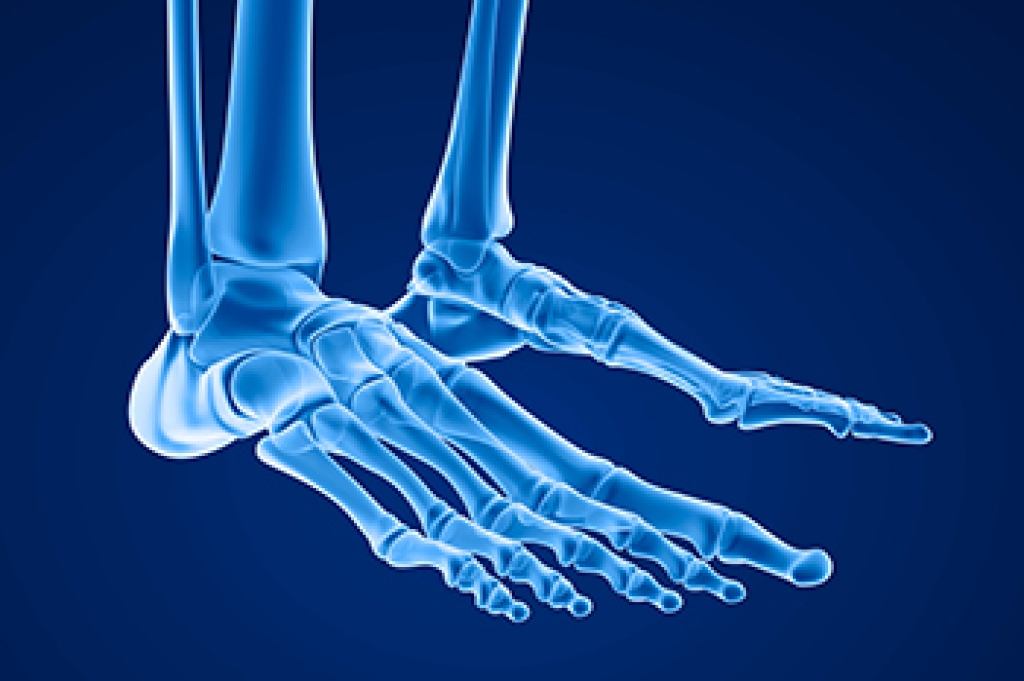
The feet are wonderfully complex parts of the human body. One thing that makes them so complex and interesting is the many different bones that are found in the foot. The feet are composed of 26 different bones that are located throughout the three main areas of the foot known as the hindfoot, the midfoot, and the forefoot. In the forefoot, five metatarsals and their phalanges make up the toes of the feet. These provide critical balancing services to the feet. The midfoot contains bones that are more irregular in shape than the forefoot. For example, in the midfoot, one can find bones such as the medial cuneiform, the lateral cuneiform, and the cuboid bone. Lastly, the hindfoot contains only two bones, the talus, and the calcaneus. Importantly, the calcaneus bone makes up the heel, or back of the foot. If you are interested in learning more about the many different bones of the foot, contact a podiatrist today for more information.

If you have any concerns about your feet, contact Howard Kimmel, DPM from Buckeye Foot Care. Our doctor can provide the care you need to keep you pain-free and on your feet.

Biomechanics in Podiatry

Podiatric biomechanics is a particular sector of specialty podiatry with licensed practitioners who are trained to diagnose and treat conditions affecting the foot, ankle and lower leg. Biomechanics deals with the forces that act against the body, causing an interference with the biological structures. It focuses on the movement of the ankle, the foot and the forces that interact with them.

A History of Biomechanics

  • Biomechanics dates back to the BC era in Egypt where evidence of professional foot care has been recorded.
  • In 1974, biomechanics gained a higher profile from the studies of Merton Root, who claimed that by changing or controlling the forces between the ankle and the foot, corrections or conditions could be implemented to gain strength and coordination in the area.

Modern technological improvements are based on past theories and therapeutic processes that provide a better understanding of podiatric concepts for biomechanics. Computers can provide accurate information about the forces and patterns of the feet and lower legs.

Understanding biomechanics of the feet can help improve and eliminate pain, stopping further stress to the foot.

If you have any questions please feel free to contact one of our offices located in Brook Park and Willoughby Hills, OH . We offer the newest diagnostic and treatment technologies for all your foot and ankle needs.

Read more about The Importance of Biomechanics in Podiatry

Connect With Us

scroll to top