
What Does a Podiatrist Do?

A podiatrist is a medical doctor who specializes in the treatment of the many conditions that affect your toes, feet, and ankles. Podiatrists have a degree in medicine and have undergone further training in their specialty. Their main job is to promote mobility and activity, reduce pain, and treat infections related to the feet and ankles. They handle simple cases, including corns and calluses, ingrown toenails, fungal infections, and plantar warts, to name a few. Podiatrists also treat more complex problems, such as bunions and heel pain (plantar fasciitis), as well as ankle sprains, Achilles tendon injuries, and broken bones. Podiatrists can help with orthotics for specific foot problems as well as offer treatment for people with chronic conditions that can seriously affect the feet, such as diabetes, peripheral artery disease, and peripheral neuropathy. If you have any foot, toe, or ankle ailment, it is a good idea to seek the help of a podiatrist for a full examination, a diagnosis, and treatment options.

If you are dealing with pain in your feet and ankles, you may want to seek help from a podiatrist. Feel free to contact Howard Kimmel, DPM from Buckeye Foot Care. Our doctor can provide the care you need to keep you pain-free and on your feet.

What Is a Podiatrist?

A podiatrist diagnoses and treats conditions of the foot, ankle, and related structures of the leg. Your podiatrist may specialize in a certain field such as sports medicine, wound care, pediatrics, and diabetic care. Podiatrists have the ability to become board certified through training, clinical experience, and then taking an exam.

What Do Podiatrists Do?

On a daily basis, a podiatrist may perform the following activities:

  • Diagnose foot ailments such as ulcers, tumors, fractures, etc.
  • Use innovative methods to treat conditions
  • Use corrective orthotics, casts, and strappings to correct deformities
  • Correct walking patterns and balance
  • Provide individual consultations to patients

It is very important that you take care of your feet. It’s easy to take having healthy feet for granted, however foot problems tend to be among the most common health conditions. Podiatrists can help diagnose and treat a variety of feet related conditions, so it is crucial that you visit one if you need assistance.

If you have any questions, please feel free to contact one of our offices located in Brook Park and Willoughby Hills, OH . We offer the newest diagnostic and treatment technologies for all your foot care needs.
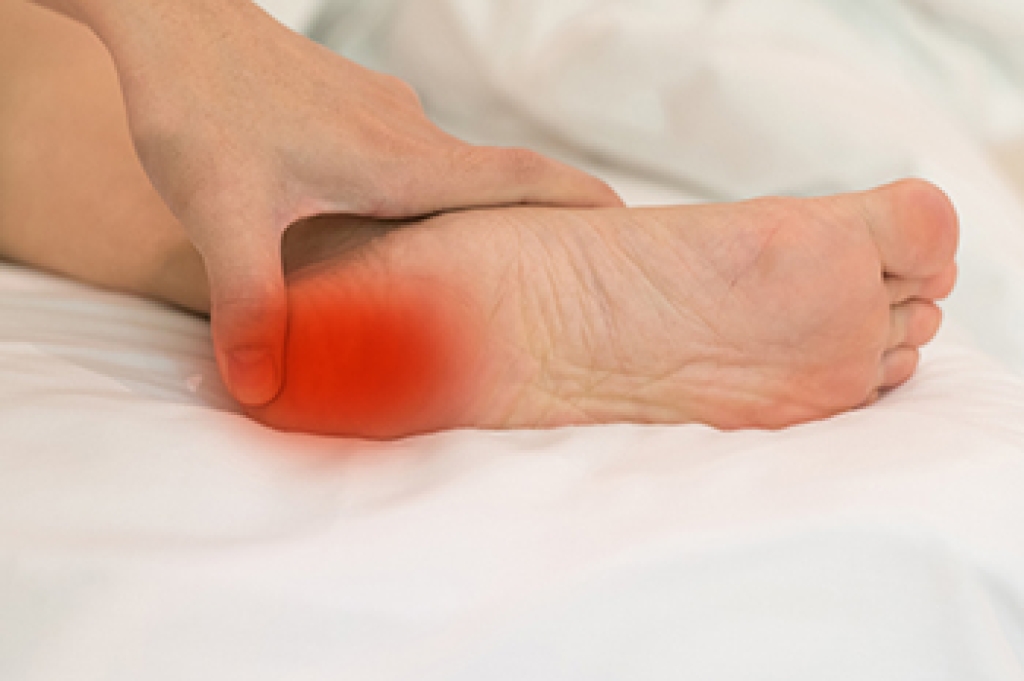
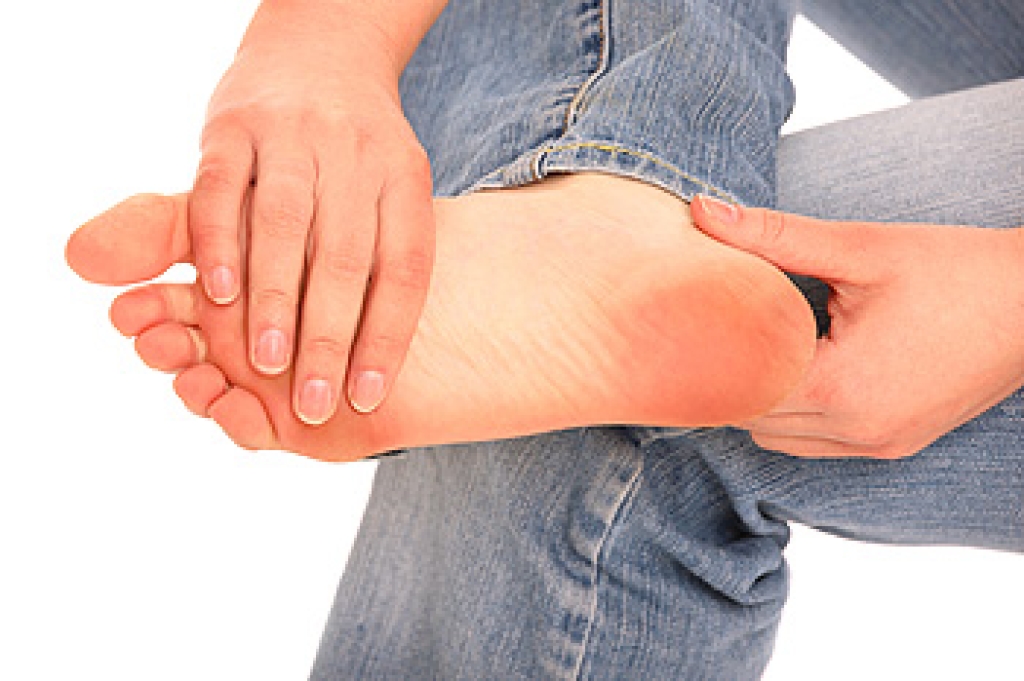
Read more about What is a Podiatrist?

Who Is Prone to Sever’s Disease?

The medical term for the growth area where the plantar fascia and the Achilles tendon connect to the heel is known as the calcaneal apophysis. It starts to develop in children approximately 7 or 8 years old, and permanently fuses to the heel bone in young teenagers. Children in this age group who frequently participate in sports activities may experience a condition that is known as Sever’s disease. Common symptoms of this ailment can include intense heel pain, which can become worse when wearing shoes that have limited cushioning or arch support. Sever's disease is an irritation of the heel, which occasionally causes swelling and bruising. Successful treatment options include temporarily stopping the activity that caused the injury and resting the affected foot as often as possible. Some patients perform specific stretches that may help to increase flexibility. If you have Sever’s disease, it is suggested that you are under the care of a podiatrist who can guide you toward correct treatment options.

Sever's disease often occurs in children and teens. If your child is experiencing foot or ankle pain, see Howard Kimmel, DPM from Buckeye Foot Care. Our doctor can treat your child’s foot and ankle needs.

Sever’s Disease

Sever’s disease is also known as calcaneal apophysitis, which is a medical condition that causes heel pain I none or both feet. The disease is known to affect children between the ages of 8 and 14.

Sever’s disease occurs when part of the child’s heel known as the growth plate (calcaneal epiphysis) is attached to the Achilles tendon. This area can suffer injury when the muscles and tendons of the growing foot do not keep pace with bone growth. Therefore, the constant pain which one experiences at the back of the heel will make the child unable to put any weight on the heel. The child is then forced to walk on their toes.

Symptoms

Acute pain – Pain associated with Sever’s disease is usually felt in the heel when the child engages in physical activity such as walking, jumping and or running.

Highly active – Children who are very active are among the most susceptible in experiencing Sever’s disease, because of the stress and tension placed on their feet.

If you have any questions, please feel free to contact one of our offices located in Brook Park and Willoughby Hills, OH . We offer the newest diagnostic and treatment technologies for all your foot care needs.

Read more about Sever's Disease

Causes of Pain in the Ball of the Foot

There are a number of causes for pain in the ball of the foot, known medically as metatarsalgia.  Common causes of metatarsalgia include wearing shoes that are too tight, wearing high heels, and overexercising. Deformities that may cause this condition include high arches, hammertoes, or stress fractures. Different symptoms also may indicate other causes.  For example, pain, swelling and bruising after activity may be from a sprained metatarsal (a long bone that connects the toe to the heel).  A sharp pain between the toes and the ball of the foot may be the result of Morton’s neuroma.  Arthritis can be indicated by a dull aching pain, and a hard bony lump on the big toe may be caused by a bunion. If you are experiencing pain in the ball of the foot that interferes with daily activities, it is suggested that you see a podiatrist as soon as possible for a diagnosis of the problem and options for treatment.

Foot Pain

Foot pain can be extremely painful and debilitating. If you have a foot pain, consult with Howard Kimmel, DPM from Buckeye Foot Care. Our doctor will assess your condition and provide you with quality foot and ankle treatment.

Causes

Foot pain is a very broad condition that could be caused by one or more ailments. The most common include:

  • Bunions
  • Hammertoes
  • Plantar Fasciitis
  • Bone Spurs
  • Corns
  • Tarsal Tunnel Syndrome
  • Ingrown Toenails
  • Arthritis (such as Gout, Rheumatoid, and Osteoarthritis)
  • Flat Feet
  • Injury (from stress fractures, broken toe, foot, ankle, Achilles tendon ruptures, and sprains)
  • And more

Diagnosis

To figure out the cause of foot pain, podiatrists utilize several different methods. This can range from simple visual inspections and sensation tests to X-rays and MRI scans. Prior medical history, family medical history, and any recent physical traumatic events will all be taken into consideration for a proper diagnosis.

Treatment

Treatment depends upon the cause of the foot pain. Whether it is resting, staying off the foot, or having surgery; podiatrists have a number of treatment options available for foot pain.

If you have any questions, please feel free to contact one of our offices located in Brook Park and Willoughby Hills, OH . We offer the newest diagnostic and treatment technologies for all your foot care needs.
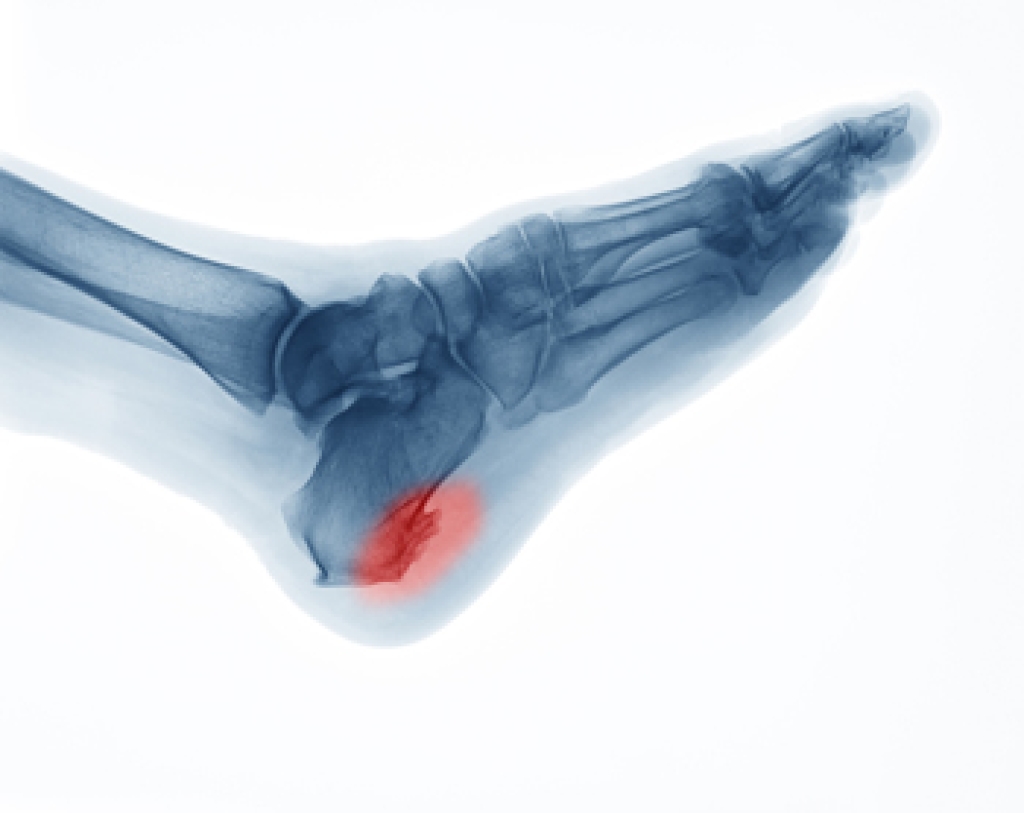
Read more about Foot Pain

Heel Pain Can Be Treated!

Do you suffer from heel pain when you get up in the morning? If so, you should seek professional help and have a proper diagnosis performed. Heel pain can be caused by several different foot-related conditions.

What Are Heel Spurs?

Heel spurs, or “enthesophytes,” develop on the heel of the foot. There are two types of heel spurs associated with different heel problems. One type of heel spur is called a Plantar Spur. It is linked to a problem called “Heel Spur Syndrome” and is a bone spur that develops on the bottom of the heel, on the sole of the foot where the plantar fascia (a band of fibrous tissue that stretches along the bottom of the foot) connects to the heel bone. People who have plantar fasciitis are prone to developing these kinds of spurs, which are the bone’s response to stress from straining foot muscles and ligaments, overstretching the plantar fascia, or repeated tearing of the thin lining of the heel bone. They are also associated with age, obesity, and osteoarthritis. Heel spurs are less likely to feel painful. The other type of heel spur is a Dorsal Spur and is connected to a problem called “Insertional Achilles Tendonitis,” a condition where a bone spur develops at the back of the heel, where the Achilles tendon fits into the bone. If you notice a bony protrusion on the heel of your foot or have pain in this area, it is best to consult with a podiatrist who can diagnose the problem and recommend proper treatment.

Heel spurs can be incredibly painful and sometimes may make you unable to participate in physical activities. To get medical care for your heel spurs, contact Howard Kimmel, DPM from Buckeye Foot Care. Our doctor will do everything possible to treat your condition.

Heels Spurs

Heel spurs are formed by calcium deposits on the back of the foot where the heel is. This can also be caused by small fragments of bone breaking off one section of the foot, attaching onto the back of the foot. Heel spurs can also be bone growth on the back of the foot and may grow in the direction of the arch of the foot.

Older individuals usually suffer from heel spurs and pain sometimes intensifies with age. One of the main condition's spurs are related to is plantar fasciitis.

Pain

The pain associated with spurs is often because of weight placed on the feet. When someone is walking, their entire weight is concentrated on the feet. Bone spurs then have the tendency to affect other bones and tissues around the foot. As the pain continues, the feet will become tender and sensitive over time.

Treatments

There are many ways to treat heel spurs. If one is suffering from heel spurs in conjunction with pain, there are several methods for healing. Medication, surgery, and herbal care are some options.

If you have any questions, please feel free to contact one of our offices located in Brook Park and Willoughby Hills, OH . We offer the newest diagnostic and treatment technologies for all your foot care needs.

Read more about How to Treat Heel Spurs

Connect With Us

scroll to top