Have I Developed Cuboid Syndrome?

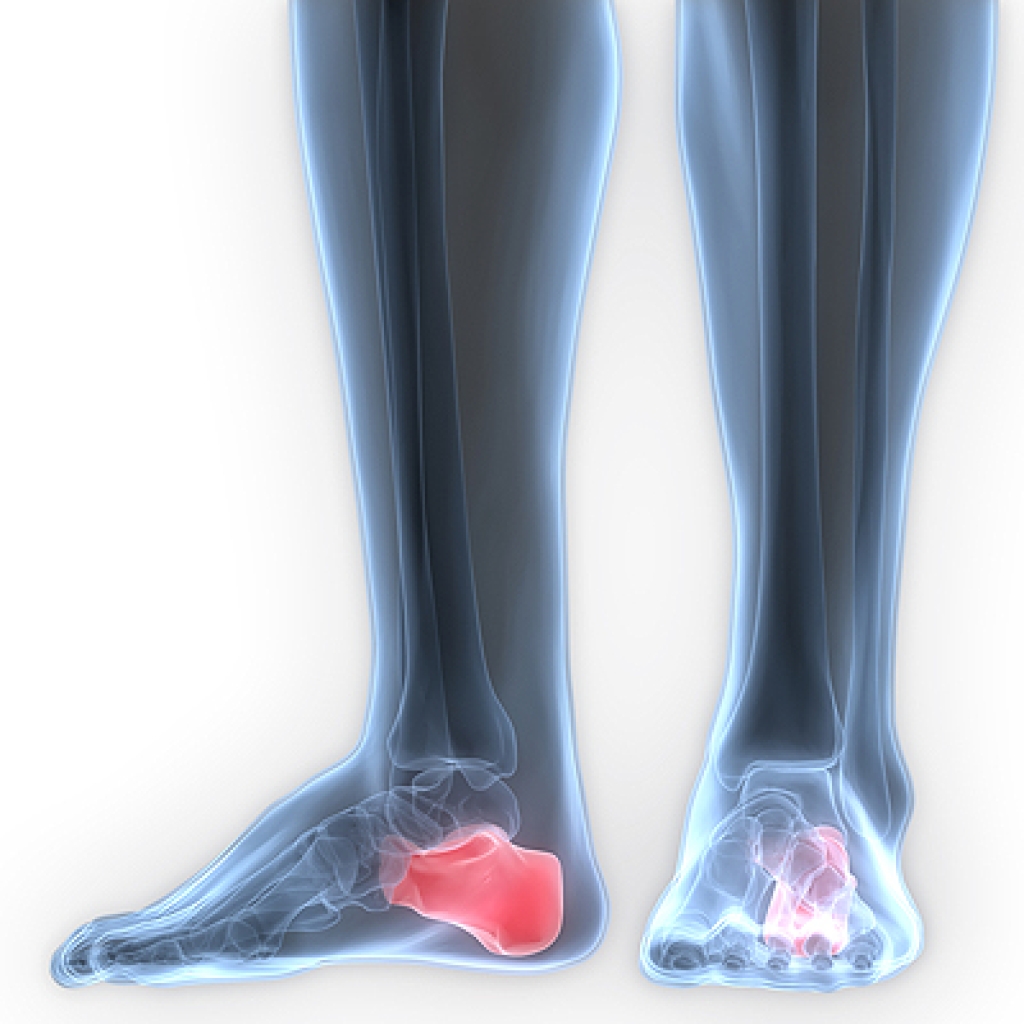
There is a small bone that can be found on the outside, near the middle of the foot. This is referred to as the cuboid bone, which is attached to the heel bone by ligaments. If the tissues surrounding the cuboid bone become injured, the medical condition that is known as cuboid syndrome may develop. A common symptom that is generally associated with this condition may consist of pain and discomfort on the outside of the foot, which may then spread to the toes. The affected area may become swollen, and make it difficult to walk on uneven surfaces. Additionally, limping may become a natural method of dispersing some of the body’s weight. This condition may be caused by enduring an ankle injury, or if the patient has flat feet. Moderate relief may be found if the affected foot is elevated, as this may help to reduce a portion of the swelling. If you have these types of symptoms, it is strongly suggested that you consult with a podiatrist who can properly treat this condition.

Cuboid syndrome, also known as cuboid subluxation, occurs when the joints and ligaments near the cuboid bone in the foot become torn. If you have cuboid syndrome, consult with Howard Kimmel, DPM from Buckeye Foot Care. Our doctor will assess your condition and provide you with quality foot and ankle treatment.

Cuboid syndrome is a common cause of lateral foot pain, which is pain on the outside of the foot. The condition may happen suddenly due to an ankle sprain, or it may develop slowly overtime from repetitive tension through the bone and surrounding structures.

Causes

The most common causes of cuboid syndrome include:

  • Injury – The most common cause of this ailment is an ankle sprain.
  • Repetitive Strain – Tension placed through the peroneus longus muscle from repetitive activities such as jumping and running may cause excessive traction on the bone causing it to sublux.
  • Altered Foot Biomechanics – Most people suffering from cuboid subluxation have flat feet.

Symptoms

A common symptom of cuboid syndrome is pain along the outside of the foot which can be felt in the ankle and toes. This pain may create walking difficulties and may cause those with the condition to walk with a limp.

Diagnosis

Diagnosis of cuboid syndrome is often difficult, and it is often misdiagnosed. X-rays, MRIs and CT scans often fail to properly show the cuboid subluxation. Although there isn’t a specific test used to diagnose cuboid syndrome, your podiatrist will usually check if pain is felt while pressing firmly on the cuboid bone of your foot.

Treatment

Just as the range of causes varies widely, so do treatments. Some more common treatments are ice therapy, rest, exercise, taping, and orthotics.

If you have any questions, please feel free to contact one of our offices located in Brook Park and Willoughby Hills, OH . We offer the newest diagnostic and treatment technologies for all your foot care needs.
Read more about Cuboid Syndrome

Ways to Help Treat the Corns on Your Feet

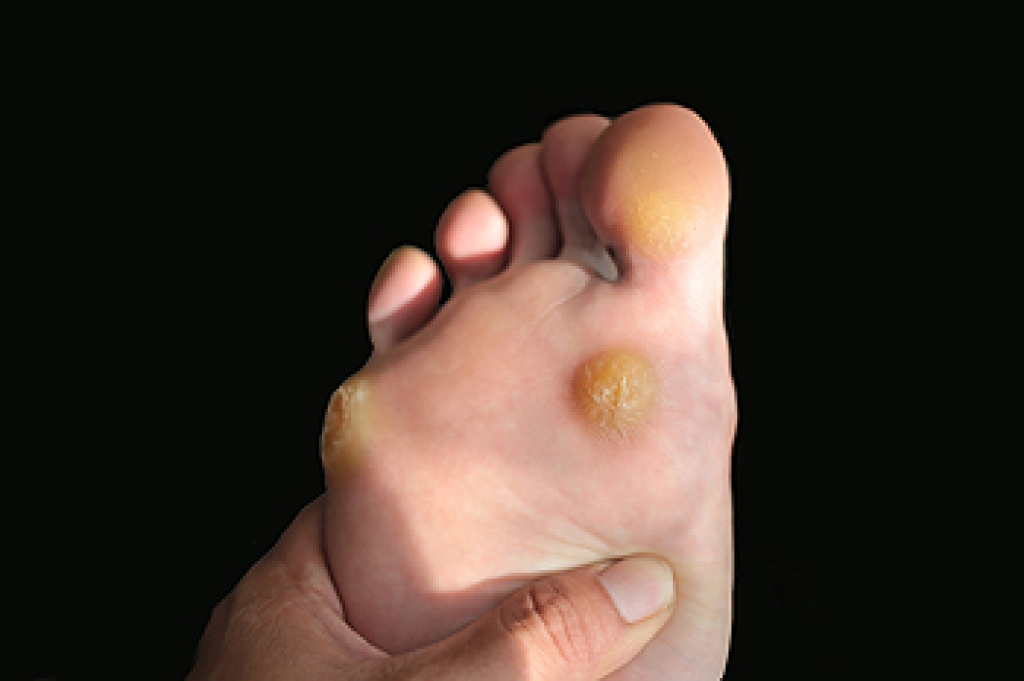
If you notice a hardened area of skin on the bottom or side of your foot, you may have developed a foot condition that is known as a corn. Corns, often confused with calluses, are rounder and incredibly sensitive to the touch when pressure is applied. Corns may develop due to an intense amount of friction between the skin on your feet and tightly worn shoes, for example high heels. Some patients have found mild relief from the discomfort by using apple cider vinegar and castor oil, vitamin E, lemon peels, and Epsom salts. If you would like to safely remove your corn, and get advice on how to best treat this condition, it is suggested that you seek the counsel of a podiatrist.

If you have any concerns about your feet, contact Howard Kimmel, DPM from Buckeye Foot Care. Our doctor can provide the care you need to keep you pain-free and on your feet.

Biomechanics in Podiatry

Podiatric biomechanics is a particular sector of specialty podiatry with licensed practitioners who are trained to diagnose and treat conditions affecting the foot, ankle and lower leg. Biomechanics deals with the forces that act against the body, causing an interference with the biological structures. It focuses on the movement of the ankle, the foot and the forces that interact with them.

A History of Biomechanics

  • Biomechanics dates back to the BC era in Egypt where evidence of professional foot care has been recorded.
  • In 1974, biomechanics gained a higher profile from the studies of Merton Root, who claimed that by changing or controlling the forces between the ankle and the foot, corrections or conditions could be implemented to gain strength and coordination in the area.

Modern technological improvements are based on past theories and therapeutic processes that provide a better understanding of podiatric concepts for biomechanics. Computers can provide accurate information about the forces and patterns of the feet and lower legs.

Understanding biomechanics of the feet can help improve and eliminate pain, stopping further stress to the foot.

If you have any questions please feel free to contact one of our offices located in Brook Park and Willoughby Hills, OH . We offer the newest diagnostic and treatment technologies for all your foot and ankle needs.

Read more about The Importance of Biomechanics in Podiatry

Methods That Can Determine Shoe Size

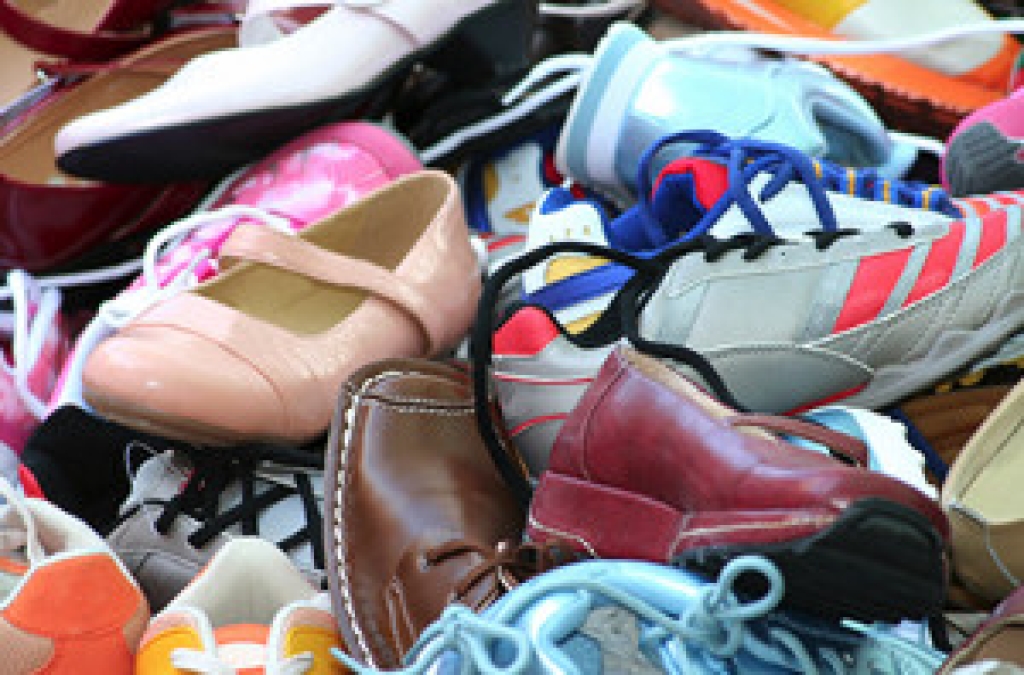
Research has indicated that it is incredibly important to wear shoes that fit your feet correctly. This may be helpful in preventing unwanted foot conditions from developing that can include hammertoes, bunions, and blisters. There are several methods that can be implemented to obtain an accurate measurement. Your foot can be traced on a large piece of paper while wearing socks that are normally worn, along with a pair of shoes you typically wear. Brannock devices are typically found in shoe stores, and can be effective in determining the correct shoe size. When running shoes are purchased, it is important to ensure that there is adequate room for the toes to move freely in. Your feet may change size if weight is gained, or if a foot injury has occurred, which is why it’s beneficial to have a current measurement taken. If you would like to have a podiatrist properly measure your feet, it is suggested that you schedule an appointment.

It is important to find shoes that fit you properly in order to avoid a variety of different foot problems. For more information about treatment, contact Howard Kimmel, DPM from Buckeye Foot Care. Our doctor will treat your foot and ankle needs.

Proper Shoe Fitting

Shoes have many different functions. They cushion our body weight, protect our feet, and allow us to safely play sports. You should always make sure that the shoes you wear fit you properly in order to avoid injuries and deformities such as: bunions, corns, calluses, hammertoes, plantar fasciitis, stress fractures, and more. It is important to note that although a certain pair of shoes might be a great fit for someone else, that doesn’t mean they will be a great fit for you. This is why you should always try on shoes before buying them to make sure they are worth the investment. Typically, shoes need to be replaced ever six months to one year of regular use.

Tips for Proper Shoe Fitting

  • Select a shoe that is shaped like your foot
  • Don’t buy shoes that fit too tight, expecting them to stretch to fit
  • Make sure there is enough space (3/8” to ½”) for your longest toe at the end of each shoe when you are standing up
  • Walk in the shoes to make sure they fit and feel right
  • Don’t select shoes by the size marked inside the shoe, but by how the shoe fits your foot

The shoes you buy should always feel as good as they look. Shoes that fit properly will last longer, feel better, and improve your way of life each day.

If you have any questions please contact one of our offices located in Brook Park and Willoughby Hills, OH . We offer the newest diagnostic and treatment technologies for all your foot and ankle needs.

Read more about Proper Shoe Fitting

Are You Suffering From Ingrown Toenails?

If left untreated, an ingrown toenail can lead to more serious concerns, such as an infection. Knowing proper nail care can help in the prevention of an ingrown toenail. Give us a call, and get treated!

Stretching Correctly May Help to Prevent Running Injuries

There are a few different types of running injuries that can occur. These often include plantar fasciitis, Achilles tendonitis, and the ankle can endure a fracture or sprain. The plantar fascia connects the toes to the heel, and may become inflamed if the patient frequently runs. This can be prevented by wearing shoes that fit correctly, and performing stretches that are designed to stretch the Achilles tendon before and after completing a run. If the ankle is twisted while running and becomes sprained, it may help to wrap an elastic bandage around it for additional support. This type of injury may be prevented by incorporating flexibility and strength training exercises into a daily workout routine. If you would like additional information about how to prevent running injuries, please consult with a podiatrist.

Exercising your feet regularly with the proper foot wear is a great way to prevent injuries. If you have any concerns about your feet, contact Howard Kimmel, DPM of Buckeye Foot Care. Our doctor will treat your foot and ankle needs.

How to Prevent Running Injuries

Many common running injuries are caused by overuse and overtraining. When the back of the kneecap starts wearing out and starts causing pain in your knee, this is commonly referred to as runner’s knee. Runner’s knee is a decrease in strength in your quadriceps and can occur if you’re not wearing properly fitted or supporting shoes. To prevent runner’s knee, focusing on hip strengthening is a good idea, as well as strengthening your quads to keep the kneecaps aligned.

What Are Some Causes of Running Injuries? 
- One cause of a common running injury is called iliotibial band syndrome.
- Plantar fasciitis is also another common injury.
- Stress fractures can occur from overtraining, lack of calcium, or even your running style.

Best Ways to Prevent Running Injuries
- Wear footwear that fits properly and suits your running needs.
- Running shoes are the only protective gear that runners have to safeguard them from injury.
- Make a training schedule. Adding strengthening exercises as well as regular stretching can help keep you strong and limber and can lessen the possibility of injuries.
- Stretching keeps muscles limber; this will help you gain better flexibility.

If you have any questions, please feel free to contact one of our offices located in Brook Park and Willoughby Hills, OH . We offer the newest diagnostic and treatment technologies for all your foot care needs.

Read more about How to Prevent Running Injuries

Connect With Us

scroll to top