How Is an Achilles Tendon Injury Diagnosed?

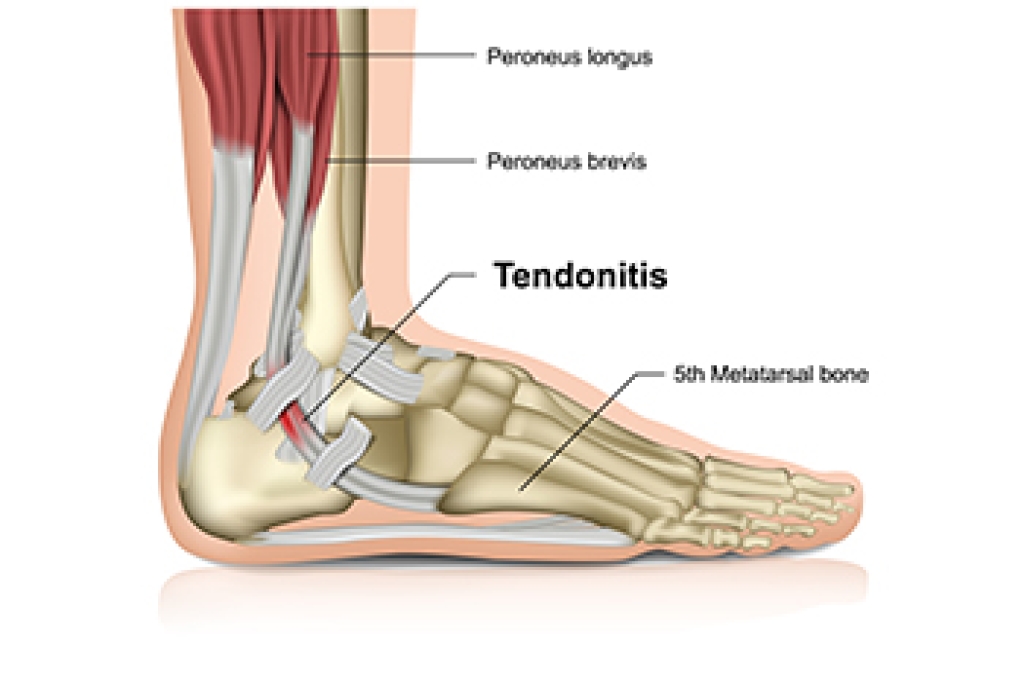
An Achilles tendon rupture is a common injury. It can happen from falling or increasing mileage and distance too quickly while running. Many people hear a disturbing sound, such as popping or cracking, at the time of the injury, and it can be accompanied by extreme pain. Prompt medical attention is often sought for relief, and an X-ray can be performed to rule out a fracture. This can lead to having the Thompson test performed, which is done by squeezing the calf. This is successful in determining the plantarflexion at the foot and ankle. A positive test may conclude that an Achilles tendon injury has occurred. Effective treatment methods can consist of frequently elevating and resting the foot, and a supportive boot may be worn for stability as the healing process occurs. If you have endured an Achilles tendon injury, it is strongly suggested that you are under the care of a podiatrist who can help you to manage this condition.

Achilles tendon injuries need immediate attention to avoid future complications. If you have any concerns, contact Howard Kimmel, DPM of Buckeye Foot Care. Our doctor can provide the care you need to keep you pain-free and on your feet.

What Is the Achilles Tendon?

The Achilles tendon is a tendon that connects the lower leg muscles and calf to the heel of the foot. It is the strongest tendon in the human body and is essential for making movement possible. Because this tendon is such an integral part of the body, any injuries to it can create immense difficulties and should immediately be presented to a doctor.

What Are the Symptoms of an Achilles Tendon Injury?

There are various types of injuries that can affect the Achilles tendon. The two most common injuries are Achilles tendinitis and ruptures of the tendon.

Achilles Tendinitis Symptoms

  • Inflammation
  • Dull to severe pain
  • Increased blood flow to the tendon
  • Thickening of the tendon

Rupture Symptoms

  • Extreme pain and swelling in the foot
  • Total immobility

Treatment and Prevention

Achilles tendon injuries are diagnosed by a thorough physical evaluation, which can include an MRI. Treatment involves rest, physical therapy, and in some cases, surgery. However, various preventative measures can be taken to avoid these injuries, such as:

  • Thorough stretching of the tendon before and after exercise
  • Strengthening exercises like calf raises, squats, leg curls, leg extensions, leg raises, lunges, and leg presses

If you have any questions please feel free to contact one of our offices located in Brook Park and Willoughby Hills, OH . We offer the newest diagnostic tools and technology to treat your foot and ankle needs.
Read more about What are Achilles Tendon Injuries

Chronic Foot Wounds

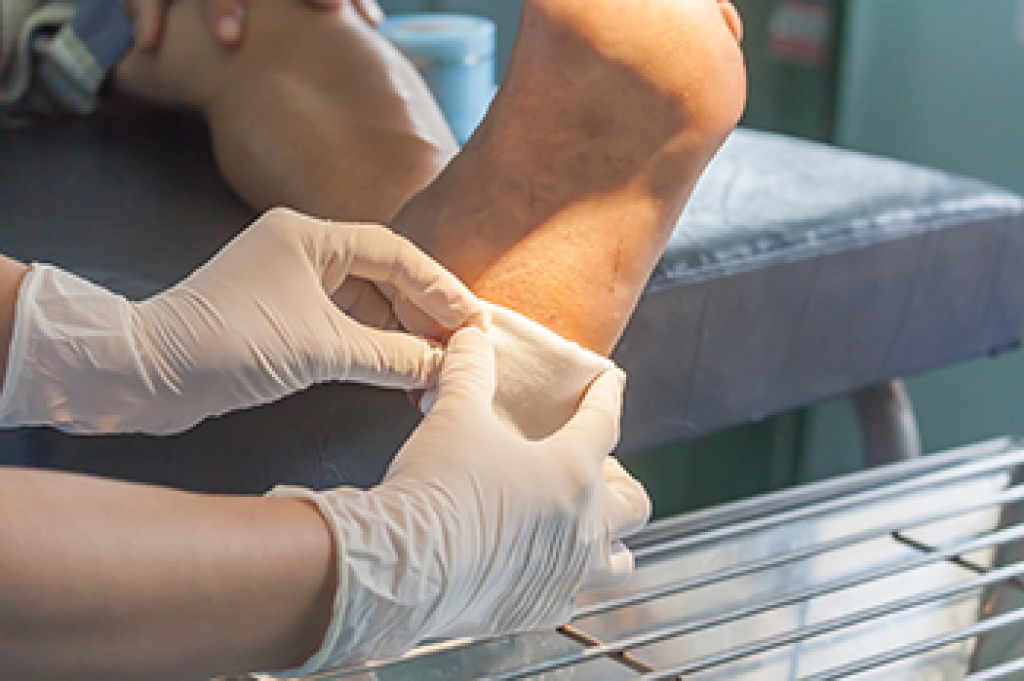
A chronic foot wound is a wound on the foot that does not repair itself in a normal or timely manner. Because such wounds can have serious consequences, it is important for those at risk to practice wound prevention and treatment guidelines. Wounds on the feet can include arterial, diabetic, pressure wounds and venous ulcers. When such wounds surface, it is crucial that they be assessed and even biopsied. Treating such wounds is based on the TIME principle which stands for tissue debridement, infection control, moisture balance, and edges of the wound. Once these things are evaluated, treatment is specific to the wound type. Underlying conditions, such as diabetes or vascular disease are also important to manage. If you are someone who has chronic foot wounds, it is highly suggested that you are under the care of a podiatrist, who can regularly examine your feet and immediately treat wounds that surface.

Wound care is an important part in dealing with diabetes. If you have diabetes and a foot wound or would like more information about wound care for diabetics, consult with Howard Kimmel, DPM from Buckeye Foot Care. Our doctor will assess your condition and provide you with quality foot and ankle treatment.

What Is Wound Care?

Wound care is the practice of taking proper care of a wound. This can range from the smallest to the largest of wounds. While everyone can benefit from proper wound care, it is much more important for diabetics. Diabetics often suffer from poor blood circulation which causes wounds to heal much slower than they would in a non-diabetic. 

What Is the Importance of Wound Care?

While it may not seem apparent with small ulcers on the foot, for diabetics, any size ulcer can become infected. Diabetics often also suffer from neuropathy, or nerve loss. This means they might not even feel when they have an ulcer on their foot. If the wound becomes severely infected, amputation may be necessary. Therefore, it is of the upmost importance to properly care for any and all foot wounds.

How to Care for Wounds

The best way to care for foot wounds is to prevent them. For diabetics, this means daily inspections of the feet for any signs of abnormalities or ulcers. It is also recommended to see a podiatrist several times a year for a foot inspection. If you do have an ulcer, run the wound under water to clear dirt from the wound; then apply antibiotic ointment to the wound and cover with a bandage. Bandages should be changed daily and keeping pressure off the wound is smart. It is advised to see a podiatrist, who can keep an eye on it.

If you have any questions please contact one of our offices located in Brook Park and Willoughby Hills, OH . We offer the newest diagnostic and treatment technologies for all your foot and ankle needs.

Read more about Wound Care

Bunions and Climbing

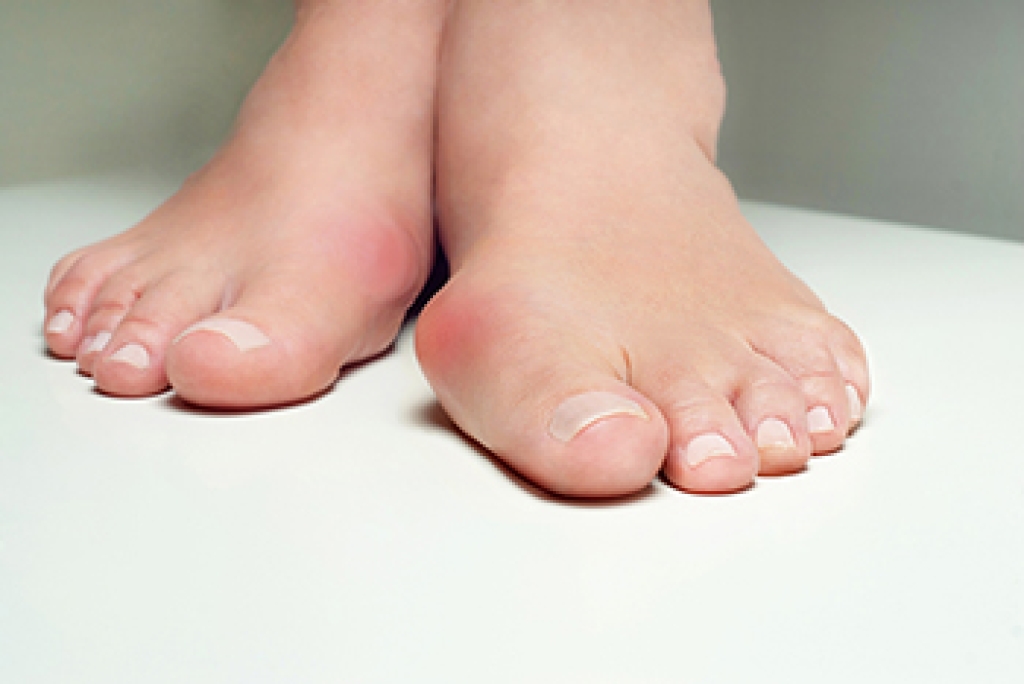
Bunions are a specific kind of foot affliction that can develop when a bony bump forms on the side of the foot, commonly at the big toe. Bunions may also develop near the pinky toe. Living with a bunion can make particular physical activities significantly more difficult to engage in. For example, climbing is an activity that many Americans enjoy. However, climbing with ill-fitting footwear can increase one’s risk of developing a bunion. In particular, climbing with shoes that are too tight can ultimately lead to bunion formation. Since climbing requires a person to put a significant amount of pressure on the feet, climbing with bunions may prove to be challenging. If you are a climber and want to prevent or treat a foot condition like bunions, it is suggested that you schedule an appointment with a podiatrist today.

If you are suffering from bunions, contact Howard Kimmel, DPM of Buckeye Foot Care. Our doctor can provide the care you need to keep you pain-free and on your feet.

What Is a Bunion?

A bunion is formed of swollen tissue or an enlargement of boney growth, usually located at the base joint of the toe that connects to the foot. The swelling occurs due to the bones in the big toe shifting inward, which impacts the other toes of the foot. This causes the area around the base of the big toe to become inflamed and painful.

Why Do Bunions Form?

Genetics – Susceptibility to bunions are often hereditary

Stress on the feet – Poorly fitted and uncomfortable footwear that places stress on feet, such as heels, can worsen existing bunions

How Are Bunions Diagnosed?

Podiatrists often perform two tests – blood tests and x-rays – when trying to diagnose bunions, especially in the early stages of development. Blood tests help determine if the foot pain is being caused by something else, such as arthritis, while x-rays provide a clear picture of your bone structure to your provider.

How Are Bunions Treated?

  • Refrain from wearing heels or similar shoes that cause discomfort
  • Select wider shoes that can provide more comfort and reduce pain
  • Anti-inflammatory and pain management drugs
  • Orthotics or foot inserts
  • Surgery

If you have any questions, please feel free to contact one of our offices located in Brook Park and Willoughby Hills, OH . We offer the newest diagnostic and treatment technologies for all your foot care needs.

Read more about Bunions

Protecting the Feet While Working

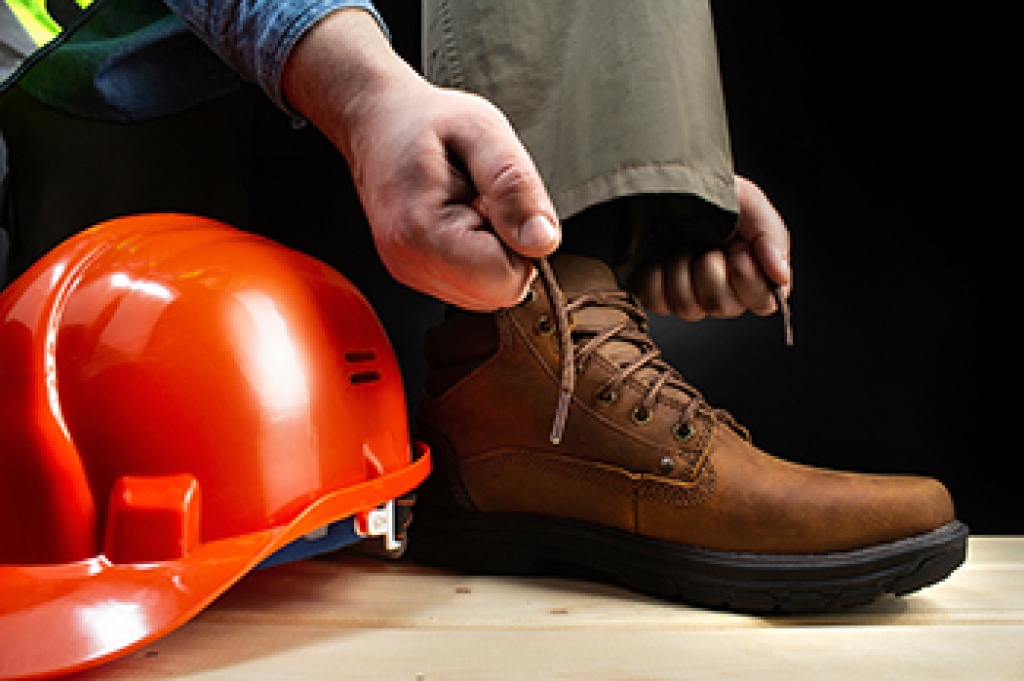
Standing for long periods of time during the work day can wreak havoc on the feet. Sore and swollen feet are common complaints from people who stand for the majority of the day at work. Excessive pressure on the feet from standing for long periods may cause insufficient blood flow, leading to overall fatigue and foot discomfort. It is beneficial to shift the body weight from one foot to the other as often as possible, which may help to improve blood supply to the feet. Additionally, it is vital to wear shoes that fit correctly and the feet may feel better while standing on an anti-fatigue mat. Performing foot stretches during a break at work may soothe aching muscles and may help to improve overall productivity. If you have a job that requires standing for long periods of time, it is suggested that you speak to a podiatrist who can provide you with additional tips on how to protect your feet while at work.

While working on the feet, it is important to take the proper care of them. For more information about working on your feet, contact Howard Kimmel, DPM from Buckeye Foot Care. Our doctor will treat your foot and ankle needs.

Working on Your Feet

Standing on your feet for long periods of time can cause stress and pain in your feet. Your whole body may experience change in terms of posture, back pain, bunions, callouses and or plantar warts. There are ways to avoid these conditions with proper foot care, smart choices and correct posture.

Positive Changes

Negative heeled shoe – Choosing this shoe type places the heel slightly lower than the ball of the foot. These are great for overall foot health. Find shoes that fit you correctly.

Go barefoot – Our feet were not designed to be enclosed for all hours of the day. Try to periodically expose your feet to air.

Eliminate Pain

Foot Exercises – Performing simple exercises, incorporating yoga and doing stretches are beneficial. This will allow increased blood flow to the area and muscles of the foot.

Achilles tendon – Stretching the foot out flat on the floor will relax the calf muscles and tendon. These exercises can be performed almost anywhere. Make sure you add these exercises to your daily regimen. 

With a little bit of this information and knowing more about foot health, you will notice changes. Foot stretches and proper footwear will help with pain and prevent further issues.

If you have any questions please contact one of our offices located in Brook Park and Willoughby Hills, OH . We offer the newest diagnostic and treatment technologies for all your foot and ankle needs.

Read more about Working on Your Feet

Wounds That Don't Heal Need to Be Checked

Your feet are covered most of the day. If you're diabetic, periodic screening is important for good health. Numbness is often a sign of diabetic foot and can mask a sore or wound.

Connect With Us

scroll to top