
If left untreated, an ingrown toenail can lead to more serious concerns, such as an infection. Knowing proper nail care can help in the prevention of an ingrown toenail. Give us a call, and get treated!
If left untreated, an ingrown toenail can lead to more serious concerns, such as an infection. Knowing proper nail care can help in the prevention of an ingrown toenail. Give us a call, and get treated!
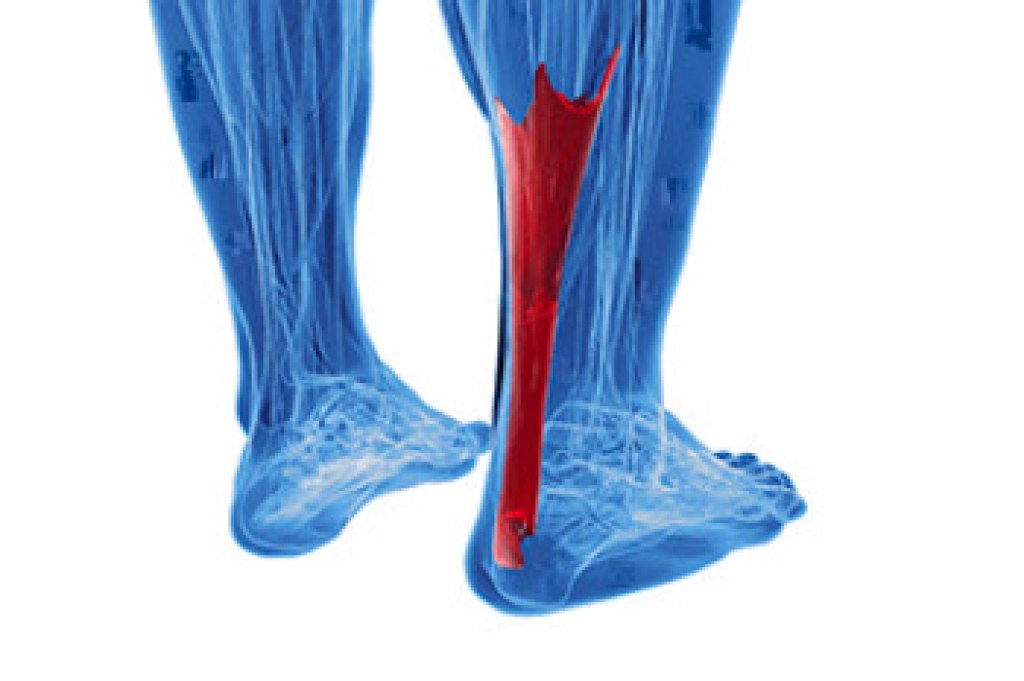
An Achilles tendon injury affects the strong band of tissue that connects the calf muscles to the heel bone. This tendon plays a critical role in walking, running, and pushing off the foot during movement. Injuries can range from mild inflammation to partial or complete tears. Because the Achilles tendon endures high levels of stress, it is vulnerable to damage, especially during sudden or intense activity. Understanding this condition is important for early recognition and proper care.
Symptoms of an Achilles tendon injury often appear suddenly and may be severe. Many individuals report hearing or feeling a pop or snap at the back of the ankle at the time of injury. This sensation is sometimes described as feeling like being kicked in the heel. Swelling and bruising may develop quickly, along with pain that makes walking difficult. A common sign is the inability to push off the foot or stand on tiptoe. These symptoms can significantly affect mobility and require prompt attention.
The causes of Achilles tendon injuries are often linked to sudden increases in physical activity or forceful movements. Activities that involve jumping, sprinting, or quick direction changes can place excessive strain on the tendon. Lack of proper warm up, tight calf muscles, and inadequate conditioning may increase the risk of injury. Overuse and repetitive stress can weaken the tendon over time, making it more susceptible to tears during activity.
Risk factors include active adults who participate in sports without consistent training, as well as individuals known as weekend warriors who engage in intense activity after periods of inactivity. A history of previous tendon injuries, aging, and poor footwear can also contribute to risk. Early evaluation and proper care are essential for recovery and preventing further damage. If you have an Achilles tendon injury, it is suggested that you consult a podiatrist for effective relief and treatment solutions.
Achilles tendon injuries need immediate attention to avoid future complications. If you have any concerns, contact Howard Kimmel, DPM of Buckeye Foot Care. Our doctor can provide the care you need to keep you pain-free and on your feet.
What Is the Achilles Tendon?
The Achilles tendon is a tendon that connects the lower leg muscles and calf to the heel of the foot. It is the strongest tendon in the human body and is essential for making movement possible. Because this tendon is such an integral part of the body, any injuries to it can create immense difficulties and should immediately be presented to a doctor.
What Are the Symptoms of an Achilles Tendon Injury?
There are various types of injuries that can affect the Achilles tendon. The two most common injuries are Achilles tendinitis and ruptures of the tendon.
Achilles Tendinitis Symptoms
Rupture Symptoms
Treatment and Prevention
Achilles tendon injuries are diagnosed by a thorough physical evaluation, which can include an MRI. Treatment involves rest, physical therapy, and in some cases, surgery. However, various preventative measures can be taken to avoid these injuries, such as:
If you have any questions please feel free to contact one of our offices located in Brook Park and Willoughby Hills, OH . We offer the newest diagnostic tools and technology to treat your foot and ankle needs.
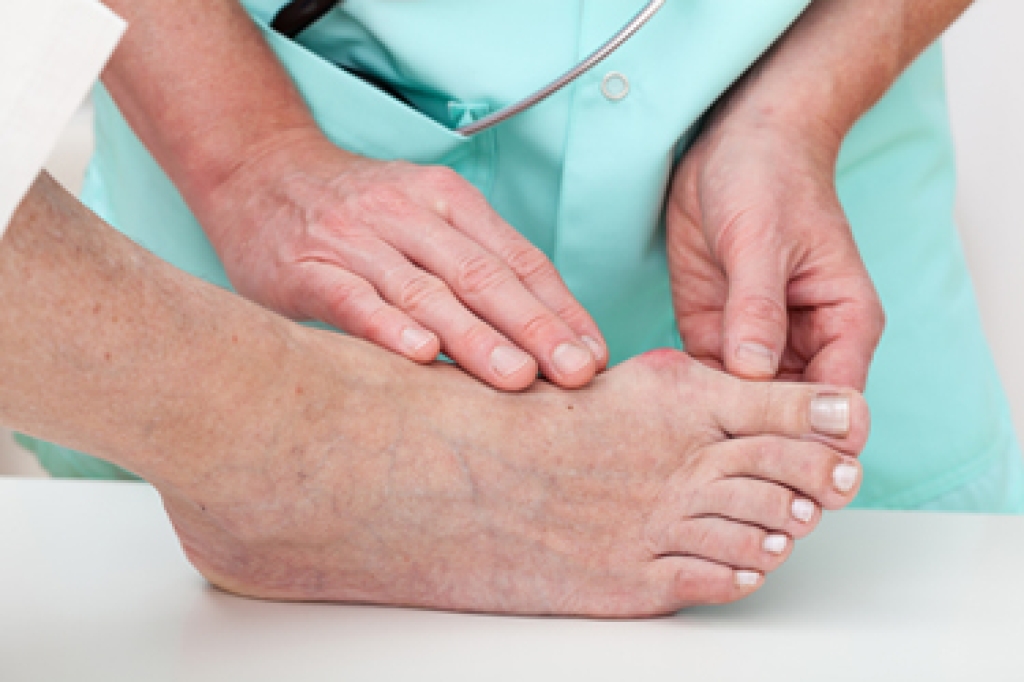
Bunions are a common foot condition that develop when the joint at the base of the big toe becomes enlarged and shifts out of alignment. This creates a visible bump on the side of the foot when the big toe angles toward the other toes. Bunions often result from structural imbalances in the foot, combined with pressure from wearing tight or narrow footwear. This misalignment can lead to discomfort and difficulty with walking. Understanding the definition and causes of bunions can help guide proper care and prevention strategies.
Symptoms of bunions include pain, swelling, redness, and restricted movement in the big toe joint. The skin over the bump may become irritated from friction, especially when wearing ill-fitting shoes. Risk factors include genetics, flat feet, wearing improper footwear, and occupations that require prolonged standing. These factors place stress on the forefoot and contribute to joint misalignment.
Bunion exercises can play an important role in managing symptoms by helping align, strengthen, and increase range of motion in the big toe. Big toe circles are performed by gently rotating the big toe in slow, controlled circles while seated, which helps improve flexibility and joint mobility. Toe spread-outs involve placing the foot flat on the ground and spreading the toes apart as far as possible, then holding the position briefly to strengthen surrounding muscles. Additionally, toe curl and point exercises require curling the toes inward and then extending them outward, which supports muscle control and coordination in the forefoot.
The benefits of these exercises include improved alignment, reduced stiffness, and enhanced muscle support for the big toe joint. Maintaining foot strength and flexibility is key to overall foot health. If you have bunion pain or changes in toe alignment, it is suggested that you consult a podiatrist for effective relief and management tips, which may include guidance on additional foot exercises.
Exercising your feet regularly with the proper foot wear is a great way to prevent injuries and build strength. If you have any concerns about your feet, contact Howard Kimmel, DPM from Buckeye Foot Care. Our doctor can provide the care you need to keep you pain-free and on your feet.
Exercise for Your Feet
Exercise for your feet can help you gain strength, mobility and flexibility in your feet. They say that strengthening your feet can be just as rewarding as strengthening another part of the body. Your feet are very important, and we often forget about them in our daily tasks. But it is because of our feet that are we able to get going and do what we need to. For those of us fortunate enough to not have any foot problems, it is an important gesture to take care of them to ensure good health in the long run.
Some foot health exercises can include ankle pumps, tip-toeing, toe rises, lifting off the floor doing reps and sets, and flexing the toes. It is best to speak with Our doctor to determine an appropriate regimen for your needs. Everyone’s needs and bodies are different, and the activities required to maintain strength in the feet vary from individual to individual.
Once you get into a routine of doing regular exercise, you may notice a difference in your feet and how strong they may become.
If you have any questions, please feel free to contact one of our offices located in Brook Park and Willoughby Hills, OH . We offer the newest diagnostic and treatment technologies for all your foot care needs.

Toe injuries from tennis are often the result of repetitive stress and sudden movements that place strain on the front of the foot. The definition of tennis toe involves damage to the toenail or surrounding tissue from repeated impact inside the shoe. Turf toe, on the other hand, is a joint injury that occurs when the big toe bends upward too forcefully. Both conditions are common in tennis due to the demands of quick footwork and constant movement across the court.
Common symptoms of tennis toe include pain beneath the nail, discoloration, and sensitivity when pressure is applied. Turf toe symptoms include swelling, stiffness, and pain near the base of the big toe. Players may notice difficulty pushing off or reduced flexibility in the toe joint. These symptoms can worsen with continued activity and may limit performance if not addressed. Early recognition of these signs is important for effective management.
Risk factors include frequent participation in tennis, wearing shoes that are too tight or loose, and playing on hard surfaces. Improper footwear can increase friction and pressure on the toes, leading to injury. Turf toe is more likely to occur when the toe is forced into an extended position during sudden stops or directional changes. Weak foot support and lack of conditioning may also contribute to increased injury risk.
Reducing the risk of toe injuries requires wearing proper footwear, good foot hygiene, and attention to technique. Shoes should provide a secure fit and adequate cushioning to absorb impact. Regular rest and conditioning can help maintain strength and flexibility. Addressing pain early can prevent more serious complications. If you have toe pain from tennis activities, it is suggested that you seek evaluation from a podiatrist for effective relief, management and prevention techniques.
Ankle and foot injuries are common among athletes and in many sports. They can be caused by several problems and may be potentially serious. If you are feeling pain or think you were injured in a sporting event or when exercising, consult with Howard Kimmel, DPM from Buckeye Foot Care. Our doctor will assess your condition and provide you with quality foot and ankle treatment.
Common Injuries
The most common injuries that occur in sporting activities include:
Symptoms
Symptoms vary depending upon the injury and in some cases, there may be no symptoms at all. However, in most cases, some form of symptom is experienced. Pain, aching, burning, bruising, tenderness, tightness or stiffness, sensation loss, difficulty moving, and swelling are the most common symptoms.
Treatment
Just as symptoms vary depending upon the injury, so do treatment options. A common treatment method is known as the RICE method. This method involves rest, applying ice, compression and elevating the afflicted foot or ankle. If the injury appears to be more serious, surgery might be required, such as arthroscopic or reconstructive surgery. Lastly, rehabilitation or therapy might be needed to gain full functionality in the afflicted area. Any discomfort experienced by an athlete must be evaluated by a licensed, reputable medical professional.
If you have any questions please contact one of our offices located in Brook Park and Willoughby Hills, OH . We offer the newest diagnostic and treatment technologies for all your foot and ankle needs.
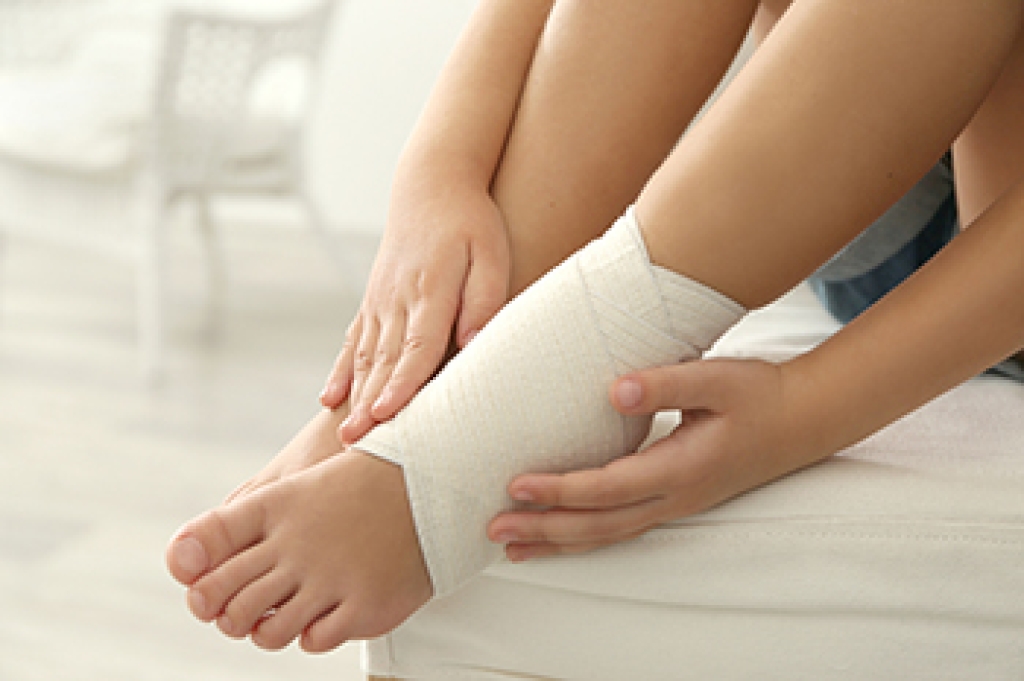
Ankle sprains happen when the strong ligaments that support the ankle stretch too far or tear after the foot twists in an awkward direction. Ligaments are bands of tissue that connect bones and help keep joints stable. A sprain can occur while running, stepping on an uneven surface, or missing a step. The injury can affect the ligaments on the outside of the ankle or the higher ligaments between the lower leg bones. The severity ranges from mild stretching to a complete tear. Prompt evaluation is important because walking on an injured ankle too soon can make the damage worse and increase the risk of repeated sprains. Wearing shoes that provide good support also helps reduce unnecessary stress on the ankle.
Symptoms include pain, swelling, and trouble putting weight on the foot. Some people notice limited movement or a feeling that the ankle is unstable while walking. Others hear or feel a popping sensation when the injury happens. More severe sprains can make standing and daily activities very difficult. A careful examination helps determine the type and severity of the injury. Imaging tests, like X-rays or other scans, are sometimes needed to rule out a fracture or identify more serious damage. Early diagnosis also helps reduce the chance of long-term ankle problems.
Podiatrists evaluate ankle stability, joint movement, and walking patterns to understand how the injury affects foot function. Treatment focuses on protecting the damaged ligaments, restoring healthy movement, and helping the ankle regain stability. A podiatrist also monitors healing, identifies signs of ongoing instability, and recommends ways to reduce stress on the ankle during recovery. Early care helps lower the risk of repeated sprains, chronic pain, and reduced mobility. Proper treatment also supports a safer return to work, sports, and other daily activities. If you have symptoms of an ankle sprain, it is suggested that you schedule an appointment with a podiatrist for diagnosis and treatment.
Ankle sprains are common but need immediate attention. If you need your feet checked, contact Howard Kimmel, DPM from Buckeye Foot Care. Our doctor can provide the care you need to keep you pain-free and on your feet.
How Does an Ankle Sprain Occur?
Ankle sprains take place when the ligaments in your ankle are torn or stretched beyond their limits. There are multiple ways that the ankle can become injured, including twisting or rolling over onto your ankle, putting undue stress on it, or causing trauma to the ankle itself.
What Are the Symptoms?
Preventing a Sprain
Treatment of a Sprain
Treatment of a sprain depends on the severity. Many times, people are told to rest and remain off their feet completely, while others are given an air cast. If the sprain is very severe, surgery may be required.
If you have suffered an ankle sprain previously, you may want to consider additional support such as a brace and regular exercises to strengthen the ankle.
If you have any questions please feel free to contact one of our offices located in Brook Park and Willoughby Hills, OH . We offer the newest diagnostic tools and technology to treat your foot and ankle needs.
Connect With Us
