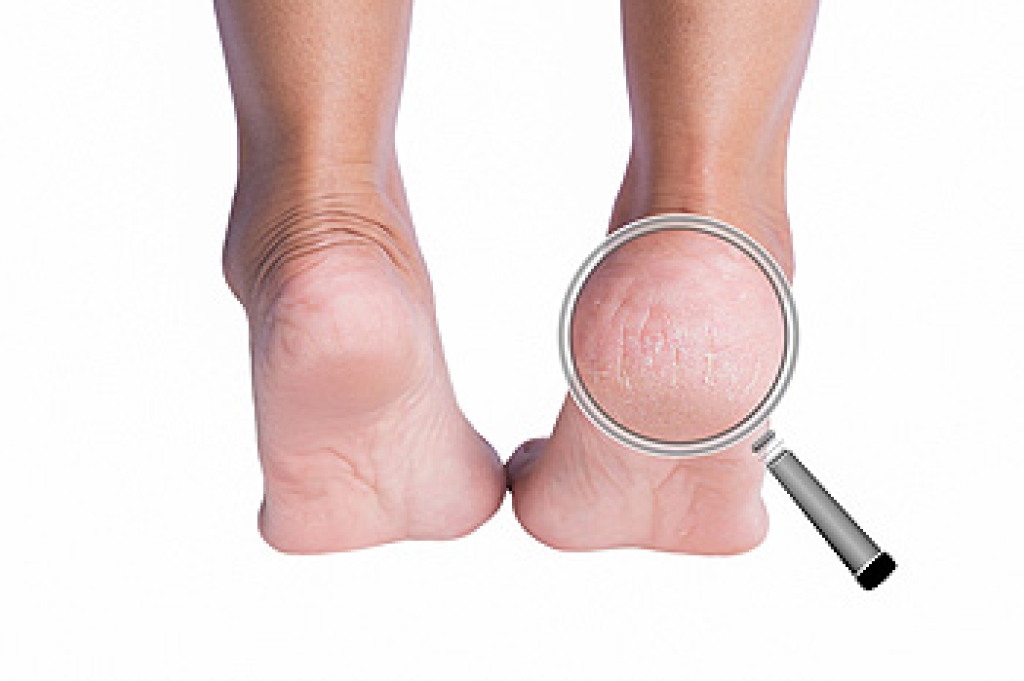
Lack of Vitamins May Lead to Cracked Heels

The medical condition known as cracked heels is often uncomfortable and unsightly. It can develop as a result of wearing shoes that have an open or from standing on hard surfaces for the majority of the day. Additionally, many people do not take care of their feet properly and their everyday diet may lack essential vitamins and minerals which can be beneficial in keeping the feet healthy. Having a thyroid disorder may lead to the development of cracked heels, as well as obesity. Common symptoms that are often associated with cracked heels can consist of inflamed skin surrounding the heels, calluses, and the foot may itch. It can be beneficial to wash and dry the feet thoroughly followed by frequently applying a good moisturizer. This can help to maintain smooth skin and keep it hydrated too. If you would like additional information about how to properly care for cracked heels, please confer with a podiatrist who can help you to manage this condition.

If the skin on your feet starts to crack, you may want to see a podiatrist to find treatment. If you have any concerns, contact Howard Kimmel, DPM from Buckeye Foot Care. Our doctor can provide the care you need to keep you pain-free and on your feet.

Cracked Heels

It is important to moisturize your cracked heels in order to prevent pain, bleeding, and infection. The reason cracked heels form is because the skin on the foot is too dry to support the immense pressure placed on them. When the foot expands, the dry skin on the foot begins to split.

Ways to Help Heal Them

  • Invest in a good foot cream
  • Try Using Petroleum Jelly
  • Ease up on Soaps
  • Drink Plenty of Water

Ways to Prevent Cracked Heels

  • Moisturize After Showering
  • Skip a Shower
  • Keep Shower Water Lukewarm
  • Don’t Scrub Your Feet

If you are unsure how to proceed in treating cracked heels, seek guidance from a podiatrist. Your doctor will help you with any questions or information you may need. 

If you have any questions, please feel free to contact one of our offices located in Brook Park and Willoughby Hills, OH . We offer the newest diagnostic and treatment technologies for all your foot care needs.
Read more about Solutions for Cracked Heels

Shoes and Hammertoe

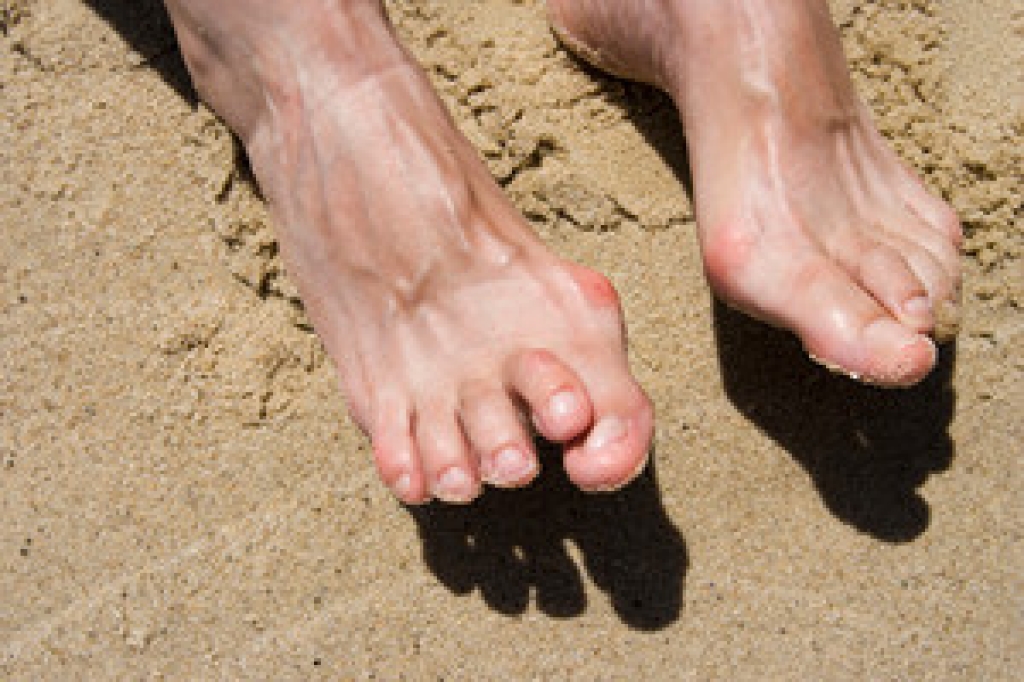
When the second toe bends up at the middle joint, it may be indicative of a condition that is known as hammertoe. This is considered to be a deformity, and can cause difficulty in walking. In severe cases, these deformed toes can resemble hammers, and may require surgery to permanently straighten the toes. Hammertoe can occur from genetic factors, or from wearing high heels, or tight shoes. Many times, these types of shoes do not provide adequate room for the toes to move freely in. Some patients find mild relief when specific toe stretches are performed, and custom made insoles are worn. If surgery is performed, it can take several weeks for a full recovery, and a special shoe may need to be worn. If you suffer from hammertoe, please speak with a podiatrist when the first symptoms appear, so a proper diagnosis can be made and treatment can be started.

Hammertoe

Hammertoes can be a painful condition to live with. For more information, contact Howard Kimmel, DPM from Buckeye Foot Care. Our doctor will answer any of your foot- and ankle-related questions.

Hammertoe is a foot deformity that affects the joints of the second, third, fourth, or fifth toes of your feet. It is a painful foot condition in which these toes curl and arch up, which can often lead to pain when wearing footwear.

Symptoms

  • Pain in the affected toes
  • Development of corns or calluses due to friction
  • Inflammation
  • Redness
  • Contracture of the toes

Causes

Genetics – People who are genetically predisposed to hammertoe are often more susceptible

Arthritis – Because arthritis affects the joints in your toes, further deformities stemming from arthritis can occur

Trauma – Direct trauma to the toes could potentially lead to hammertoe

Ill-fitting shoes – Undue pressure on the front of the toes from ill-fitting shoes can potentially lead to the development of hammertoe

Treatment

Orthotics – Custom made inserts can be used to help relieve pressure placed on the toes and therefore relieve some of the pain associated with it

Medications – Oral medications such as anti-inflammatories or NSAIDs could be used to treat the pain and inflammation hammertoes causes. Injections of corticosteroids are also sometimes used

Surgery – In more severe cases where the hammertoes have become more rigid, foot surgery is a potential option

If you have any questions, please feel free to contact one of our offices located in Brook Park and Willoughby Hills, OH . We offer the newest diagnostic and treatment technologies for all your foot care needs.
Read more about Hammertoe

Has My Child Broken a Toe?

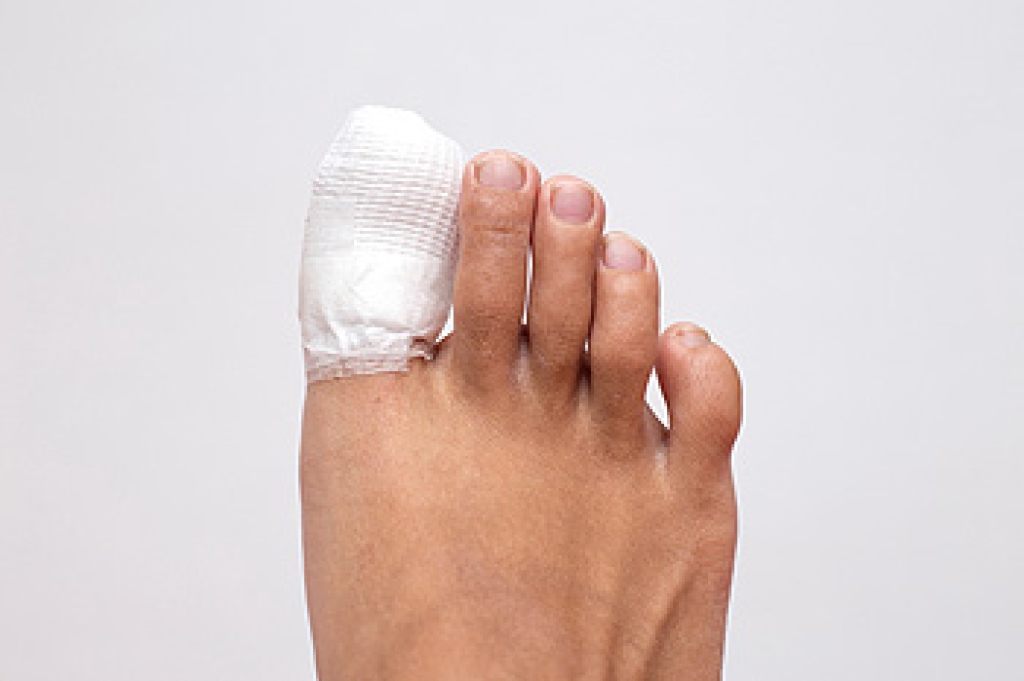
A broken toe is a common injury children can incur that parents have to properly address. It can happen as a result of stubbing the toe into a piece of furniture, or from dropping a heavy object on the toe. If the break is severe, the toe may become dislocated. This is noticeable as the bone protrudes from the toe. Many parents will take their child for an X-ray, and this is helpful in determining if a fracture has occurred. An effective treatment method for mildly broken toes can consist of buddy taping. This is accomplished by taping the affected toe to the toe next to it. This is generally effective in providing the support that is needed as the healing process occurs. Common symptoms of a broken toe can include immediate bruising, and it is often difficult to walk. If your child has broken a toe, it is strongly suggested that you seek the advice of a podiatrist who can make a proper diagnosis and offer effective treatment methods.

Broken toes may cause a lot of pain and should be treated as soon as possible. If you have any concerns about your feet, contact Howard Kimmel, DPM from Buckeye Foot Care. Our doctor will treat your foot and ankle needs.

What Is a Broken Toe?

A broken toe occurs when one or more of the toe bones of the foot are broken after an injury. Injuries such as stubbing your toe or dropping a heavy object on it may cause a toe fracture.

Symptoms of a Broken Toe

  • Swelling
  • Pain (with/without wearing shoes)
  • Stiffness
  • Nail Injury

Although the injured toe should be monitored daily, it is especially important to have a podiatrist look at your toe if you have severe symptoms. Some of these symptoms include worsening or new pain that is not relieved with medication, sores, redness, or open wounds near the toe.

If you have any questions please feel free to contact one of our offices located in Brook Park and Willoughby Hills, OH . We offer the newest diagnostic tools and technology to treat your foot and ankle needs.

Read more about What to Know About a Broken Toe

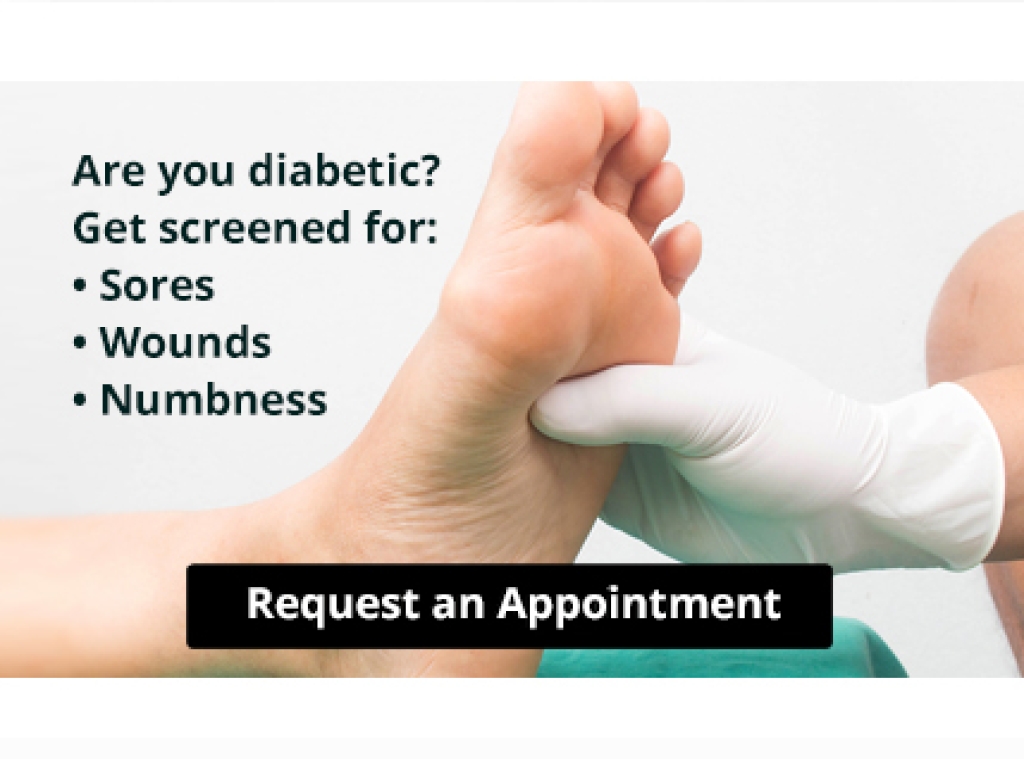
Wounds That Don't Heal Need to Be Checked

Your feet are covered most of the day. If you're diabetic, periodic screening is important for good health. Numbness is often a sign of diabetic foot and can mask a sore or wound.

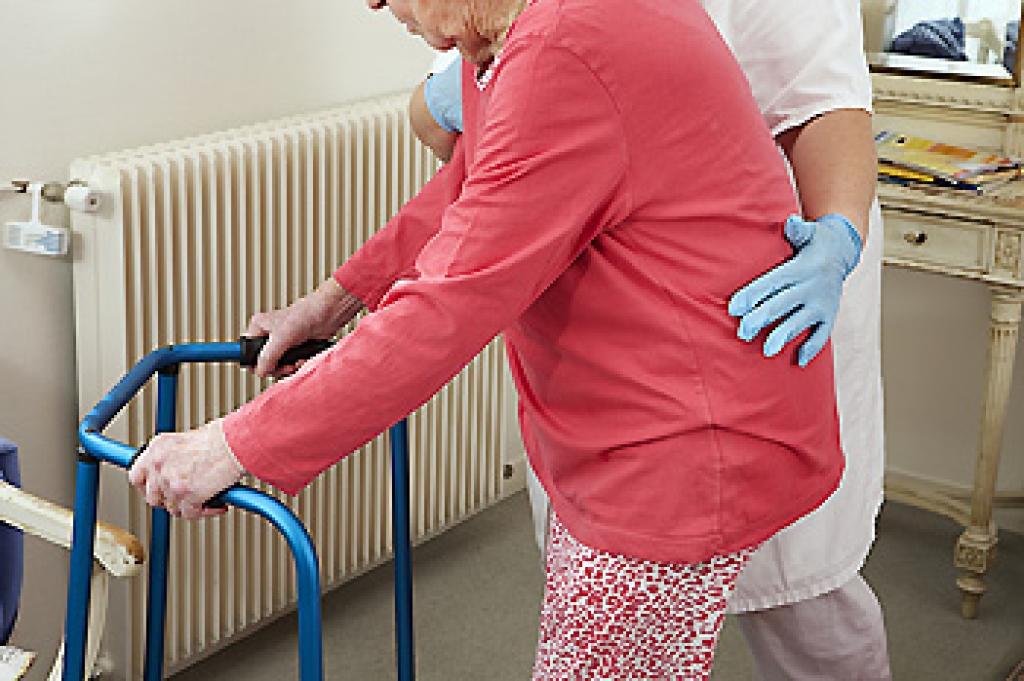
How to Prevent Falling at Home

Falls are a major cause of injury and disability among older adults. One of the most common places that seniors fall is in their own homes. This can be prevented by making several modifications to the living space. The easiest and fastest way to reduce risk of falling is to clear any clutter, especially from the floor and areas like hallways and staircases. Remove tripping hazards such as loose or slippery carpets or rugs. Install grab bars in the bathroom, where slippery floors can make falling more likely, and install handrails on the stairs. Install brighter lighting and nightlights to help seniors see where they are walking. Seniors with good foot health may be less likely to fall. To help maintain foot health and mobility, schedule an appointment with a podiatrist.

Preventing falls among the elderly is very important. If you are older and have fallen or fear that you are prone to falling, consult with Howard Kimmel, DPM from Buckeye Foot Care. Our doctor will assess your condition and provide you with quality advice and care.

Every 11 seconds, an elderly American is being treated in an emergency room for a fall related injury. Falls are the leading cause of head and hip injuries for those 65 and older. Due to decreases in strength, balance, senses, and lack of awareness, elderly persons are very susceptible to falling. Thankfully, there are a number of things older persons can do to prevent falls.

How to Prevent Falls

Some effective methods that older persons can do to prevent falls include:

  • Enrolling in strength and balance exercise program to increase balance and strength
  • Periodically having your sight and hearing checked
  • Discuss any medications you have with a doctor to see if it increases the risk of falling
  • Clearing the house of falling hazards and installing devices like grab bars and railings
  • Utilizing a walker or cane
  • Wearing shoes that provide good support and cushioning
  • Talking to family members about falling and increasing awareness

Falling can be a traumatic and embarrassing experience for elderly persons; this can make them less willing to leave the house, and less willing to talk to someone about their fears of falling. Doing such things, however, will increase the likelihood of tripping or losing one’s balance. Knowing the causes of falling and how to prevent them is the best way to mitigate the risk of serious injury.  

If you have any questions, please feel free to contact one of our offices located in Brook Park and Willoughby Hills, OH . We offer the newest diagnostic and treatment technologies for all your foot care needs.
Read more about Falls Prevention

Connect With Us

scroll to top