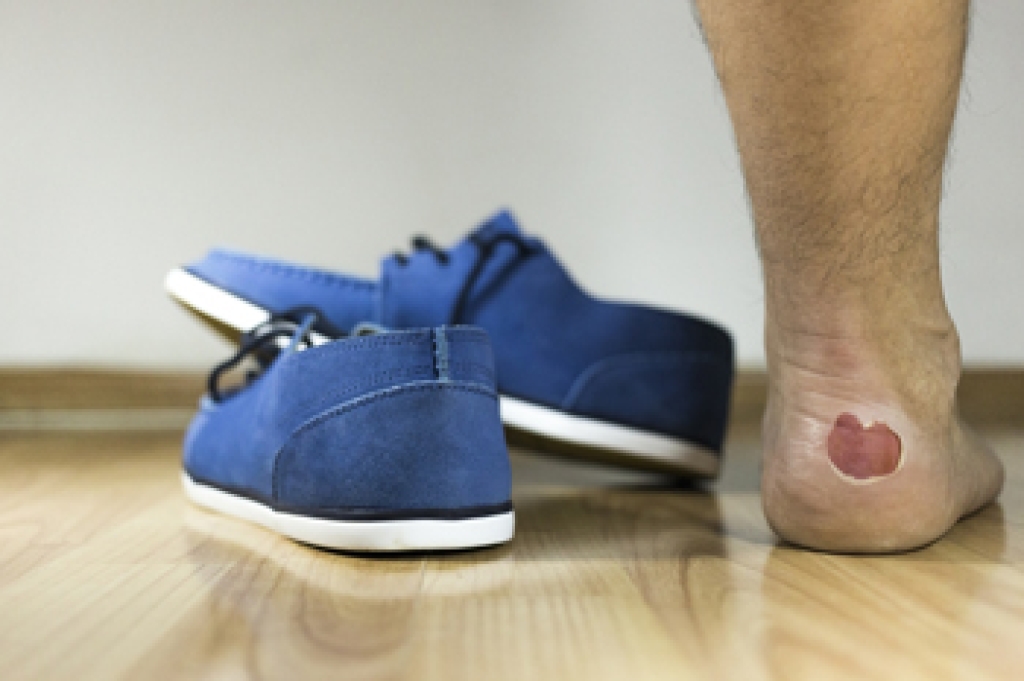
​​What Are Blood Blisters on the Feet?

A blood blister is a raised section of skin filled with red fluid that begins as a light red color and becomes darker. It is similar to a blister caused by friction that fills with clear liquid. A blood blister will usually disappear in a week or two and should cause little concern. Usually, the pain associated with a blood blister comes from the action that initially caused it. A blood blister can form on the feet where the skin is pinched but does not break open. It can result from factors such as poorly fitting shoes that pinch the skin, sweaty feet that cause extra friction, or severe frostbite. People should wear well-fitting shoes and keep their feet dry to avoid blood blisters. If a blood blister develops, the area should be kept clean, and the blister should not be popped. If there is no apparent reason for the onset of a blood blister, if it does not clear up on its own, repeatedly returns, or if there are signs of infection, consult with a podiatrist who can diagnose any unusual or underlying problems and provide necessary treatment.

Blisters are prone to making everyday activities extremely uncomfortable. If your feet are hurting, contact Howard Kimmel, DPM of Buckeye Foot Care. Our doctor can provide the care you need to keep you pain-free and on your feet.

Foot Blisters

Foot blisters develop as a result of constantly wearing tight or ill-fitting footwear. This happens due to the constant rubbing from the shoe, which can often lead to pain.

What Are Foot Blisters?

A foot blister is a small fluid-filled pocket that forms on the upper-most layer of the skin. Blisters are filled with clear fluid and can lead to blood drainage or pus if the area becomes infected.

How Do Blisters Form?

Blisters on the feet are often the result of constant friction of skin and material, usually by shoe rubbing. Walking in sandals, boots, or shoes that don’t fit properly for long periods of time can result in a blister. Having consistent foot moisture and humidity can easily lead to blister formation.

Prevention & Treatment

It is important to properly care for the affected area in order to prevent infection and ease the pain. Do not lance the blister and use a Band-Aid to provide pain relief. Also, be sure to keep your feet dry and wear proper fitting shoes. If you see blood or pus in a blister, seek assistance from a podiatrist.

If you have any questions, please feel free to contact one of our offices located in Brook Park and Willoughby Hills, OH . We offer the newest diagnostic and treatment technologies for all your foot care needs.

Read more about Blisters

Arch Pain May Indicate Various Foot Conditions

Patients who have pain in the arch of their foot may notice it can be difficult to complete daily activities. The arch is responsible for many functions including absorbing shock, balancing, and helping the body to adapt to various surfaces. The pain may radiate to the heel and the ball of the foot, and this may be a result of foot conditions. An abnormal foot structure can cause arch pain, and people who have gained weight or who have undergone extreme physical stress may have pain in this part of their foot. Some of the ailments that are associated with arch pain are plantar fasciitis, heel spurs, and adult-acquired flatfoot. For example, cavus foot can be indicative of having an extremely high arch and may be accompanied by hammertoe and calluses. If you have foot or arch pain for any reason, please consult a podiatrist who can provide a proper diagnosis and offer you effective treatment remedies.

Foot Pain

Foot pain can be extremely painful and debilitating. If you have a foot pain, consult with Howard Kimmel, DPM from Buckeye Foot Care. Our doctor will assess your condition and provide you with quality foot and ankle treatment.

Causes

Foot pain is a very broad condition that could be caused by one or more ailments. The most common include:

  • Bunions
  • Hammertoes
  • Plantar Fasciitis
  • Bone Spurs
  • Corns
  • Tarsal Tunnel Syndrome
  • Ingrown Toenails
  • Arthritis (such as Gout, Rheumatoid, and Osteoarthritis)
  • Flat Feet
  • Injury (from stress fractures, broken toe, foot, ankle, Achilles tendon ruptures, and sprains)
  • And more

Diagnosis

To figure out the cause of foot pain, podiatrists utilize several different methods. This can range from simple visual inspections and sensation tests to X-rays and MRI scans. Prior medical history, family medical history, and any recent physical traumatic events will all be taken into consideration for a proper diagnosis.

Treatment

Treatment depends upon the cause of the foot pain. Whether it is resting, staying off the foot, or having surgery; podiatrists have a number of treatment options available for foot pain.

If you have any questions, please feel free to contact one of our offices located in Brook Park and Willoughby Hills, OH . We offer the newest diagnostic and treatment technologies for all your foot care needs.

Read more about Foot Pain

How Is a Broken Foot Diagnosed?

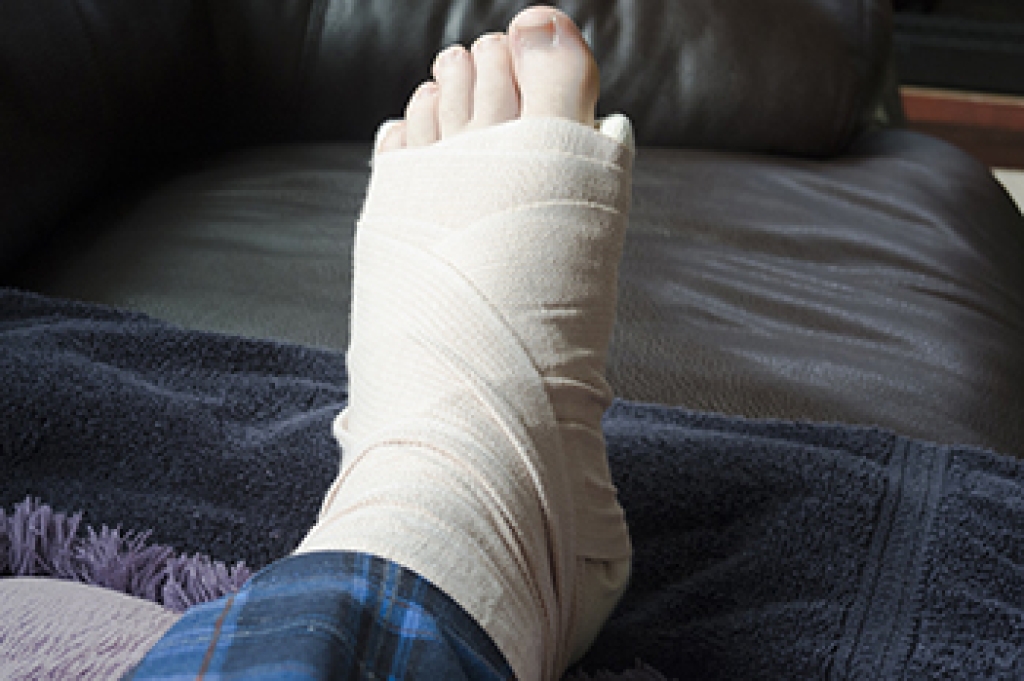
There is no mistaking a broken foot when it happens. It produces immediate pain and may be accompanied by bruising and swelling. This can be the result of a fall, or if a heavy object drops on the foot. Prompt medical attention is suggested, and it is difficult or impossible to walk on it. In severe fractures, the bone can protrude through the skin, and appear displaced. Having an X-ray taken is the most successful method to obtain a proper diagnosis, and this can help to determine the extent of the break. In some cases, a CT scan or MRI may also be used in addition to an X-ray, which may help to confirm the diagnosis. The majority of patients wear a boot or cast on the affected foot, and this is effective in stabilizing the foot as the healing process begins. Additionally, it is beneficial to elevate the broken foot as often as possible, which may reduce any existing swelling. If you have broken your foot, please contact a podiatrist who can begin the correct treatment for a broken foot. 

A broken foot requires immediate medical attention and treatment. If you need your feet checked, contact Howard Kimmel, DPM from Buckeye Foot Care. Our doctor can provide the care you need to keep you pain-free and on your feet.

Broken Foot Causes, Symptoms, and Treatment

A broken foot is caused by one of the bones in the foot typically breaking when bended, crushed, or stretched beyond its natural capabilities. Usually the location of the fracture indicates how the break occurred, whether it was through an object, fall, or any other type of injury. 

Common Symptoms of Broken Feet:

  • Bruising
  • Pain
  • Redness
  • Swelling
  • Blue in color
  • Numbness
  • Cold
  • Misshapen
  • Cuts
  • Deformities

Those that suspect they have a broken foot shoot seek urgent medical attention where a medical professional could diagnose the severity.

Treatment for broken bones varies depending on the cause, severity and location. Some will require the use of splints, casts or crutches while others could even involve surgery to repair the broken bones. Personal care includes the use of ice and keeping the foot stabilized and elevated.

If you have any questions, please feel free to contact one of our offices located in Brook Park and Willoughby Hills, OH . We offer the newest diagnostic and treatment technologies for all your foot care needs.

Read more about Causes, Symptoms, and Treatment for a Broken Foot

Are Bunions Affecting Your Everyday Life?

Have you noticed a bony protrusion on the side of your big toe? If so, you may have developed the foot condition known as a bunion. Don't let bunions interfere with your daily activities.

Foot and Ankle Injuries in Pickleball

The increasingly popular sport of pickleball was born from a cross between tennis, badminton and ping-pong. 2022 marked the 57th anniversary of this sport. It has grown in participation because it is fun and older participants especially think it is easier on the body. However, those who play this sport are still at risk for injury to various parts of their bodies. The quick side-to-side movements in pickleball put the ankle joint at high risk for sprain injuries. The repeated pounding of the feet on hard courts can also lead to foot pain. Investing in good, stable court shoes with a large toe box can help offset some of the pain suffered. Also, increasing the strength of the foot and ankle by practicing balancing exercises on one foot at a time can help in the prevention of injuries. If you are a pickleball player and have sustained an injury or suffer from foot pain, contact a podiatrist who can help with proper diagnoses and treatments appropriate for you.

Sports related foot and ankle injuries require proper treatment before players can go back to their regular routines. For more information, contact Howard Kimmel, DPM of Buckeye Foot Care. Our doctor can provide the care you need to keep you pain-free and on your feet.

Sports Related Foot and Ankle Injuries

Foot and ankle injuries are a common occurrence when it comes to athletes of any sport. While many athletes dismiss the initial aches and pains, the truth is that ignoring potential foot and ankle injuries can lead to serious problems. As athletes continue to place pressure and strain the area further, a mild injury can turn into something as serious as a rupture and may lead to a permanent disability. There are many factors that contribute to sports related foot and ankle injuries, which include failure to warm up properly, not providing support or wearing bad footwear. Common injuries and conditions athletes face, including:

  • Plantar Fasciitis
  • Achilles Tendinitis
  • Achilles Tendon Rupture
  • Ankle Sprains

Sports related injuries are commonly treated using the RICE method. This includes rest, applying ice to the injured area, compression and elevating the ankle. More serious sprains and injuries may require surgery, which could include arthroscopic and reconstructive surgery. Rehabilitation and therapy may also be required in order to get any recovering athlete to become fully functional again. Any unusual aches and pains an athlete sustains must be evaluated by a licensed, reputable medical professional.

If you have any questions please contact one of our offices located in Brook Park and Willoughby Hills, OH . We offer the newest diagnostic and treatment technologies for all your foot and ankle needs.

Read more about Sports Related Foot and Ankle Injuries

Connect With Us

scroll to top