Walking Abnormalities

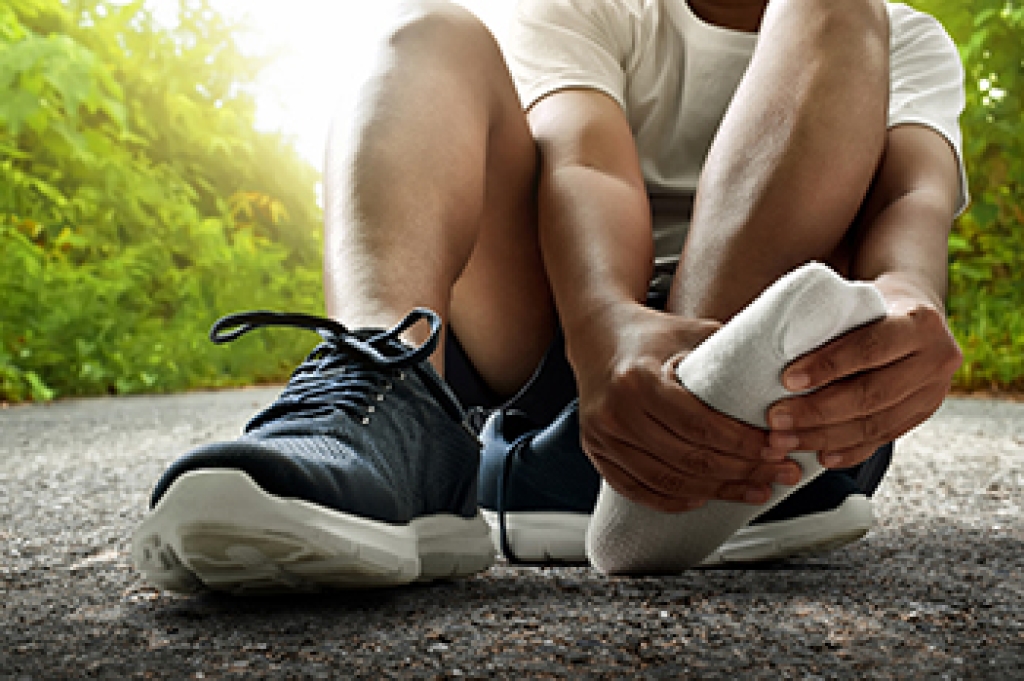
A walking abnormality is when the walking gait is abnormal in some way. Diseases, injuries, or genetic factors may contribute to an abnormal walking pattern. Altered walking can further cause harm to muscles, bones, and nerves in the lower extremities and rest of the body. Depending on the severity of the walking abnormality, and how long it endures, different treatments are suggested. Walking abnormally can present itself as walking with the head and neck thrust forward, and walking with the legs bent. Additionally, it may be evident as the knees and thighs cross over each other in a scissor-like fashion, or the feet may drag while walking. Even a limp is considered to be a walking abnormality. If you find that your gait is altered and you do not know why, it is suggested that you visit a podiatrist for an examination and diagnosis so you can be on the road to recovery.

If you have any concerns about your feet, contact Howard Kimmel, DPM from Buckeye Foot Care. Our doctor can provide the care you need to keep you pain-free and on your feet.

Biomechanics in Podiatry

Podiatric biomechanics is a particular sector of specialty podiatry with licensed practitioners who are trained to diagnose and treat conditions affecting the foot, ankle and lower leg. Biomechanics deals with the forces that act against the body, causing an interference with the biological structures. It focuses on the movement of the ankle, the foot and the forces that interact with them.

A History of Biomechanics

  • Biomechanics dates back to the BC era in Egypt where evidence of professional foot care has been recorded.
  • In 1974, biomechanics gained a higher profile from the studies of Merton Root, who claimed that by changing or controlling the forces between the ankle and the foot, corrections or conditions could be implemented to gain strength and coordination in the area.

Modern technological improvements are based on past theories and therapeutic processes that provide a better understanding of podiatric concepts for biomechanics. Computers can provide accurate information about the forces and patterns of the feet and lower legs.

Understanding biomechanics of the feet can help improve and eliminate pain, stopping further stress to the foot.

If you have any questions please feel free to contact one of our offices located in Brook Park and Willoughby Hills, OH . We offer the newest diagnostic and treatment technologies for all your foot and ankle needs.
Read more about The Importance of Biomechanics in Podiatry

Excessive Friction May Lead to Corns

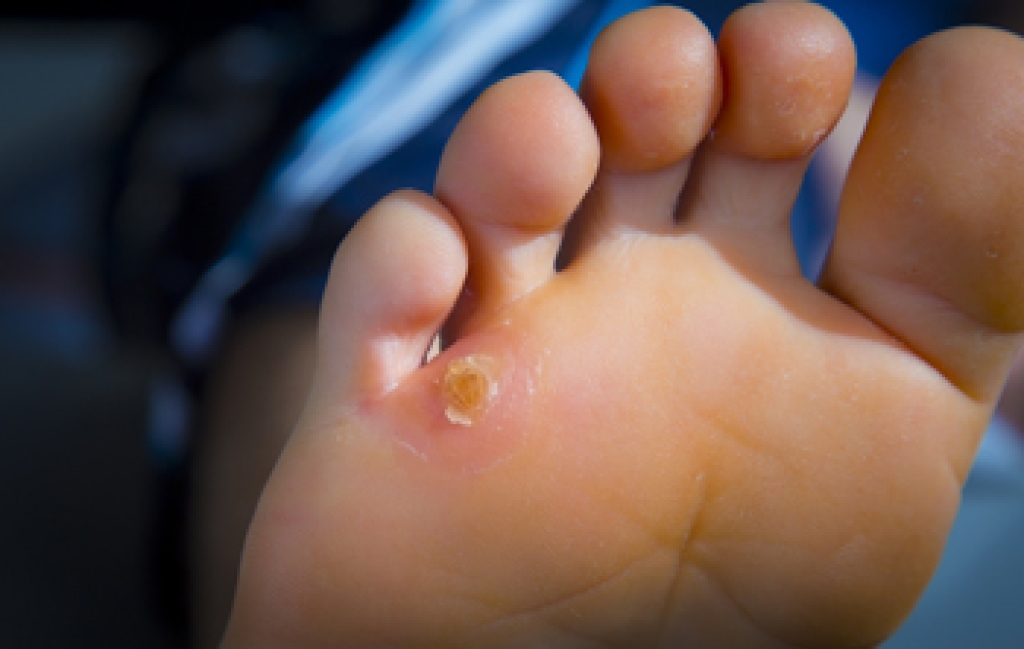
Corns on the feet happen from excess friction between the skin and the shoe. The pinky toe is a common place to get them, and despite their small size, they can cause extreme pain. The medical term for a corn is known as a clavus, and the corn may diminish as the friction stops. The gait may be altered to alleviate the pain and can easily be remedied when the correct size shoes are worn. They may also develop on the soles of the feet, and mild relief may be found when the foot is soaked in warm water. People who have a foot deformity, such as bunions or hammertoe, may be prone to developing corns. This is often a result of the extended part of the toe touching the top or inside of the shoe. If you have a corn on your foot, it is suggested that you consult with a podiatrist who can educate you on effective prevention methods.

Corns can make walking very painful and should be treated immediately. If you have questions regarding your feet and ankles, contact Howard Kimmel, DPM of Buckeye Foot Care. Our doctor will treat your foot and ankle needs.

Corns: What Are They? And How Do You Get Rid of Them?
Corns are thickened areas on the skin that can become painful. They are caused by excessive pressure and friction on the skin. Corns press into the deeper layers of the skin and are usually round in shape.

Ways to Prevent Corns
There are many ways to get rid of painful corns such as:

  • Wearing properly fitting shoes that have been measured by a professional
  • Wearing shoes that are not sharply pointed or have high heels
  • Wearing only shoes that offer support

Treating Corns

Although most corns slowly disappear when the friction or pressure stops, this isn’t always the case. Consult with your podiatrist to determine the best treatment option for your case of corns.

If you have any questions, please feel free to contact one of our offices located in Brook Park and Willoughby Hills, OH . We offer the newest diagnostic and treatment technologies for all your foot care needs.

Read more about Corns and Calluses

Where Is the Achilles Tendon?

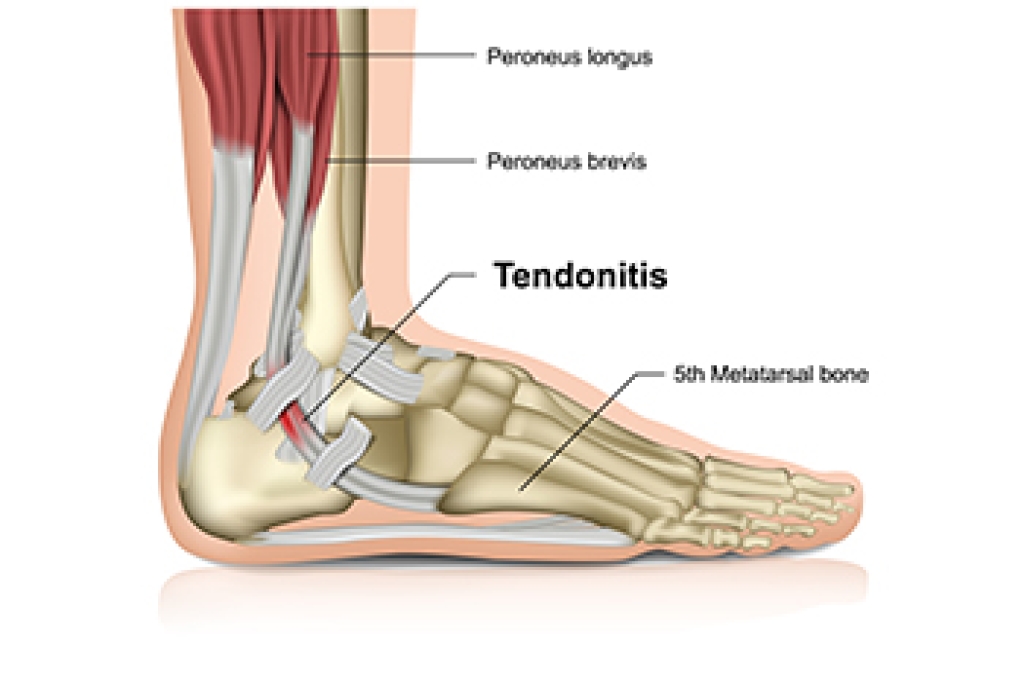
The Achilles tendon is located in the back of the lower leg, and it connects the calf muscles to the heel. It is responsible for pointing and flexing the foot, which is done during routine activity. Having an Achilles tendon injury may cause difficulty in completing daily tasks. An injury can cause this tendon to partially or completely tear and often causes severe pain and discomfort. It can happen for various reasons, including increasing speed and distance too quickly while running and not stretching properly before running or jogging. The Achilles tendon may gradually weaken when shoes that are worn do not fit correctly or if some weight has been gained. Recovery can take several months for complete healing, and wearing supportive shoes may help to accelerate this. If you have endured an Achilles tendon injury, it is strongly suggested that you speak with a podiatrist who can help you with the correct treatment techniques.

Achilles tendon injuries need immediate attention to avoid future complications. If you have any concerns, contact Howard Kimmel, DPM of Buckeye Foot Care. Our doctor can provide the care you need to keep you pain-free and on your feet.

What Is the Achilles Tendon?

The Achilles tendon is a tendon that connects the lower leg muscles and calf to the heel of the foot. It is the strongest tendon in the human body and is essential for making movement possible. Because this tendon is such an integral part of the body, any injuries to it can create immense difficulties and should immediately be presented to a doctor.

What Are the Symptoms of an Achilles Tendon Injury?

There are various types of injuries that can affect the Achilles tendon. The two most common injuries are Achilles tendinitis and ruptures of the tendon.

Achilles Tendinitis Symptoms

  • Inflammation
  • Dull to severe pain
  • Increased blood flow to the tendon
  • Thickening of the tendon

Rupture Symptoms

  • Extreme pain and swelling in the foot
  • Total immobility

Treatment and Prevention

Achilles tendon injuries are diagnosed by a thorough physical evaluation, which can include an MRI. Treatment involves rest, physical therapy, and in some cases, surgery. However, various preventative measures can be taken to avoid these injuries, such as:

  • Thorough stretching of the tendon before and after exercise
  • Strengthening exercises like calf raises, squats, leg curls, leg extensions, leg raises, lunges, and leg presses

If you have any questions please feel free to contact one of our offices located in Brook Park and Willoughby Hills, OH . We offer the newest diagnostic tools and technology to treat your foot and ankle needs.

Read more about Achilles Tendon Injuries

Keeping Feet Healthy for Long Runs

When runners go from 5K runs to longer distances, their feet often start to hurt more. This may be the result of wearing running shoes that are too small, do not fit properly, or don’t provide the proper cushioning or arch support. Here are a few tips from experts that can help to keep your feet healthier as your running goals change. It starts with the shoes. It may be wise to measure your feet again to get the correct shoe size before purchase. Your feet are likely to expand more during longer runs, so make sure to account for that. It is also important to pay attention to the insoles, which add arch support and help absorb shock with each step. If you have specific foot problems, custom orthotic insoles from a podiatrist may be needed. Increase the amount of exercises you do to strengthen the feet so they will be able to handle increased mileage. Finally, post-run foot care is essential. This may include icing the feet, keeping them elevated, and stretching them. For more information on how to keep your feet healthy while running, it is suggested that you make an appointment with a podiatrist.

All runners should take extra precaution when trying to avoid injury. If you have any concerns about your feet, contact Howard Kimmel, DPM of Buckeye Foot Care. Our doctor will treat your foot and ankle needs.

How to Prevent Running Injuries

There are a lot of mistakes a runner can make prior to a workout that can induce injury. A lot of athletes tend to overstretch before running, instead of saving those workouts for a post-run routine. Deep lunges and hand-to-toe hamstring pulls should be performed after a workout instead of during a warmup. Another common mistake is jumping into an intense routine before your body is physically prepared for it. You should try to ease your way into long-distance running instead of forcing yourself to rush into it.

More Tips for Preventing Injury

  • Incorporate Strength Training into Workouts - This will help improve the body’s overall athleticism
  • Improve and Maintain Your Flexibility – Stretching everyday will help improve overall performance
  • “Warm Up” Before Running and “Cool Down” Afterward – A warm up of 5-10 minutes helps get rid of lactic acid in the muscles and prevents delayed muscle soreness
  • Cross-Training is Crucial
  • Wear Proper Running Shoes
  • Have a Formal Gait Analysis – Poor biomechanics can easily cause injury

If you have any questions, please feel free to contact one of our offices located in Brook Park and Willoughby Hills, OH . We offer the newest diagnostic and treatment technologies for all your foot care needs.

Read more about How to Prevent Running Injuries

It's Time for Beautiful Feet

You don't need an excuse to have beautiful nails. Step outside without worrying about the appearance of your feet.

Connect With Us

scroll to top