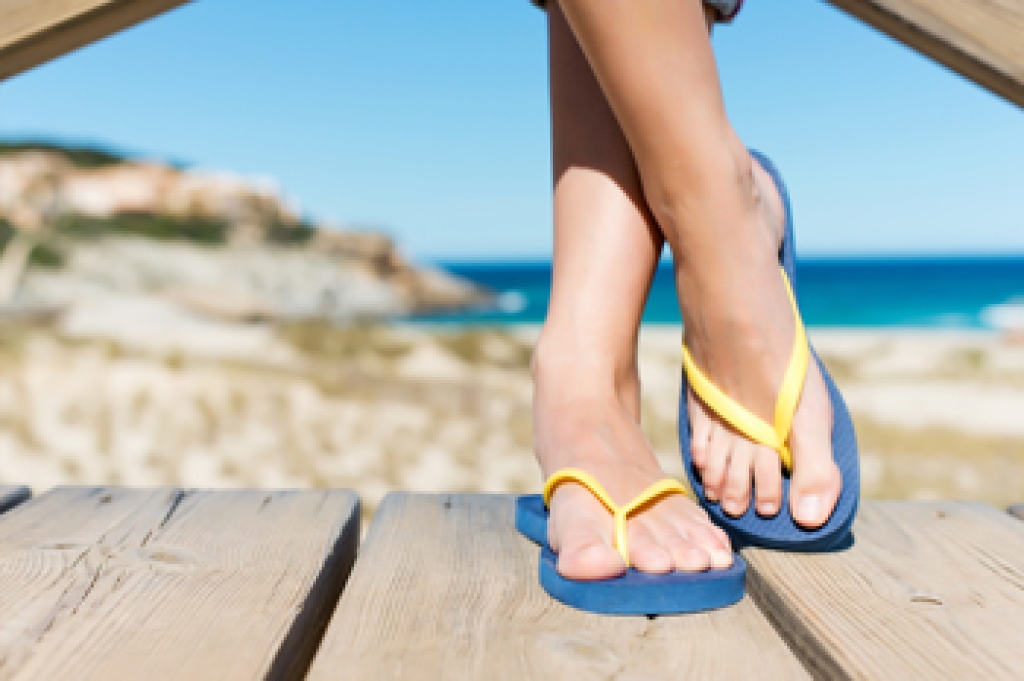
Flip-flops are a popular choice during warm weather, but wearing them for long periods may affect foot comfort and movement. Unlike supportive shoes, many flip-flops have thin, flexible soles with little cushioning or arch support. They also lack straps around the heel to hold the foot securely in place. As a result, people may change the way they walk to keep the footwear from slipping off. The toes grip the sole with each step, while the stride can become shorter. These changes may place additional stress on the muscles and other structures of the feet, especially when flip-flops are worn for extended periods.
The effects of flip-flops can depend on the design of the footwear and how they are used. Thin soles may provide limited protection from hard or uneven surfaces. Lack of support may also be uncomfortable for people who already have certain foot problems. However, not every pair of flip-flops affects the feet in the same way. Some designs have thicker soles and greater arch support, which may provide more stability than basic styles. Flip-flops can be practical for short periods, but they are generally not designed for long walks or activities that require greater foot support. Persistent foot pain after wearing them may indicate an underlying problem that needs evaluation.
A podiatrist can examine the feet and determine whether footwear may be contributing to the problem. An evaluation can include assessing the arches, walking pattern, and areas of discomfort. A podiatrist can also identify foot conditions that may require more supportive footwear and provide professional guidance based on the individual’s foot structure. Choosing footwear that fits properly and supports normal movement is an important part of maintaining foot health. If wearing flip-flops is contributing to ongoing foot pain or making walking uncomfortable, it is suggested that you consult a podiatrist for an evaluation and appropriate treatment options.
Flip-flops can cause a lot of problems for your feet. If you have any concerns about your feet or ankles, contact Howard Kimmel, DPM from Buckeye Foot Care. Our doctor will assist you with all of your foot and ankle needs.
Flip-Flops and Feet
Flip-flops have managed to become a summer essential for a lot of people. While the shoes may be stylish and easy to slip on and off, they can be dangerous to those who wear them too often. These shoes might protect you from fungal infections such as athlete’s foot, but they can also give you foot pain and sprained ankles if you trip while wearing them.
When Are They Okay to Wear?
Flip-flops should only be worn for very short periods of time. They can help protect your feet in places that are crawling with fungi, such as gym locker rooms. Athlete’s foot and plantar warts are two common fungi that flip-flops may help protect your feet against.
Why Are They Bad for My Feet?
These shoes do not offer any arch support, so they are not ideal for everyday use. They also do not provide shock absorption or heel cushioning which can be problematic for your feet. Additionally, you may suffer from glass cuts, puncture wounds, and stubbed toes since they offer little protection for your feet.
More Reasons Why They Are Bad for Your Feet
- They Slow You Down
- May Cause Blisters and Calluses
- Expose Your Feet to Bacteria
If you have any questions, please feel free to contact one of our offices located in Brook Park and Willoughby Hills, OH . We offer the newest diagnostic and treatment technologies for all your foot care needs.