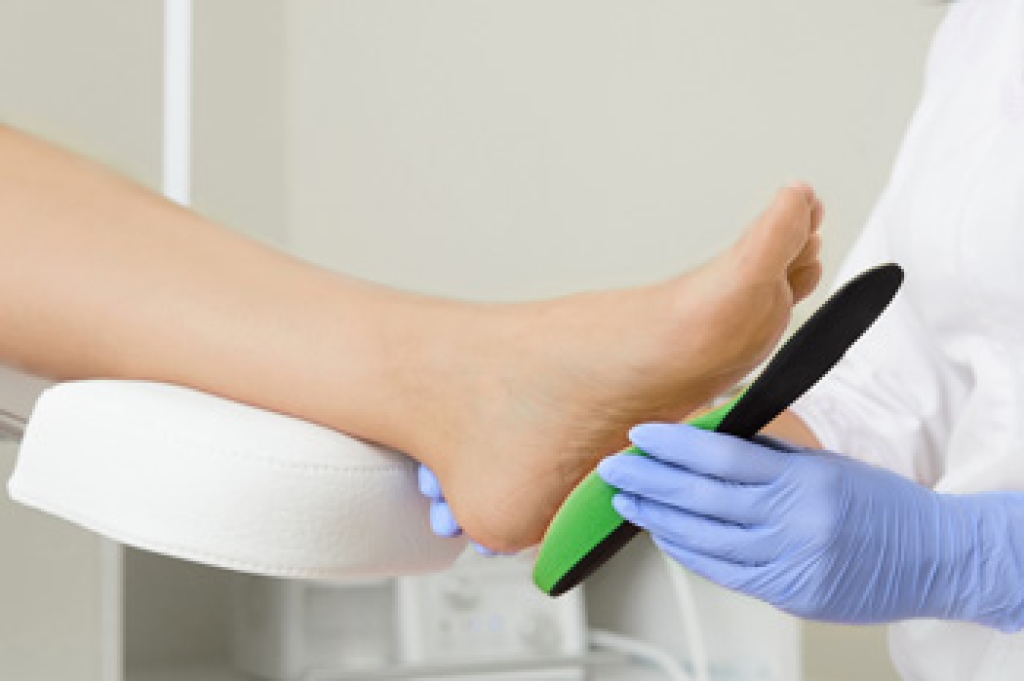
Do You Need Orthotics?

Shoe inserts that are designed to help relieve pain for a variety of foot conditions (including corns and calluses, tendonitis, bunions, heel pain, and recurring stress fractures) are known as orthotics. Orthotics can be made from various materials, such as rubber, plastic, leather, and in some cases, even metal. Podiatrists often make custom orthotics to treat specific issues. Podiatrists customize orthotics by accounting for the biomechanics of the foot as well as the function and structure of the foot. Patients who are struggling with pain in their feet may wish to consult a podiatrist who can prescribe custom orthotics that are specific to your foot.

If you are having discomfort in your feet and would like to try orthotics, contact Howard Kimmel, DPM from Buckeye Foot Care. Our doctor can provide the care you need to keep you pain-free and on your feet.

What Are Orthotics?

Orthotics are inserts you can place into your shoes to help with a variety of foot problems such as flat feet or foot pain. Orthotics provide relief and comfort for minor foot and heel pain but can’t correct serious biomechanical problems in your feet.

Over-the-Counter Inserts

Orthotics come in a wide variety of over-the-counter inserts that are used to treat foot pain, heel pain, and minor problems. For example, arch supports can be inserted into your shoes to help correct overarched or flat feet, while gel insoles are often used because they provide comfort and relief from foot and heel pain by alleviating pressure.

Prescription Orthotics

If over-the-counter inserts don’t work for you or if you have a more severe foot concern, it is possible to have your podiatrist prescribe custom orthotics. These high-quality inserts are designed to treat problems such as abnormal motion, plantar fasciitis, and severe forms of heel pain. They can even be used to help patients suffering from diabetes by treating foot ulcers and painful calluses and are usually molded to your feet individually, which allows them to provide full support and comfort.

If you are experiencing minor to severe foot or heel pain, it’s recommended to speak with your podiatrist about the possibilities of using orthotics. A podiatrist can determine which type of orthotic is right for you and allow you to take the first steps towards being pain-free.

If you have any questions, please feel free to contact one of our offices located in Brook Park and Willoughby Hills, OH . We offer the newest diagnostic and treatment technologies for all your foot care needs.
Read more about Ankle Foot Orthotics for Athletes

Am I at Risk of Developing Fungal Toenails?

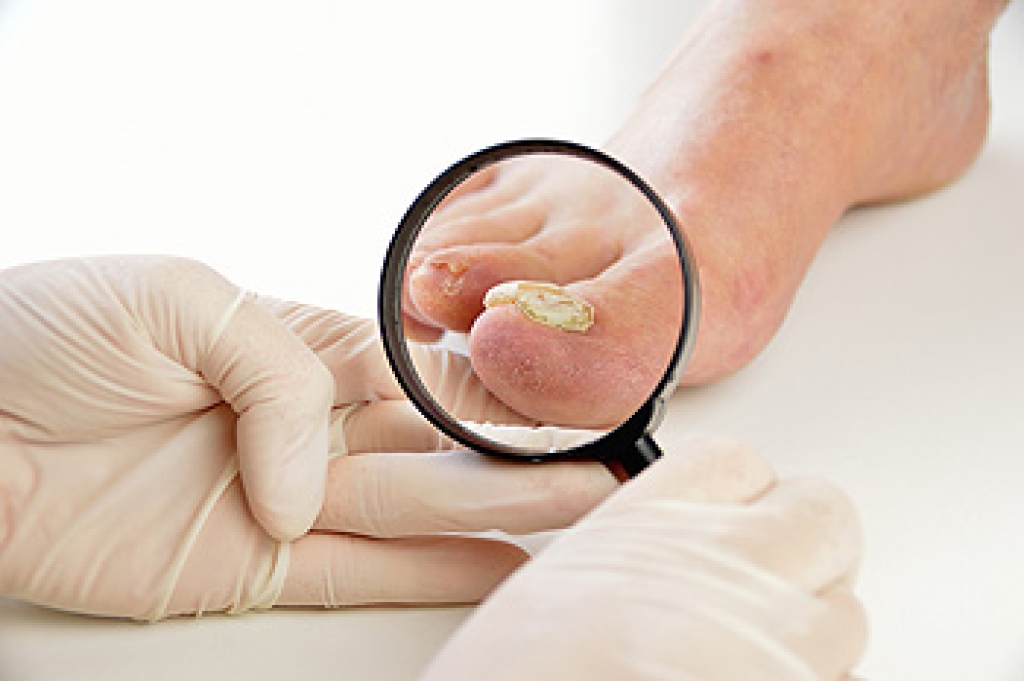
Fungi that reside on the body can become overgrown over time in, or on, the toenail. This can result in an infection known as onychomycosis. You can also pick up the infection through contact with someone who has it. Further, this fungal infection can be transmitted through contact with toenail clippers, nail files or pedicure instruments at a salon where fungi are present. Older adults — whose drier nails make it easier for fungi to enter the nail — are more prone to developing fungal infections, as well as those who wear fake nails, use public swimming/showering areas, have diabetes, poor circulation, a nail injury, or a weakened immune system. People whose feet are confined to warm, moist environments where fungi thrive (i.e., dark boots or sneakers) are also more at risk of developing fungal nails. Fungal nail symptoms include brittle, thickened, discolored or distorted nails, which can sometimes be accompanied by odor or pain. While some people try to treat fungal toenail infections at home, the fungi are very stubborn and resilient. Professional treatment from a podiatrist is often necessary to quickly and completely eradicate the infection, and prevent it from recurring.

If left untreated, toenail fungus may spread to other toenails, skin, or even fingernails. If you suspect you have toenail fungus it is important to seek treatment right away. For more information about treatment, contact Howard Kimmel, DPM of Buckeye Foot Care. Our doctor can provide the care you need to keep you pain-free and on your feet.

Symptoms

  • Warped or oddly shaped nails
  • Yellowish nails
  • Loose/separated nail
  • Buildup of bits and pieces of nail fragments under the nail
  • Brittle, broken, thickened nail

Treatment

If self-care strategies and over-the-counter medications does not help your fungus, your podiatrist may give you a prescription drug instead. Even if you find relief from your toenail fungus symptoms, you may experience a repeat infection in the future.

Prevention

In order to prevent getting toenail fungus in the future, you should always make sure to wash your feet with soap and water. After washing, it is important to dry your feet thoroughly especially in between the toes. When trimming your toenails, be sure to trim straight across instead of in a rounded shape. It is crucial not to cover up discolored nails with nail polish because that will prevent your nail from being able to “breathe”.

In some cases, surgical procedure may be needed to remove the toenail fungus. Consult with your podiatrist about the best treatment options for your case of toenail fungus.  

If you have any questions please contact one of our offices located in Brook Park and Willoughby Hills, OH . We offer the newest diagnostic and treatment technologies for all your foot and ankle needs.

Read more about Toenail Fungus

How Bunions Form

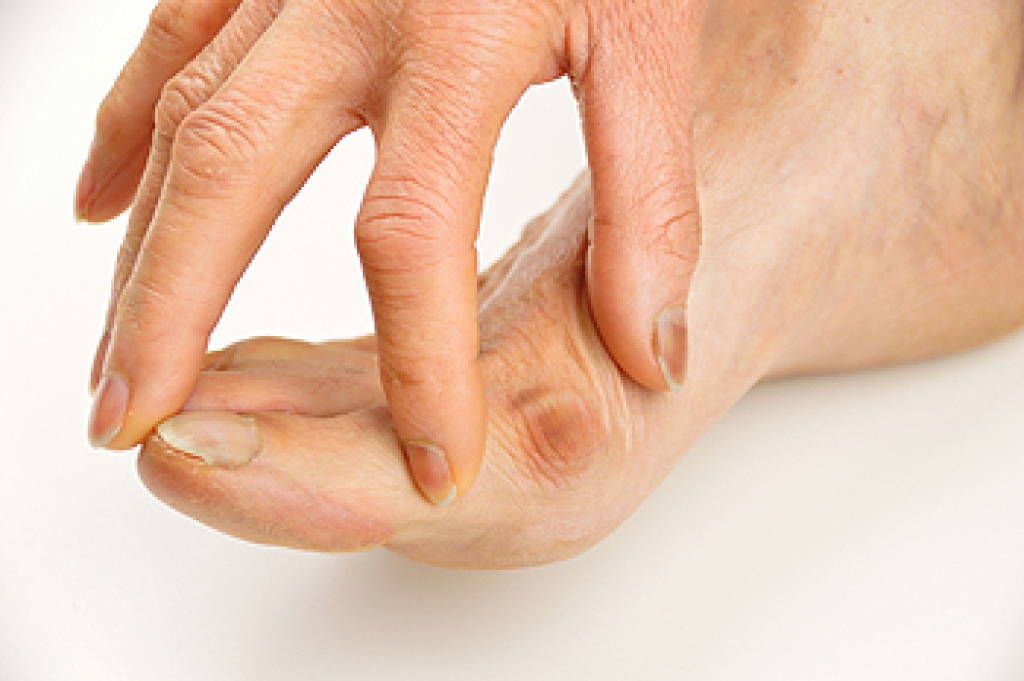
Bunions are a common foot deformity known as a small, bony lump on the side of the big toe. This bony protrusion usually forms due to the big toe bending towards the smaller toes when it should be straight, thus pushing the bones out of alignment. Bunions gradually form over time and typically get worse without treatment. The angle of the bunion gets sharper, and the bump can grow larger. In severe cases, surgery may be necessary. Bunions may be the result of an inherited mechanical structure, or they may form from wearing shoes that are too tight. Common symptoms of a bunion include pain in the affected area, inflammation, a burning sensation, and possible numbness. It is suggested that larger shoes, or shoes with a wide toe box be worn when you are afflicted with a bunion. Patients who are struggling with this ailment should consult with a podiatrist as soon as possible to determine the best course of treatment.

If you are suffering from bunions, contact Howard Kimmel, DPM of Buckeye Foot Care. Our doctor can provide the care you need to keep you pain-free and on your feet.

What Is a Bunion?

A bunion is formed of swollen tissue or an enlargement of boney growth, usually located at the base joint of the toe that connects to the foot. The swelling occurs due to the bones in the big toe shifting inward, which impacts the other toes of the foot. This causes the area around the base of the big toe to become inflamed and painful.

Why Do Bunions Form?

Genetics – Susceptibility to bunions are often hereditary

Stress on the feet – Poorly fitted and uncomfortable footwear that places stress on feet, such as heels, can worsen existing bunions

How Are Bunions Diagnosed?

Podiatrists often perform two tests – blood tests and x-rays – when trying to diagnose bunions, especially in the early stages of development. Blood tests help determine if the foot pain is being caused by something else, such as arthritis, while x-rays provide a clear picture of your bone structure to your provider.

How Are Bunions Treated?

  • Refrain from wearing heels or similar shoes that cause discomfort
  • Select wider shoes that can provide more comfort and reduce pain
  • Anti-inflammatory and pain management drugs
  • Orthotics or foot inserts
  • Surgery

If you have any questions, please feel free to contact one of our offices located in Brook Park and Willoughby Hills, OH . We offer the newest diagnostic and treatment technologies for all your foot care needs.

Read more about What Are Bunions?

How Do I Know if My Sneakers Fit Properly?

When it comes to finding the right shoes, it can sometimes be difficult to tell if the shoes fit you properly. Many people believe that shoes need to be “broken in” the first few times that they are worn to be comfortable, but this is not the case. Shoes that are the right size should fit comfortably from the moment you put them on. When it comes to sneakers or running shoes, other fit details to watch for include your heel being locked in place and not slipping or sliding as you walk or run and a snug but not tight fit in the midfoot. The toe box of the shoes should also have about a thumb’s width of space between your longest toe and the front of the shoe. For more information about the importance of properly fitted shoes, please consult with a podiatrist.

Getting the right shoe size is an important part of proper foot health. Seek the assistance of Howard Kimmel, DPM from Buckeye Foot Care. Our doctor will provide the care you need to keep you pain-free and on your feet.

Getting the Right Shoe Size

There are many people who wear shoes that are the incorrect size, negatively affecting their feet and posture. Selecting the right shoes is not a difficult process, so long as you keep several things in mind when it comes to choosing the right pair.

  • When visiting the shoe store, use the tools available to measure your foot.
  • Be sure there is ‘wiggle room’. There should be about an inch between your toes and the tip of your shoes.
  • Do not always assume you are the same size, as manufacturers run differently.
  • Purchase shoes later in the day, as your feet swell as the day progresses.
  • If a shoe is not comfortable, it is not suitable. Most shoes can’t be ‘broken in’, and comfort should be the ultimate goal when it comes to choosing the right pair of shoes

As our feet hold our body weight and keep us moving, it is important to treat them right. Picking the right pair of shoes can provide your feet comfort and mobility without pain.

If you have any questions, please feel free to contact one of our offices located in Brook Park and Willoughby Hills, OH . We offer the newest diagnostic and treatment technologies for all your foot care needs.

Read more about Getting the Right Shoe Size: To Keep Your Feet Happy

Connect With Us

scroll to top