Unusual Causes of Swollen Ankles

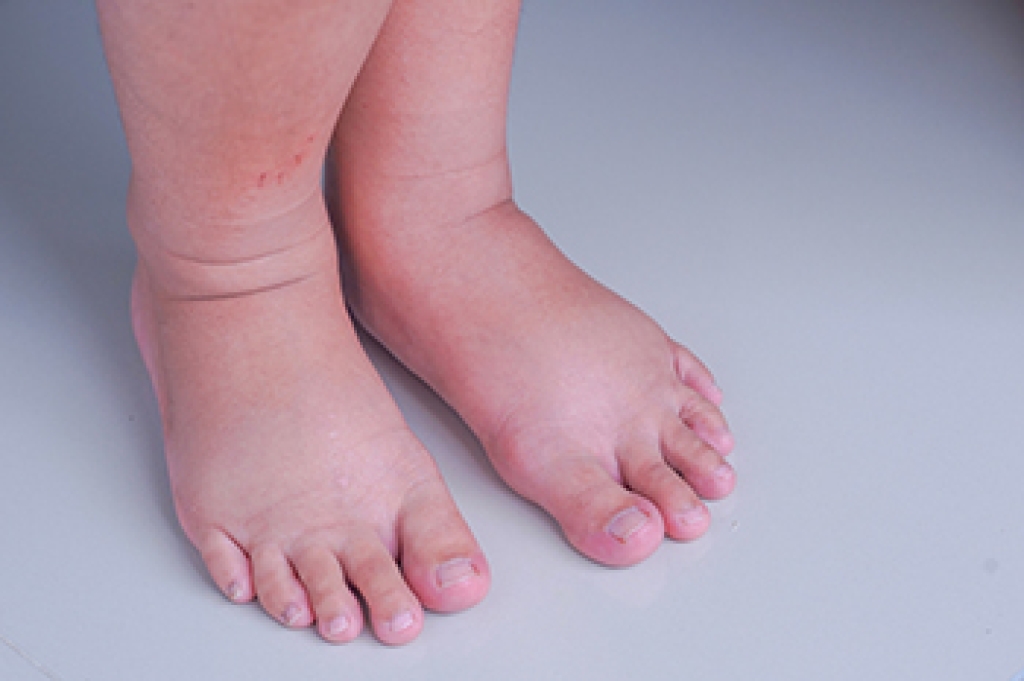
Peripheral edema is the accumulation of fluids that cause swelling in the lower limbs, such as the ankles. Edema is typically not painful unless it is related to an injury. Swollen ankles are more common in the aged. Health conditions that cause such swelling include pregnancy, heart disease, obesity, and arthritis. Certain medications can also cause or aggravate peripheral edema. Otherwise, swollen ankles usually come from wearing ill-fitting shoes, or sitting, standing, or walking too long. More unusual causes of swollen ankles are wearing tight pants or clothes with elastic ankle seams that can restrict blood flow to the ankles and feet, excessive intake of sodium causing the body to retain water, insect bites, bacterial infections, interference of proper blood flow (from things like blood clots or varicose veins). Other possible causes are lymphedema or malfunction of lymph nodes that prevents flushing of viruses, bacteria, and toxins in the body, kidney, heart, or liver disease, and prolonged inactivity. If swollen ankles are a problem for you, cause you pain, or if the onset of swollen ankles is sudden, it is suggest you see a podiatrist immediately. 

Ankle pain can have many different causes and the pain may potentially be serious. If you have ankle pain, consult with Howard Kimmel, DPM from Buckeye Foot Care. Our doctor will assess your condition and provide you with quality foot and ankle treatment.

Ankle pain is any condition that causes pain in the ankle. Due to the fact that the ankle consists of tendons, muscles, bones, and ligaments, ankle pain can come from a number of different conditions.

Causes

The most common causes of ankle pain include:

  • Types of arthritis (rheumatoid, osteoarthritis, and gout)
  • Ankle sprains
  • Broken ankles
  • Achilles tendinitis
  • Achilles tendon rupture
  • Stress fractures
  • Tarsal tunnel syndrome
  • Plantar fasciitis

Symptoms

Symptoms of ankle injury vary based upon the condition. Pain may include general pain and discomfort, swelling, aching, redness, bruising, burning or stabbing sensations, and/or loss of sensation.

Diagnosis

Due to the wide variety of potential causes of ankle pain, podiatrists will utilize a number of different methods to properly diagnose ankle pain. This can include asking for personal and family medical histories and of any recent injuries. Further diagnosis may include sensation tests, a physical examination, and potentially x-rays or other imaging tests.

Treatment

Just as the range of causes varies widely, so do treatments. Some more common treatments are rest, ice packs, keeping pressure off the foot, orthotics and braces, medication for inflammation and pain, and surgery.

If you have any questions please feel free to contact one of our offices located in Brook Park and Willoughby Hills, OH . We offer the newest diagnostic tools and technology to treat your foot and ankle needs.
Read more about Ankle Pain

Simple Methods for Proper Diabetic Foot Care

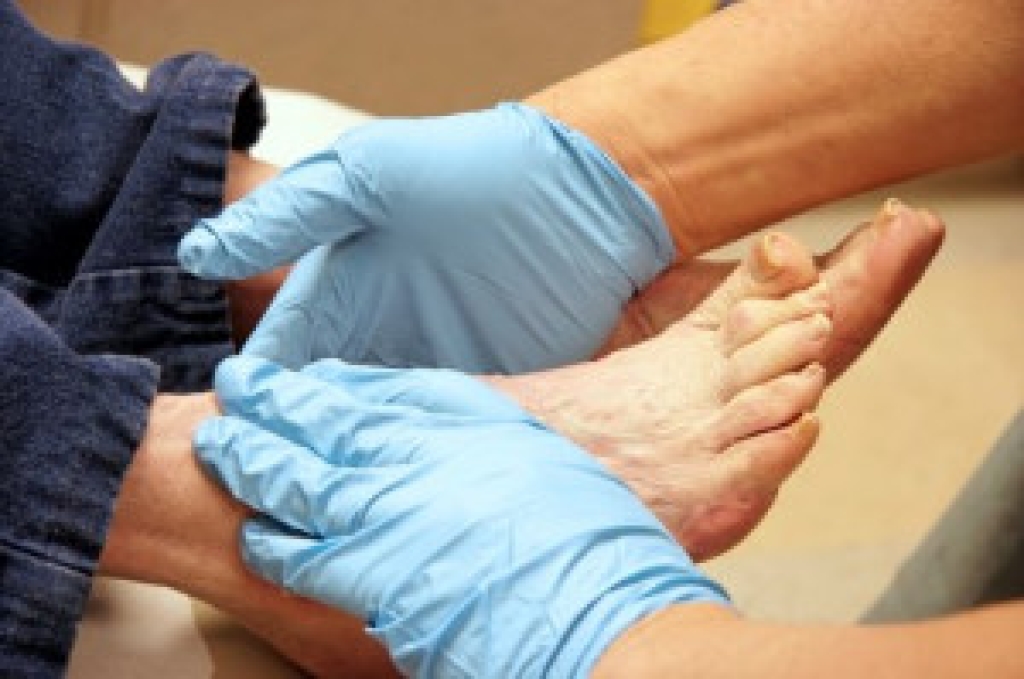
Foot problems can easily develop in diabetic patients. A diabetic person may experience neuropathy, which is the inability to feel cuts or scrapes on the foot because of nerve damage. Elevated blood sugar levels also can cause the feet to become numb. Existing cuts can become infected, which may lead to developing a foot ulcer. If immediate treatment is not received, gangrene can develop and, in severe cases, amputation may become necessary. It is beneficial for diabetic patients to take proper care of their feet. This often starts with checking the feet daily for cuts and bruises, and many people use a mirror to do this. The toenails need to be trimmed properly, and this is often done by visiting a podiatrist. Glucose levels may be improved by quitting smoking, and eating a healthy, balanced diet daily. Additionally, the feet will feel more comfortable when the shoes that are worn fit properly, and this may prevent unnecessary foot conditions from developing. It is strongly advised for diabetic patients to be under the care of a podiatrist who can properly treat and manage this condition.

Diabetic foot care is important in preventing foot ailments such as ulcers. If you are suffering from diabetes or have any other concerns about your feet, contact Howard Kimmel, DPM from Buckeye Foot Care. Our doctor can provide the care you need to keep you pain-free and on your feet.

Diabetic Foot Care

Diabetes affects millions of people every year. The condition can damage blood vessels in many parts of the body, especially the feet. Because of this, taking care of your feet is essential if you have diabetes, and having a podiatrist help monitor your foot health is highly recommended.

The Importance of Caring for Your Feet

  • Routinely inspect your feet for bruises or sores.
  • Wear socks that fit your feet comfortably.
  • Wear comfortable shoes that provide adequate support.

Patients with diabetes should have their doctor monitor their blood levels, as blood sugar levels play such a huge role in diabetic care. Monitoring these levels on a regular basis is highly advised.

It is always best to inform your healthcare professional of any concerns you may have regarding your feet, especially for diabetic patients. Early treatment and routine foot examinations are keys to maintaining proper health, especially because severe complications can arise if proper treatment is not applied.

If you have any questions, please feel free to contact one of our offices located in Brook Park and Willoughby Hills, OH . We offer the newest diagnostic and treatment technologies for all your foot care needs.

Read more about Diabetic Foot Conditions

What Are Orthotics?

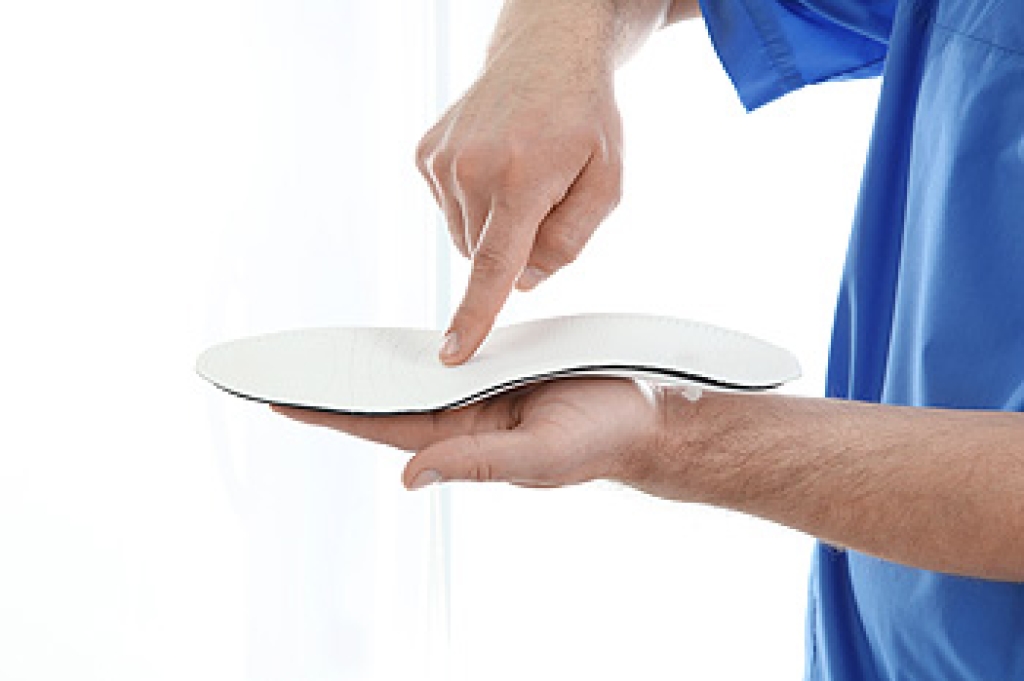
When visiting a podiatrist, you will be able to consult with medical professionals who can help you create treatment plans for foot afflictions you might have. Depending on your affliction, a podiatrist may recommend the use of orthotics for your feet. Orthotics are specially designed full shoe inserts, heel inserts, and other devices that are meant to provide support or correction to your feet. Unlike inserts that you may be able to purchase at the pharmacy, orthotics are personalized and built to fit your specific foot. Orthotics may be used to rectify deformities in the structure of the foot, support the ankle, or improve foot functioning. These devices have been used to help patients suffering from conditions including arthritis, heel spurs, high arches, plantar fasciitis, bunions, and back pain. Orthotics can be built with rigid materials and significantly flexible substances. While many patients have benefitted from the use of orthotics, success is largely dependent on several factors such as the kind of shoe to which the orthotics are applied as well as the amount of time that the patient actually wears the devices. Each patient is understandably different, and so you might consider consulting with a podiatrist to determine whether or not orthotics could help you address your foot conditions.

If you are having discomfort in your feet and would like to try orthotics, contact Howard Kimmel, DPM from Buckeye Foot Care. Our doctor can provide the care you need to keep you pain-free and on your feet.

What Are Orthotics?

Orthotics are inserts you can place into your shoes to help with a variety of foot problems such as flat feet or foot pain. Orthotics provide relief and comfort for minor foot and heel pain but can’t correct serious biomechanical problems in your feet.

Over-the-Counter Inserts

Orthotics come in a wide variety of over-the-counter inserts that are used to treat foot pain, heel pain, and minor problems. For example, arch supports can be inserted into your shoes to help correct overarched or flat feet, while gel insoles are often used because they provide comfort and relief from foot and heel pain by alleviating pressure.

Prescription Orthotics

If over-the-counter inserts don’t work for you or if you have a more severe foot concern, it is possible to have your podiatrist prescribe custom orthotics. These high-quality inserts are designed to treat problems such as abnormal motion, plantar fasciitis, and severe forms of heel pain. They can even be used to help patients suffering from diabetes by treating foot ulcers and painful calluses and are usually molded to your feet individually, which allows them to provide full support and comfort.

If you are experiencing minor to severe foot or heel pain, it’s recommended to speak with your podiatrist about the possibilities of using orthotics. A podiatrist can determine which type of orthotic is right for you and allow you to take the first steps towards being pain-free.

If you have any questions, please feel free to contact one of our offices located in Brook Park and Willoughby Hills, OH . We offer the newest diagnostic and treatment technologies for all your foot care needs.

Read more about Foot Orthotics

Do Your Child's Feet Hurt?

Have your child's feet been examined lately? Healthy feet are happy feet. If your child is complaining of foot pain, it may be a sign of underlying problems.

Dealing With Overpronation

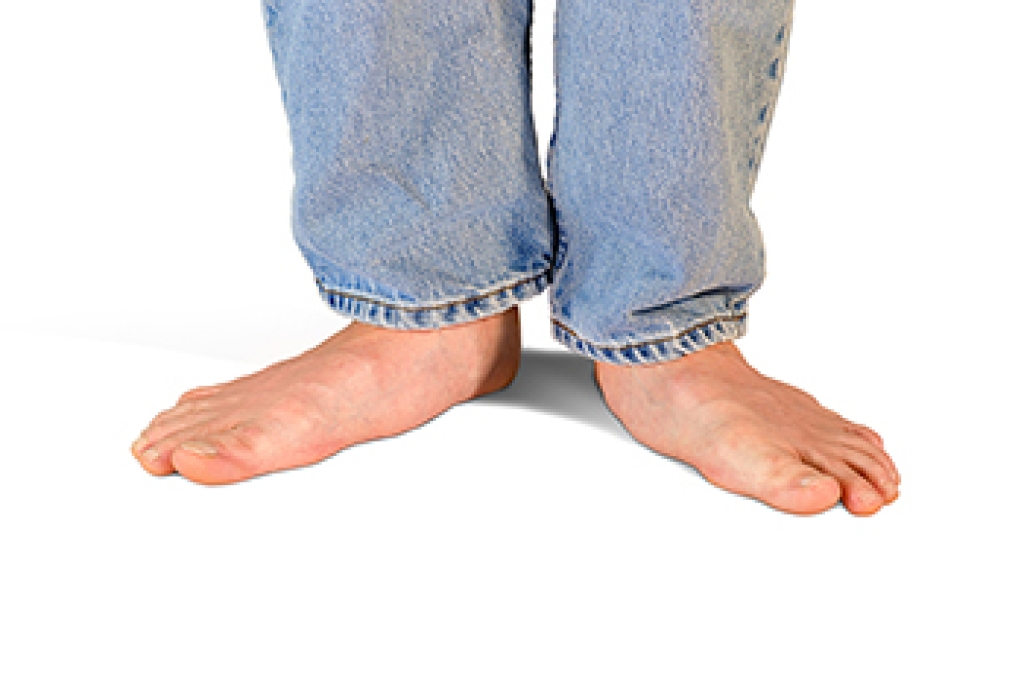
When you walk, your feet sometimes roll inward rather than staying straight ahead. This is a condition called overpronation. It is commonly attributed to flat feet or fallen arches, as the arch of the foot cannot support the weight of each step. Many things also can contribute to overpronation, including obesity, diabetes, poor posture, and footwear that doesn’t give enough arch support. Symptoms of overpronation are inflammation of the feet and ankles, frequent ankle sprains, and swelling that worsens with activity. Overpronation is also a risk factor for other conditions, like plantar fasciitis and metatarsalgia. It is a good idea to consult a podiatrist who can determine the cause and severity of your overpronation. They likely will examine the wear pattern on your shoes and study your gait. X-rays and other imaging tests may also be conducted. In some cases, the podiatrist may prescribe custom orthotics to relieve some of the underlying causes of overpronation and suggest exercises to help strengthen the arch.  

If you have any concerns about your feet, contact Howard Kimmel, DPM from Buckeye Foot Care. Our doctor can provide the care you need to keep you pain-free and on your feet.

Biomechanics in Podiatry

Podiatric biomechanics is a particular sector of specialty podiatry with licensed practitioners who are trained to diagnose and treat conditions affecting the foot, ankle and lower leg. Biomechanics deals with the forces that act against the body, causing an interference with the biological structures. It focuses on the movement of the ankle, the foot and the forces that interact with them.

A History of Biomechanics

  • Biomechanics dates back to the BC era in Egypt where evidence of professional foot care has been recorded.
  • In 1974, biomechanics gained a higher profile from the studies of Merton Root, who claimed that by changing or controlling the forces between the ankle and the foot, corrections or conditions could be implemented to gain strength and coordination in the area.

Modern technological improvements are based on past theories and therapeutic processes that provide a better understanding of podiatric concepts for biomechanics. Computers can provide accurate information about the forces and patterns of the feet and lower legs.

Understanding biomechanics of the feet can help improve and eliminate pain, stopping further stress to the foot.

If you have any questions please feel free to contact one of our offices located in Brook Park and Willoughby Hills, OH . We offer the newest diagnostic and treatment technologies for all your foot and ankle needs.

Read more about Biomechanics in Podiatry

Connect With Us

scroll to top