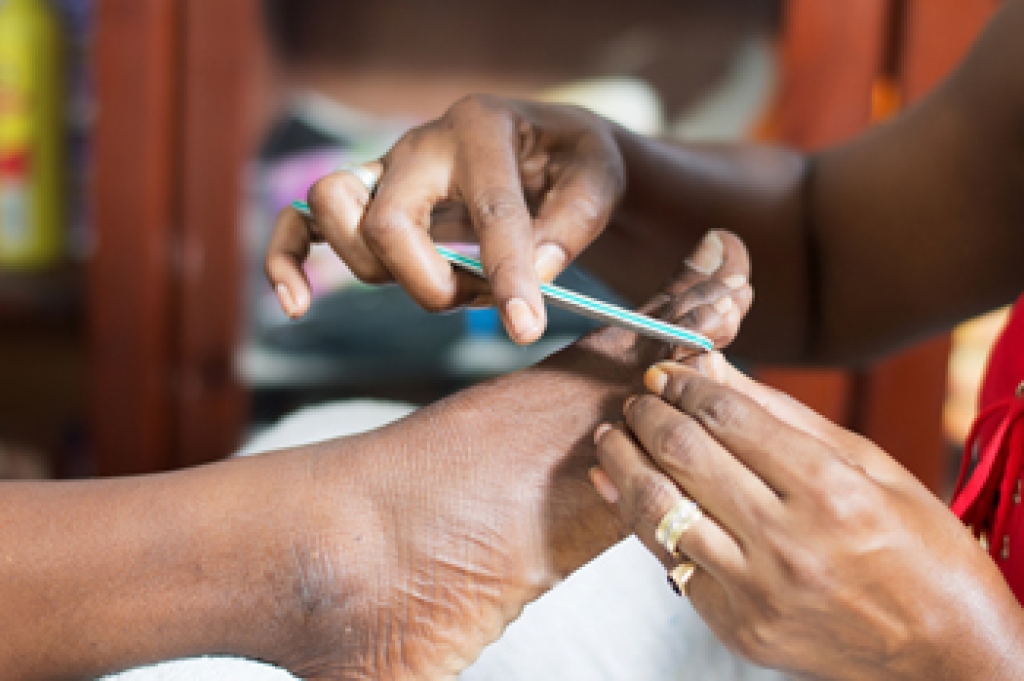
Simple Steps for Everyday Foot Care

Many people connect that the quality of their life is based on how good their feet feel. They are the foundation of the body, and completing daily activities may be difficult with aching feet. Additionally, poor foot health may limit exercise completely, or limit the amount of time spent practicing it. There are simple habits that can ensure healthy feet when everyday foot care techniques are enforced. These start with washing and drying the feet thoroughly, followed by applying a good moisturizer on them. It is beneficial to have the toenails properly trimmed, and this can be done by having regular pedicures done, or by cutting them at home using a stainless steel clipper. The feet will feel good when they are soaked in warm water at the end of the day, which may have a soothing effect on the overall body. Additionally, the type of shoes that are worn contributes significantly to how the feet feel. It is beneficial to wear shoes that are the correct size, have ample room for the toes to move freely in, and are comfortable. If you would like to have additional tips on following a daily foot care routine, please confer with a podiatrist. 

Everyday foot care is very important to prevent infection and other foot ailments. If you need your feet checked, contact Howard Kimmel, DPM from Buckeye Foot Care. Our doctor can provide the care you need to keep you pain-free and on your feet.

Everyday Foot Care

Often, people take care of their bodies, face and hair more so than they do for their feet. But the feet are a very important aspect of our bodies, and one that we should pay more attention to. Without our feet, we would not be able to perform most daily tasks.

It is best to check your feet regularly to make sure there are no new bruises or cuts that you may not have noticed before. For dry feet, moisturizer can easily be a remedy and can be applied as often as necessary to the affected areas. Wearing shoes that fit well can also help you maintain good foot health, as well as making it easier to walk and do daily activities without the stress or pain of ill-fitting shoes, high heels, or even flip flops. Wearing clean socks with closed shoes is important to ensure that sweat and bacteria do not accumulate within the shoe. Clean socks help to prevent Athlete’s foot, fungi problems, bad odors, and can absorb sweat.

If you have any questions, please feel free to contact one of our offices located in Brook Park and Willoughby Hills, OH . We offer the newest diagnostic and treatment technologies for all your foot care needs.
Read more about Everyday Foot Care

The Ankle, the Outside of the Foot, and Cuboid Syndrome

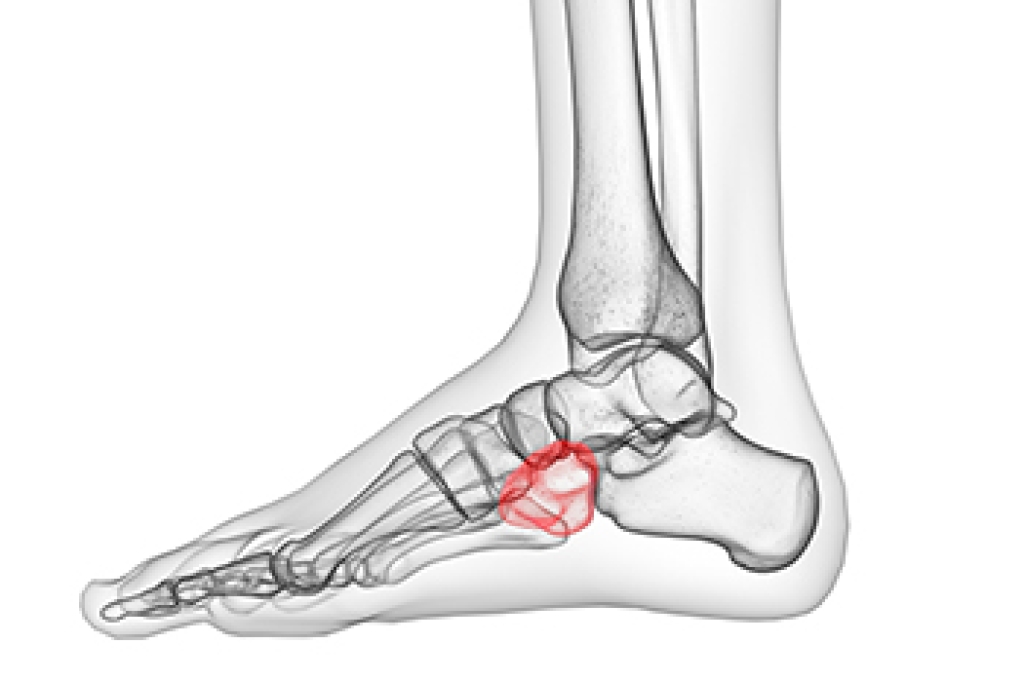
The cuboid bone is found below the ankle on the inside of the foot and can become forced out of alignment during an injury.  This is known as cuboid syndrome. Common symptoms can include swelling, pain, and inflammation in the ankle, and it can be difficult to walk. The pain from this condition is felt on the outside of the foot, and it may cause the toes to turn toward each other. The discomfort may gradually become worse when activities are pursued, and it can hurt to stand on tiptoes. Cuboid syndrome is diagnosed by having an X-ray taken, in addition to performing a physical examination. Research has indicated that it is beneficial to wear shoes that have adequate support, and enough room for the toes to move freely in. If you have pain in this part of your ankle and foot, it is strongly urged that you contact a podiatrist as quickly as possible so the correct treatment can begin. 

Cuboid syndrome, also known as cuboid subluxation, occurs when the joints and ligaments near the cuboid bone in the foot become torn. If you have cuboid syndrome, consult with Howard Kimmel, DPM from Buckeye Foot Care. Our doctor will assess your condition and provide you with quality foot and ankle treatment.

Cuboid syndrome is a common cause of lateral foot pain, which is pain on the outside of the foot. The condition may happen suddenly due to an ankle sprain, or it may develop slowly overtime from repetitive tension through the bone and surrounding structures.

Causes

The most common causes of cuboid syndrome include:

  • Injury – The most common cause of this ailment is an ankle sprain.
  • Repetitive Strain – Tension placed through the peroneus longus muscle from repetitive activities such as jumping and running may cause excessive traction on the bone causing it to sublux.
  • Altered Foot Biomechanics – Most people suffering from cuboid subluxation have flat feet.

Symptoms

A common symptom of cuboid syndrome is pain along the outside of the foot which can be felt in the ankle and toes. This pain may create walking difficulties and may cause those with the condition to walk with a limp.

Diagnosis

Diagnosis of cuboid syndrome is often difficult, and it is often misdiagnosed. X-rays, MRIs and CT scans often fail to properly show the cuboid subluxation. Although there isn’t a specific test used to diagnose cuboid syndrome, your podiatrist will usually check if pain is felt while pressing firmly on the cuboid bone of your foot.

Treatment

Just as the range of causes varies widely, so do treatments. Some more common treatments are ice therapy, rest, exercise, taping, and orthotics.

If you have any questions, please feel free to contact one of our offices located in Brook Park and Willoughby Hills, OH . We offer the newest diagnostic and treatment technologies for all your foot care needs.
Read more about All About Cuboid Syndrome

Symptoms of an Achilles Tendon Injury

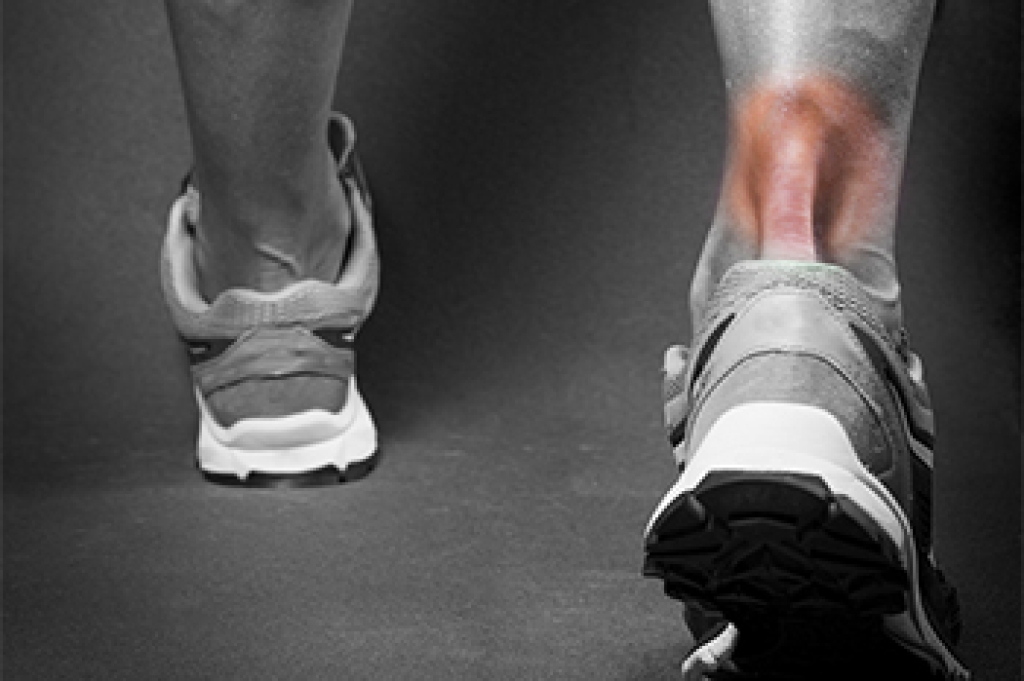
People who have endured an Achilles tendon injury may have to temporarily alter their lives. It generally happens as a result of an injury that affects the Achilles tendon, and walking may be impossible until proper treatment is provided. This tendon is located in the calf, and connects the calf muscles to the heel. An injury can cause this tendon to rupture, or it may become inflamed from overuse. This can happen from running on uneven surfaces, or from increasing speed and mileage too quickly. If the injury happens from gradual overuse, common symptoms may include stiffness in the heel area after arising, and it can be difficult to flex the foot. Symptoms from a sudden injury can consist of intense pain in the calf and heel, the inability to stand on tiptoes, and a popping sound may be heard. If you have any of the above symptoms, please contact a podiatrist as quickly as possible so the correct treatment can begin.

Achilles tendon injuries need immediate attention to avoid future complications. If you have any concerns, contact Howard Kimmel, DPM of Buckeye Foot Care. Our doctor can provide the care you need to keep you pain-free and on your feet.

What Is the Achilles Tendon?

The Achilles tendon is a tendon that connects the lower leg muscles and calf to the heel of the foot. It is the strongest tendon in the human body and is essential for making movement possible. Because this tendon is such an integral part of the body, any injuries to it can create immense difficulties and should immediately be presented to a doctor.

What Are the Symptoms of an Achilles Tendon Injury?

There are various types of injuries that can affect the Achilles tendon. The two most common injuries are Achilles tendinitis and ruptures of the tendon.

Achilles Tendinitis Symptoms

  • Inflammation
  • Dull to severe pain
  • Increased blood flow to the tendon
  • Thickening of the tendon

Rupture Symptoms

  • Extreme pain and swelling in the foot
  • Total immobility

Treatment and Prevention

Achilles tendon injuries are diagnosed by a thorough physical evaluation, which can include an MRI. Treatment involves rest, physical therapy, and in some cases, surgery. However, various preventative measures can be taken to avoid these injuries, such as:

  • Thorough stretching of the tendon before and after exercise
  • Strengthening exercises like calf raises, squats, leg curls, leg extensions, leg raises, lunges, and leg presses

If you have any questions please feel free to contact one of our offices located in Brook Park and Willoughby Hills, OH . We offer the newest diagnostic tools and technology to treat your foot and ankle needs.

Read more about The Causes, Types, and Treatments of Achilles Tendon Injuries

Painful Symptoms Are Often Associated With Morton’s Neuroma

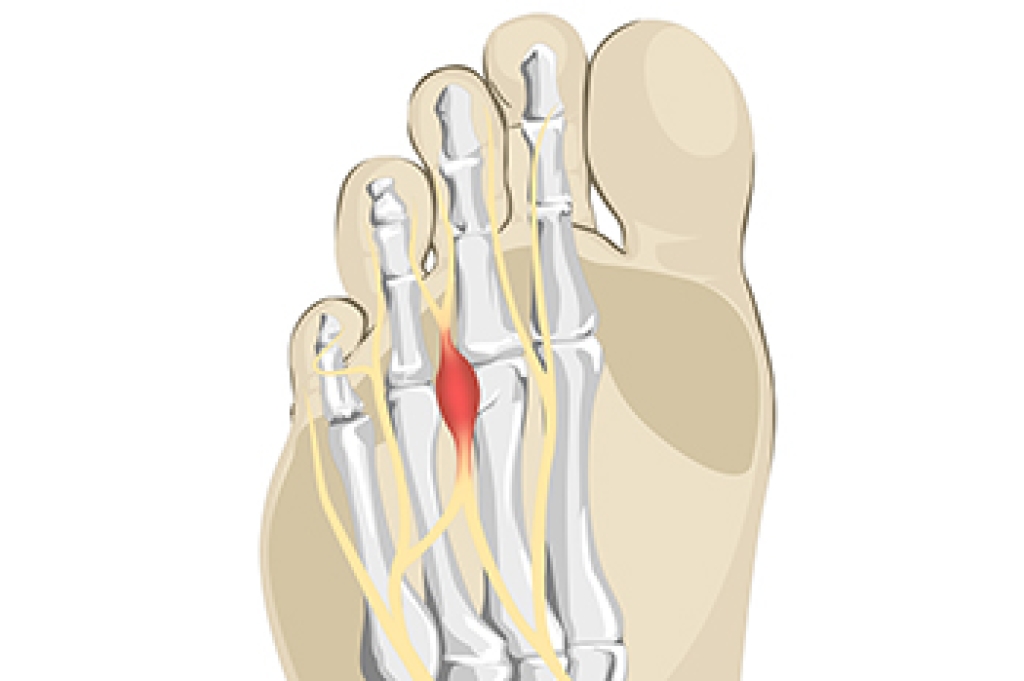
Morton’s neuroma is a foot condition that affects the nerves between the metatarsal bones in the foot. These are long bones, and there are affected nerves lying in between the bones. The pain that is associated with this condition feels like a burning sensation, or maybe a numbing and tingling feeling. If prompt medical attention is not sought, the pain can become unbearable, and walking may be difficult. This can be a result of irritated or compressed nerves, and in severe cases, surgery may be necessary for repairing or removal of these nerves.  A common cause of Morton’s neuroma can come from wearing shoes that do not have adequate room for the toes to move freely in. High heels can fall into this category, and it is suggested to refrain from wearing these types of shoes. They can gradually be replaced by wearing a lower heel, and this may help to accelerate the healing process. Morton’s neuroma is considered to be one of the most painful foot conditions, and if you have developed symptoms that may indicate this ailment, it is strongly advised that you are under the care of a podiatrist. 

Morton’s neuroma is a very uncomfortable condition to live with. If you think you have Morton’s neuroma, contact Howard Kimmel, DPM of Buckeye Foot Care. Our doctor will attend to all of your foot care needs and answer any of your related questions.  

Morton’s Neuroma

Morton's neuroma is a painful foot condition that commonly affects the areas between the second and third or third and fourth toe, although other areas of the foot are also susceptible. Morton’s neuroma is caused by an inflamed nerve in the foot that is being squeezed and aggravated by surrounding bones.

What Increases the Chances of Having Morton’s Neuroma?

  • Ill-fitting high heels or shoes that add pressure to the toe or foot
  • Jogging, running or any sport that involves constant impact to the foot
  • Flat feet, bunions, and any other foot deformities

Morton’s neuroma is a very treatable condition. Orthotics and shoe inserts can often be used to alleviate the pain on the forefront of the feet. In more severe cases, corticosteroids can also be prescribed. In order to figure out the best treatment for your neuroma, it’s recommended to seek the care of a podiatrist who can diagnose your condition and provide different treatment options.

If you have any questions, please feel free to contact one of our offices located in Brook Park and Willoughby Hills, OH . We offer the newest diagnostic and treatment technologies for all your foot care needs.
Read more about Morton's Neuroma

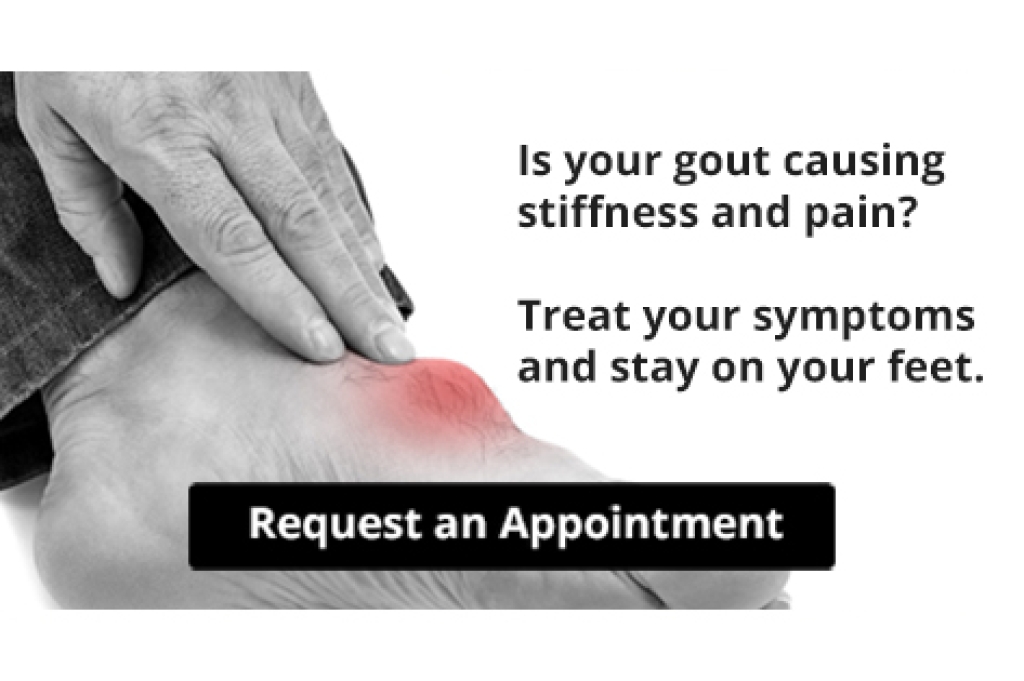
Gout Pain Can Be Managed

Gout is a painful, inflammatory form of arthritis. Those affected will typically feel an intense stiffness in the joints of their feet, particularly in the big toe. Schedule a visit to learn about how gout can be managed and treated.

Connect With Us

scroll to top