
Nerve Trouble in the Feet

Peripheral neuropathy is a condition in which nerves in the feet do not send signals normally, often causing burning, tingling, numbness, or sharp pain. It can develop from diabetes, poor circulation, nerve compression, or other medical conditions. Symptoms may begin gradually and worsen over time, sometimes affecting balance and increasing the risk of unnoticed injuries or skin breakdown. A podiatrist can evaluate nerve function, assess circulation, examine the skin and foot structure, and identify possible causes of discomfort. Treatment may include pressure relief strategies, custom orthotics, footwear recommendations, and management plans aimed at reducing symptoms and protecting foot health. Early care is important because loss of sensation can allow small problems to become serious. If you have signs of neuropathy, it is suggested that you visit a podiatrist for an evaluation and appropriate relief and management solutions.

Neuropathy

Neuropathy can be a potentially serious condition, especially if it is left undiagnosed. If you have any concerns that you may be experiencing nerve loss in your feet, consult with Howard Kimmel, DPM from Buckeye Foot Care. Our doctor will assess your condition and provide you with quality foot and ankle treatment for neuropathy.

What Is Neuropathy?

Neuropathy is a condition that leads to damage to the nerves in the body. Peripheral neuropathy, or neuropathy that affects your peripheral nervous system, usually occurs in the feet. Neuropathy can be triggered by a number of different causes. Such causes include diabetes, infections, cancers, disorders, and toxic substances.

Symptoms of Neuropathy Include:

  • Numbness
  • Sensation loss
  • Prickling and tingling sensations
  • Throbbing, freezing, burning pains
  • Muscle weakness

Those with diabetes are at serious risk due to being unable to feel an ulcer on their feet. Diabetics usually also suffer from poor blood circulation. This can lead to the wound not healing, infections occurring, and the limb may have to be amputated.

Treatment

To treat neuropathy in the foot, podiatrists will first diagnose the cause of the neuropathy. Figuring out the underlying cause of the neuropathy will allow the podiatrist to prescribe the best treatment, whether it be caused by diabetes, toxic substance exposure, infection, etc. If the nerve has not died, then it’s possible that sensation may be able to return to the foot.

Pain medication may be issued for pain. Electrical nerve stimulation can be used to stimulate nerves. If the neuropathy is caused from pressure on the nerves, then surgery may be necessary.

If you have any questions, please feel free to contact one of our offices located in Brook Park and Willoughby Hills, OH . We offer the newest diagnostic and treatment technologies for all your foot care needs.

Read more about Neuropathy

Achilles Tendon Injury Symptoms

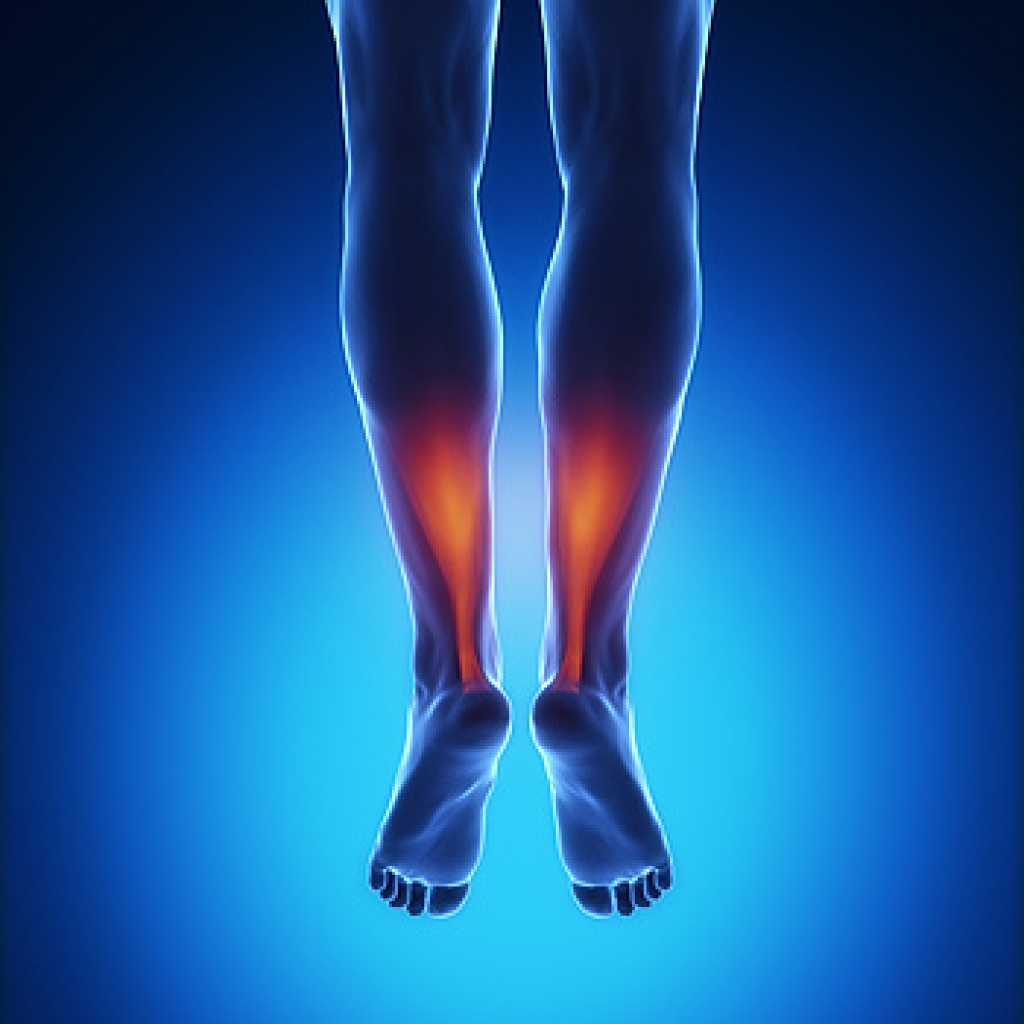
The Achilles tendon is a band of tissue that connects the muscles in your calf to your heel. Injuries to this tissue can be common, especially among athletes. The typical symptoms of an Achilles tendon injury can include pain down the back of your leg near your heel, pain that worsens with activity, stiffness or soreness in the Achilles tendon upon waking, pain in the tendon the day after exercising, swelling that worsens with activity, thickening of the tendon, bone spurs on the heel bone, and difficulty flexing the affected foot. If you are injured and hear a popping sound, followed by a sudden, sharp pain, this could be indicative of an Achilles tendon rupture. If you are experiencing any of these symptoms, please consult with a podiatrist. 

Achilles tendon injuries need immediate attention to avoid future complications. If you have any concerns, contact Howard Kimmel, DPM of Buckeye Foot Care. Our doctor can provide the care you need to keep you pain-free and on your feet.

What Is the Achilles Tendon?

The Achilles tendon is a tendon that connects the lower leg muscles and calf to the heel of the foot. It is the strongest tendon in the human body and is essential for making movement possible. Because this tendon is such an integral part of the body, any injuries to it can create immense difficulties and should immediately be presented to a doctor.

What Are the Symptoms of an Achilles Tendon Injury?

There are various types of injuries that can affect the Achilles tendon. The two most common injuries are Achilles tendinitis and ruptures of the tendon.

Achilles Tendinitis Symptoms

  • Inflammation
  • Dull to severe pain
  • Increased blood flow to the tendon
  • Thickening of the tendon

Rupture Symptoms

  • Extreme pain and swelling in the foot
  • Total immobility

Treatment and Prevention

Achilles tendon injuries are diagnosed by a thorough physical evaluation, which can include an MRI. Treatment involves rest, physical therapy, and in some cases, surgery. However, various preventative measures can be taken to avoid these injuries, such as:

  • Thorough stretching of the tendon before and after exercise
  • Strengthening exercises like calf raises, squats, leg curls, leg extensions, leg raises, lunges, and leg presses

If you have any questions please feel free to contact one of our offices located in Brook Park and Willoughby Hills, OH . We offer the newest diagnostic tools and technology to treat your foot and ankle needs.

Read more about What are Achilles Tendon Injuries

Rehab Exercises After Spraining an Ankle

Rehab exercises after an ankle sprain can help restore strength, balance, and flexibility in the injured joint. After swelling and pain begin to decrease, gentle movements can help the ankle regain normal motion. Common exercises include ankle circles, calf stretches, and writing the alphabet in the air with the toes. As healing continues, strength-building exercises help support the ankle and lower the risk of another injury. These exercises include heel raises, towel curls, and resistance-band movements. Balance exercises are also important because ankle sprains can affect stability while walking. Standing on one foot and controlled step-ups can improve coordination and help prevent future falls or twists. A podiatrist can examine the ankle to check for ligament damage, weakness, or joint instability. Treatment includes bracing, custom orthotics, and a rehab exercise plan designed for a gradual return to activity. If you have sprained your ankle, it is suggested that you schedule an appointment with a podiatrist for appropriate treatment.

Although ankle sprains are common, they aren’t always minor injuries. If you need your ankle injury looked at, contact Howard Kimmel, DPM from Buckeye Foot Care. Our doctor can provide the care you need to keep you pain-free and on your feet.

How Does an Ankle Sprain Occur?

Ankle sprains are the result of a tear in the ligaments within the ankle. These injuries may happen when you make a rapid shifting movement while your foot is planted. A less common way to sprain your ankle is when your ankle rolls inward while your foot turns outward.

What Are the Symptoms?

  • Pain at the sight of the tear
  • Bruising/Swelling
  • Ankle area is tender to touch
  • In severe cases, may hear/feel something tear
  • Skin discoloration

Preventing a Sprain

  • Wearing appropriate shoes for the occasion
  • Stretching before exercises and sports
  • Knowing your limits

Treatment of a Sprain

In many cases, the RICE method (Rest, Ice, Compression, and Elevate) is used to treat ankle sprains. However, you should see a podiatrist to see which treatment option would work best with your injury. In severe cases, surgery may be required.

It is important to ask your doctor about rehab options after you receive treatment for your injury. Stretching, strength training, and balance exercises may help the ankle heal while also preventing further injury.

If you have any questions, please feel free to contact one of our offices located in Brook Park and Willoughby Hills, OH . We offer the newest diagnostic and treatment technologies for all your foot care needs.
Read more about Three Grades of Ankle Sprains

Understanding Ganglion Cysts

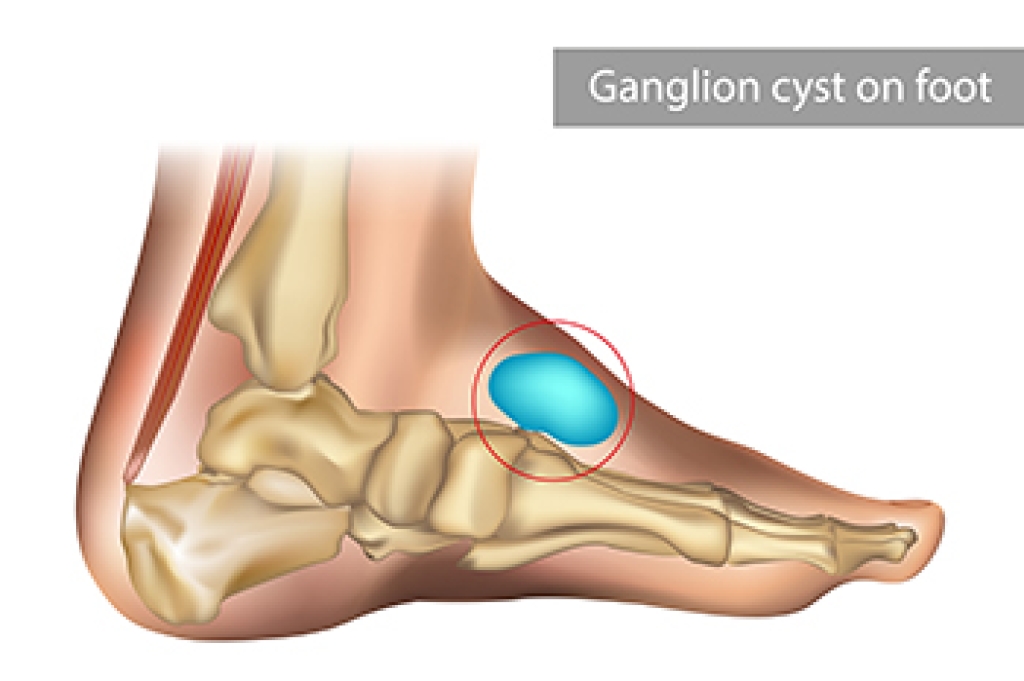
Ganglion cysts are fluid-filled sacs that develop near joints or tendons in the foot. They often appear as soft or firm lumps beneath the skin and may change in size over time. These cysts can form due to irritation or injury in the area, although the exact cause is not always clear. Risk factors include female gender and arthritis in nearby joints. Symptoms include tenderness, tingling, and, in some cases, muscle weakness if pressure affects nearby nerves. While some cysts are painless, others can cause discomfort with movement or footwear. A podiatrist can evaluate the cyst, confirm the diagnosis, and recommend appropriate treatment options. If you have developed a cyst on your foot, it is suggested that you consult a podiatrist who can provide a proper diagnosis and offer effective treatment solutions.

Foot Pain

Foot pain can be extremely painful and debilitating. If you have a foot pain, consult with Howard Kimmel, DPM from Buckeye Foot Care. Our doctor will assess your condition and provide you with quality foot and ankle treatment.

Causes

Foot pain is a very broad condition that could be caused by one or more ailments. The most common include:

  • Bunions
  • Hammertoes
  • Plantar Fasciitis
  • Bone Spurs
  • Corns
  • Tarsal Tunnel Syndrome
  • Ingrown Toenails
  • Arthritis (such as Gout, Rheumatoid, and Osteoarthritis)
  • Flat Feet
  • Injury (from stress fractures, broken toe, foot, ankle, Achilles tendon ruptures, and sprains)
  • And more

Diagnosis

To figure out the cause of foot pain, podiatrists utilize several different methods. This can range from simple visual inspections and sensation tests to X-rays and MRI scans. Prior medical history, family medical history, and any recent physical traumatic events will all be taken into consideration for a proper diagnosis.

Treatment

Treatment depends upon the cause of the foot pain. Whether it is resting, staying off the foot, or having surgery; podiatrists have a number of treatment options available for foot pain.

If you have any questions, please feel free to contact one of our offices located in Brook Park and Willoughby Hills, OH . We offer the newest diagnostic and treatment technologies for all your foot care needs.

Read more about Foot Pain

Warming Up the Ankles With Stretches

Warming up the ankles before activity helps prepare the joints and muscles for movement and reduces strain during exercise. The ankle is a weight-bearing joint that must move smoothly in several directions to support walking, running, and jumping. Simple stretches that point the toes away and toward the body can improve flexibility and range of motion. Gentle ankle circles and controlled inward and outward movements help loosen the ligaments and tendons that guide the joint. Ankle warm-up exercises improve balance and coordination, which can lower the risk of sprains and injuries. A podiatrist can evaluate ankle movement, check for stiffness or weakness, and order imaging to look for hidden problems. Treatment plans include guided stretching programs, supportive bracing and custom orthotics to improve alignment and protect the joint. If you have stiff or painful ankles, it is suggested that you schedule an appointment with a podiatrist for a diagnosis and appropriate treatment.

Exercising your feet regularly with the proper foot wear is a great way to prevent injuries and build strength. If you have any concerns about your feet, contact Howard Kimmel, DPM from Buckeye Foot Care. Our doctor can provide the care you need to keep you pain-free and on your feet.

Exercise for Your Feet

Exercise for your feet can help you gain strength, mobility and flexibility in your feet. They say that strengthening your feet can be just as rewarding as strengthening another part of the body. Your feet are very important, and we often forget about them in our daily tasks. But it is because of our feet that are we able to get going and do what we need to. For those of us fortunate enough to not have any foot problems, it is an important gesture to take care of them to ensure good health in the long run.

Some foot health exercises can include ankle pumps, tip-toeing, toe rises, lifting off the floor doing reps and sets, and flexing the toes. It is best to speak with Our doctor to determine an appropriate regimen for your needs. Everyone’s needs and bodies are different, and the activities required to maintain strength in the feet vary from individual to individual. 

Once you get into a routine of doing regular exercise, you may notice a difference in your feet and how strong they may become.

If you have any questions, please feel free to contact one of our offices located in Brook Park and Willoughby Hills, OH . We offer the newest diagnostic and treatment technologies for all your foot care needs.

Read more about Exercise for Your Feet

Connect With Us

scroll to top