
Giving Your Feet a Break While Standing at Work

If you are one of the many Americans who have to stand all day at work, you may be looking for ways to reduce the strain and pressure your feet and legs have to endure on the job. One of the simplest things you can do is change your position throughout the day. Engage your core and make conscious adjustments to your posture periodically to shift body weight. Find shoes that feel great and support your heels and arches. Custom orthotics created by your podiatrist can further address your specific foot structure and help distribute weight more evenly across your feet. Check with your podiatrist about other techniques to alleviate foot stress while you are on the job and on your feet.

While working on the feet, it is important to take the proper care of them. For more information about working on your feet, contact Howard Kimmel, DPM from Buckeye Foot Care. Our doctor will treat your foot and ankle needs.

Working on Your Feet

Standing on your feet for long periods of time can cause stress and pain in your feet. Your whole body may experience change in terms of posture, back pain, bunions, callouses and or plantar warts. There are ways to avoid these conditions with proper foot care, smart choices and correct posture.

Positive Changes

Negative heeled shoe – Choosing this shoe type places the heel slightly lower than the ball of the foot. These are great for overall foot health. Find shoes that fit you correctly.

Go barefoot – Our feet were not designed to be enclosed for all hours of the day. Try to periodically expose your feet to air.

Eliminate Pain

Foot Exercises – Performing simple exercises, incorporating yoga and doing stretches are beneficial. This will allow increased blood flow to the area and muscles of the foot.

Achilles tendon – Stretching the foot out flat on the floor will relax the calf muscles and tendon. These exercises can be performed almost anywhere. Make sure you add these exercises to your daily regimen. 

With a little bit of this information and knowing more about foot health, you will notice changes. Foot stretches and proper footwear will help with pain and prevent further issues.

If you have any questions please contact one of our offices located in Brook Park and Willoughby Hills, OH . We offer the newest diagnostic and treatment technologies for all your foot and ankle needs.

Read more about How to Handle a Long Work Day on Your Feet

Understanding Overpronation

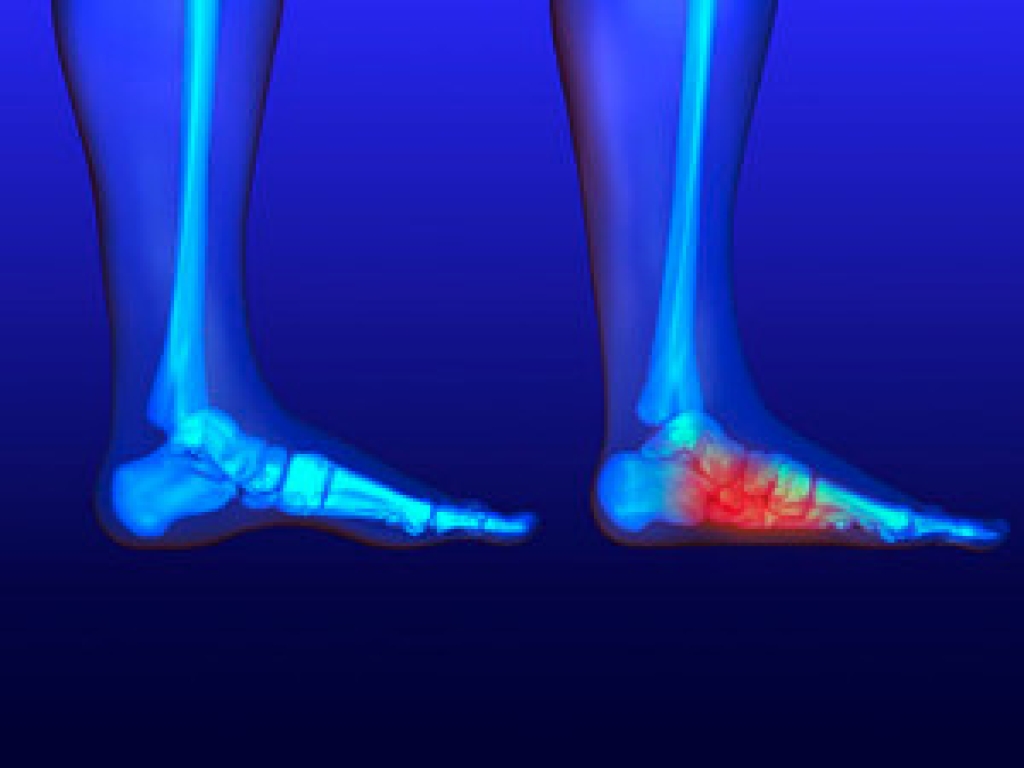
If the arch of the foot collapses while bearing weight, it is known as overpronation.  When the frame of the foot collapses overpronation causes stress and inflammation to the feet leading to a variety of conditions such as plantar fasciitis, heel spurs, metatarsalgia, tendonitis, or bunions. Overpronation is common among those who have flexible flat feet, but other factors like obesity and pregnancy can also cause flat feet. Some patients with overpronation never develop symptoms or feel pain, but if symptoms are present the pain is extreme and walking becomes difficult. This causes intense strain on the feet and calves. Patients who experience overpronation should wear footwear that fits properly and also has a firm and supportive heel. These patients may even be prescribed orthotics to support the arch of the foot. Anyone who is afflicted with overpronation should consult with a podiatrist for a proper diagnosis and treatment recommendation. 

If you have any concerns about your feet, contact Howard Kimmel, DPM from Buckeye Foot Care. Our doctor can provide the care you need to keep you pain-free and on your feet.

Biomechanics in Podiatry

Podiatric biomechanics is a particular sector of specialty podiatry with licensed practitioners who are trained to diagnose and treat conditions affecting the foot, ankle and lower leg. Biomechanics deals with the forces that act against the body, causing an interference with the biological structures. It focuses on the movement of the ankle, the foot and the forces that interact with them.

A History of Biomechanics

  • Biomechanics dates back to the BC era in Egypt where evidence of professional foot care has been recorded.
  • In 1974, biomechanics gained a higher profile from the studies of Merton Root, who claimed that by changing or controlling the forces between the ankle and the foot, corrections or conditions could be implemented to gain strength and coordination in the area.

Modern technological improvements are based on past theories and therapeutic processes that provide a better understanding of podiatric concepts for biomechanics. Computers can provide accurate information about the forces and patterns of the feet and lower legs.

Understanding biomechanics of the feet can help improve and eliminate pain, stopping further stress to the foot.

If you have any questions please feel free to contact one of our offices located in Brook Park and Willoughby Hills, OH . We offer the newest diagnostic and treatment technologies for all your foot and ankle needs.

Read more about Biomechanics in Podiatry

Are Bunions Affecting Your Everyday Life?

Have you noticed a bony protrusion on the side of your big toe? If so, you may have developed the foot condition known as a bunion. Don't let bunions interfere with your daily activities.

Ankle Ligament Tears Due to Sprain

If you are in pain after spraining your ankle and notice swelling on the outside of it, or if you heard a popping sound the instant the injury occurred, you may have a torn ankle ligament. There are four major ligaments that hold the ankle together. The anterior talofibular ligament (ATFL) on the outside of the ankle is the weakest and therefore typically the first to become injured. It can become overly stretched in a sprain, partially torn, or even completely torn (ruptured). Small tears of the ATFL will cause pain, tenderness, and swelling, but walking is usually still possible. Larger ATFL tears will cause greater pain, swelling and bruising, and you may have difficulty walking. A complete tear of the ATFL can cause severe pain, larger areas of swelling, and you may not be able to walk at all. You may have been able to hear an audible popping sound at the moment of trauma as well. This type of injury may cause damage to the calcaneal fibular ligament (CFL) on the outside of the ankle as well. Ankle sprains can be serious injuries and many require professional care to heal properly and stave off further complications. If you believe you have sprained your ankle, make an appointment with a podiatrist as soon as possible.

Ankle pain can be caused by a number of problems and may be potentially serious. If you have ankle pain, consult with Howard Kimmel, DPM from Buckeye Foot Care. Our doctor will assess your condition and provide you with quality foot and ankle treatment.

Ankle pain is any condition that causes pain in the ankle. Due to the fact that the ankle consists of tendons, muscles, bones, and ligaments, ankle pain can come from a number of different conditions.

Causes

The most common causes of ankle pain include:

  • Types of arthritis (rheumatoid, osteoarthritis, and gout)
  • Ankle sprains
  • Broken ankles
  • Achilles tendonitis
  • Achilles tendon rupture
  • Stress fractures
  • Bursitis
  • Tarsal tunnel syndrome
  • Plantar fasciitis

Symptoms

Symptoms of ankle injury vary based upon the condition. Pain may include general pain and discomfort, swelling, aching, redness, bruising, burning or stabbing sensations, and/or loss of sensation.

Diagnosis

Due to the wide variety of potential causes of ankle pain, podiatrists will utilize a number of different methods to properly diagnose ankle pain. This can include asking for personal and family medical histories and of any recent injuries. Further diagnosis may include sensation tests, a physical examination, and potentially x-rays or other imaging tests.

Treatment

Just as the range of causes varies widely, so do treatments. Some more common treatments are rest, ice packs, keeping pressure off the foot, orthotics and braces, medication for inflammation and pain, and surgery.

If you have any questions please feel free to contact one of our offices located in Brook Park and Willoughby Hills, OH . We offer the newest diagnostic tools and technology to treat your foot and ankle needs.

Read more about Ankle Pain

The Path to Becoming a Podiatrist

Podiatrists are physicians and surgeons who specialize in the diagnosis and treatment of conditions and injuries of the foot, ankle, and lower leg. Becoming a podiatrist requires extensive education. Aspiring podiatrists first get a bachelor’s degree which is usually focused on biology, chemistry, and anatomy, along with the necessary prerequisites for attending an accredited medical school, where they will graduate with a Doctorate of Podiatric Medicine (DPM). This is followed by a medical and surgical residency at an approved health care facility. Some podiatrists continue their education with a post-graduate fellowship. To become a licensed podiatrist in the United States, the doctor must pass the American Podiatric Medical Licensing Examination. Additionally, podiatrists may opt to become board certified with certain organizations, including the American Board of Podiatric Medicine (ABPM). Podiatrists usually engage in continuing medical education to maintain their license to practice and to stay abreast of industry trends. 

If you are experiencing pain in the feet or ankles, don’t join the stubborn majority refusing treatment. Feel free to contact Howard Kimmel, DPM from Buckeye Foot Care. Our doctor can provide the care you need to keep you pain-free and on your feet.

What Is a Podiatrist?

Someone would seek the care of a podiatrist if they have suffered a foot injury or have common foot ailments such as heal spurs, bunions, arch problems, deformities, ingrown toenails, corns, foot and ankle problems, etc.

Podiatric Treatment

A podiatrist will treat the problematic areas of the feet, ankle or lower leg by prescribing the following:

  • Physical therapy
  • Drugs
  • Orthotic inserts or soles
  • Surgery on lower extremity fractures

A common podiatric procedure a podiatrist will use is a scanner or force plate which will allow the podiatrist to know the designs of orthotics. Patients are then told to follow a series of tasks to complete the treatment. The computer will scan the foot a see which areas show weight distribution and pressure points. The podiatrist will read the analysis and then determine which treatment plans are available.

If you have any questions, please feel free to contact one of our offices located in Brook Park and Willoughby Hills, OH . We offer the newest diagnostic and treatment technologies for all your foot care needs.

Read more about What is a Podiatrist?

Connect With Us

scroll to top