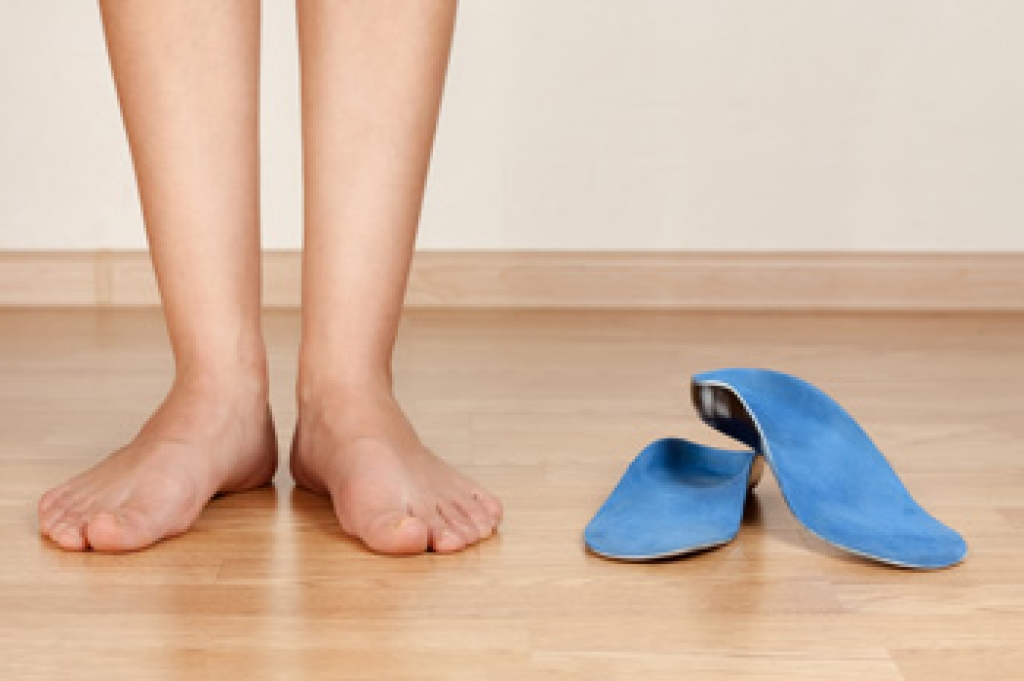
What to Look for in Orthotics

Orthotics are special shoe inserts designed to give your feet support and make standing, walking, and other daily activities more comfortable. Orthotics can be bought in most major drug stores, or they can be prescribed and custom made by a podiatrist. When looking for orthotic inserts, it is important to consider your needs. For example, if you experience foot pain due to prolonged standing, you may want to look for orthotics that have extra cushioning. If you participate in sports that require you to frequently put weight on the balls of your feet, such as running, look for inserts that support the metatarsal arch at the front of the foot. If you suffer from heel pain, it suggested that your orthotics offer extra shock absorption in the heel area and have firm arch support. To learn more about orthotics and which ones may be right for you, please consult with a podiatrist. 

If you are having discomfort in your feet and would like to try orthotics, contact Howard Kimmel, DPM from Buckeye Foot Care. Our doctor can provide the care you need to keep you pain-free and on your feet.

What Are Orthotics?

Orthotics are inserts you can place into your shoes to help with a variety of foot problems such as flat feet or foot pain. Orthotics provide relief and comfort for minor foot and heel pain but can’t correct serious biomechanical problems in your feet.

Over-the-Counter Inserts

Orthotics come in a wide variety of over-the-counter inserts that are used to treat foot pain, heel pain, and minor problems. For example, arch supports can be inserted into your shoes to help correct overarched or flat feet, while gel insoles are often used because they provide comfort and relief from foot and heel pain by alleviating pressure.

Prescription Orthotics

If over-the-counter inserts don’t work for you or if you have a more severe foot concern, it is possible to have your podiatrist prescribe custom orthotics. These high-quality inserts are designed to treat problems such as abnormal motion, plantar fasciitis, and severe forms of heel pain. They can even be used to help patients suffering from diabetes by treating foot ulcers and painful calluses and are usually molded to your feet individually, which allows them to provide full support and comfort.

If you are experiencing minor to severe foot or heel pain, it’s recommended to speak with your podiatrist about the possibilities of using orthotics. A podiatrist can determine which type of orthotic is right for you and allow you to take the first steps towards being pain-free.

If you have any questions, please feel free to contact one of our offices located in Brook Park and Willoughby Hills, OH . We offer the newest diagnostic and treatment technologies for all your foot care needs.

Read more about Foot Orthotics

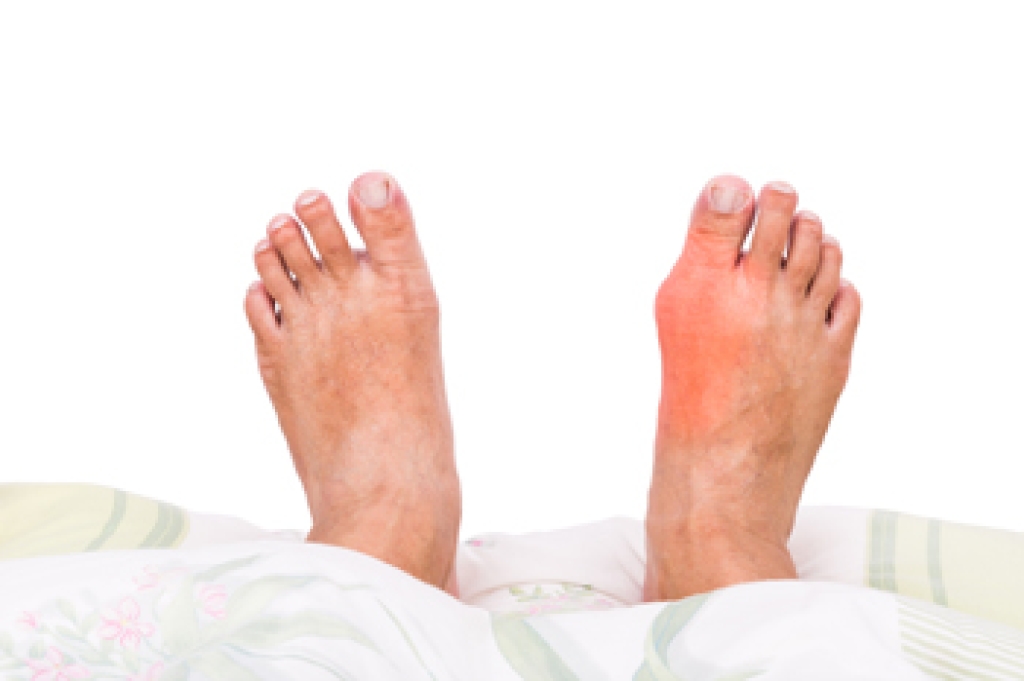
Common Reasons Why Bunions May Occur

The joint that is affected by a bunion is located on the side of the big toe. A bunion appears as a large, bony protrusion, and it can occur for different reasons. These can consist of genetic factors, or from wearing shoes that do not have adequate room for the toes to move freely in. Common symptoms that are typically associated with bunions can include swelling, redness, and toe pain. Many patients notice that there are corns and calluses that form on top of the bunion. This can be a result of excess friction that is caused by shoes rubbing against the bunion. It is beneficial to wear larger shoes that can accommodate the bunion, as this may provide mild relief. If you notice an abnormal bump on your big toe, please consult with a podiatrist who can properly diagnose this ailment and offer you treatment options.

If you are suffering from bunion pain, contact Howard Kimmel, DPM of Buckeye Foot Care. Our doctor can provide the care you need to keep you pain-free and on your feet.

What Is a Bunion?

Bunions are painful bony bumps that usually develop on the inside of the foot at the joint of the big toe. As the deformity increases over time, it may become painful to walk and wear shoes. Women are more likely to exacerbate existing bunions since they often wear tight, narrow shoes that shift their toes together. Bunion pain can be relieved by wearing wider shoes with enough room for the toes.

Causes

  • Genetics – some people inherit feet that are more prone to bunion development
  • Inflammatory Conditions - rheumatoid arthritis and polio may cause bunion development

Symptoms

  • Redness and inflammation
  • Pain and tenderness
  • Callus or corns on the bump
  • Restricted motion in the big toe

In order to diagnose your bunion, your podiatrist may ask about your medical history, symptoms, and general health. Your doctor might also order an x-ray to take a closer look at your feet. Nonsurgical treatment options include orthotics, padding, icing, changes in footwear, and medication. If nonsurgical treatments don’t alleviate your bunion pain, surgery may be necessary.

If you have any questions, please feel free to contact one of our offices located in Brook Park and Willoughby Hills, OH . We offer the newest diagnostic and treatment technologies for all your foot care needs.
Read more about Bunions

Common Foot and Ankle Injuries in Football

Football players run a high risk for developing a variety of injuries, and some of those injuries involve the foot or ankle. One common injury is an Achilles tendon rupture. The Achilles tendon is the longest and strongest tendon in the body, and it helps players push off their feet, jump, and accelerate. Overuse or excessive force can result in a tear or rupture. Treatment generally requires surgery and about 9 months to heal, but with new technology some players have returned to play just 6 months after surgery. High ankle sprains occur often, and they are the result of a tear to the ligaments that connect the tibia and fibula. Recovery can take as long as 6 to 8 weeks. A complex career-threatening injury is known as a Lisfranc injury. This occurs when there is a sprain or break of the metatarsal bones in the mid foot. Even a minor sprain in the mid foot that doesn't require surgery can still take 6-8 weeks to heal. Lastly, when a player hyperextends their big toe, it is known as turf toe. This is caused by the ligaments under the joint of the big toe being ruptured or sprained. It is highly suggested that anyone who is suffering with a foot or ankle injury seek the care of a podiatrist. 

Sports related foot and ankle injuries require proper treatment before players can go back to their regular routines. For more information, contact Howard Kimmel, DPM of Buckeye Foot Care. Our doctor can provide the care you need to keep you pain-free and on your feet.

Sports Related Foot and Ankle Injuries

Foot and ankle injuries are a common occurrence when it comes to athletes of any sport. While many athletes dismiss the initial aches and pains, the truth is that ignoring potential foot and ankle injuries can lead to serious problems. As athletes continue to place pressure and strain the area further, a mild injury can turn into something as serious as a rupture and may lead to a permanent disability. There are many factors that contribute to sports related foot and ankle injuries, which include failure to warm up properly, not providing support or wearing bad footwear. Common injuries and conditions athletes face, including:

  • Plantar Fasciitis
  • Achilles Tendinitis
  • Achilles Tendon Rupture
  • Ankle Sprains

Sports related injuries are commonly treated using the RICE method. This includes rest, applying ice to the injured area, compression and elevating the ankle. More serious sprains and injuries may require surgery, which could include arthroscopic and reconstructive surgery. Rehabilitation and therapy may also be required in order to get any recovering athlete to become fully functional again. Any unusual aches and pains an athlete sustains must be evaluated by a licensed, reputable medical professional.

If you have any questions please contact one of our offices located in Brook Park and Willoughby Hills, OH . We offer the newest diagnostic and treatment technologies for all your foot and ankle needs.

Read more about Sports Related Foot And Ankle Injuries

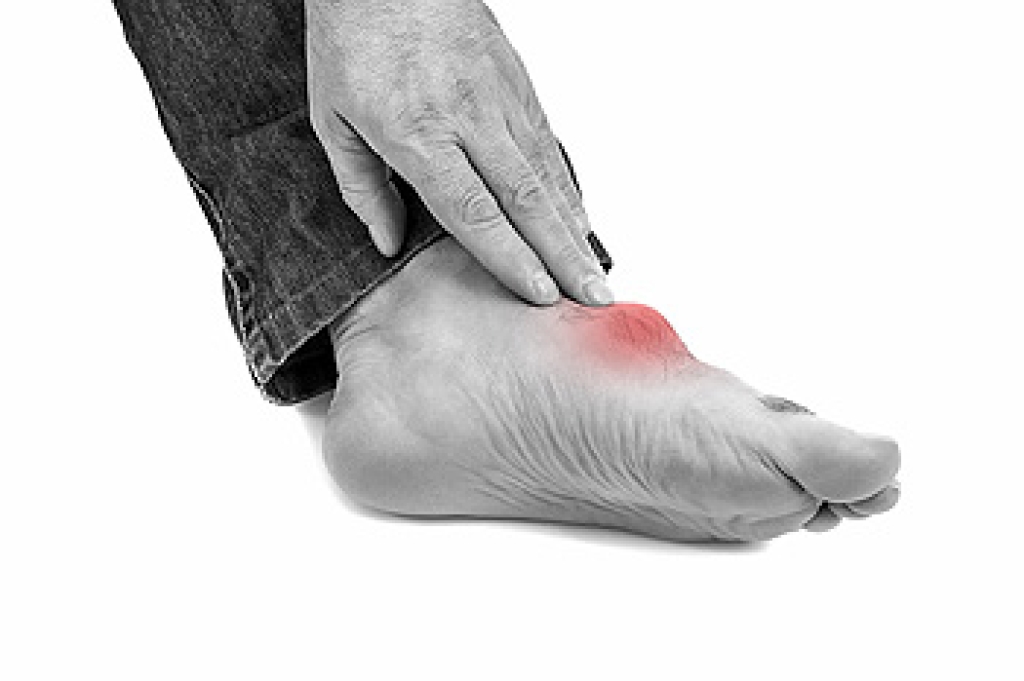
What Can Cause Gout?

Patients who experience gout attacks are aware of the severe and debilitating pain this condition may cause. It is considered to be a form of arthritis and typically affects the joints in the big toe. Some of the symptoms that are generally associated with gout include swelling on or near the affected joints, and it may often feel warm when touched. Gout is caused by an excess of uric acid in the bloodstream, which is referred to as hyperuricemia. It may occur from genetic reasons, or from eating foods that have high levels of purines. These can consist of red meat, shellfish, and drinks that have an elevated sugar content. Additionally, existing medical conditions such as diabetes, high blood pressure, and poor kidney function, may play significant roles in developing gout. If you are afflicted with this type of arthritis, it is strongly suggested that you are under the care of a podiatrist who can effectively treat this condition.

Gout is a foot condition that requires certain treatment and care. If you are seeking treatment, contact Howard Kimmel, DPM from Buckeye Foot Care. Our doctor will treat your foot and ankle needs.

What Is Gout?

Gout is a type of arthritis caused by a buildup of uric acid in the bloodstream. It often develops in the foot, especially the big toe area, although it can manifest in other parts of the body as well. Gout can make walking and standing very painful and is especially common in diabetics and the obese.

People typically get gout because of a poor diet. Genetic predisposition is also a factor. The children of parents who have had gout frequently have a chance of developing it themselves.

Gout can easily be identified by redness and inflammation of the big toe and the surrounding areas of the foot. Other symptoms include extreme fatigue, joint pain, and running high fevers. Sometimes corticosteroid drugs can be prescribed to treat gout, but the best way to combat this disease is to get more exercise and eat a better diet.

If you have any questions, please feel free to contact one of our offices located in Brook Park and Willoughby Hills, OH . We offer the newest diagnostic and treatment technologies for all your foot care needs.

Read more about Everything You Need to Know About Gout

Connect With Us

scroll to top