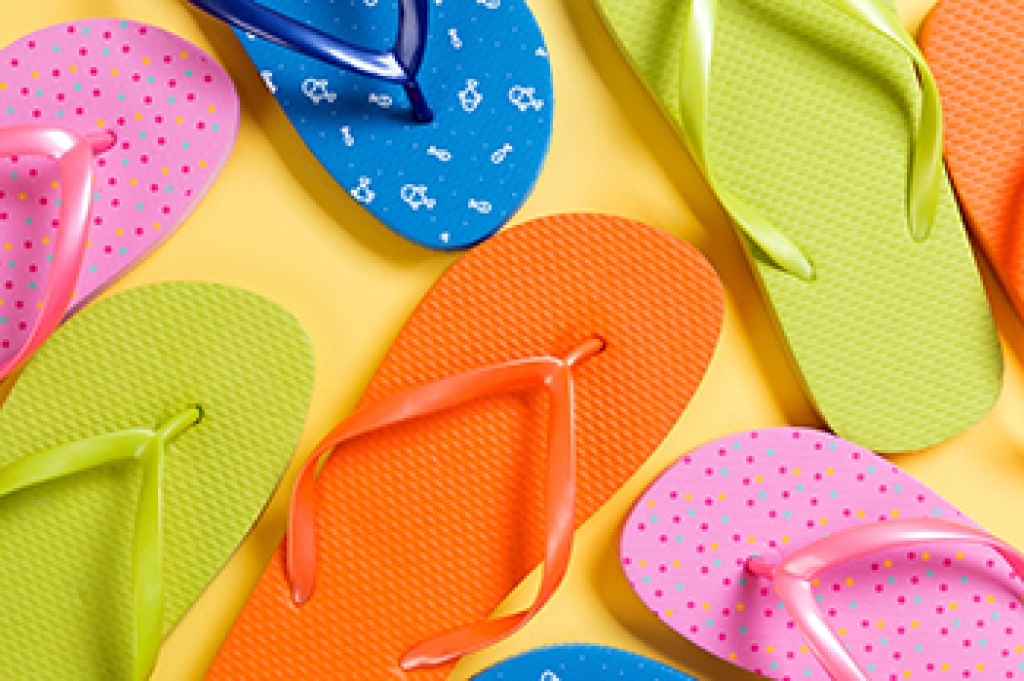
Flip Flops and Posture Problems

Flip flops may seem like the perfect summer shoe, however, they can wreak havoc on the health of your feet if worn for long periods of time. The negative health effects of flip flops are well known and documented, ranging from heel pain to nerve damage. Additionally, flip flops can cause an individual to develop problems with their posture. There are many different reasons for this. For example, since the feet are essentially the building blocks of the body’s posture, when we wear shoes that are not supportive, such as flip flops, the posture can collapse. Poorly supported feet can ultimately lead to misalignment, which results in bad posture throughout the body. If you are someone who enjoys wearing flip flops during the summer months, it is suggested that you schedule an appointment with a podiatrist who can provide you with knowledge about the pros and cons of wearing this type of shoe.

Flip-flops are not always the best choice of footwear. If you have any concerns about your feet or ankles, contact Howard Kimmel, DPM from Buckeye Foot Care. Our doctor will assist you with all of your foot and ankle needs.

Flip-Flops and Feet

When the weather starts warming up, people enjoy wearing flip-flops.  Flip-flops are comfortable, stylish, and easy to slip on and off; they're perfect for any summer beach goer.  However, these shoes can cause harm to the feet.

How Can Flip-Flops Affect Me Long-Term?

  • Ankle problems
  • Hip problems
  • Lower back problems
  • Pain in the balls of the feet
  • Problems with foot arches
  • Changes in the way you walk

Are There Injuries Associated with Flip-Flops?

Yes.  Since flip-flops are relatively weak and do not provide the same amount of support as sneakers, people who wear flip-flops regularly are more susceptible to injuries. On top of that, the open nature of the shoe makes your feet more prone to other problems, such as cuts and even infections.  Common injuries and ailments include:

  • Sprained ankles
  • Blisters
  • Infections
  • Cuts and Scrapes

I like Wearing Flip-Flops. Are There Safe Alternatives?

When buying flip-flops, try to find ones that have sturdy soles and that are made of high-quality materials that will support for your feet.  These flip-flops will cost more but will also last longer as a result.

If you have any questions, please feel free to contact one of our offices located in Brook Park and Willoughby Hills, OH . We offer the newest diagnostic and treatment technologies for all your foot care needs.
Read more about Flip Flops and Feet

Active People May Be Prone to Getting Cuboid Syndrome

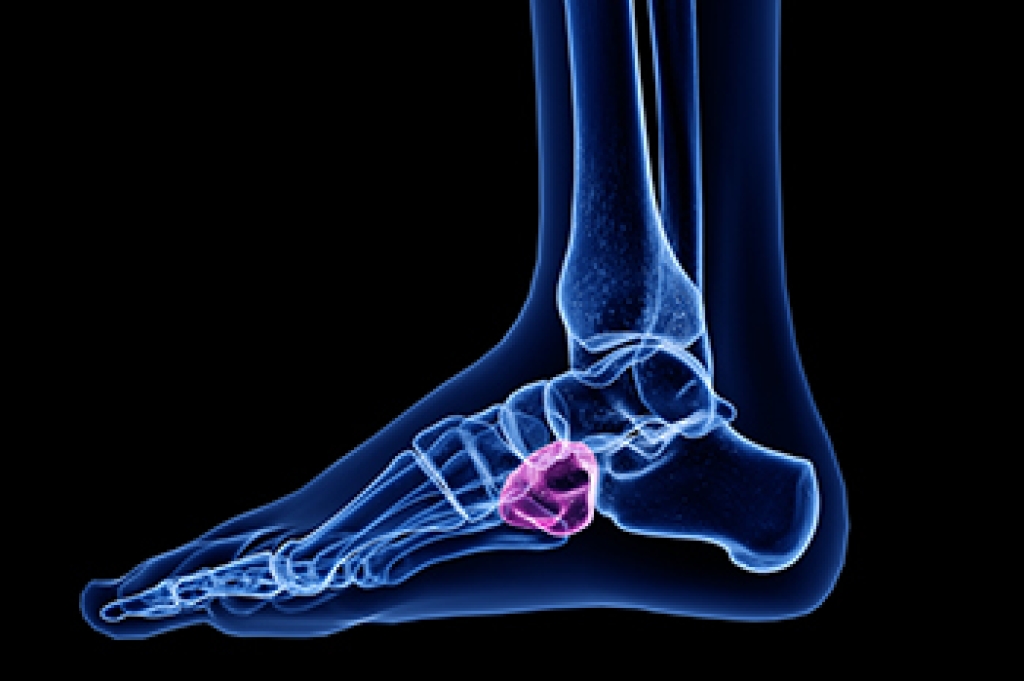
There is a bone in the foot known as the cuboid bone. An injury may cause this bone to shift out of alignment, possibly causing cuboid syndrome to develop. The pain is generally felt on the outer edge of the foot and can be a common injury among dancers and athletes. Usual symptoms that are often experienced with cuboid syndrome can include difficulty in bearing weight on the foot, a reduced range of motion, and the foot may be swollen. Additionally, the pain may begin as a dull ache and gradually sharpen, increasing discomfort on the overall foot. People with flat feet may experience this condition, or it may come from those who frequently engage in running and jumping activities. Mild relief may be found when the affected foot is elevated and the activity that caused the injury is temporarily stopped. If you have pain in this part of your foot, it is suggested that you confer with a podiatrist who can effectively diagnose and treat cuboid syndrome.

Cuboid syndrome, also known as cuboid subluxation, occurs when the joints and ligaments near the cuboid bone in the foot become torn. If you have cuboid syndrome, consult with Howard Kimmel, DPM from Buckeye Foot Care. Our doctor will assess your condition and provide you with quality foot and ankle treatment.

Cuboid syndrome is a common cause of lateral foot pain, which is pain on the outside of the foot. The condition may happen suddenly due to an ankle sprain, or it may develop slowly overtime from repetitive tension through the bone and surrounding structures.

Causes

The most common causes of cuboid syndrome include:

  • Injury – The most common cause of this ailment is an ankle sprain.
  • Repetitive Strain – Tension placed through the peroneus longus muscle from repetitive activities such as jumping and running may cause excessive traction on the bone causing it to sublux.
  • Altered Foot Biomechanics – Most people suffering from cuboid subluxation have flat feet.

Symptoms

A common symptom of cuboid syndrome is pain along the outside of the foot which can be felt in the ankle and toes. This pain may create walking difficulties and may cause those with the condition to walk with a limp.

Diagnosis

Diagnosis of cuboid syndrome is often difficult, and it is often misdiagnosed. X-rays, MRIs and CT scans often fail to properly show the cuboid subluxation. Although there isn’t a specific test used to diagnose cuboid syndrome, your podiatrist will usually check if pain is felt while pressing firmly on the cuboid bone of your foot.

Treatment

Just as the range of causes varies widely, so do treatments. Some more common treatments are ice therapy, rest, exercise, taping, and orthotics.

If you have any questions, please feel free to contact one of our offices located in Brook Park and Willoughby Hills, OH . We offer the newest diagnostic and treatment technologies for all your foot care needs.
Read more about Cuboid Syndrome

Flat Feet in Adults

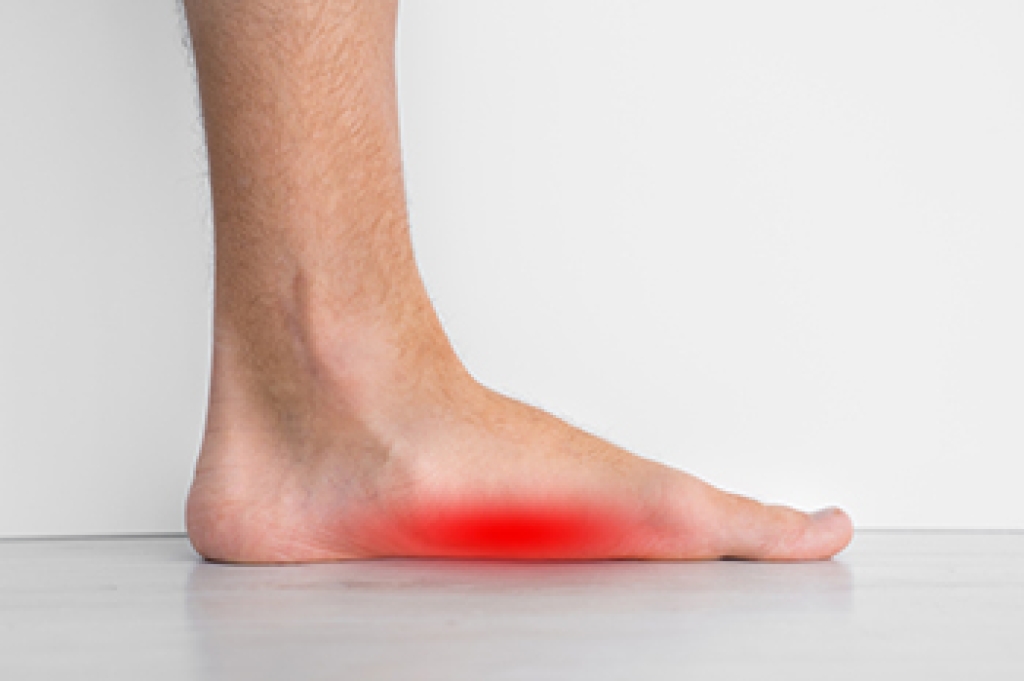
The arch of the foot is absent in people who have flat feet. This condition is noticeable when the foot remains completely flat when standing on the floor. The majority of babies are born with flat feet, and the arch generally develops in the teenage years. Existing medical conditions, such as diabetes, muscular dystrophy, and arthritis may lead to having flat feet as an adult. Treatment may be necessary if there is pain associated with this ailment. This can consist of wearing custom-made orthotics, performing specific foot stretches, and losing weight if applicable. It is beneficial to measure the feet before purchasing new shoes, in addition to allowing enough room in the top of the shoes. It can also help to wear shoes that have a low heel and to choose shoes that are suited to the activity being performed. It is suggested to people who have flat feet that they are under the care of a podiatrist who can offer effective relief solutions.

Flatfoot is a condition many people suffer from. If you have flat feet, contact Howard Kimmel, DPM from Buckeye Foot Care. Our doctor will treat your foot and ankle needs.

What Are Flat Feet?

Flatfoot is a condition in which the arch of the foot is depressed and the sole of the foot is almost completely in contact with the ground. About 20-30% of the population generally has flat feet because their arches never formed during growth.

Conditions & Problems:

Having flat feet makes it difficult to run or walk because of the stress placed on the ankles.

Alignment – The general alignment of your legs can be disrupted, because the ankles move inward which can cause major discomfort.

Knees – If you have complications with your knees, flat feet can be a contributor to arthritis in that area.  

Symptoms

  • Pain around the heel or arch area
  • Trouble standing on the tip toe
  • Swelling around the inside of the ankle
  • Flat look to one or both feet
  • Having your shoes feel uneven when worn

Treatment

If you are experiencing pain and stress on the foot you may weaken the posterior tibial tendon, which runs around the inside of the ankle. 

If you have any questions, please feel free to contact one of our offices located in Brook Park and Willoughby Hills, OH . We offer the newest diagnostic and treatment technologies for all your foot care needs.
Read more about What is Flexible Flat Foot?

Heel Pain Can Be Treated!

Do you suffer from heel pain when you get up in the morning? If so, you should seek professional help and have a proper diagnosis performed. Heel pain can be caused by several different foot-related conditions.

Painful Heel Spurs

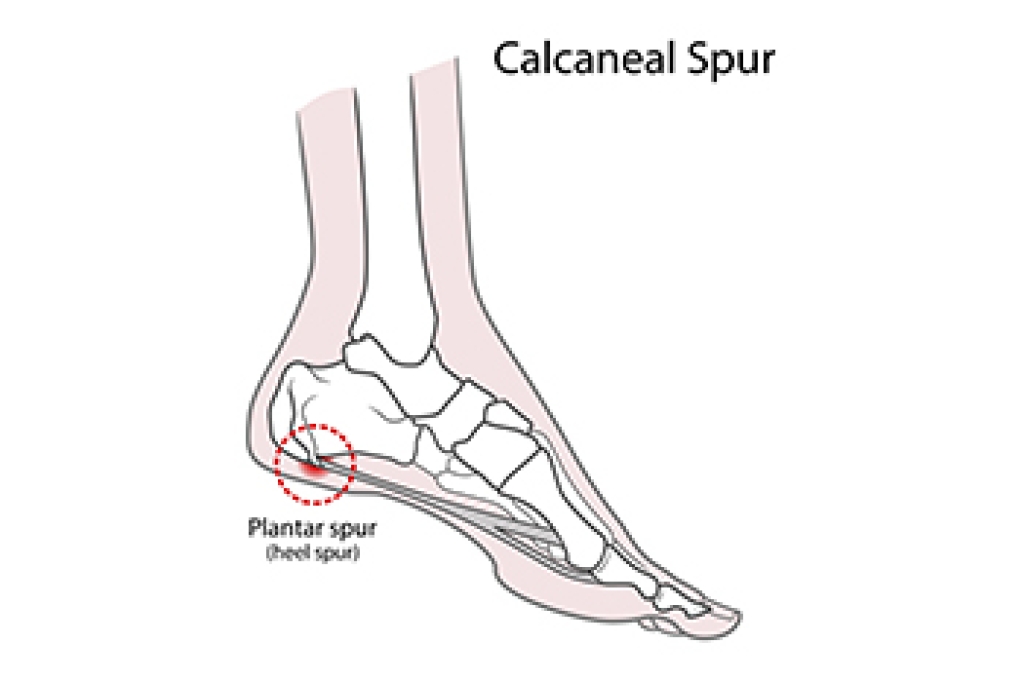
Heel spurs are a kind of protrusion or growth that can develop near the heel bone. In many cases, heel spurs may simply go away or go undetected. However, in other cases, heel spurs may cause an individual significant pain. For example, heel spurs may contribute to pain on the bottom of the heel towards the front of the foot. Alternatively, heel spurs could lead to pain at the back of the heel. Importantly, this is where the heel bone links to the Achilles tendon. When pain is localized here, the Achilles tendon may become irritated. If you are someone that is currently struggling with heel spurs, it is highly suggested that you contact a podiatrist for immediate attention. A podiatrist is a foot specialist that may be able to help you address your foot problems. 

Heel spurs can be incredibly painful and sometimes may make you unable to participate in physical activities. To get medical care for your heel spurs, contact Howard Kimmel, DPM from Buckeye Foot Care. Our doctor will do everything possible to treat your condition.

Heels Spurs

Heel spurs are formed by calcium deposits on the back of the foot where the heel is. This can also be caused by small fragments of bone breaking off one section of the foot, attaching onto the back of the foot. Heel spurs can also be bone growth on the back of the foot and may grow in the direction of the arch of the foot.

Older individuals usually suffer from heel spurs and pain sometimes intensifies with age. One of the main condition's spurs are related to is plantar fasciitis.

Pain

The pain associated with spurs is often because of weight placed on the feet. When someone is walking, their entire weight is concentrated on the feet. Bone spurs then have the tendency to affect other bones and tissues around the foot. As the pain continues, the feet will become tender and sensitive over time.

Treatments

There are many ways to treat heel spurs. If one is suffering from heel spurs in conjunction with pain, there are several methods for healing. Medication, surgery, and herbal care are some options.

If you have any questions, please feel free to contact one of our offices located in Brook Park and Willoughby Hills, OH . We offer the newest diagnostic and treatment technologies for all your foot care needs.

Read more about Heel Spurs

Connect With Us

scroll to top