Causes and Preventive Measures for Toenail Fungus

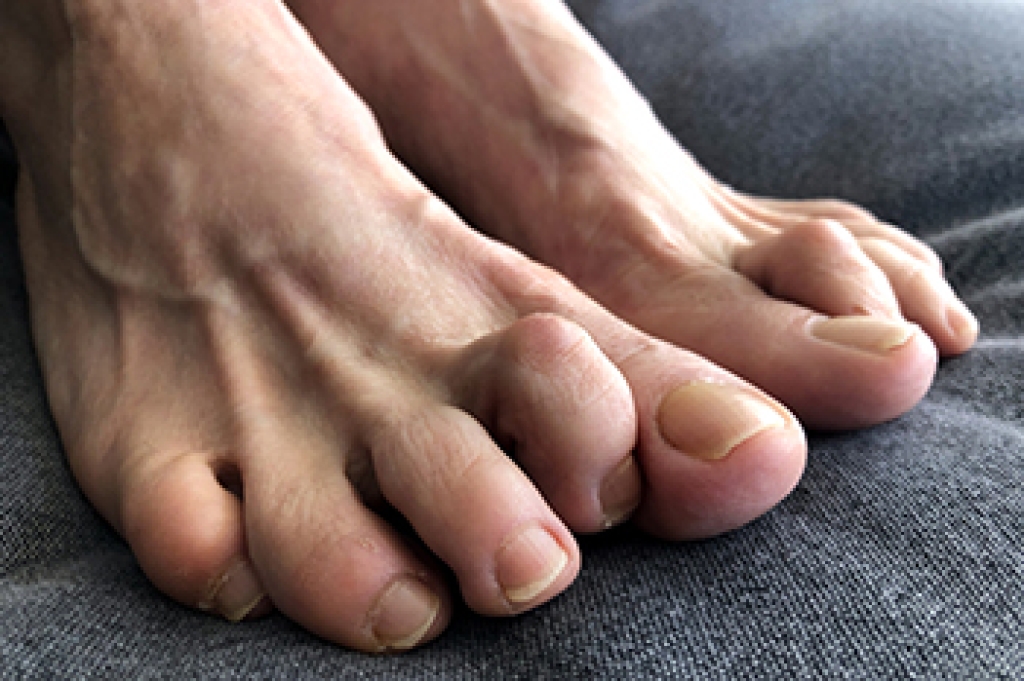
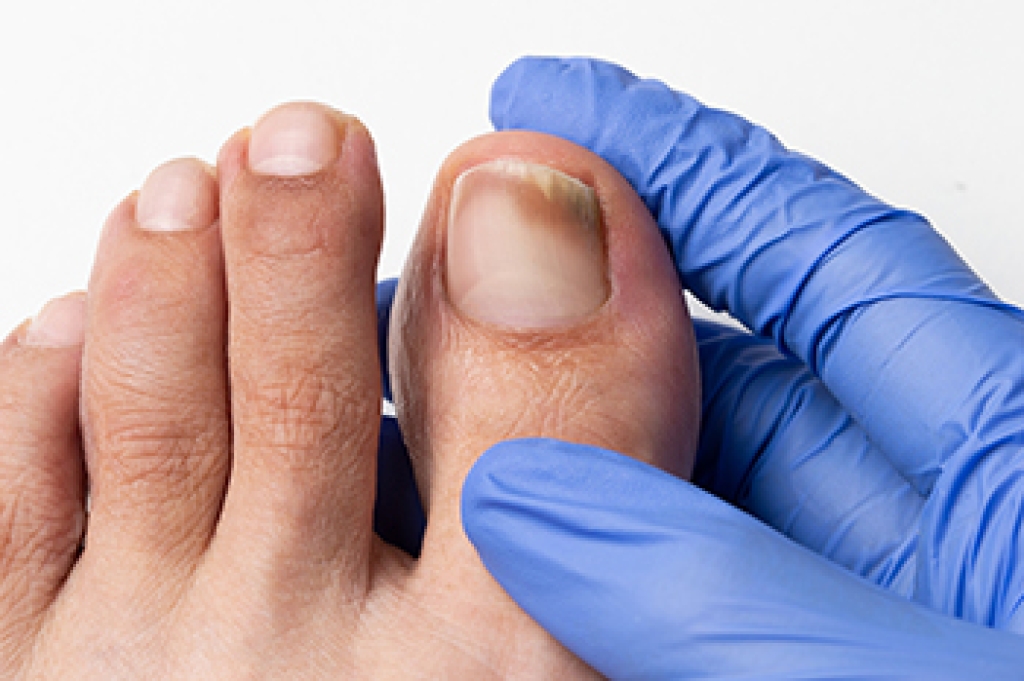
Toenail fungus, medically known as onychomycosis, is a common nail infection caused by fungal organisms that thrive in warm and moist environments. This condition typically starts as a white or yellow spot under the tip of the toenail and can spread to the other toenails, causing the nail to become discolored, thickened, and brittle. The fungi responsible for toenail infections live in areas such as public pools, showers, and locker rooms. Additionally, tight or non-breathable shoes can create an environment conducive to fungal growth. Preventive measures can include keeping the feet clean and dry, and wearing well-fitting shoes that are made from breathable materials. Additionally, it is beneficial to refrain from walking barefoot in public places. If you suspect a toenail fungus, it is suggested that you consult a podiatrist who can help to prevent its progression and guide you toward effective treatment methods.

If left untreated, toenail fungus may spread to other toenails, skin, or even fingernails. If you suspect you have toenail fungus it is important to seek treatment right away. For more information about treatment, contact Howard Kimmel, DPM of Buckeye Foot Care. Our doctor can provide the care you need to keep you pain-free and on your feet.

Symptoms

  • Warped or oddly shaped nails
  • Yellowish nails
  • Loose/separated nail
  • Buildup of bits and pieces of nail fragments under the nail
  • Brittle, broken, thickened nail

Treatment

If self-care strategies and over-the-counter medications does not help your fungus, your podiatrist may give you a prescription drug instead. Even if you find relief from your toenail fungus symptoms, you may experience a repeat infection in the future.

Prevention

In order to prevent getting toenail fungus in the future, you should always make sure to wash your feet with soap and water. After washing, it is important to dry your feet thoroughly especially in between the toes. When trimming your toenails, be sure to trim straight across instead of in a rounded shape. It is crucial not to cover up discolored nails with nail polish because that will prevent your nail from being able to “breathe”.

In some cases, surgical procedure may be needed to remove the toenail fungus. Consult with your podiatrist about the best treatment options for your case of toenail fungus.  

If you have any questions please contact one of our offices located in Brook Park and Willoughby Hills, OH . We offer the newest diagnostic and treatment technologies for all your foot and ankle needs.

Read more about How to Treat Your Toenail Fungus

Podiatry as a Career Choice

Podiatry, a medical field focusing on foot and lower leg conditions, is an option that appeals to those interested in patient care without a traditional medical school. To determine if podiatry suits you, it is important to understand its benefits and the skills needed. Podiatrists diagnose, treat, and perform procedures, such as setting broken bones and prescribing medications. They have distinct educational paths and professional organizations, offering flexible work arrangements in private practices or hospitals. Reasons to consider podiatry include work-life balance, impact on patients' lives, and diverse specializations, such as sports medicine or surgery. In addition, this profession offers varied patient populations, high demand, innovation, good pay, job stability, independence, and favorable work environments. Skills like interpersonal communication, critical thinking, dexterity, and research are vital for effective podiatry practice. If you are considering pursuing podiatry as a career choice, it is suggested that you make an appointment with a practicing podiatrist to see what it is really like to perform this role.

If you are experiencing pain in the feet or ankles, don’t join the stubborn majority refusing treatment. Feel free to contact Howard Kimmel, DPM from Buckeye Foot Care. Our doctor can provide the care you need to keep you pain-free and on your feet.

What Is a Podiatrist?

Someone would seek the care of a podiatrist if they have suffered a foot injury or have common foot ailments such as heal spurs, bunions, arch problems, deformities, ingrown toenails, corns, foot and ankle problems, etc.

Podiatric Treatment

A podiatrist will treat the problematic areas of the feet, ankle or lower leg by prescribing the following:

  • Physical therapy
  • Drugs
  • Orthotic inserts or soles
  • Surgery on lower extremity fractures

A common podiatric procedure a podiatrist will use is a scanner or force plate which will allow the podiatrist to know the designs of orthotics. Patients are then told to follow a series of tasks to complete the treatment. The computer will scan the foot a see which areas show weight distribution and pressure points. The podiatrist will read the analysis and then determine which treatment plans are available.

If you have any questions, please feel free to contact one of our offices located in Brook Park and Willoughby Hills, OH . We offer the newest diagnostic and treatment technologies for all your foot care needs.

Read more about What is a Podiatrist?

Cuboid Syndrome and Its Treatment

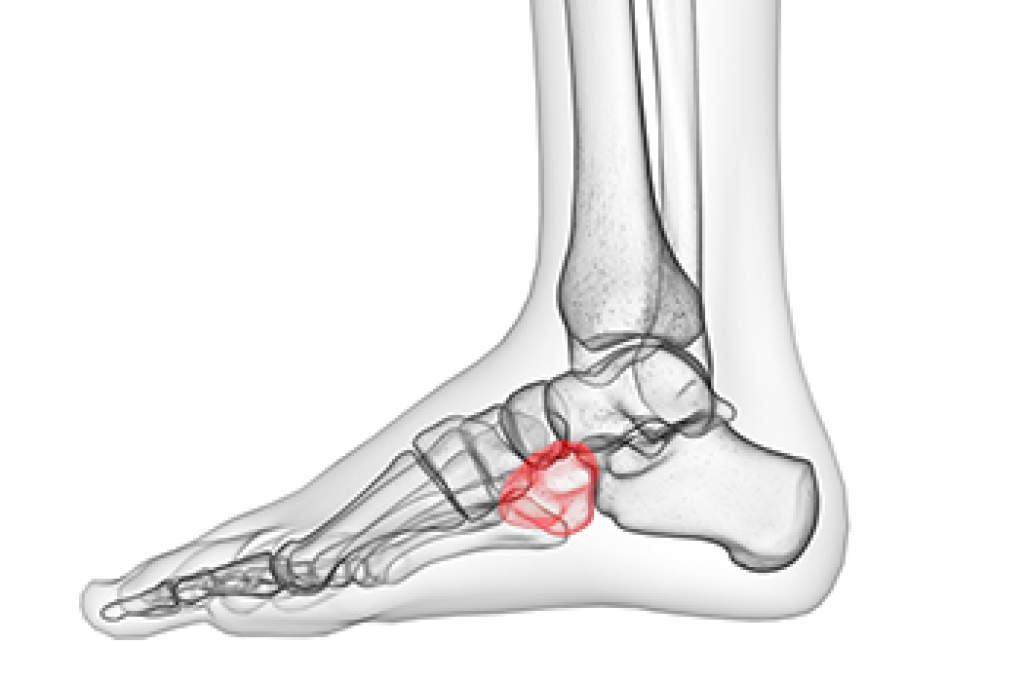
Cuboid syndrome, common among athletes and ballet dancers, occurs when the cuboid bone becomes partially dislocated due to repetitive injury, ankle sprain, or trauma. The cuboid is one of the five bones that make up the midfoot. It is important to the distribution of body weight and the stabilization of the outer midfoot. Cuboid syndrome can lead to difficulty walking. Additionally, some people experience aching pain on the outside of the foot, swelling, and increased pain when pressure is applied to the foot. One may also experience decreased motion, and ankle movement can be painful. A podiatrist’s expertise is needed for diagnosis, since so many of these symptoms mimic those of other afflictions. Treatment includes relocation of the bone, rest, and immobilization with tape, in addition to performing foot exercises for strength and flexibility. If you have troubling discomfort on the outside of the foot, it is suggested that you make an appointment with a podiatrist for a proper exam and care.

Cuboid syndrome, also known as cuboid subluxation, occurs when the joints and ligaments near the cuboid bone in the foot become torn. If you have cuboid syndrome, consult with Howard Kimmel, DPM from Buckeye Foot Care. Our doctor will assess your condition and provide you with quality foot and ankle treatment.

Cuboid syndrome is a common cause of lateral foot pain, which is pain on the outside of the foot. The condition may happen suddenly due to an ankle sprain, or it may develop slowly overtime from repetitive tension through the bone and surrounding structures.

Causes

The most common causes of cuboid syndrome include:

  • Injury – The most common cause of this ailment is an ankle sprain.
  • Repetitive Strain – Tension placed through the peroneus longus muscle from repetitive activities such as jumping and running may cause excessive traction on the bone causing it to sublux.
  • Altered Foot Biomechanics – Most people suffering from cuboid subluxation have flat feet.

Symptoms

A common symptom of cuboid syndrome is pain along the outside of the foot which can be felt in the ankle and toes. This pain may create walking difficulties and may cause those with the condition to walk with a limp.

Diagnosis

Diagnosis of cuboid syndrome is often difficult, and it is often misdiagnosed. X-rays, MRIs and CT scans often fail to properly show the cuboid subluxation. Although there isn’t a specific test used to diagnose cuboid syndrome, your podiatrist will usually check if pain is felt while pressing firmly on the cuboid bone of your foot.

Treatment

Just as the range of causes varies widely, so do treatments. Some more common treatments are ice therapy, rest, exercise, taping, and orthotics.

If you have any questions, please feel free to contact one of our offices located in Brook Park and Willoughby Hills, OH . We offer the newest diagnostic and treatment technologies for all your foot care needs.

Read more about All About Cuboid Syndrome

Hammertoe Deformities

Hammertoe is a common foot condition that can happen from an imbalance of muscles surrounding the toe joints. Hammertoe can be categorized as classic hammertoe, mallet toe, and claw toe. In classic hammertoe, the affected toe will bend down at the joint and resemble a hammer. As toes are important to the balance of the foot and control pressure distribution, hammertoe can cause problems with walking. The affected toe can appear deformed, calluses can form on them, and it may be painful to wear shoes. Relief options for hammertoe pain can include choosing shoes with wide toe boxes, using toe pads, and wearing orthotics. If these conservative options are not successful and pain persists or worsens, surgery may be an option to straighten the toe. If you suffer from a painful hammertoe, it is suggested that you visit a podiatrist for an evaluation and to receive treatment that is personalized to your specific situation.

Hammertoes can be a painful condition to live with. For more information, contact Howard Kimmel, DPM of Buckeye Foot Care. Our doctor will answer any of your foot- and ankle-related questions.

Hammertoe

Hammertoe is a foot deformity that occurs due to an imbalance in the muscles, tendons, or ligaments that normally hold the toe straight. It can be caused by the type of shoes you wear, your foot structure, trauma, and certain disease processes.

Symptoms

  • Painful and/or difficult toe movement
  • Swelling
  • Joint stiffness
  • Calluses/Corns
  • Physical deformity

Risk Factors

  • Age – The risk of hammertoe increases with age
  • Sex – Women are more likely to have hammertoe compared to men
  • Toe Length – You are more likely to develop hammertoe if your second toe is longer than your big toe
  • Certain Diseases – Arthritis and diabetes may make you more likely to develop hammertoe

Treatment

If you have hammertoe, you should change into a more comfortable shoe that provides enough room for your toes. Exercises such as picking up marbles may strengthen and stretch your toe muscles. Nevertheless, it is important to seek assistance from a podiatrist in order to determine the severity of your hammertoe and see which treatment option will work best for you.

If you have any questions, please feel free to contact one of our offices located in Brook Park and Willoughby Hills, OH . We offer the newest diagnostic and treatment technologies for all your foot care needs.

Read more about Hammertoe

Why Live with Pain and Numbness in Your Feet?

Suffering from this type of pain? You may have the foot condition known as Morton's neuroma. Morton's neuroma may develop as a result of ill-fitting footwear and existing foot deformities. We can help.

Connect With Us

scroll to top