Which Type of Orthotic Do I Need?

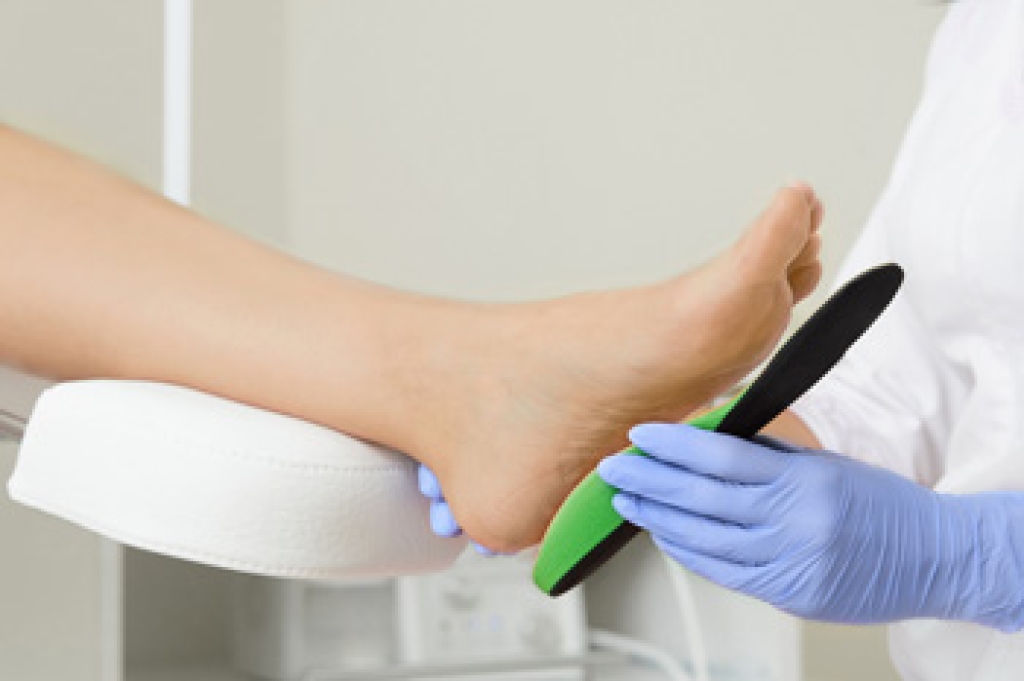
Orthotics are insoles that are worn in the shoes to provide additional support for the feet. They are used for different reasons, including overall foot health, abnormal foot structure, and various foot ailments. There are several kinds of orthotics to choose from. Orthotics that are prescribed by a podiatrist are designed to fit and correct an individual's unique foot and specific condition. They are made by taking an impression of the feet and can be successful in treating plantar fasciitis, flat feet, or heel spurs. Mass-produced inserts are referred to as prefabricated orthotics, and can fit a large range of foot types. They can be purchased in a pharmacy, and are available in numerous sizes and arch types. People who have mild foot pain may benefit from over-the-counter insoles, which may provide temporary relief. If you have any type of foot pain, it is strongly suggested that you consult with a podiatrist who can help you to choose the right type of orthotics based on the cause of your foot pain.

If you are having discomfort in your feet and would like to try orthotics, contact Howard Kimmel, DPM from Buckeye Foot Care. Our doctor can provide the care you need to keep you pain-free and on your feet.

What Are Orthotics?

Orthotics are inserts you can place into your shoes to help with a variety of foot problems such as flat feet or foot pain. Orthotics provide relief and comfort for minor foot and heel pain but can’t correct serious biomechanical problems in your feet.

Over-the-Counter Inserts

Orthotics come in a wide variety of over-the-counter inserts that are used to treat foot pain, heel pain, and minor problems. For example, arch supports can be inserted into your shoes to help correct overarched or flat feet, while gel insoles are often used because they provide comfort and relief from foot and heel pain by alleviating pressure.

Prescription Orthotics

If over-the-counter inserts don’t work for you or if you have a more severe foot concern, it is possible to have your podiatrist prescribe custom orthotics. These high-quality inserts are designed to treat problems such as abnormal motion, plantar fasciitis, and severe forms of heel pain. They can even be used to help patients suffering from diabetes by treating foot ulcers and painful calluses and are usually molded to your feet individually, which allows them to provide full support and comfort.

If you are experiencing minor to severe foot or heel pain, it’s recommended to speak with your podiatrist about the possibilities of using orthotics. A podiatrist can determine which type of orthotic is right for you and allow you to take the first steps towards being pain-free.

If you have any questions, please feel free to contact one of our offices located in Brook Park and Willoughby Hills, OH . We offer the newest diagnostic and treatment technologies for all your foot care needs.
Read more about Foot Orthotics

Runners and Big Toe Pain

People who participate in running or jogging may experience pain in their big toe. The main joint in the big toe can be prone to undergoing substantial forces while running. It is known as the MTP, or metatarsophalangeal, joint. As the body shifts between the heel and toes while running, the weight can shift to the big toe, which is used as a lever for pushing off. The sesamoid bones are located under the MTP joints, and are as small as sesame seeds. They are prone to injury when they are overworked, and the pain can radiate to the big toe. Additionally, having arthritis in the MTP joint may lead to toe pain, and the affected area may feel stiff. This is known to become worse with age, and mild relief may be felt when the correct shoes are worn. If you have pain in your big toe, it is suggested that you confer with a podiatrist who can offer you additional relief options.

Toe pain can disrupt your daily activities. If you have any concerns, contact Howard Kimmel, DPM of Buckeye Foot Care. Our doctor can provide the care you need to keep you pain-free and on your feet.

What Causes Toe Pain?

Most severe toe pain is caused due to a sports injury, trauma from dropping something heavy on the toe, or bumping into something rigid. Other problems can develop over time for various reasons.

Toe pain can be caused by one or more ailments. The most common include:

  • Trauma
  • Sports injury
  • Wearing shoes that are too tight
  • Arthritis
  • Gout
  • Corns and calluses
  • Hammertoe
  • Bunions
  • Blisters
  • Ingrown toenails
  • Sprains
  • Fractures (broken bones)
  • Dislocations

When to See a Podiatrist

  • Severe pain
  • Persistent pain that lasts more than a week
  • Signs of infection
  • Continued swelling
  • Pain that prevents walking

Diagnosis

In many cases the cause of toe pain is obvious, but in others, a podiatrist may want to use more advanced methods to determine the problem. These can range from simple visual inspections and sensation tests to X-rays and MRI scans. Prior medical history, family medical history, and any recent physical traumatic events will all be taken into consideration for a proper diagnosis.

Treatment

Treatments for toe pain and injuries vary and may include shoe inserts, padding, taping, medicines, injections, and in some cases, surgery. If you believe that you have broken a toe, please see a podiatrist as soon as possible.

If you have any questions please contact one of our offices located in Brook Park and Willoughby Hills, OH . We offer the newest diagnostic and treatment technologies for all your foot and ankle needs.

Read more about Toe Pain

3 Categories of Running Shoes

People who enjoy running learn that they can benefit from wearing the right type of running shoes. Experts have shown there are three categories of running shoes, and it is important to choose the pair that best describes the preferred running style. Shoes that are supportive and controlling are worn to reduce excessive pronation, which is described as the feet rolling inward while running. These types of shoes are constructed with stronger materials on the inside of the heel. This design may help keep the heels stable. Stability and cushioned shoes are less heavy than controlling shoes and are considered to be the most popular type of running shoe. The lightest running shoes are referred to as cushioned and neutral trainers, and people who enjoy fast running may opt to choose this type of shoe. If you would like more information about what type of running shoes to purchase, it is suggested that you speak with a podiatrist who can address any questions you may have.

If you are a runner, wearing the right running shoe is essential. For more information, contact Howard Kimmel, DPM from Buckeye Foot Care. Our doctor can provide the care you need to keep you pain-free and on your feet.

Choosing the Right Running Shoe for Your Foot Type

To increase performance and avoid the risk of injury, it is important to choose the right running shoe based on your foot type. The general design of running shoes revolves around pronation, which is how the ankle rolls from outside to inside when the foot strikes the ground.

  • Neutral runners are able to choose from a wide variety of shoes, including minimalist shoes or even going barefoot.
  • Runners who overpronate, or experience an over-abundance of ankle rolling, should choose shoes that provide extra motion control and stability.
  • Runners who underpronate, or supinate, have feet that have high arches and lack flexibility, preventing shock absorption. They require shoes with more flexibility and cushion.

If you have any questions, please feel free to contact one of our offices located in Brook Park and Willoughby Hills, OH . We offer the newest diagnostic and treatment technologies for all your foot care needs.

Read more about Choosing the Right Running Shoe for Your Foot Type

Do Your Child's Feet Hurt?

Have your child's feet been examined lately? Healthy feet are happy feet. If your child is complaining of foot pain, it may be a sign of underlying problems.

Why Does My Heel Hurt?

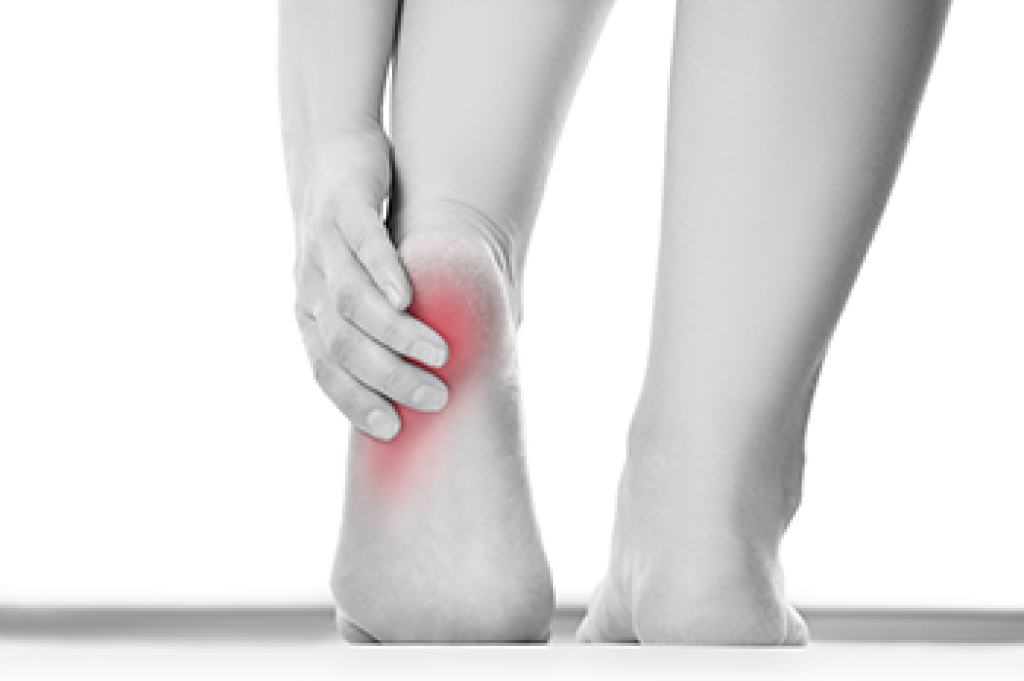
Heel pain is a common foot condition, and there are various reasons why it can happen. The largest tendon in the body is called the Achilles tendon, and it attaches to the heel. An injury can cause this tendon to become torn or irritated, and heel pain may ensue. Many people suffer from plantar fasciitis, which is caused by an inflamed plantar fascia. This is the band of tissue that connects the heel to the toes, and the pain is often felt in the heel. The condition that is known as neuropathy can cause the inability to feel sensations in the foot, including the heel. Waking can be difficult, and patients may need to use a cane or walker to maintain balance. A stone bruise is a heel disorder that can happen to people who jump from heights and lands on their feet. This condition may affect the heel pad, which acts as a shock absorber and may possibly become damaged. If you have heel pain, it is strongly suggested that you confer with a podiatrist who can determine what the reason is and offer treatment options that are correct for you.

Many people suffer from bouts of heel pain. For more information, contact Howard Kimmel, DPM of Buckeye Foot Care. Our doctor can provide the care you need to keep you pain-free and on your feet.

Causes of Heel Pain

Heel pain is often associated with plantar fasciitis. The plantar fascia is a band of tissues that extends along the bottom of the foot. A rip or tear in this ligament can cause inflammation of the tissue.

Achilles tendonitis is another cause of heel pain. Inflammation of the Achilles tendon will cause pain from fractures and muscle tearing. Lack of flexibility is also another symptom.

Heel spurs are another cause of pain. When the tissues of the plantar fascia undergo a great deal of stress, it can lead to ligament separation from the heel bone, causing heel spurs.

Why Might Heel Pain Occur?

  • Wearing ill-fitting shoes                
  • Wearing non-supportive shoes
  • Weight change           
  • Excessive running

Treatments

Heel pain should be treated as soon as possible for immediate results. Keeping your feet in a stress-free environment will help. If you suffer from Achilles tendonitis or plantar fasciitis, applying ice will reduce the swelling. Stretching before an exercise like running will help the muscles. Using all these tips will help make heel pain a condition of the past.

If you have any questions, please feel free to contact one of our offices located in Brook Park and Willoughby Hills, OH . We offer the newest diagnostic and treatment technologies for all your foot care needs.
Read more about Heel Pain

Connect With Us

scroll to top