
Why Do I Have an Ingrown Toenail?

If you’ve noticed your toenail has grown into the surrounding skin of your nail, it’s very possible that you may be dealing with an ingrown toenail. Ingrown toenails can be uncomfortable and often painful if left untreated. You may be wondering how did this happen? There are a few reasons why an ingrown toenail may develop. Common causes may include trauma to the affected toenail, such as stubbing the toe, wearing shoes that are too tight, cutting your toenails too short, and cutting your toenails on an angle. To ensure that an infection does not develop, please seek the care of a podiatrist to help you with treatment.

Ingrown toenails can become painful if they are not treated properly. For more information about ingrown toenails, contact Howard Kimmel, DPM of Buckeye Foot Care. Our doctor can provide the care you need to keep you pain-free and on your feet.

Ingrown Toenails

Ingrown toenails occur when a toenail grows sideways into the bed of the nail, causing pain, swelling, and possibly infection.

Causes

  • Bacterial infections
  • Improper nail cutting such as cutting it too short or not straight across
  • Trauma to the toe, such as stubbing, which causes the nail to grow back irregularly
  • Ill-fitting shoes that bunch the toes too close together
  • Genetic predisposition

Prevention

Wearing proper fitting shoes and using proper cutting techniques will also help decrease your risk of developing ingrown toenails.

Treatment

Ingrown toenails are a very treatable foot condition. In minor cases, soaking the affected area in salt or antibacterial soaps will not only help with the ingrown nail itself, but also help prevent any infections from occurring. In more severe cases, surgery is an option. In either case, speaking to your podiatrist about this condition will help you get a better understanding of specific treatment options that are right for you.

If you have any questions, please feel free to contact one of our offices located in Brook Park and Willoughby Hills, OH . We offer the newest diagnostic and treatment technologies for all your foot care needs.


Read more about Ingrown Toenails

What Stretches Can Benefit the Health of My Feet?

If you are experiencing pain, weakness, soreness, or a lack of flexibility in your feet or ankles, you may want to start practicing certain stretches. Stretching the feet and ankles can help to benefit the overall health of your lower extremities. One simple stretch you can practice allows you to sit comfortably in a chair. Once seated, begin by raising your toes, point them, and then curl them under. You’ll want to repeat this motion 10 times to help strengthen your mobility and build flexibility. Another stretch you can perform is called the marble pick-up, and is more focused on strength. Sit with your back straight and your feet in front of you. Place marbles in front of you and begin to pick them up with your toes. Start by using the toes of the right foot, then switch to your left. For more suggestions on what stretches you can practice to help the overall health of your feet, please speak with a podiatrist.

Why Stretching Is Important for Your Feet

Stretching the feet is a great way to prevent injuries. If you have any concerns with your feet consult with Howard Kimmel, DPM from Buckeye Foot Care. Our doctor will assess your condition and provide you with quality foot and ankle treatment.

Stretching the Feet

Stretching the muscles in the foot is an important part in any physical activity. Feet that are tight can lead to less flexibility and make you more prone to injury. One of the most common forms of foot pain, plantar fasciitis, can be stretched out to help ease the pain. Stretching can not only ease pain from plantar fasciitis but also prevent it as well. However, it is important to see a podiatrist first to determine if stretching is right for you. Podiatrists can also recommend other ways to stretch your feet. Once you know whether stretching is right for you, here are some excellent stretches you can do.

  • Using a foam roller or any cylindrical object (a water bottle or soda can will do), roll the object under your foot back and forth. You should also exert pressure on the object. Be sure to do this to both feet for a minute. Do this exercise three times each.
  • Similar to the previous exercise, take a ball, such as a tennis ball, and roll it under your foot while seated and exert pressure on it.
  • Grab a resistance band or towel and take a seat. If you are using a towel, fold it length wise. Next put either one between the ball of your foot and heel and pull with both hands on each side towards you. Hold this for 15 seconds and then switch feet. Do this three times for each foot.
  • Finally hold your big toe while crossing one leg over the other. Pull the toe towards you and hold for 15 seconds. Once again do this three times per foot.

It is best to go easy when first stretching your foot and work your way up. If your foot starts hurting, stop exercising to ice and rest the foot. It is advised that you then see a podiatrist for help.

If you have any questions please contact one of our offices located in Brook Park and Willoughby Hills, OH . We offer the newest diagnostic and treatment technologies for all your foot and ankle needs.

Read more about Stretching Your Feet

Signs of a Broken Ankle

A broken ankle can involve the breaking of any of the 3 bones in the ankle joint, as well as damage to the surrounding tissues. Ankle fractures can occur to the tibia, fibula, or talus and can happen due to a variety of traumas. Common signs of a broken ankle include a popping sound at the moment of injury, limited ankle movement, tenderness, swelling, pain, and bruising. In extreme cases, there may be an open wound that also occurs with the injury. If you believe that you have broken your ankle, it is important to consult with a podiatrist. A podiatrist will assess your symptoms and take X-rays of the injured ankle to determine the extent of the injury. Once the ankle is diagnosed as a fracture, the ankle will be immobilized. The severity of the injury will determine the time table and management plan for the injury.

Broken ankles need immediate treatment. If you are seeking treatment, contact Howard Kimmel, DPM from Buckeye Foot Care. Our doctor can provide the care you need to keep you pain-free and on your feet. 

Broken Ankles
A broken ankle is experienced when a person fractures their tibia or fibula in the lower leg and ankle area. Both of these bones are attached at the bottom of the leg and combine to form what we know to be our ankle.

When a physician is referring to a break of the ankle, he or she is usually referring to a break in the area where the tibia and fibula are joined to create our ankle joint. Ankles are more prone to fractures because the ankle is an area that suffers a lot of pressure and stress. There are some obvious signs when a person experiences a fractured ankle, and the following symptoms may be present.

Symptoms of a Fractured Ankle

  • Excessive pain when the area is touched or when any pressure is placed on the ankle
  • Swelling around the area
  • Bruising of the area
  • Area appears to be deformed

If you suspect an ankle fracture, it is recommended to seek treatment as soon as possible. The sooner you have your podiatrist diagnose the fracture, the quicker you’ll be on the way towards recovery.

If you have any questions, please feel free to contact one of our offices located in Brook Park and Willoughby Hills, OH . We offer the newest diagnostic and treatment technologies for all your foot care needs.
Read more about All About Broken Ankles

Ways to Prevent Athlete’s Foot

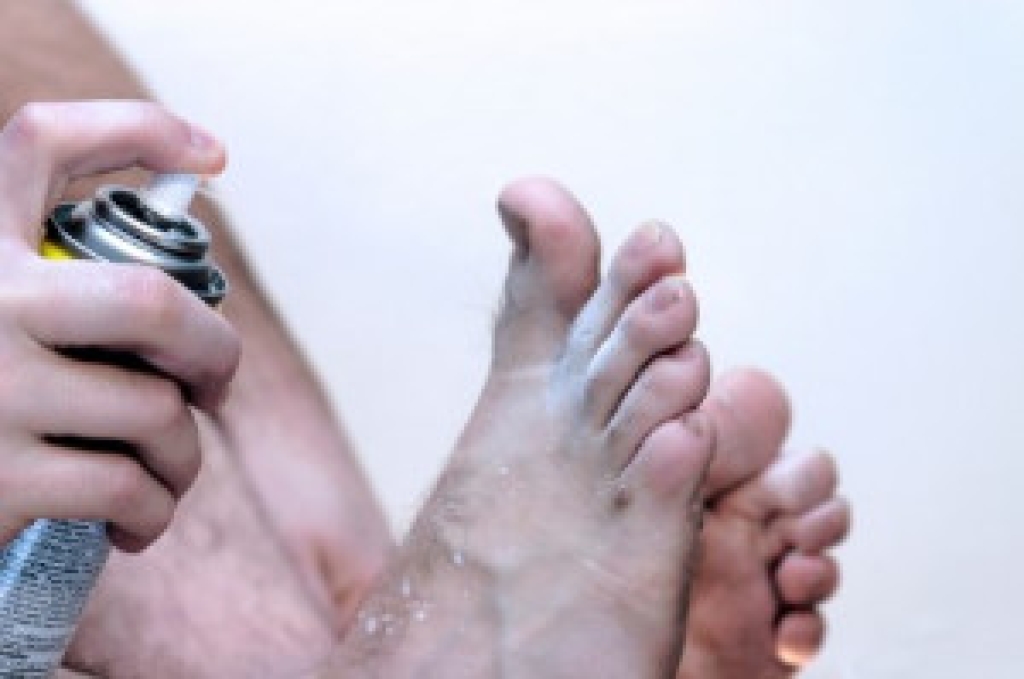
Athlete’s foot is a fungal infection that causes the skin in between the toes to become itchy, blister, and peel. The fungus that causes athlete’s foot is usually spread in warm and moist environments such as communal showers or public pools. It thrives in sweaty environments as well, and one key way to prevent athlete’s foot is to alternate shoes. Because it takes 24-48 hours for the sweat to dry out in shoes, it is also possible to dry shoes out with a hair dryer. Wearing flip flops or shower shoes while using a communal shower or public pool is another key to limiting the spread and risk of athlete’s foot. Lastly, do not wear other people’s footwear since the fungus can spread via sharing shoes. If you believe that you may have athlete’s foot, it is important to consult with a podiatrist for proper treatment.

Athlete’s foot is an inconvenient condition that can be easily reduced with the proper treatment. If you have any concerns about your feet and ankles, contact Howard Kimmel, DPM from Buckeye Foot Care.  Our doctor will treat your foot and ankle needs.

Athlete’s Foot: The Sole Story

Athlete's foot, also known as tinea pedis, can be an extremely contagious foot infection. It is commonly contracted in public changing areas and bathrooms, dormitory style living quarters, around locker rooms and public swimming pools, or anywhere your feet often come into contact with other people.

Solutions to Combat Athlete’s Foot

  • Hydrate your feet by using lotion
  • Exfoliate
  • Buff off nails
  • Use of anti-fungal products
  • Examine your feet and visit your doctor if any suspicious blisters or cuts develop

Athlete’s foot can cause many irritating symptoms such as dry and flaking skin, itching, and redness. Some more severe symptoms can include bleeding and cracked skin, intense itching and burning, and even pain when walking. In the worst cases, Athlete’s foot can cause blistering as well. Speak to your podiatrist for a better understanding of the different causes of Athlete’s foot, as well as help in determining which treatment options are best for you.

If you have any questions please feel free to contact one of our offices located in Brook Park and Willoughby Hills, OH . We offer the newest diagnostic and treatment technologies for all your foot and ankle needs.

Read more about How to Deal with Athlete's Foot

Connect With Us

scroll to top