Fungal Nails 101

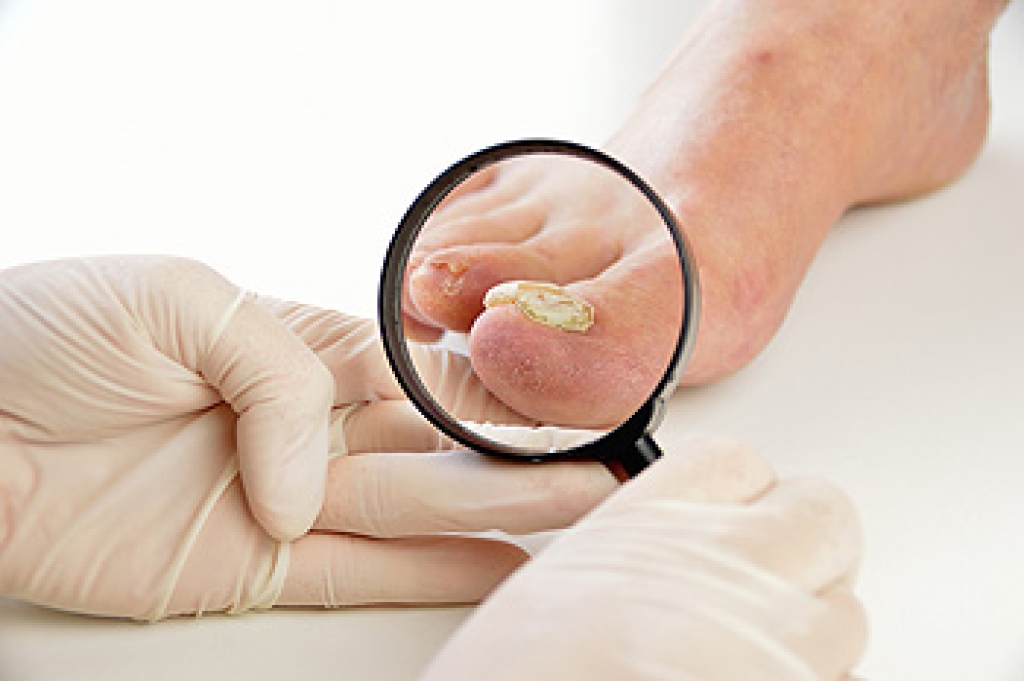
When fungus gets under the toenail, it begins to feed on the keratin that makes up the nail. While an infected nail is easy to treat in the early stages, the infection becomes more and more difficult to manage as it grows. Common risk factors for developing a fungal nail infection may include trauma, poor hygiene, sweating, and walking barefoot in moist environments. Toenails that have been infected by a fungus will become brittle, crumble, and turn yellowish in color. Treatments for infected toenails can include topical medications, oral medications, and laser treatment. If you believe that you are afflicted with a toenail fungus, it is important that you consult with a podiatrist for proper care and treatment.

If left untreated, toenail fungus may spread to other toenails, skin, or even fingernails. If you suspect you have toenail fungus it is important to seek treatment right away. For more information about treatment, contact Howard Kimmel, DPM of Buckeye Foot Care. Our doctor can provide the care you need to keep you pain-free and on your feet.

Symptoms

  • Warped or oddly shaped nails
  • Yellowish nails
  • Loose/separated nail
  • Buildup of bits and pieces of nail fragments under the nail
  • Brittle, broken, thickened nail

Treatment

If self-care strategies and over-the-counter medications does not help your fungus, your podiatrist may give you a prescription drug instead. Even if you find relief from your toenail fungus symptoms, you may experience a repeat infection in the future.

Prevention

In order to prevent getting toenail fungus in the future, you should always make sure to wash your feet with soap and water. After washing, it is important to dry your feet thoroughly especially in between the toes. When trimming your toenails, be sure to trim straight across instead of in a rounded shape. It is crucial not to cover up discolored nails with nail polish because that will prevent your nail from being able to “breathe”.

In some cases, surgical procedure may be needed to remove the toenail fungus. Consult with your podiatrist about the best treatment options for your case of toenail fungus.  

If you have any questions please contact one of our offices located in Brook Park and Willoughby Hills, OH . We offer the newest diagnostic and treatment technologies for all your foot and ankle needs.
Read more about Treating Toenail Fungus

How Does Gout Occur?

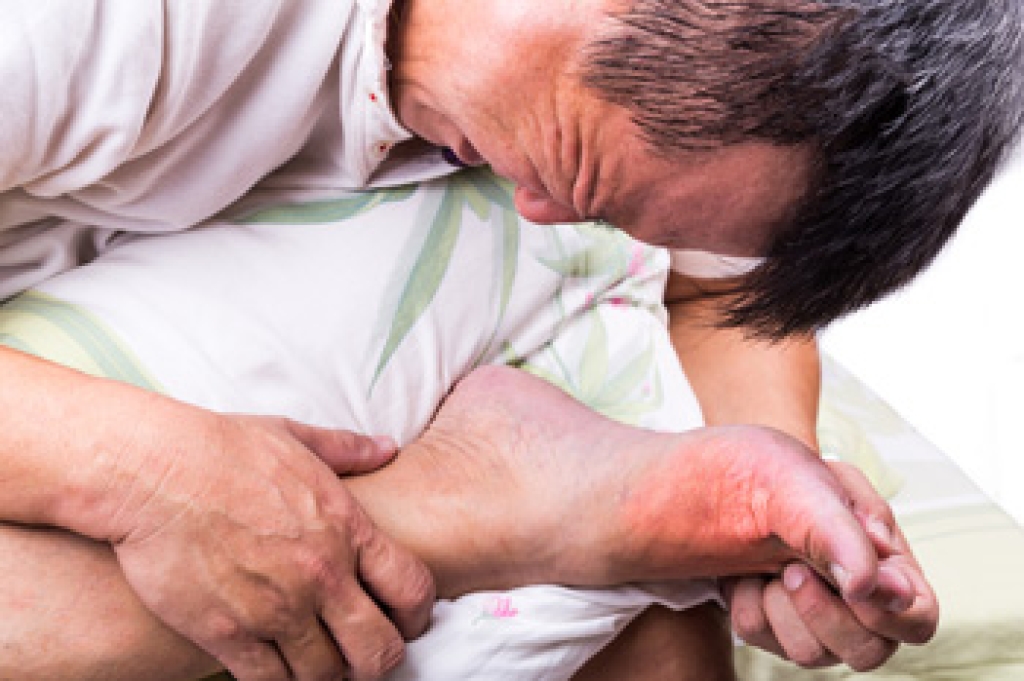
Research has indicated that there are millions of Americans who are affected by the foot condition that is referred to as gout. It generally affects the joints in the big toe, and can cause severe pain and discomfort. It can develop as a result of an excess of uric acid that is found in the bloodstream and lodges in the joints of the body. Uric acid can come from specific foods that are frequently eaten, which can include shellfish, red meat, and drinks that have a high sugar content. Many patients have noticed their gout attacks can begin at night, and may subside naturally. In severe cases, it is strongly suggested that you are under the care of a podiatrist who can properly treat this form of arthritis.

Gout is a painful condition that can be treated. If you are seeking treatment, contact Howard Kimmel, DPM from Buckeye Foot Care. Our doctor will treat your foot and ankle needs.

What Is Gout?

Gout is a form of arthritis that is characterized by sudden, severe attacks of pain, redness, and tenderness in the joints. The condition usually affects the joint at the base of the big toe. A gout attack can occur at any random time, such as the middle of the night while you are asleep.

Symptoms

  • Intense Joint Pain - Usually around the large joint of your big toe, and it most severe within the first four to twelve hours
  • Lingering Discomfort - Joint discomfort may last from a few days to a few weeks
  • Inflammation and Redness -Affected joints may become swollen, tender, warm and red
  • Limited Range of Motion - May experience a decrease in joint mobility

Risk Factors

  • Genetics - If family members have gout, you’re more likely to have it
  • Medications - Diuretic medications can raise uric acid levels
  • Gender/Age - Gout is more common in men until the age of 60. It is believed that estrogen protects women until that point
  • Diet - Eating red meat and shellfish increases your risk
  • Alcohol - Having more than two alcoholic drinks per day increases your risk
  • Obesity - Obese people are at a higher risk for gout

Prior to visiting your podiatrist to receive treatment for gout, there are a few things you should do beforehand. If you have gout you should write down your symptoms--including when they started and how often you experience them, important medical information you may have, and any questions you may have. Writing down these three things will help your podiatrist in assessing your specific situation so that he or she may provide the best route of treatment for you.

If you have any questions, please feel free to contact one of our offices located in Brook Park and Willoughby Hills, OH . We offer the newest diagnostic and treatment technologies for all your foot care needs.

Read more about Gout

Surgical Treatment of Corns

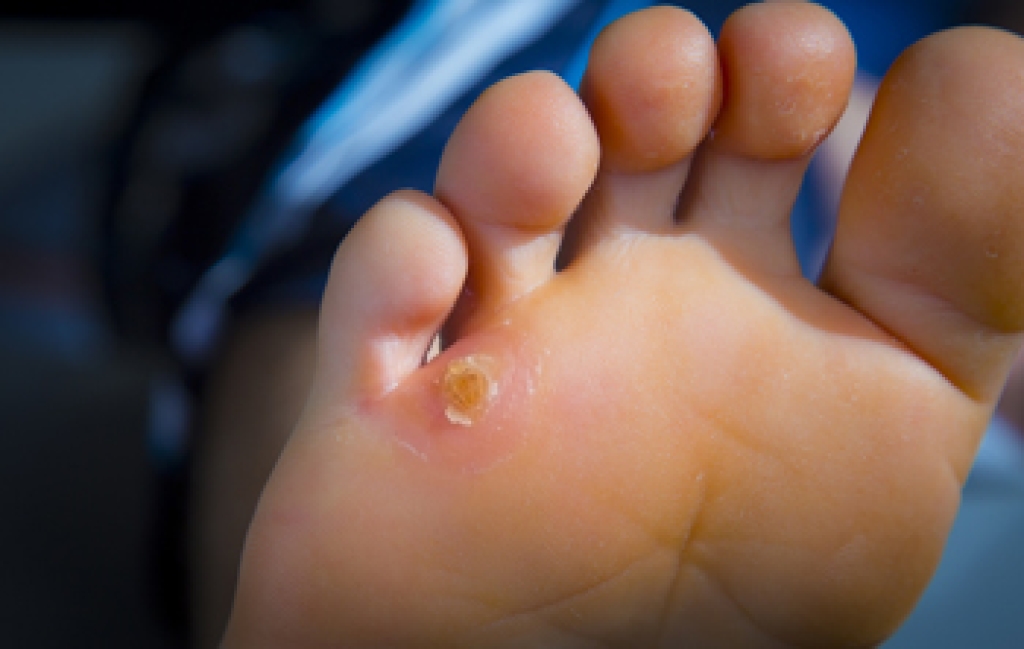
A corn is a thick layer of skin that forms due to excess pressure and friction. They work as the body’s mechanism for protection of the skin. Corns can form due to an enlarged joint, tight shoes or a toe deformity. While more conservative treatment options can be used on a corn, surgery may be necessary to remove the corn. Surgery usually involves a small incision (of about 2 cm), removal of the head of the corn, and then repairing the skin. After the surgery, your podiatrist will be able to provide recommendations for caring for the surgical wound. If you have a corn that is painful, consult with your podiatrist on what treatment options are best for you.  

If you have any concerns regarding your feet and ankles, contact Howard Kimmel, DPM of Buckeye Foot Care. Our doctor will treat your foot and ankle needs.

Corns: What Are They? and How Do You Get Rid of Them?
Corns can be described as areas of the skin that have thickened to the point of becoming painful or irritating. They are often layers and layers of the skin that have become dry and rough, and are normally smaller than calluses.

Ways to Prevent Corns
There are many ways to get rid of painful corns such as wearing:

  • Well-fitting socks
  • Comfortable shoes that are not tight around your foot
  • Shoes that offer support

Treating Corns
Treatment of corns involves removing the dead skin that has built up in the specific area of the foot. Consult with Our doctor to determine the best treatment option for your case of corns.

If you have any questions, please feel free to contact one of our offices located in Brook Park and Willoughby Hills, OH . We offer the newest diagnostic and treatment technologies for all your foot care needs.

Read more about Corns: What Are They, and How Do You Get Rid of Them

How to Tell If You Have Flat Feet

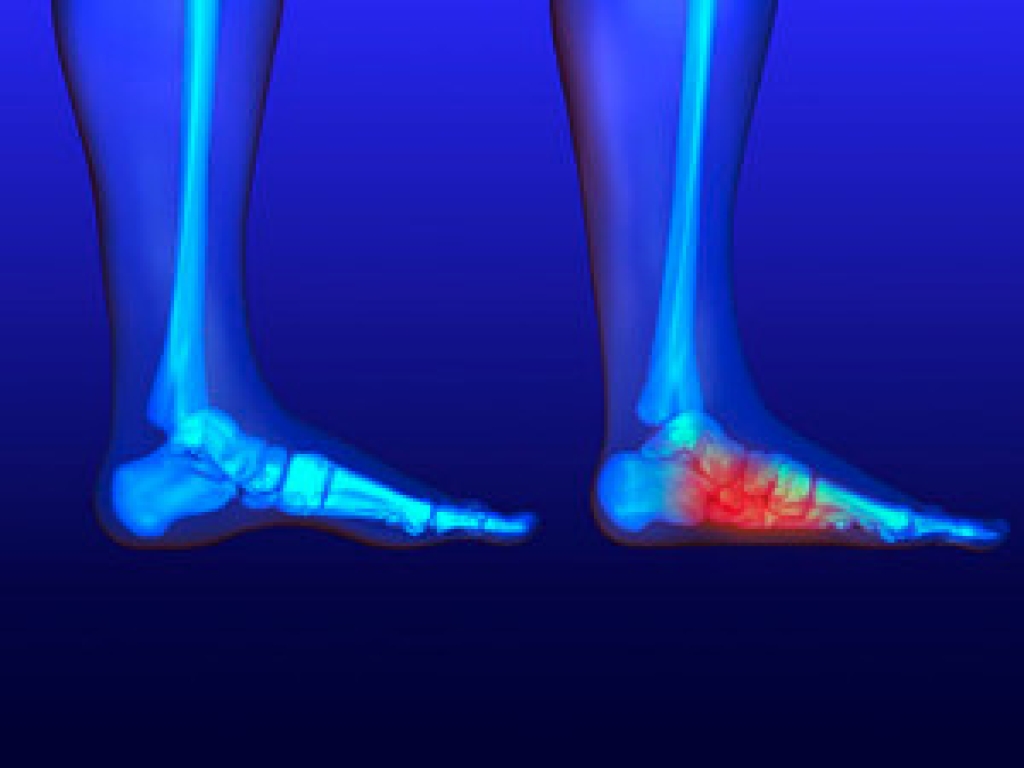
It can be easy to notice if you have flat feet. The entire foot will lie flat on the floor without a space where the arch would normally exist. The majority of babies are born with flat feet, and the arch typically develops at approximately six years of age. Patients who have flat feet may have an abnormal foot structure or weak muscle tone. Additionally, the ligaments may be loose, and this may be caused by genetic traits. Some of the symptoms that are associated with flat feet can include possible pain or tenderness in the foot, lack of energy, and it may be difficult to walk. The Achilles tendon may become inflamed, and foot conditions such as bunions may develop. It is advised for people who have flat feet to be under the care of a podiatrist who can offer effective relief methods, which may include wearing orthotics.

Flatfoot is a condition many people suffer from. If you have flat feet, contact Howard Kimmel, DPM from Buckeye Foot Care. Our doctor will treat your foot and ankle needs.

What Are Flat Feet?

Flatfoot is a condition in which the arch of the foot is depressed and the sole of the foot is almost completely in contact with the ground. About 20-30% of the population generally has flat feet because their arches never formed during growth.

Conditions & Problems:

Having flat feet makes it difficult to run or walk because of the stress placed on the ankles.

Alignment – The general alignment of your legs can be disrupted, because the ankles move inward which can cause major discomfort.

Knees – If you have complications with your knees, flat feet can be a contributor to arthritis in that area.  

Symptoms

  • Pain around the heel or arch area
  • Trouble standing on the tip toe
  • Swelling around the inside of the ankle
  • Flat look to one or both feet
  • Having your shoes feel uneven when worn

Treatment

If you are experiencing pain and stress on the foot you may weaken the posterior tibial tendon, which runs around the inside of the ankle. 

If you have any questions, please feel free to contact one of our offices located in Brook Park and Willoughby Hills, OH . We offer the newest diagnostic and treatment technologies for all your foot care needs.

Read more about What is Flexible Flat Foot?

Do You Suffer From Painful Feet?

Painful deformities, such as hammertoes, can be treated. Stop living with foot pain, and have beautiful feet again!

Connect With Us

scroll to top