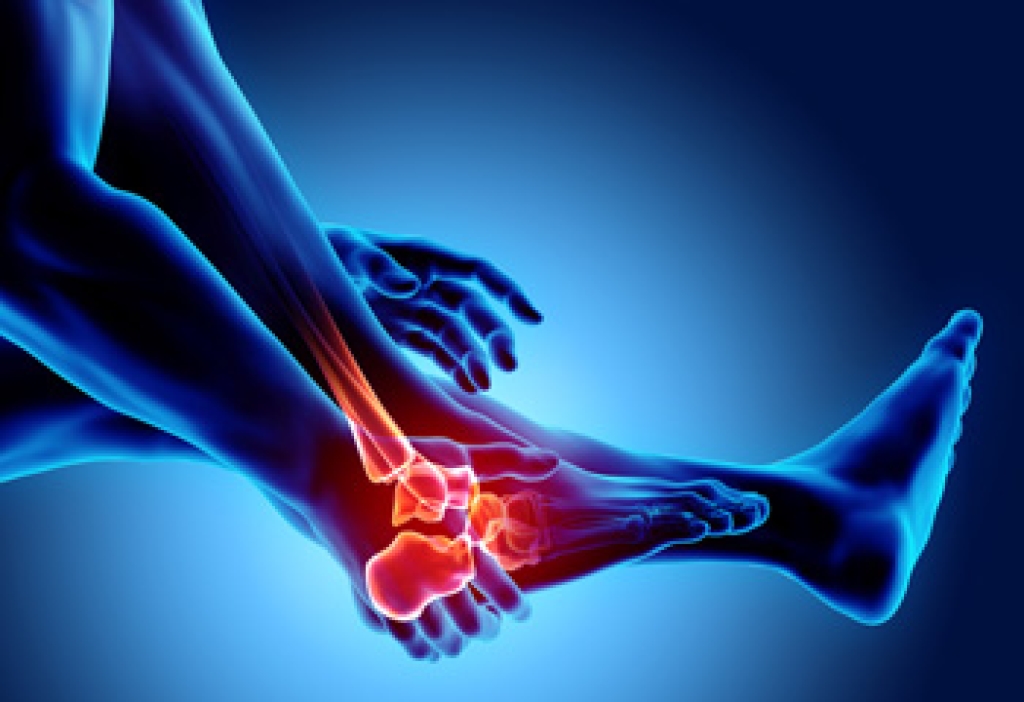
Bone Contusions

Contusions occur when an injured blood vessel leaks blood into the surrounding areas. On your skin, this typically means that a bruise will appear, with skin discoloration, tenderness, and pain. But did you know that you can also bruise a bone? Bones are made of tissues and blood vessels. An injury to the area, from a car accident, fall, or high impact sport for example, could make a blood vessel leak, creating a contusion. Symptoms of a bone contusion include stiffness, swelling, tenderness, difficulty using the affected area, and pain that lasts longer than the pain caused by a bruise elsewhere on the body. Bone bruises can take anywhere from a few days to a few months to heal, and recommended treatments vary based on the severity of the injury. If you are experiencing any foot or ankle pain, it is suggested that you consult with a podiatrist.

Ankle and foot injuries are common among athletes and in many sports. They can be caused by several problems and may be potentially serious. If you are feeling pain or think you were injured in a sporting event or when exercising, consult with Howard Kimmel, DPM from Buckeye Foot Care. Our doctor will assess your condition and provide you with quality foot and ankle treatment.

Common Injuries

The most common injuries that occur in sporting activities include:

  • Achilles Tendonitis
  • Achilles Tendon Rupture
  • Ankle Sprains
  • Broken Foot
  • Plantar Fasciitis
  • Stress Fractures
  • Turf Toe

Symptoms

Symptoms vary depending upon the injury and in some cases, there may be no symptoms at all. However, in most cases, some form of symptom is experienced. Pain, aching, burning, bruising, tenderness, tightness or stiffness, sensation loss, difficulty moving, and swelling are the most common symptoms.

Treatment

Just as symptoms vary depending upon the injury, so do treatment options. A common treatment method is known as the RICE method. This method involves rest, applying ice, compression and elevating the afflicted foot or ankle. If the injury appears to be more serious, surgery might be required, such as arthroscopic or reconstructive surgery. Lastly, rehabilitation or therapy might be needed to gain full functionality in the afflicted area. Any discomfort experienced by an athlete must be evaluated by a licensed, reputable medical professional.  

If you have any questions please contact one of our offices located in Brook Park and Willoughby Hills, OH . We offer the newest diagnostic and treatment technologies for all your foot and ankle needs.

Read more about Sports Related Foot and Ankle Injuries

Vascular Testing For Peripheral Artery Disease

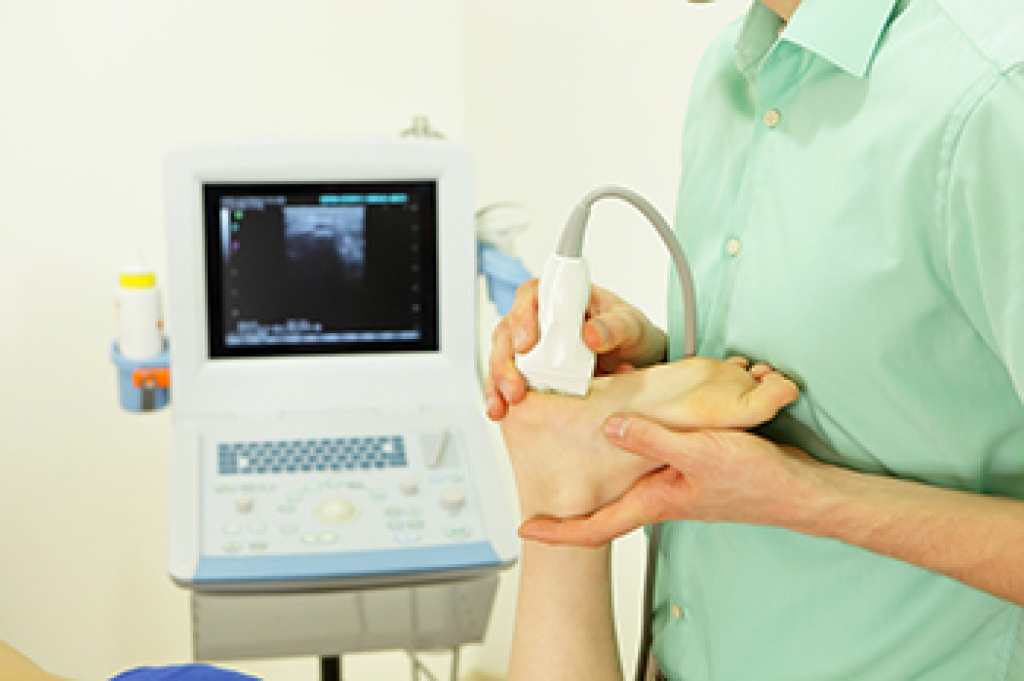
Poor circulation in the lower limbs can be a sign of peripheral artery disease (PAD). This is a serious condition that can cause leg cramps, muscle weakness, numbness, tingling, foot and ankle wounds, and difficulty walking. Older individuals and those with a history of cardiovascular problems are said to be particularly at risk. Your podiatrist can play a major role in detecting, diagnosing, and helping you manage PAD. Podiatrists can perform diagnostic vascular tests in the clinic. These tests are safe and noninvasive ways to assess blood flow in your lower limbs. Frequently used tests include the Ankle-Brachial Index test and Doppler ultrasonography. To learn more about PAD and to get tested, schedule an appointment with a podiatrist near you.  

Vascular testing plays an important part in diagnosing disease like peripheral artery disease. If you have symptoms of peripheral artery disease, or diabetes, consult with Howard Kimmel, DPM from Buckeye Foot Care. Our doctor will assess your condition and provide you with quality foot and ankle treatment.

What Is Vascular Testing?

Vascular testing checks for how well blood circulation is in the veins and arteries. This is most often done to determine and treat a patient for peripheral artery disease (PAD), stroke, and aneurysms. Podiatrists utilize vascular testing when a patient has symptoms of PAD or if they believe they might. If a patient has diabetes, a podiatrist may determine a vascular test to be prudent to check for poor blood circulation.

How Is it Conducted?

Most forms of vascular testing are non-invasive. Podiatrists will first conduct a visual inspection for any wounds, discoloration, and any abnormal signs prior to a vascular test.

 The most common tests include:

  • Ankle-Brachial Index (ABI) examination
  • Doppler examination
  • Pedal pulses

These tests are safe, painless, and easy to do. Once finished, the podiatrist can then provide a diagnosis and the best course for treatment.

If you have any questions please contact one of our offices located in Brook Park and Willoughby Hills, OH . We offer the newest diagnostic and treatment technologies for all your foot and ankle needs.
Read more about Vascular Testing in Podiatry

Do Your Child's Feet Hurt?

Have your child's feet been examined lately? Healthy feet are happy feet. If your child is complaining of foot pain, it may be a sign of underlying problems.

Is Toenail Fungus Contagious?

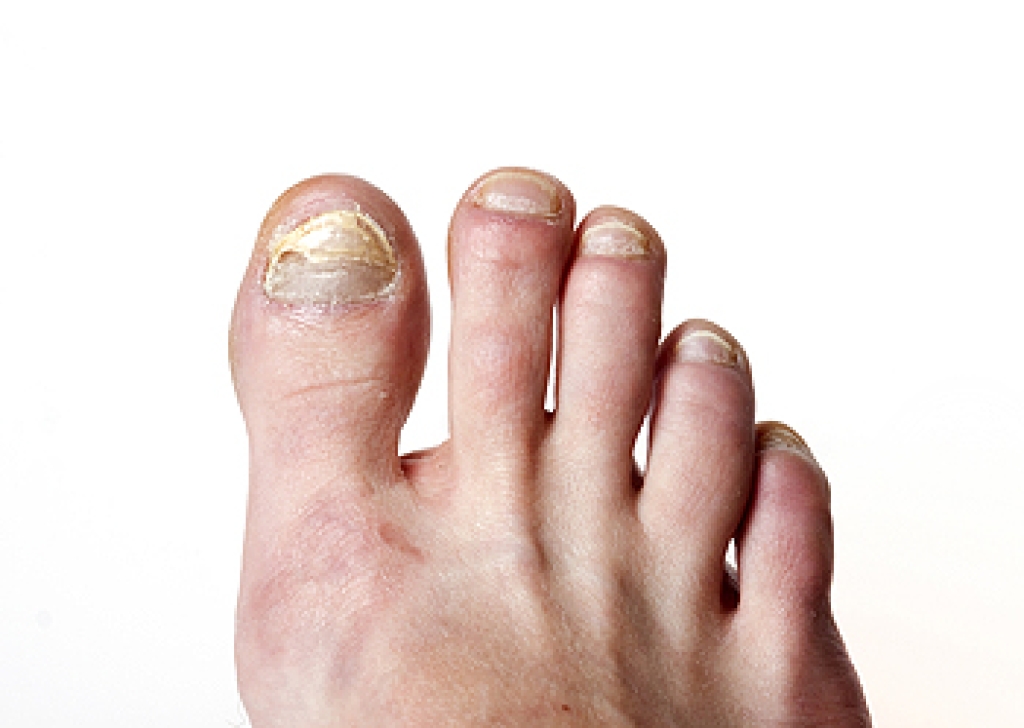
Thickened toenails that turn a yellow color can indicate that a toenail fungus has developed. Additional symptoms can include brittle nails, and in severe cases, the nail may turn black, and fall off. The fungus that causes this type of infection lives and thrives in warm and moist places, and is considered to be contagious. These can include public swimming pools, locker rooms, shower room floors, and surrounding areas. Additionally, wearing shoes and socks that are wet may significantly contribute to the onset of toenail fungus. An effective preventive technique is to wear appropriate shoes while in these areas, and it can help to wear shoes and socks that remain dry. If you have signs of a toenail fungus developing, it is suggested that you seek the counsel of a podiatrist who can offer you the right treatments for you.

For more information about treatment, contact Howard Kimmel, DPM of Buckeye Foot Care. Our doctor can provide the care you need to keep you pain-free and on your feet.

Toenail Fungus Treatment

Toenail fungus is a condition that affects many people and can be especially hard to get rid of. Fortunately, there are several methods to go about treating and avoiding it.

Antifungals & Deterrence

Oral antifungal medicine has been shown to be effective in many cases. It is important to consult with a podiatrist to determine the proper regiment for you, or potentially explore other options.

Applying foot powder on the feet and shoes helps keep the feet free of moisture and sweat.

Sandals or open toed shoes – Wearing these will allow air movement and help keep feet dry. They also expose your feet to light, which fungus cannot tolerate. Socks with moisture wicking material also help as well.

If you have any questions please contact one of our offices located in Brook Park and Willoughby Hills, OH . We offer the newest diagnostic and treatment technologies for all your foot and ankle needs.
Read more about How to Treat Your Toenail Fungus

Sesamoid Bones and Injuries

The sesamoids are two small, pea-shaped bones found just under the base of the big toe. The sesamoids are embedded in a tendon, allowing you to move the big toes and acting as shock absorbers in the foot while you walk and run. Though these bones are quite small, they can be easily injured. The area around the sesamoid bones may become inflamed due to injury or overuse, leading to sesamoiditis. Over time, these bones may become unable to bear the load placed on them and could even develop tiny stress fractures. A sudden injury to the bones can cause them to fully fracture. If you have pain, swelling, or bruising in the ball of your foot, schedule an appointment with a podiatrist who can diagnose and treat various sesamoid injuries. 

Sesamoiditis is an unpleasant foot condition characterized by pain in the balls of the feet. If you think you’re struggling with sesamoiditis, contact Howard Kimmel, DPM of Buckeye Foot Care. Our doctor will treat your condition thoroughly and effectively.

Sesamoiditis

Sesamoiditis is a condition of the foot that affects the ball of the foot. It is more common in younger people than it is in older people. It can also occur with people who have begun a new exercise program, since their bodies are adjusting to the new physical regimen. Pain may also be caused by the inflammation of tendons surrounding the bones. It is important to seek treatment in its early stages because if you ignore the pain, this condition can lead to more serious problems such as severe irritation and bone fractures.

Causes of Sesamoiditis

  • Sudden increase in activity
  • Increase in physically strenuous movement without a proper warm up or build up
  • Foot structure: those who have smaller, bonier feet or those with a high arch may be more susceptible

Treatment for sesamoiditis is non-invasive and simple. Doctors may recommend a strict rest period where the patient forgoes most physical activity. This will help give the patient time to heal their feet through limited activity. For serious cases, it is best to speak with your doctor to determine a treatment option that will help your specific needs.

If you have any questions, please feel free to contact one of our offices located in Brook Park and Willoughby Hills, OH . We offer the newest diagnostic and treatment technologies for all your foot care needs.

Read more about Sesamoiditis

Connect With Us

scroll to top